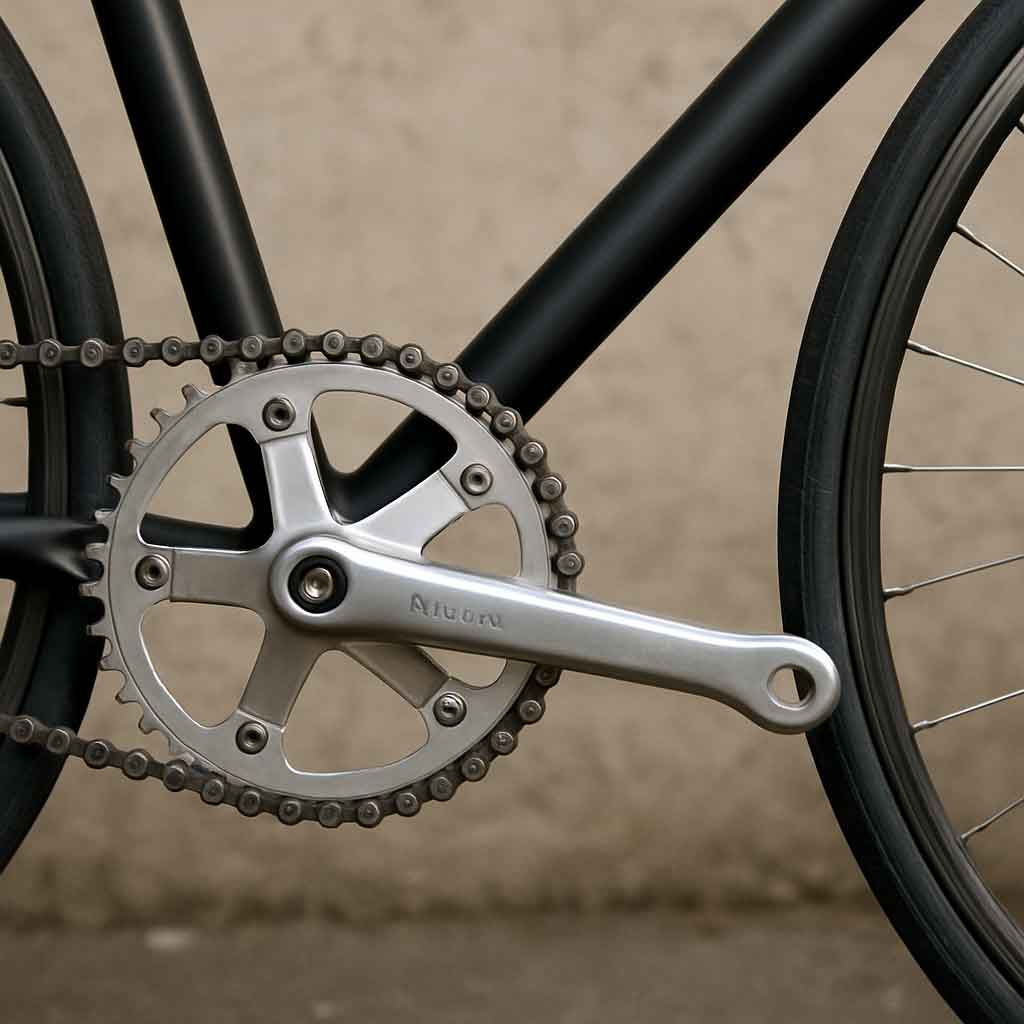

Choosing the right bike frame size is crucial for comfort and performance. Whether you're a seasoned cyclist or a beginner, understanding how to measure a bike frame can enhance your riding experience and prevent discomfort or injury. This guide will walk you through the essential tips and techniques for determining the perfect bicycle size using various bike size charts.
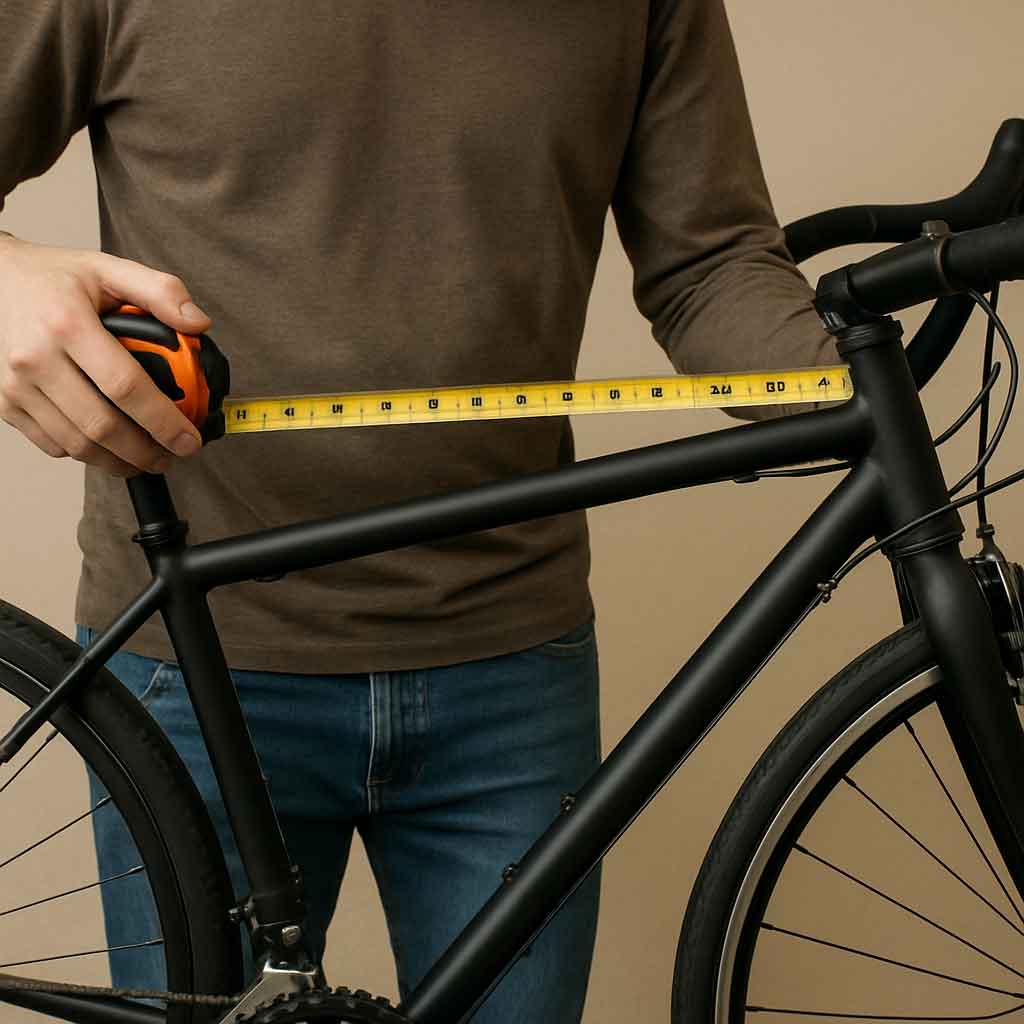
Bike frame sizes are typically measured in centimeters or inches, depending on the type of bike. Road bikes often use centimeters, while mountain bikes use inches. The size refers to the length of the seat tube, which runs from the bottom bracket to the top of the seat tube.
Why Frame Size Matters
An incorrect bike frame size can lead to discomfort and inefficiencies. A frame that's too small can make riding cramped and difficult, while a frame that's too large can be hard to control. Proper sizing ensures comfortable posture, effective power transfer, and better handling.
How to Measure a Bike Frame
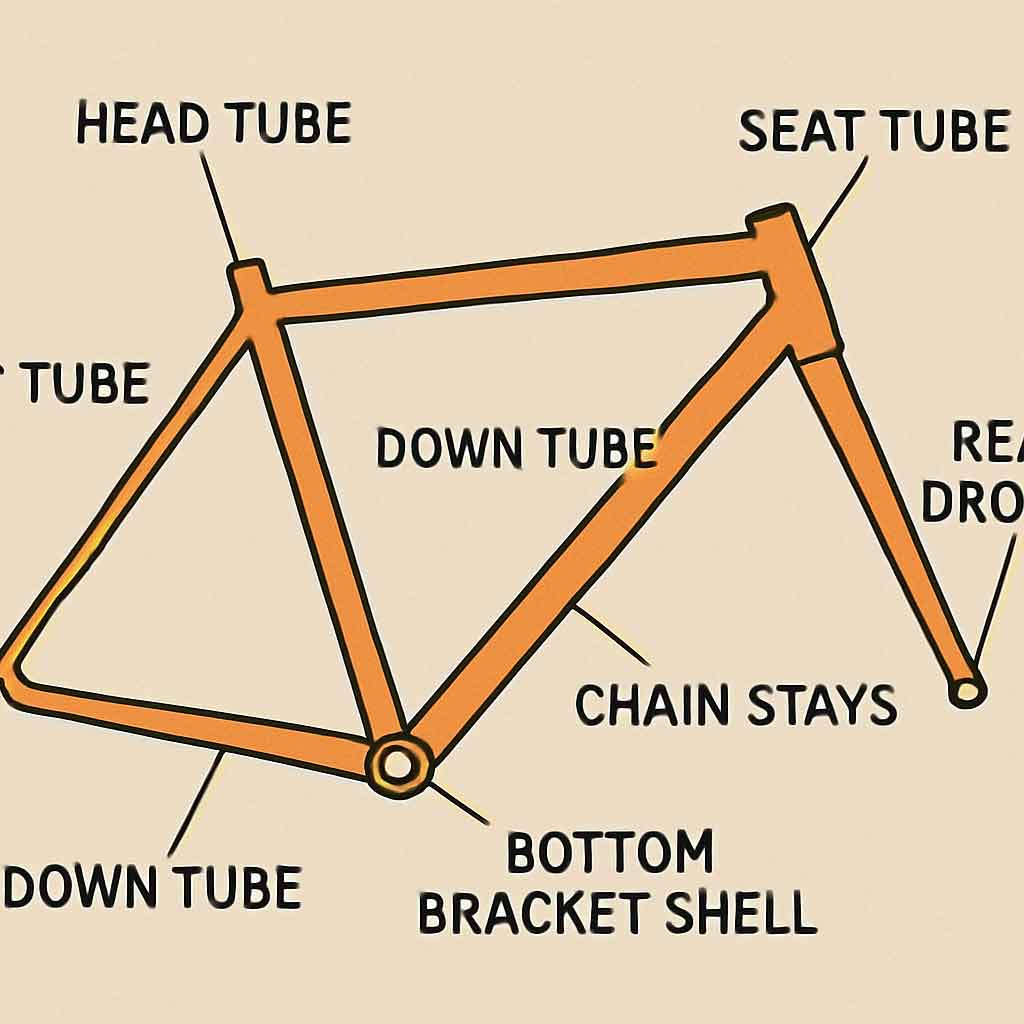
Steps to Measure a Bike Frame
- Identify the Type of Bike: Different bikes have different sizing conventions. Know whether you're measuring a road bike, mountain bike, or hybrid bike.
- Locate the Seat Tube: The seat tube is the vertical tube where the seat post is inserted. This is the primary measurement for determining frame size.
- Measure the Seat Tube: Use a tape measure to determine the length from the center of the bottom bracket to the top of the seat tube. This measurement is the frame size.
- Consider the Top Tube Length: While not always listed as the frame size, the top tube length impacts reach and comfort, especially for road bikes.
Using Bike Size Charts
Bike size charts are invaluable tools for finding the correct frame size. These charts match your height and inseam with the appropriate frame size.
Bike Size Chart Basics
- Measure Your Inseam: Stand with your feet 6-8 inches apart and measure from the ground to your crotch. This is your inseam.
- Refer to a Bike Size Chart: Use your inseam and height to find the recommended bike frame size in a bike size chart.
For example:
- A person with a 30-inch inseam might fit a 52-54 cm road bike.
- A person with a 32-inch inseam could be comfortable on a 56-58 cm road bike.
Specialized Bike Size Considerations

by Yvan Niyonzima (https://unsplash.com/@yvanniyonzima)
Road Bikes
Road bikes often require a precise fit for optimal performance. Consider both the seat tube and top tube lengths when determining the size.
Mountain Bikes
Mountain bikes generally have a more relaxed fit. The frame size is often smaller compared to road bikes for greater maneuverability.
Hybrid Bikes
Hybrid bikes combine features of road and mountain bikes. Frame size is typically based on comfort and riding style.
What Size Bike Do I Need?
The ideal bike size depends on your height, inseam, and riding style. Here are some quick tips:
- For a 26-inch bike: Generally suitable for riders between 5'0" and 5'5".
- 54 cm bike: Fits riders around 5'7" to 5'9".
- General Guidelines: Taller riders need larger frames. Shorter riders require smaller frames.
Adjusting for the Perfect Fit
Once you've chosen a bike frame size, fine-tuning is key. Adjust the saddle height and handlebar position to ensure optimal comfort and performance.
Saddle Height
Your saddle should be high enough that when your pedal is at its lowest point, there is a slight bend in your knee.
Handlebar Position
Handlebars should be at a height where you feel comfortable and in control. This may vary based on personal preference and riding style.
Conclusion
Choosing the right bike frame size is more than just a number—it's about ensuring comfort, efficiency, and safety. By understanding how to measure a bike frame and using bike size charts, you can select the perfect bicycle frame size for your needs. Whether you're cycling for leisure or competition, the right fit makes all the difference.
Ride confidently, knowing your bike is the perfect size for you. Happy cycling!