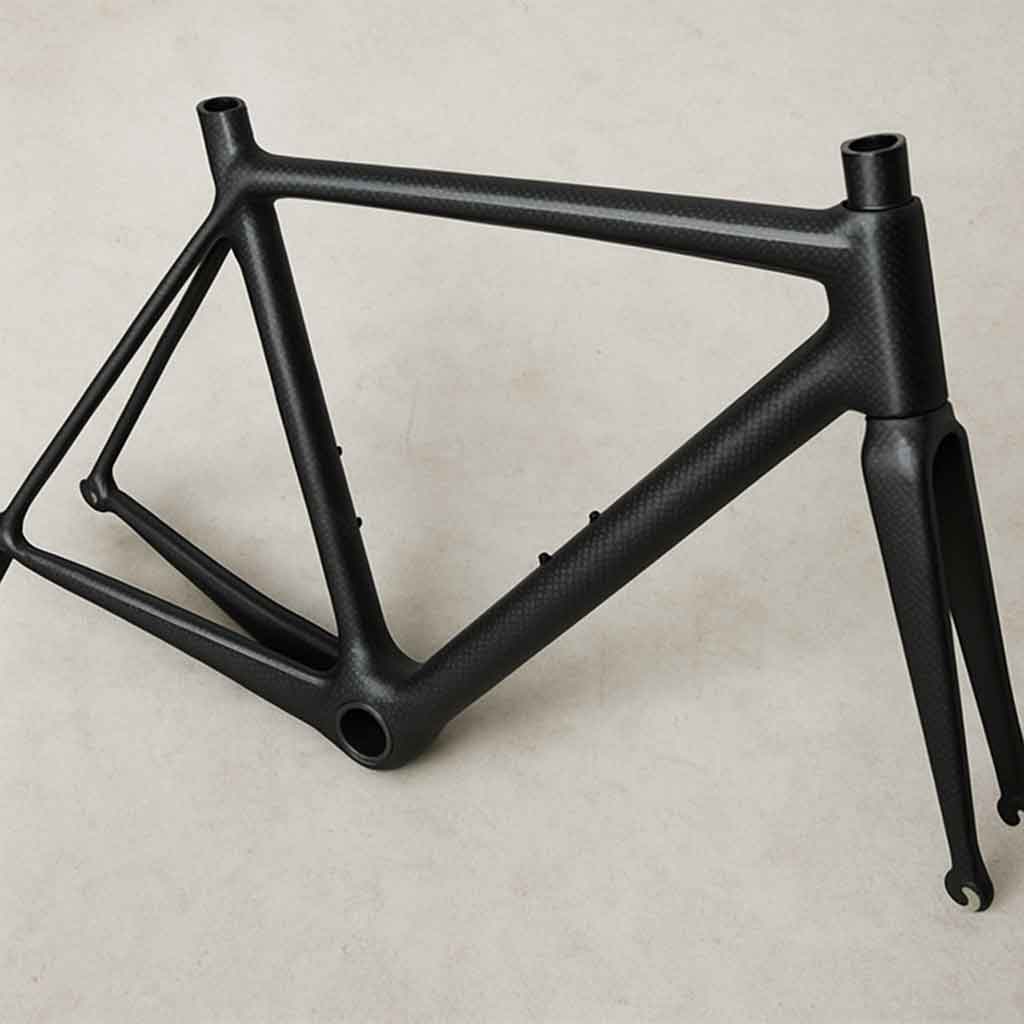

Carbon fiber is celebrated for its strength, lightweight properties, and versatility, making it a popular choice in industries ranging from aerospace to automotive. However, understanding its environmental impact is crucial for those committed to eco-conscious design and sustainable materials.
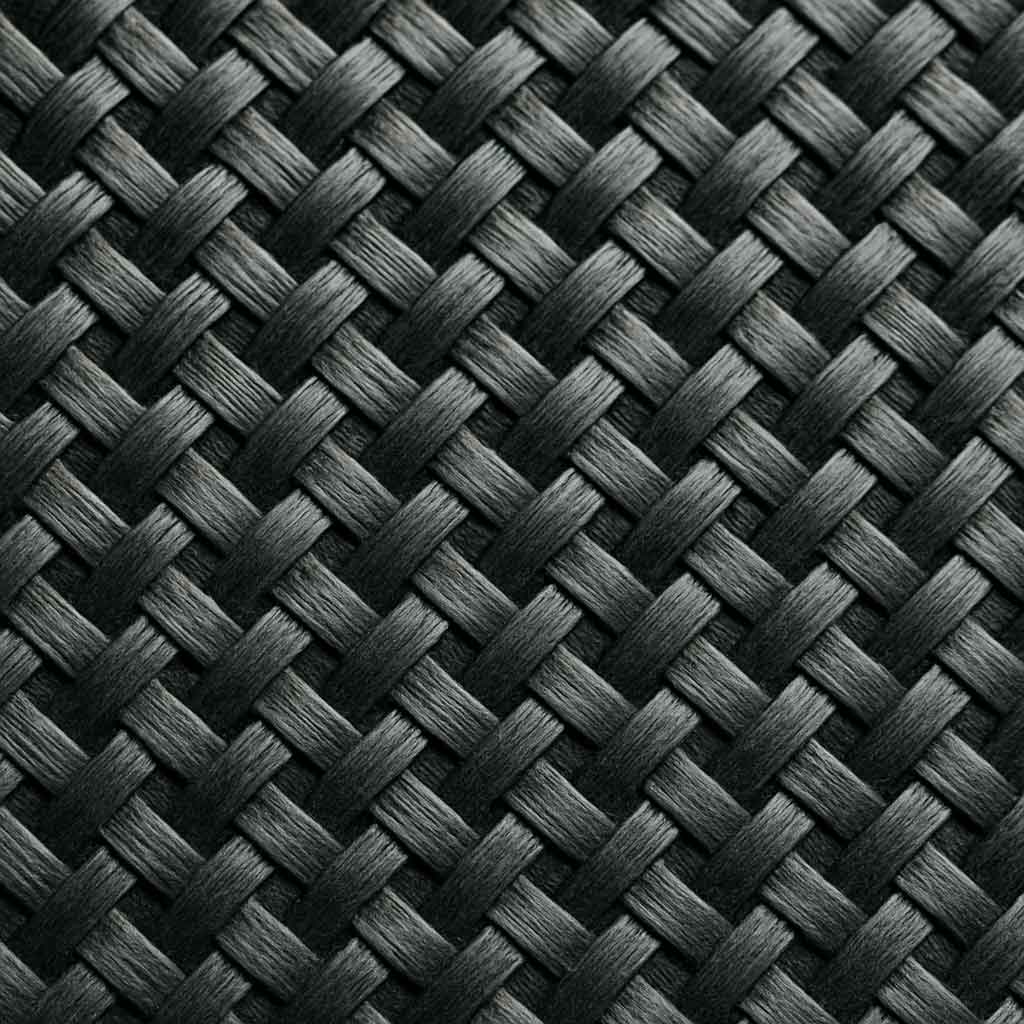
The Carbon Footprint of Carbon Fiber
The production of carbon fiber is energy-intensive, primarily due to the high temperatures required to manufacture it. This process significantly contributes to carbon emissions, raising concerns about its carbon footprint. For industries striving to reduce their environmental effects, considering the energy consumption involved in producing carbon fiber is essential.
Recycling Carbon Fiber
One of the major challenges with carbon fiber is recycling. Unlike metals, carbon fiber is not easily recyclable. However, advancements in recycling technologies are underway to address this issue. Methods such as pyrolysis and solvolysis are being developed to recover fibers from composites, offering hope for more sustainable recycling practices.
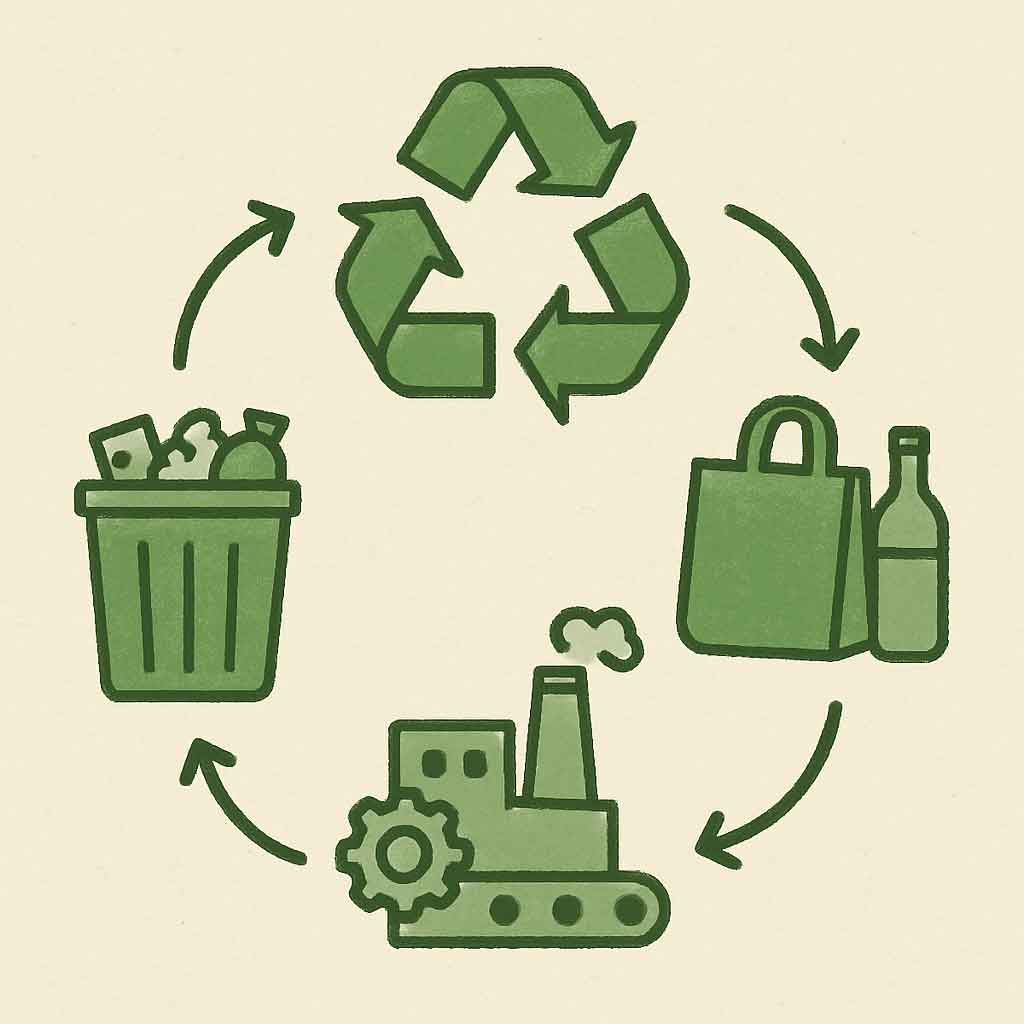
Benefits of Recycling
Recycling carbon fiber can reduce the need for virgin materials, thereby decreasing the associated carbon emissions. It also helps in reducing landfill waste, making it a vital component of green manufacturing strategies.
Eco-Friendly Composites
In response to environmental concerns, manufacturers are exploring eco-friendly composites. These materials blend carbon fiber with sustainable resins and natural fibers to create products with a lower environmental impact. By incorporating sustainable materials, industries can maintain performance standards while promoting material sustainability.
Green Manufacturing Practices
To mitigate carbon fiber's environmental impact, many companies are adopting green manufacturing practices. These include optimizing energy use, utilizing renewable energy sources, and minimizing waste during the production process. By embracing such practices, manufacturers can contribute to a more sustainable future.
The Road Ahead
While carbon fiber offers numerous benefits, balancing these with environmental considerations is essential. By investing in recycling technologies, eco-friendly composites, and green manufacturing practices, industries can reduce the carbon fiber impact. As material sustainability becomes a priority, the demand for innovative solutions will continue to grow, driving advancements in eco-conscious design.
In conclusion, understanding the environmental effects of carbon fiber is the first step toward a more sustainable future. By focusing on reducing its carbon footprint and embracing recycling efforts, industries can play a pivotal role in promoting environmental responsibility.
As we move forward, collaboration among manufacturers, researchers, and policymakers will be key to unlocking the full potential of carbon fiber while safeguarding our planet. The journey toward sustainability is ongoing, and every step counts in creating a greener tomorrow.