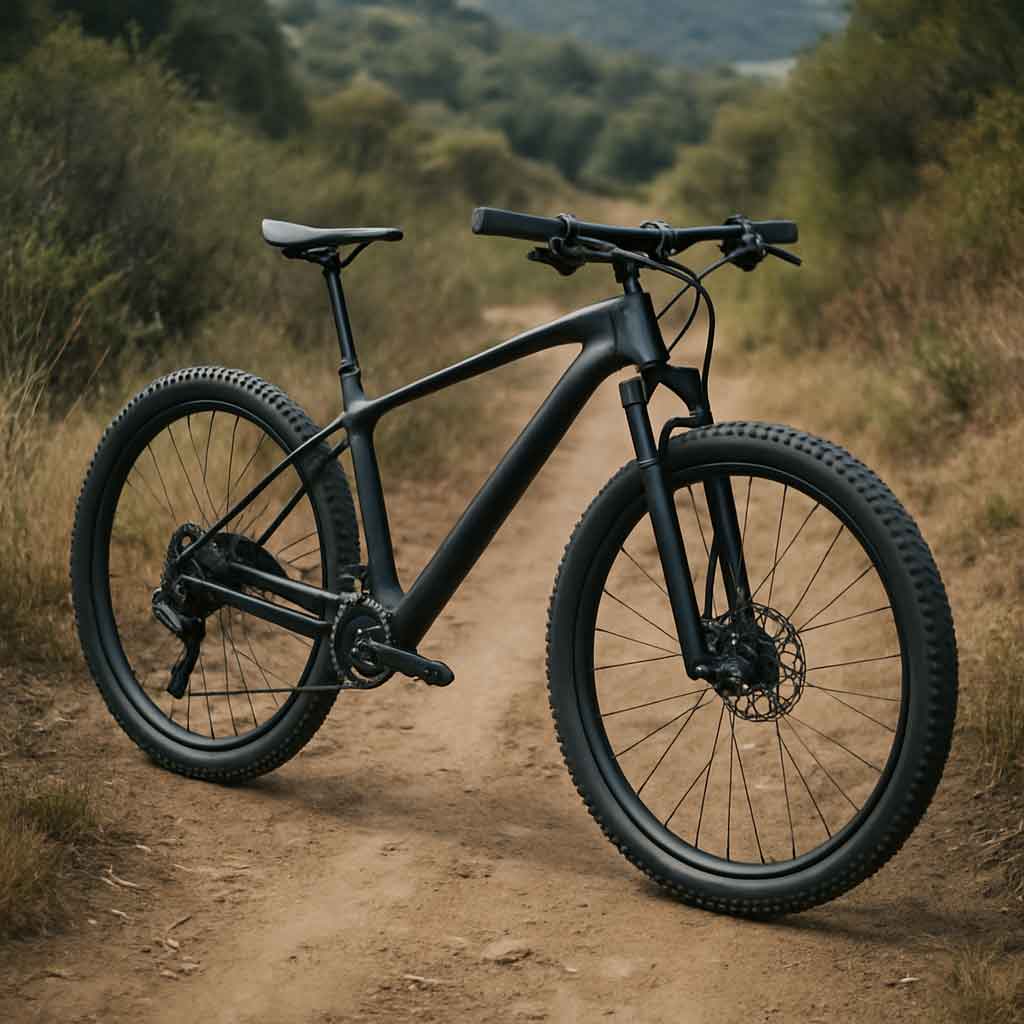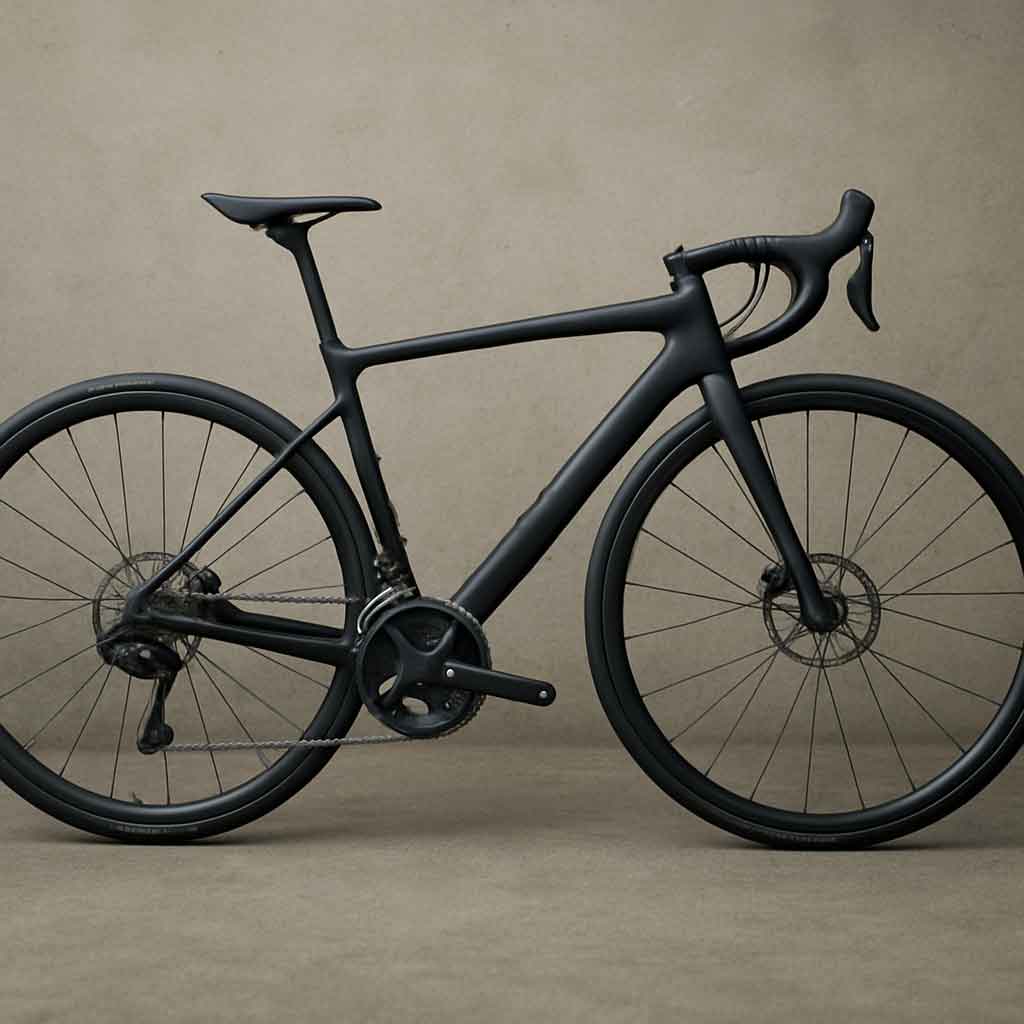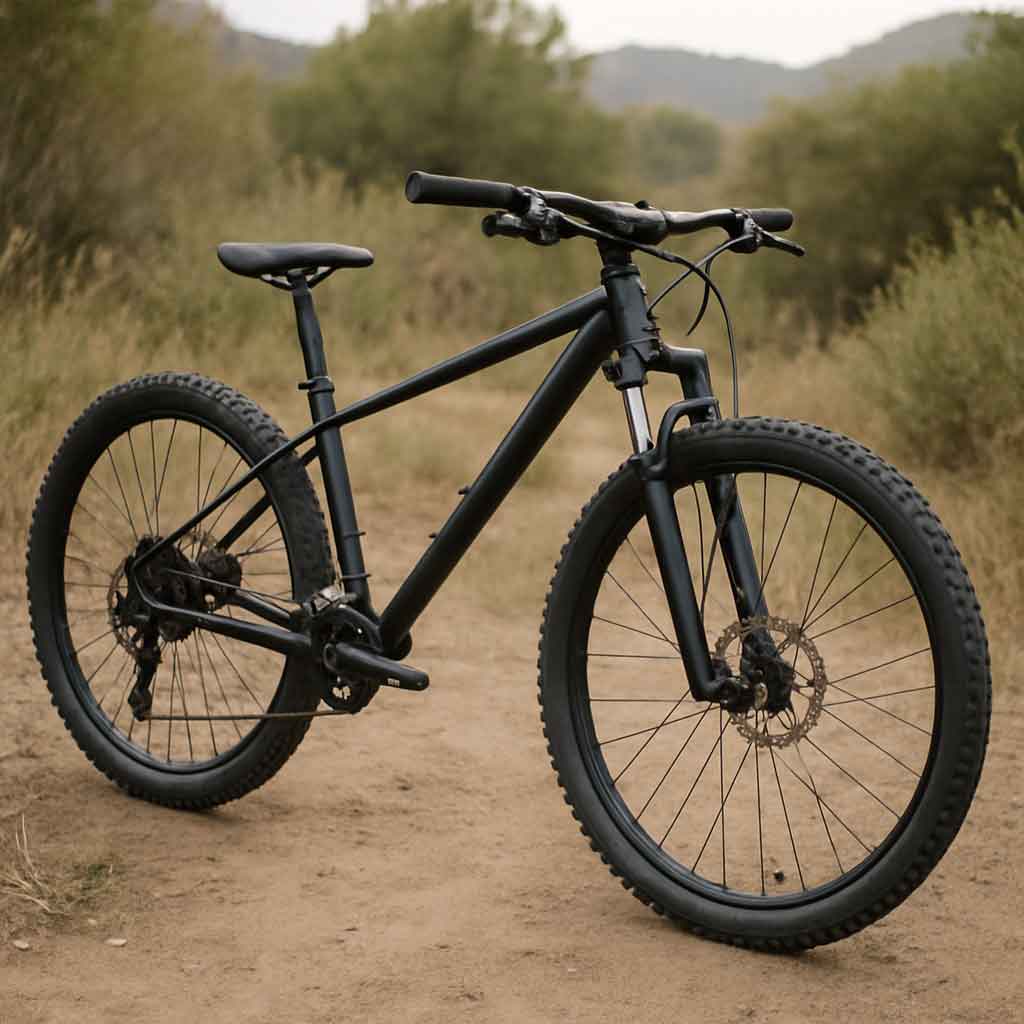

Choosing the right hardtail mountain bike frame is crucial for any biking enthusiast. Whether you're a seasoned rider or just starting, the frame forms the backbone of your bike, influencing everything from comfort to performance. In this guide, we'll break down what you need to consider when selecting the perfect hardtail MTB frame for your needs.
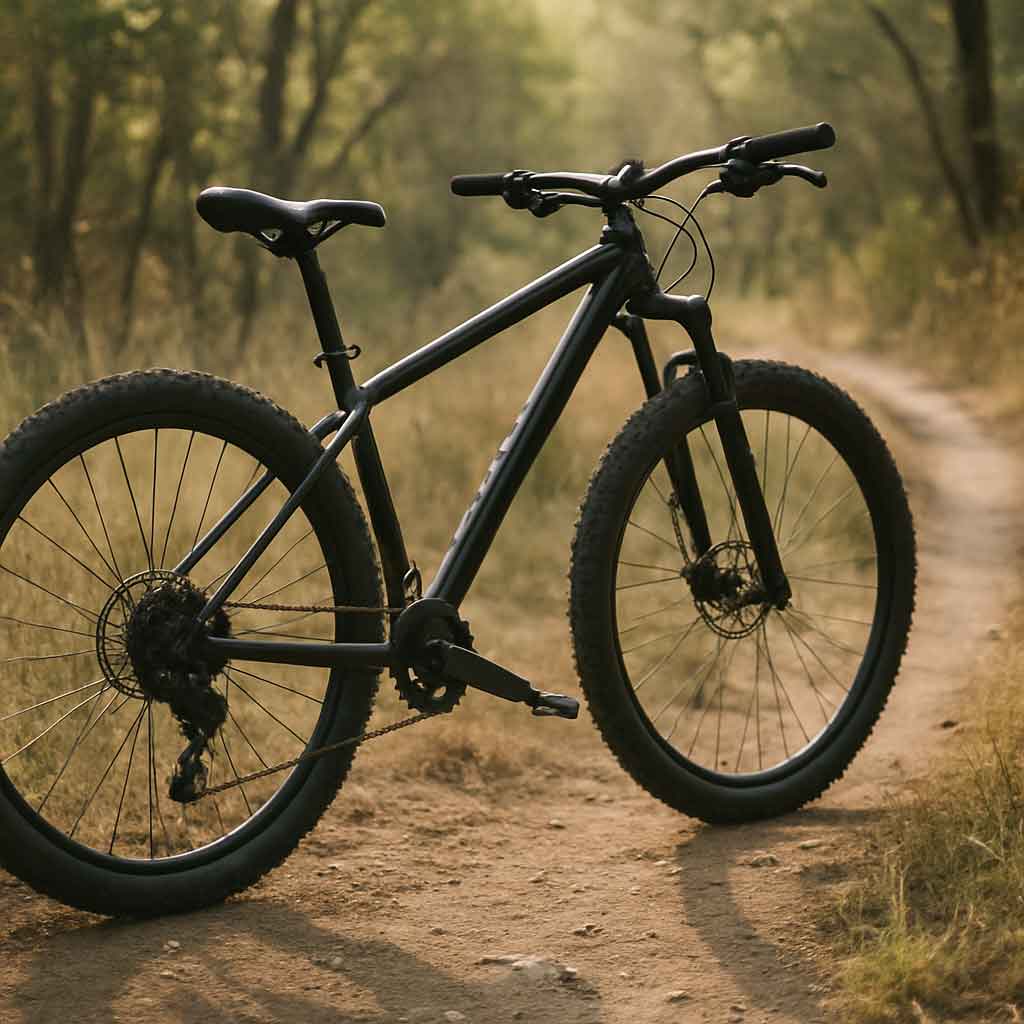
Hardtail mountain bikes, as the name suggests, have a suspension fork at the front but no rear suspension. This makes them lighter and often more affordable than their full-suspension counterparts. They are perfect for cross-country trails and less technical rides. But what makes a hardtail MTB frame the right choice for you?
Benefits of Hardtail Mountain Bikes
- Simplicity: With fewer components, hardtails are easier to maintain.
- Efficiency: They offer better power transfer since there's no rear suspension to absorb energy.
- Weight: Generally lighter, making them ideal for climbing and speed.
Key Considerations When Choosing a Hardtail MTB Frame
When selecting a mountain bike frame, there are several factors to consider to ensure it fits your riding style and needs.
Frame Material
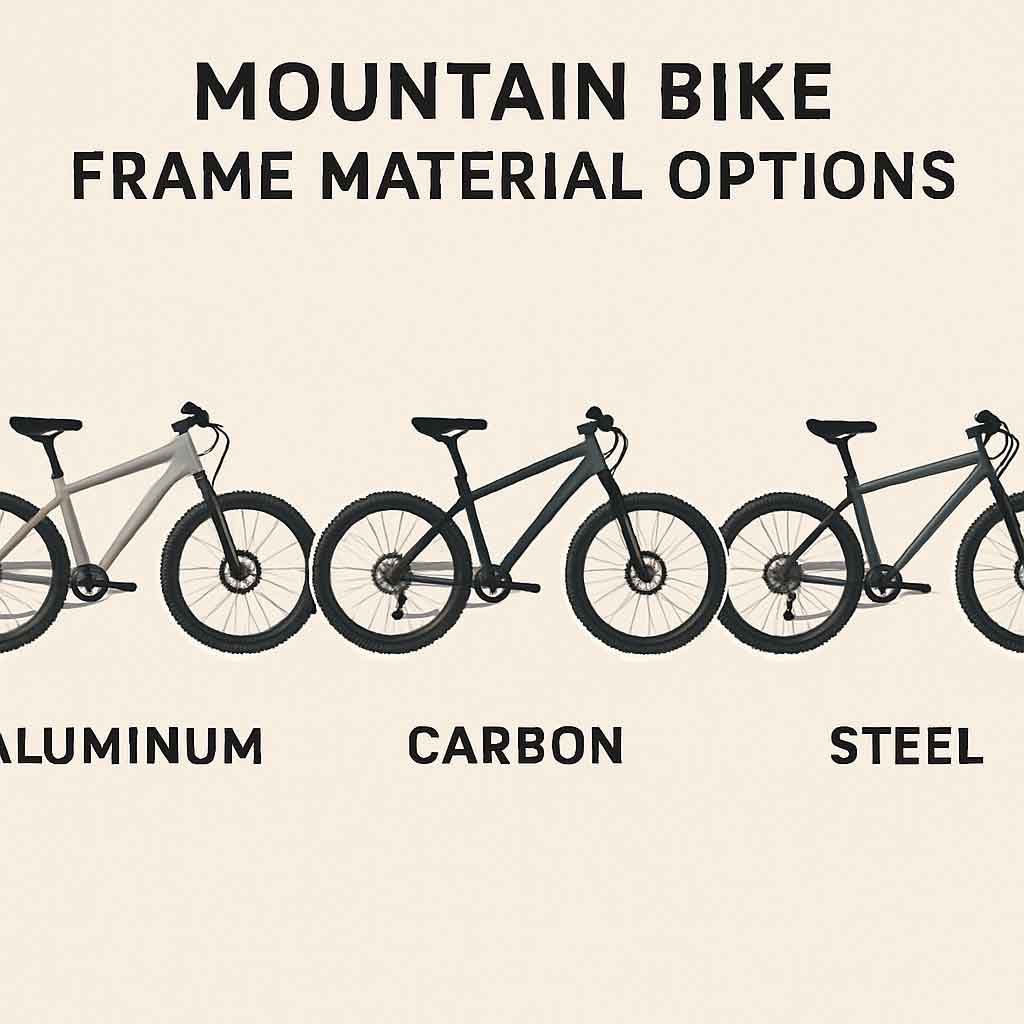
The material of the frame influences weight, durability, and ride feel. Here's a breakdown of common materials:
- Aluminum: Lightweight and affordable, aluminum frames are a popular choice for beginners and intermediate riders. They offer a good balance of strength and weight.
- Carbon Fiber: Known for being light and stiff, carbon frames offer excellent power transfer and a smooth ride. However, they tend to be more expensive.
- Steel: Offers a smooth ride with good durability. Steel frames are heavier but provide a classic feel that's appreciated by many riders.
- Titanium: Combines the strength of steel with the lightness of aluminum. Titanium frames are durable and comfortable but come at a premium price.
Geometry
The geometry of a bike frame affects handling and comfort. Key aspects to consider include:
- Head Tube Angle: A steeper angle (around 69-70 degrees) is ideal for cross-country and climbing, while a slacker angle (65-68 degrees) offers more stability on descents.
- Seat Tube Angle: A steeper seat tube angle places the rider more over the pedals, which is beneficial for climbing.
- Reach and Stack: These measurements determine how stretched out or upright you'll be. A longer reach is generally better for aggressive riding, while a shorter stack height is more comfortable for long rides.
Frame Size
Selecting the correct frame size is vital for comfort and performance. Most manufacturers provide size charts based on height, but also consider your inseam length for a more tailored fit. A professional bike fitting can ensure the best fit.
Additional Features to Consider

by Acelane Bikes (https://unsplash.com/@acelanebikes)
Mounting Points
Consider if you need extra mounting points for accessories such as water bottles, racks, or fenders. This is particularly important for bikepacking or long-distance rides.
Dropouts
The type of dropouts (where the wheels attach to the frame) can affect the bike's versatility. Thru-axle dropouts offer more stiffness and are becoming standard on modern hardtails, providing better handling.
Internal Cable Routing
Many modern frames offer internal cable routing, which protects cables from the elements and gives the bike a cleaner look. However, it can make maintenance slightly more complex.
Popular Hardtail MTB Frame Choices
Santa Cruz Chameleon
The Santa Cruz Chameleon is known for its versatility. With adjustable dropouts, it can easily switch between geared and single-speed setups. It's made from aluminum, making it a durable choice for all kinds of terrain.
Trek Roscoe
The Trek Roscoe is an excellent choice for those new to mountain biking. It features a comfortable geometry that is forgiving for beginners, with a robust aluminum frame that can handle a variety of trails.
Specialized Fuse
The Specialized Fuse is designed for playful riding. It has a longer top tube and a short chainstay, making it agile on technical trails. The frame is made from M4 aluminum, providing a sturdy yet responsive ride.
Niner Air 9
For those seeking a carbon frame, the Niner Air 9 offers a lightweight and stiff option. It's perfect for cross-country racing, with a geometry that emphasizes speed and efficiency.
Final Thoughts
Choosing the right hardtail mountain bike frame involves considering your riding style, terrain preferences, and personal comfort. A good frame is an investment that will enhance your riding experience and longevity on the trails. By understanding the different materials, geometries, and additional features, you can make an informed decision that will keep you pedaling with confidence and joy.
Remember, the right frame for someone else might not be the right frame for you, so take the time to test ride different options if possible. Happy trails!