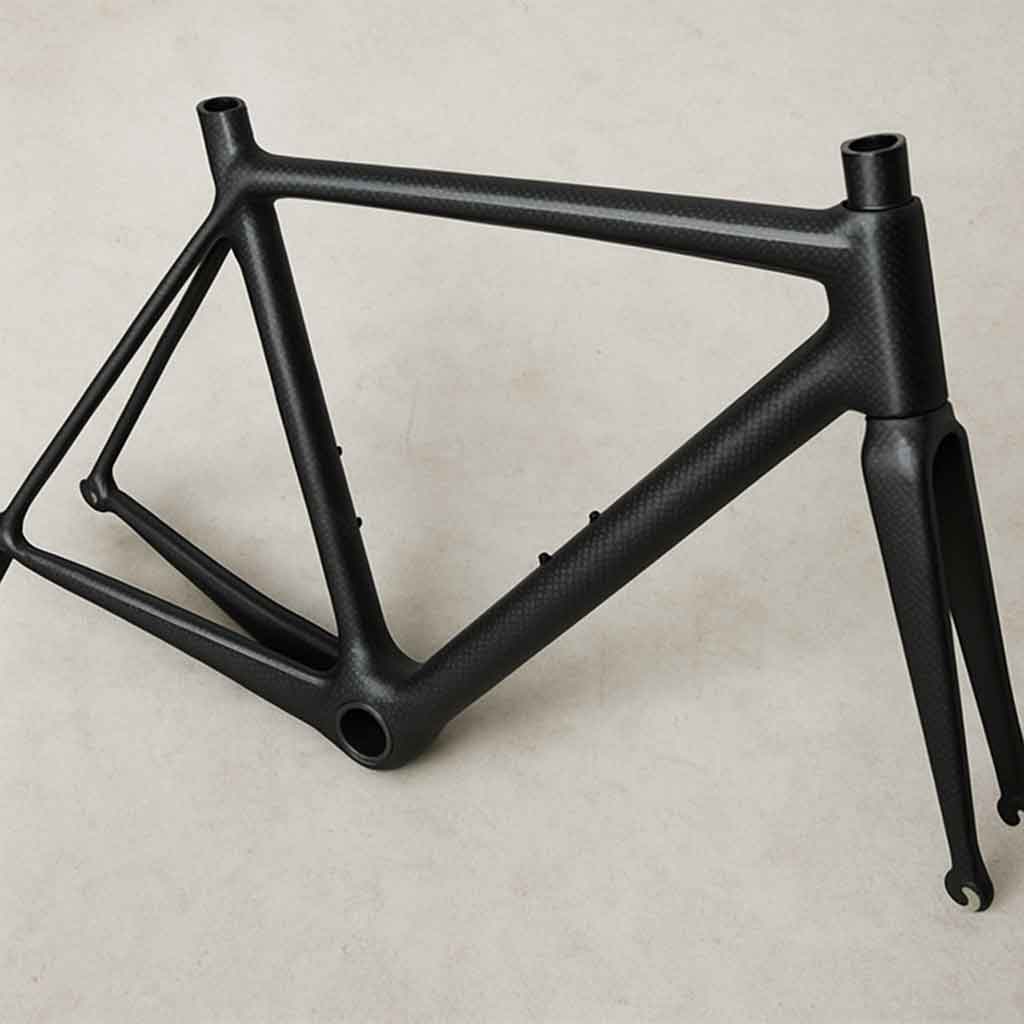

Carbon fiber bike frames are popular because they can combine low weight, tuned stiffness, ride comfort, aerodynamic shaping, and modern design flexibility. This guide explains the main advantages of carbon frames and how to choose the right frame for road, gravel, MTB, or e-bike use.
When choosing a bicycle frame, material matters. Aluminum, steel, titanium, and carbon fiber can all make good bikes, but carbon fiber gives engineers more freedom to control weight, stiffness, compliance, tube shape, and frame layout. This is why modern performance bikes often use carbon fiber for frames, forks, seatposts, handlebars, and rims.
The Main Advantages of Carbon Fiber Bike Frames
1. Lightweight Design
One of the biggest advantages of carbon fiber is its low weight. A lighter frame can make climbing easier, acceleration faster, and long rides less tiring. For road racing and endurance riding, saving frame weight can help the bike feel more responsive and efficient.
Weight is also important for gravel and mountain bikes, especially when riders need to climb, carry gear, or handle rough terrain. However, the best carbon frame is not simply the lightest one. It should balance weight with stiffness, strength, comfort, and durability.
For road-focused builds, you can explore Mondince carbon road bike frames.
2. High Strength-to-Weight Ratio
Carbon fiber has an excellent strength-to-weight ratio. This means a frame can be light while still being strong enough for demanding riding conditions. In a bicycle frame, carbon layers can be added or adjusted in high-stress areas such as the bottom bracket, head tube, chainstays, fork crown, and suspension or motor mounting zones.
Carbon frames do not dent like aluminum or steel, but they can be damaged by sharp impact, crashes, or incorrect assembly. A well-made carbon frame should be supported by proper layup design, controlled molding, quality inspection, and testing.
3. Tuned Stiffness and Ride Comfort
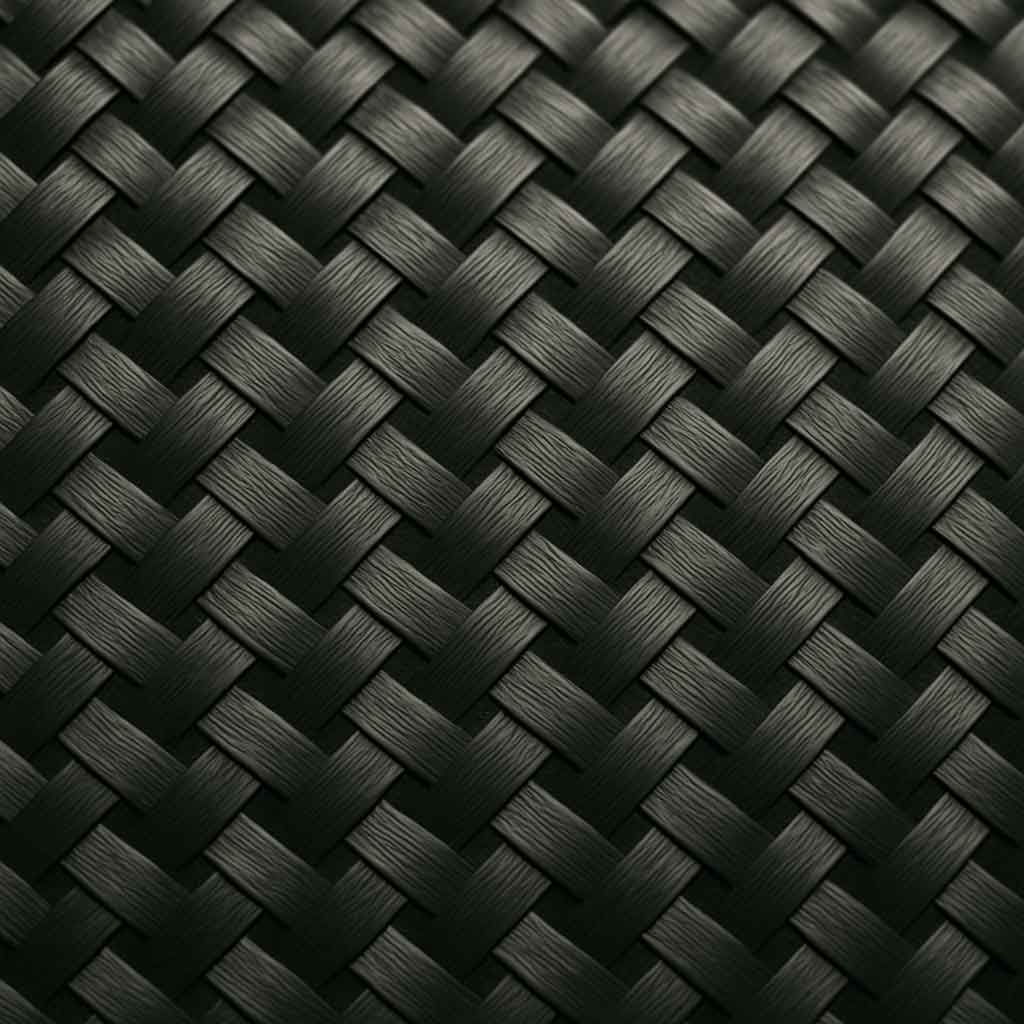
Carbon fiber is directional, which means engineers can tune how the frame behaves in different areas. The bottom bracket and chainstays can be made stiff for pedaling efficiency, while the seat stays and fork can be designed to reduce vibration and improve comfort.
This is especially useful for carbon gravel bike frames, where riders need power transfer on smooth roads and comfort on rough gravel. For a deeper material explanation, read our carbon fiber bike frame guide.
4. Aerodynamic Tube Shapes
Carbon fiber can be molded into complex tube shapes that are difficult to create with metal materials. This allows frame designers to improve aerodynamics, integrate cable routing, refine fork and head tube shapes, and create cleaner frame profiles.
Aero shaping is especially important for road frames and fast gravel frames. The goal is not only to reduce drag, but also to keep the frame practical, serviceable, and stable in real riding conditions.
5. Customization and OEM Flexibility
Carbon fiber is also valuable for OEM and custom frame projects. Different layup structures, paint schemes, decals, geometry options, and frame specifications can be developed for different brands and markets.
Mondince supports OEM carbon frame customization, including custom paint, brand decals, geometry discussions, and product positioning support for bike brands, distributors, and frame builders.
Carbon Fiber Compared with Other Frame Materials
| Material | Main Advantage | Main Limitation | Best Use |
|---|---|---|---|
| Carbon Fiber | Low weight, tunable stiffness, aero shaping, comfort control | Requires careful manufacturing and impact inspection | Performance road, gravel, MTB, e-bike, OEM frames |
| Aluminum | Affordable, light, easy to produce | Less tunable ride feel and tube shaping | Entry-level and mid-range bikes |
| Steel | Durable, classic ride feel, repairable | Heavier than carbon and aluminum | Touring, city, classic custom bikes |
| Titanium | Corrosion resistance, long service life, premium ride feel | High cost and limited aero shaping | Premium endurance and adventure bikes |
What to Check Before Buying a Carbon Fiber Frame
Frame Purpose
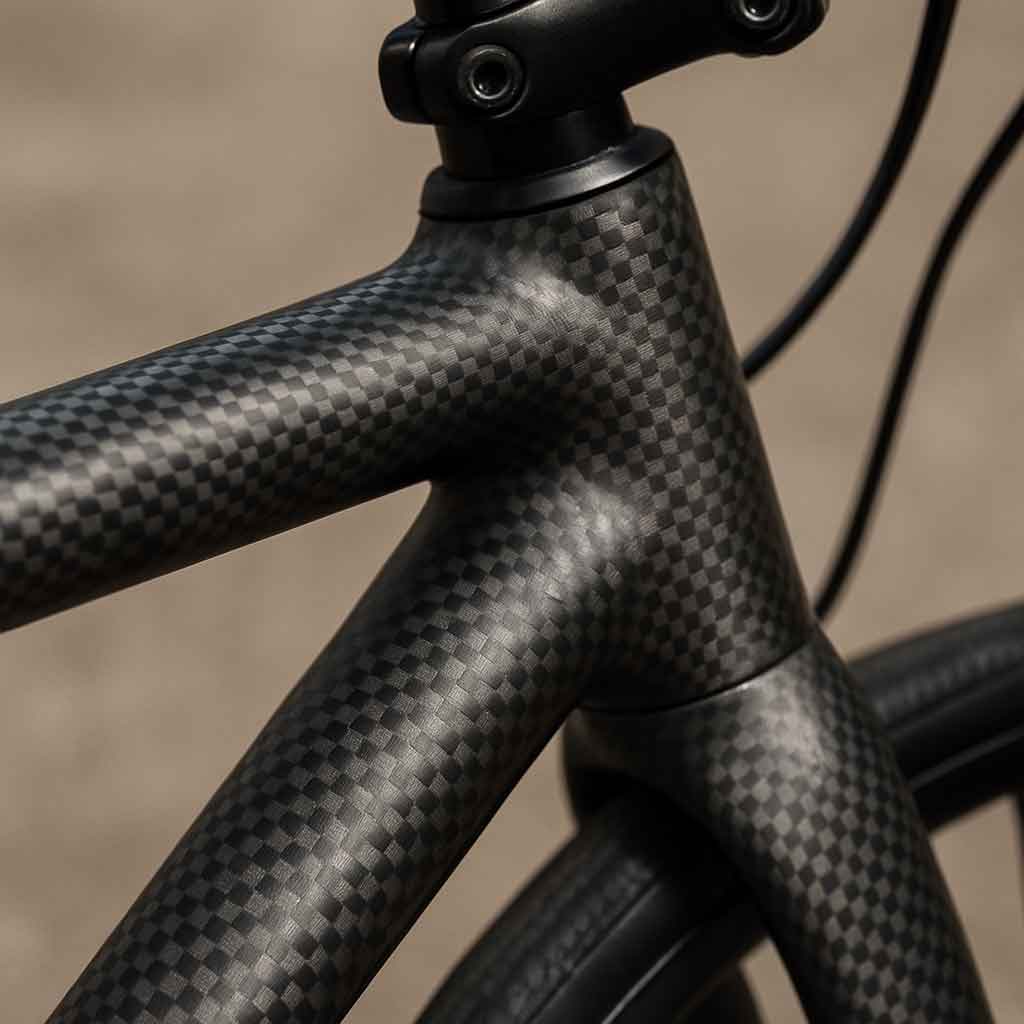
Choose the frame according to the riding style. A road frame, gravel frame, MTB frame, and e-bike frame have different geometry, reinforcement points, tire clearance, and component requirements.
- Road bike frames focus on weight, stiffness, and aerodynamics.
- Gravel bike frames need tire clearance, comfort, and mounting points.
- Carbon MTB frames require impact resistance and suspension compatibility.
- E-bike frames must consider motor systems, battery integration, and reinforced structure.
Carbon Grade and Layup
Carbon grade matters, but it should not be judged alone. T700, T800, T1000, and T1100 carbon fibers can all be useful depending on the target weight, stiffness, and cost. The layup schedule and molding quality often matter more than a single material label.
For more detail, read our T800 vs T1000 carbon fiber bike frame guide and Toray carbon gravel frame material guide.
Testing and Certification
A carbon frame should be tested for strength, fatigue, impact resistance, and production consistency. Testing helps reduce risk for riders, bike shops, and OEM brands. You can review Mondince testing and compliance information on the certification page.
Maintenance and Inspection
Carbon frames should be installed with correct torque values and inspected after heavy crashes or sharp impacts. Avoid overtightening seatposts, stems, and clamps. If damage is suspected, check the frame carefully before riding again.
Conclusion
Carbon fiber bike frames offer a strong combination of light weight, tuned stiffness, ride comfort, aerodynamic design, and customization flexibility. For performance riders and OEM customers, the real value of carbon fiber comes from the complete system: material grade, layup design, molding process, geometry, and testing.
If you are choosing a carbon bike frame, start with the riding purpose first. Then compare geometry, tire clearance, stiffness, comfort, and certification. You can explore Mondince carbon bike frames or contact Mondince for model recommendations and OEM support.