

A carbon road bike frame can make a road bike lighter, more responsive, more aerodynamic, and more comfortable on long rides. This guide explains the main benefits of carbon road frames and what riders, bike shops, and OEM customers should check before choosing one.
Choosing the right road bike frame has a direct effect on how the bike climbs, accelerates, handles, and feels over distance. Aluminum, steel, titanium, and carbon fiber can all be used for road bikes, but carbon fiber has become the dominant material for modern performance road frames because it gives engineers more control over weight, stiffness, tube shape, and ride comfort.
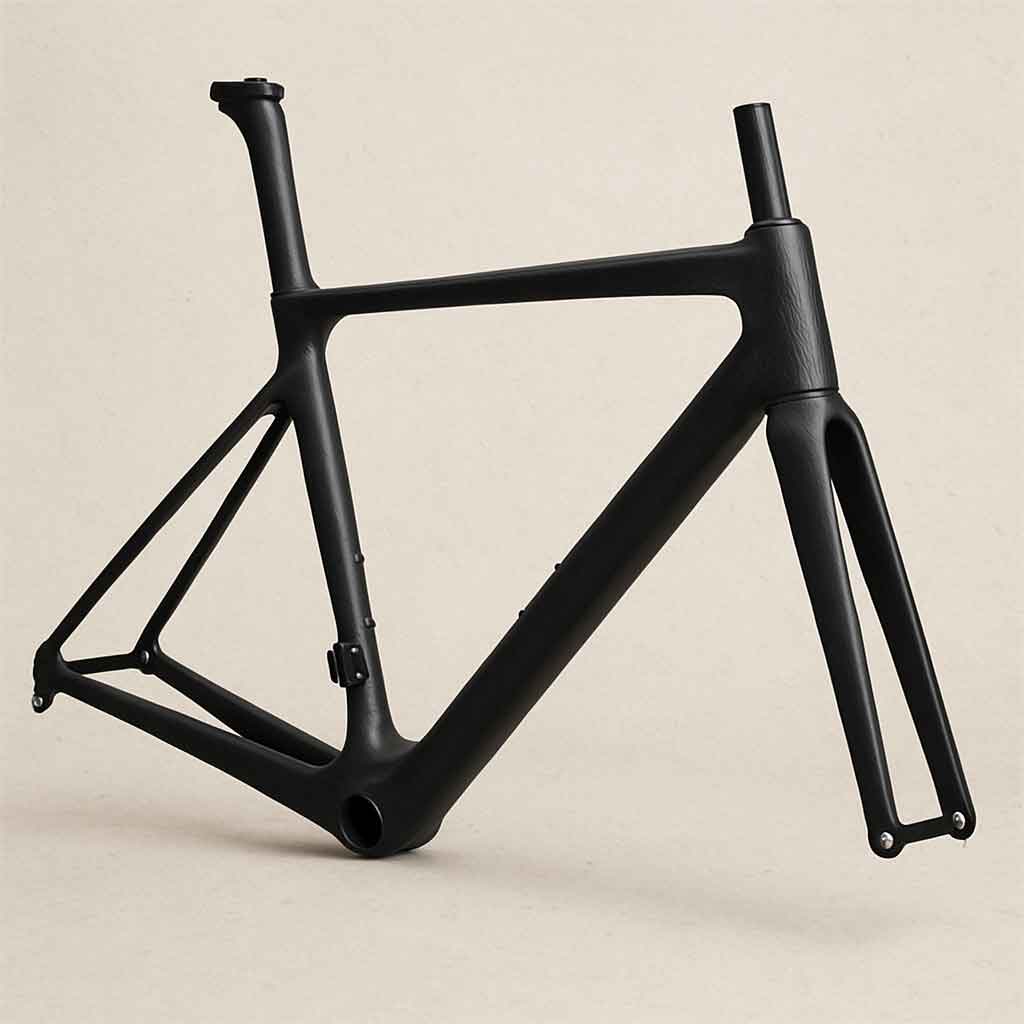
Lightweight Performance: Climb Faster and Accelerate Quicker
One of the biggest advantages of a carbon road bike frame is low weight. A lighter frame helps the bike feel more responsive when climbing, accelerating, and changing pace. This matters for competitive road racing, endurance riding, and riders who want a more efficient bike for long-distance routes.
High-quality carbon road frames can be designed with a strong structure while keeping the frame weight low. However, the best frame is not always the lightest one. A good road frame should balance low weight with stiffness, durability, geometry, and ride quality.
You can compare Mondince models on the carbon road bike frame collection.
Efficient Power Transfer
A road bike frame needs to feel efficient when the rider pushes hard on the pedals. Carbon fiber allows engineers to reinforce the bottom bracket, chainstays, head tube, and fork area so the frame can transfer power effectively without unnecessary flex.
This is especially useful during climbing, sprinting, and fast group rides. A well-designed carbon road frame can feel stiff under power while still offering enough comfort for longer rides.
For more detail about carbon fiber grades and stiffness, read our T800 vs T1000 carbon fiber bike frame guide.
Comfort and Vibration Damping
Comfort is important for road cycling, especially on long rides, rough pavement, and endurance events. Carbon fiber can help reduce road vibration because the layup can be tuned in different areas of the frame. The seat stays, fork, and top tube can be designed to reduce harsh feedback while the bottom bracket remains efficient.
This is one reason carbon frames are widely used not only in racing bikes, but also in endurance road bikes. A comfortable frame can reduce fatigue and help riders maintain speed for longer.
Aerodynamic Tube Shaping
Carbon fiber can be molded into complex shapes that are difficult to achieve with metal materials. This gives frame designers more freedom to create aerodynamic down tubes, seat tubes, forks, head tubes, and integrated cable routing systems.
For road bikes, aerodynamic efficiency can be important at higher speeds. The goal is not only to make the frame look fast, but to reduce drag while keeping the bike stable, serviceable, and comfortable.
Durability and Testing
Carbon road bike frames are strong when they are properly designed, manufactured, and tested. A good frame should be engineered to handle pedaling forces, braking loads, road vibration, and normal riding stresses over time.
Carbon does not dent like aluminum or steel, but it can be damaged by sharp impact, crashes, overtightened parts, or incorrect assembly. This is why testing, quality control, and correct installation are important.
Mondince carbon frames are developed with strength, fatigue, and quality control in mind. You can review related information on the certification page.
Customization for OEM and Brand Projects
Carbon fiber also gives more flexibility for OEM projects. A road frame can be developed with custom paint, brand decals, different layup targets, geometry discussions, and market-specific specifications. This makes carbon road frames suitable for bike brands, distributors, shops, and custom builders.
Mondince supports OEM carbon frame customization, including custom paint, geometry discussions, and branding support.
Carbon Road Bike Frame vs Other Materials
| Material | Main Advantage | Main Limitation | Best For |
|---|---|---|---|
| Carbon Fiber | Low weight, tuned stiffness, aero shaping, comfort control | Needs careful manufacturing and inspection after impact | Performance road, endurance, aero, and OEM frames |
| Aluminum | Affordable and relatively light | Less comfort tuning and less aero shaping freedom | Entry-level and mid-range road bikes |
| Steel | Classic ride feel and easy repairability | Heavier than carbon and aluminum | Touring, classic builds, and custom steel bikes |
| Titanium | Corrosion resistance and long service life | High cost and limited aero shaping | Premium endurance and all-road bikes |
What to Check Before Choosing a Carbon Road Frame
- Frame type: Decide whether you need an aero road frame, lightweight climbing frame, or endurance road frame.
- Geometry: Check reach, stack, wheelbase, head tube angle, and fit before choosing a size.
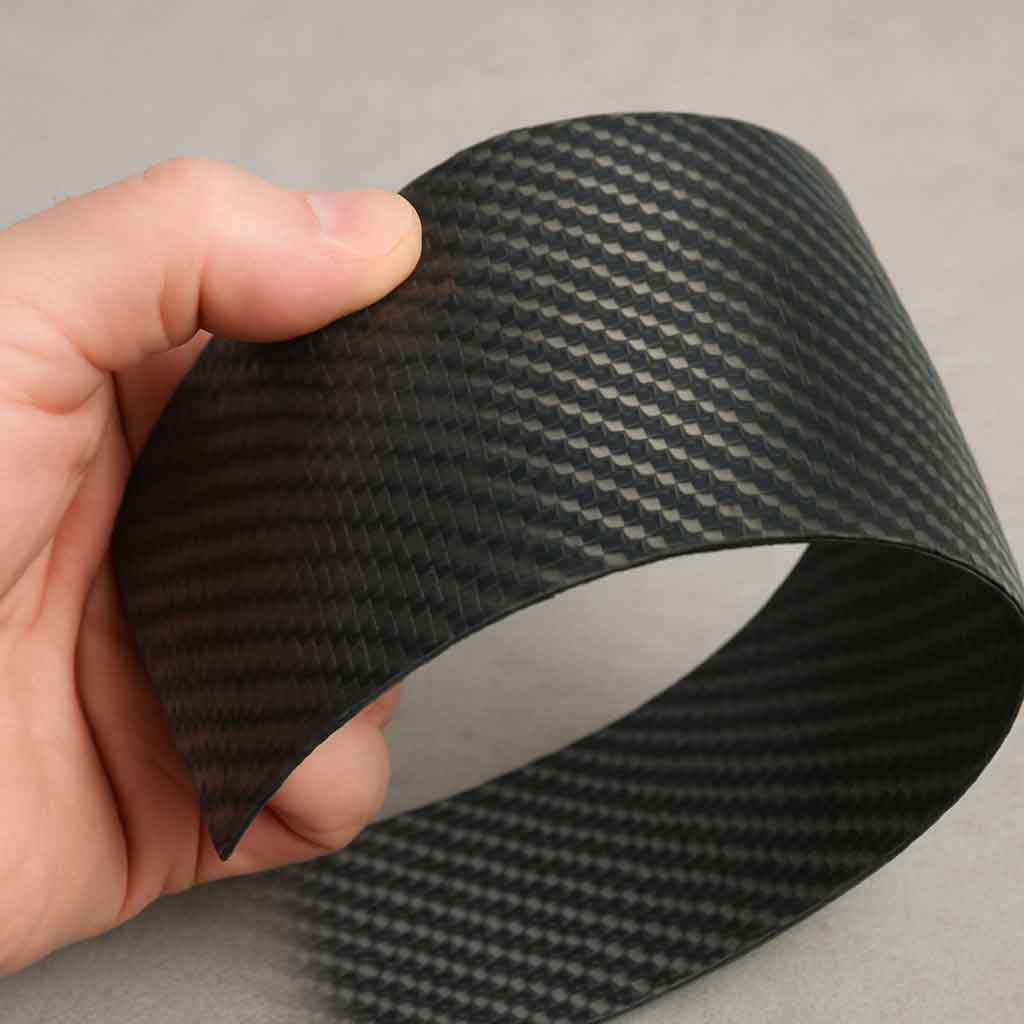
- Carbon grade: T700, T800, T1000, and mixed layups can all be suitable depending on the design target.
- Bottom bracket: Consider stiffness, maintenance, and component compatibility.
- Cable routing: Fully internal routing looks clean, but serviceability should also be considered.
- Tire clearance: Modern road frames often allow wider tires for better comfort and control.
- Testing: Check whether the frame has proper strength and fatigue testing.
If you are unsure about frame size, use the bike frame size calculator as a starting point.
Is a Carbon Road Bike Frame Right for You?
A carbon road bike frame is a strong choice if you want a lighter, faster, and more efficient road bike. It is especially suitable for riders who care about climbing, speed, long-distance comfort, and modern integrated design.
For bike brands and shops, carbon road frames also provide a strong OEM platform because they can support custom paint, model positioning, and different build levels.
Conclusion
A carbon road bike frame offers a strong balance of low weight, efficient power transfer, ride comfort, aerodynamic shaping, and customization flexibility. The best choice depends on your riding style, frame geometry, carbon layup, component compatibility, and testing standards.
Explore Mondince carbon road bike frames, compare other carbon bike frame categories, or contact Mondince for OEM frame recommendations.


