Welcome to Mondince Bike - A well-known factory specialized in produce carbon bike frame and other parts since 2007.


Choosing the Right Mountain Bike Size
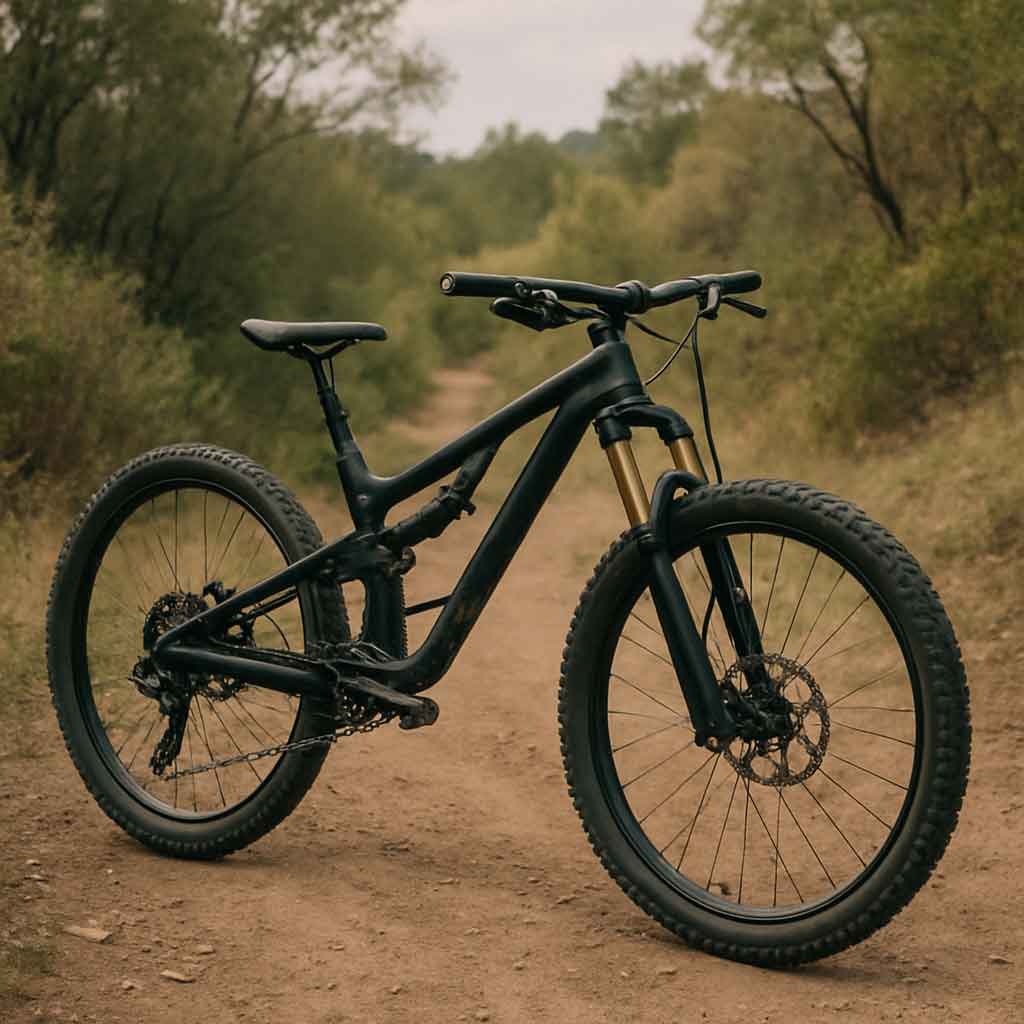
Selecting the right mountain bike size is crucial for both comfort and performance. Whether you're a seasoned rider or a beginner, ensuring your bike fits well can make all the difference in your biking experience. In this comprehensive guide, we'll explore everything you need to know about mountain bike sizing, including frame sizes, wheel sizes, and how to measure your bike properly. Remember, the perfect fit can enhance your cycling experience, offering both safety and efficiency on the trails.
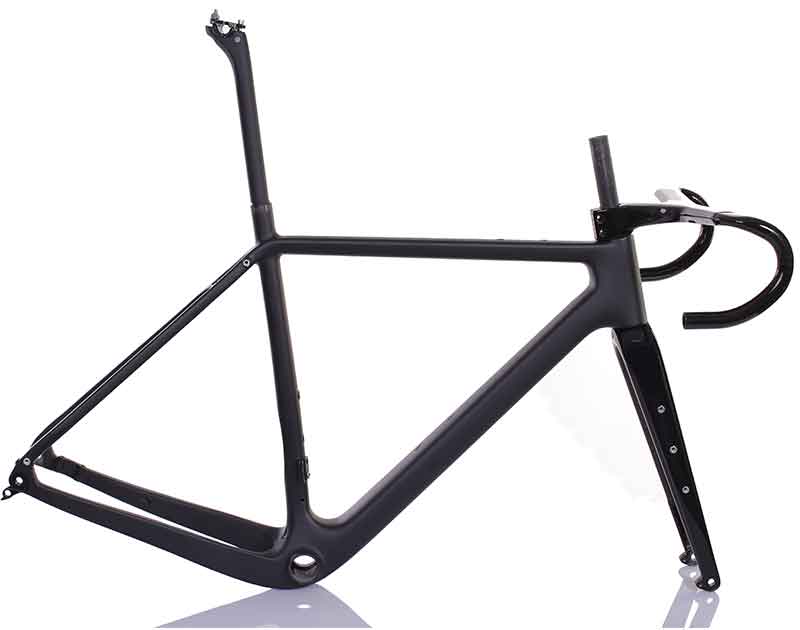
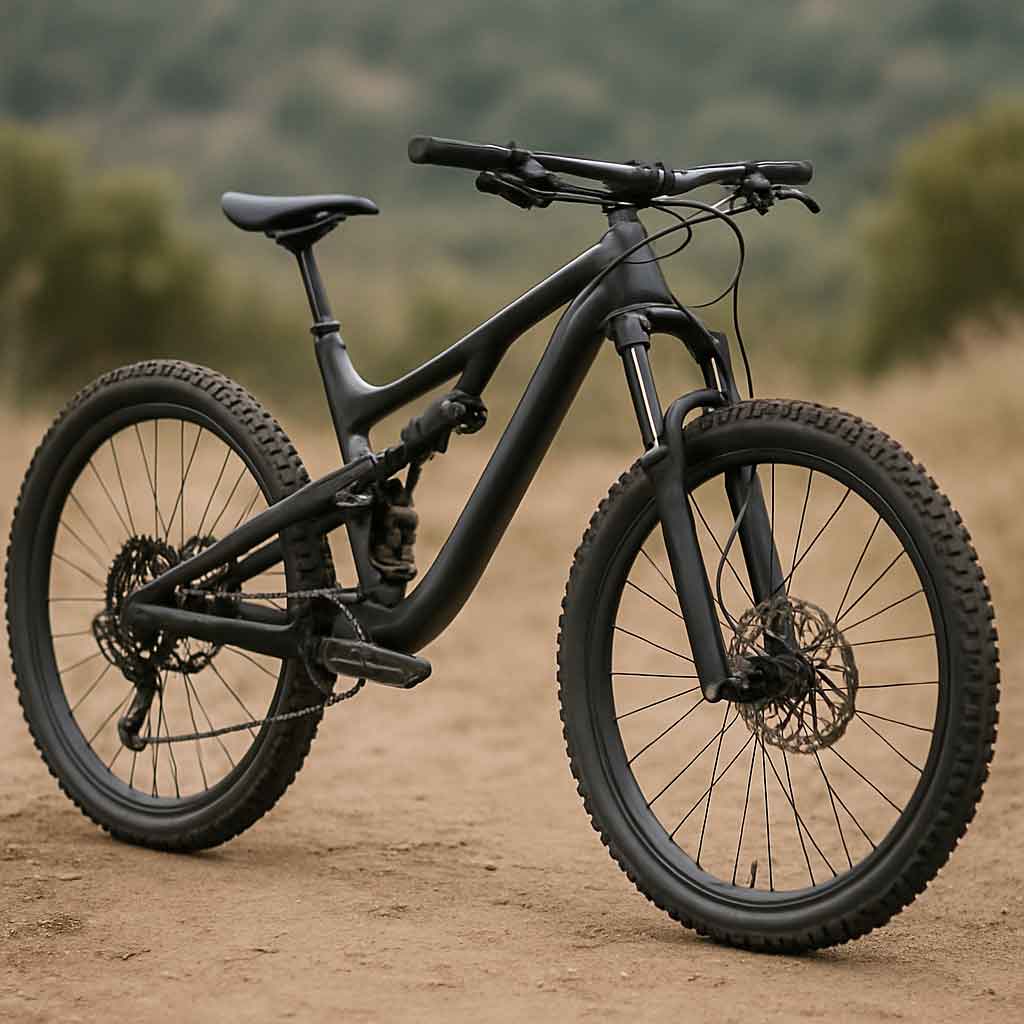
Mountain bike frame sizes are the foundation of finding the perfect fit. These sizes are typically measured in inches and refer to the length of the seat tube. Common sizes include 13, 15, 17, 19, 21, and 23 inches. Each size is designed to cater to a specific range of rider heights and body proportions, ensuring comfort and control while riding.
Accurate frame measurements are essential for tailoring a mountain bike to your body. When the frame size matches your physical dimensions, you'll experience better balance and handling. This is especially important when navigating challenging terrains, as a well-fitted bike enhances your ability to maneuver. Moreover, an appropriately sized frame reduces the risk of injury by promoting a natural riding posture.
Understanding common frame sizes can help you narrow down your choices. For instance, a 13-inch frame is generally suitable for very petite riders or children, offering them control and comfort. A 15-inch frame is ideal for shorter adults or teens, providing a good balance between agility and stability. On the other end of the spectrum, a 23-inch frame is designed for exceptionally tall riders, ensuring they have ample legroom and reach.
To measure a mountain bike frame size, you'll need a tape measure. Measure the length from the center of the bottom bracket (where the pedals rotate) to the top of the seat tube. This measurement will give you the frame size in inches. It's a straightforward process, but accuracy is crucial, as even a small discrepancy can affect your riding experience. Ensure the bike is on level ground and the tape measure is taut for the most precise measurement.
A mountain bike size chart can be a helpful tool in determining the right frame size based on your height. Here's a basic guide:
| Rider Height | Suggested Frame Size | |---------------|----------------------| | 4'10" - 5'2" | 13" - 15" | | 5'2" - 5'6" | 15" - 17" | | 5'6" - 5'10" | 17" - 19" | | 5'10" - 6'2" | 19" - 21" | | 6'2" - 6'4" | 21" - 23" | | 6'4" and up | 23" and up |
Using this chart as a reference point can guide you in the right direction, but remember that individual body proportions and personal comfort should also be considered.
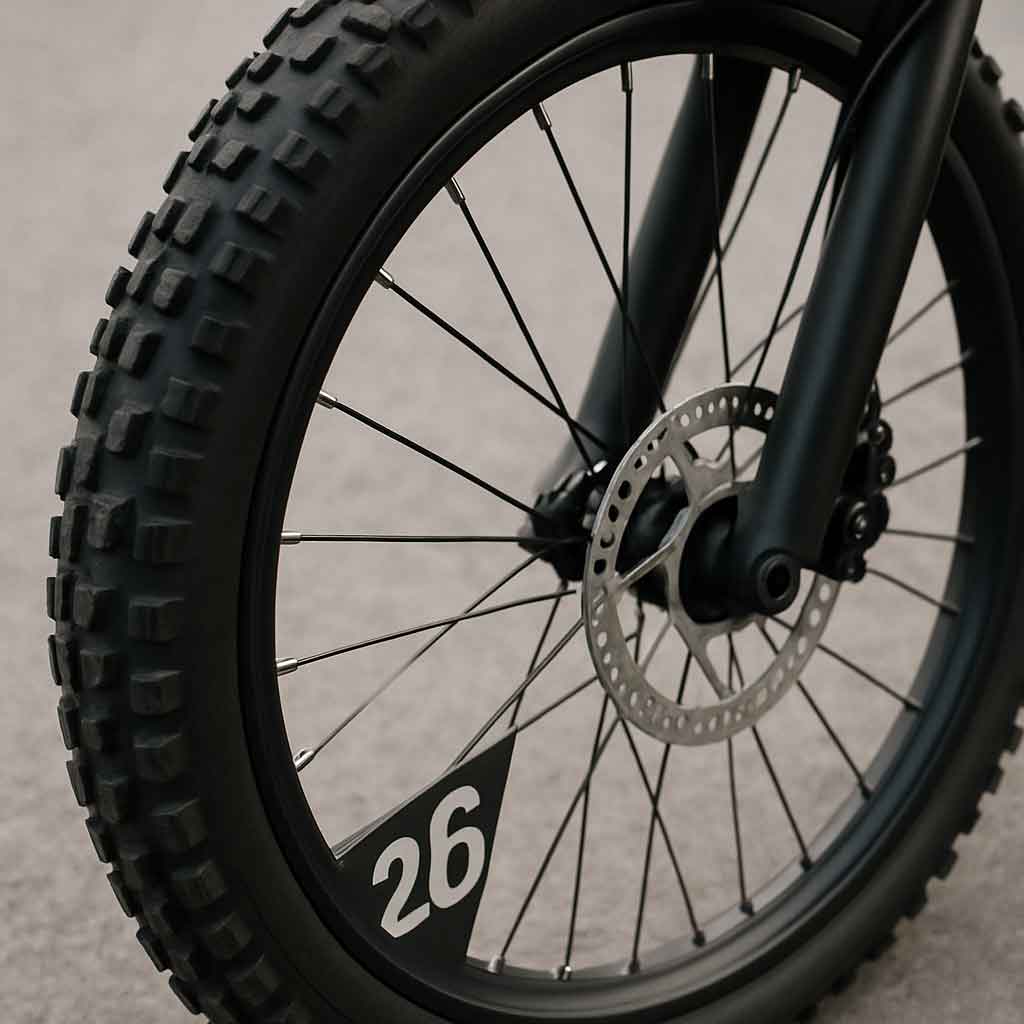
Wheel size is another critical factor in mountain biking. The most common wheel sizes are 26-inch, 27.5-inch, and 29-inch. Each offers unique advantages and affects how the bike handles different types of terrain. Choosing the right wheel size can significantly impact your riding efficiency and enjoyment.
26-inch wheels are traditional in mountain biking and have been a staple for many years. They offer excellent maneuverability, making them ideal for tight, technical trails. Riders often find them easier to accelerate, which is beneficial in dynamic trail situations. However, they may not roll over obstacles as smoothly as larger wheels, which is something to consider based on your typical riding conditions.
Often considered a middle ground, 27.5-inch wheels provide a balance of speed and control. They're suitable for riders seeking versatility, offering a compromise between the nimble handling of 26-inch wheels and the rolling efficiency of 29-inch options. These wheels excel in varied terrain, making them a popular choice for trail riders who encounter both climbs and descents.
29-inch wheels, also known as "29ers," are popular for their ability to cover ground quickly and maintain momentum. They are well-suited for cross-country and endurance trails, where efficiency and speed are paramount. The larger wheel size helps in rolling over obstacles with ease, providing a smoother ride over rough terrain. However, they may require more effort to initiate movement, which can affect quick handling in tight spaces.
A bike with 29-inch wheels typically has a longer overall length than those with smaller wheels, impacting how it handles. The total length can vary based on the frame design but generally ranges from 68 to 74 inches. This extended length can offer stability at high speeds, making it a favorite for experienced riders. However, it might be less agile in very tight trail sections, which is an important consideration for technical riders.
While sizing charts and guidelines are helpful, personal preference and riding style also play significant roles in selecting the perfect bike size. Your riding goals and the type of trails you frequent should guide your decision-making process, ensuring that your bike complements your unique cycling style.
Your riding style greatly influences the best bike size for you:
- Cross-Country (XC): If you prefer long-distance rides on smoother trails, a larger frame with 29-inch wheels might be ideal. This setup emphasizes speed and endurance, allowing you to cover more ground efficiently.
- Trail Riding: For a mix of climbing and descending, a mid-sized frame with 27.5-inch wheels can offer versatility. This configuration is adaptable, providing a good balance for varied terrains.
- Downhill: If you're focused on downhill racing, a smaller frame and 26-inch wheels might give you the control you need. The nimble handling of this setup is beneficial for navigating rapid descents and sharp turns.
Your comfort on a bike is paramount. Ensure the bike feels right when you test ride it. You should be able to stand over the top tube with a few inches of clearance and reach the handlebars without straining. A comfortable fit minimizes fatigue and maximizes enjoyment, encouraging longer and more frequent rides. Don't hesitate to make adjustments or try different bikes until you find the one that feels perfect.
Test rides are invaluable in the bike selection process. Visiting a local bike shop and trying different sizes can provide insights that charts and measurements alone cannot. Pay attention to how each bike feels, especially during turns and climbs. Remember, adjustments can be made to the seat height and handlebar position to fine-tune the fit. Consulting with bike shop professionals can also offer valuable insights based on your riding style and preferences.
For those considering a hybrid bike for both on-road and off-road use, frame size charts differ slightly. Hybrid bikes are designed to offer versatility, combining features from both road and mountain bikes. This makes them a great option for riders who enjoy a mix of terrains and riding styles.
| Rider Height | Suggested Hybrid Frame Size | |---------------|-----------------------------| | 4'10" - 5'2" | 13" - 15" | | 5'2" - 5'6" | 15" - 17" | | 5'6" - 5'10" | 17" - 19" | | 5'10" - 6'2" | 19" - 21" | | 6'2" - 6'4" | 21" - 23" | | 6'4" and up | 23" and up |
This chart serves as a general guideline, but individual preferences and physical proportions should also be taken into account.
Determining the right mountain bike size requires a combination of measurements and personal testing. Here's a step-by-step guide:
Stand against a wall with your feet 6-8 inches apart. Use a book to simulate a bike seat and measure from the ground to the top of the book. This is your inseam length. This measurement is critical as it helps determine the frame size that will provide optimal comfort and performance. An accurate inseam measurement ensures that you can pedal efficiently and maintain control.
Visit a local bike shop and test ride several sizes. Pay attention to how each feels, especially during turns and climbs. A test ride allows you to experience firsthand how different frame sizes affect your riding comfort and handling. It’s essential to focus on how the bike feels during the ride, ensuring that it doesn’t strain your back or legs.
Bike shop professionals can offer valuable insights based on your riding style and preferences. They can help interpret your measurements and guide you towards a bike that fits your needs. Experts often have firsthand experience with various bike models, and their recommendations can be invaluable. Don’t hesitate to ask questions and seek their advice for a tailored fit.
Remember, adjustments can be made to the seat height and handlebar position to fine-tune the fit. Customizing these components can significantly enhance comfort and performance. Even after purchasing a bike, you might need to tweak these settings as you become more familiar with your riding style and preferences. Regular adjustments ensure that your bike continues to meet your needs as you evolve as a rider.
Choosing the right mountain bike size is a critical step in ensuring a comfortable and enjoyable ride. By understanding frame sizes, wheel sizes, and personal preferences, you can make an informed decision. Remember, the best bike for you is one that fits well and feels right when you ride it. The right fit enhances your experience, allowing you to focus on the thrill of the ride rather than discomfort.
Whether you're tackling rugged trails or enjoying a leisurely ride, the right mountain bike size can enhance your experience and keep you coming back for more adventures. Investing time in finding the perfect fit is an investment in your overall cycling enjoyment and safety.






 Jack Ding

