Welcome to Mondince Bike - A well-known factory specialized in produce carbon bike frame and other parts since 2007.


How to Measure for Mountain Bike Fit
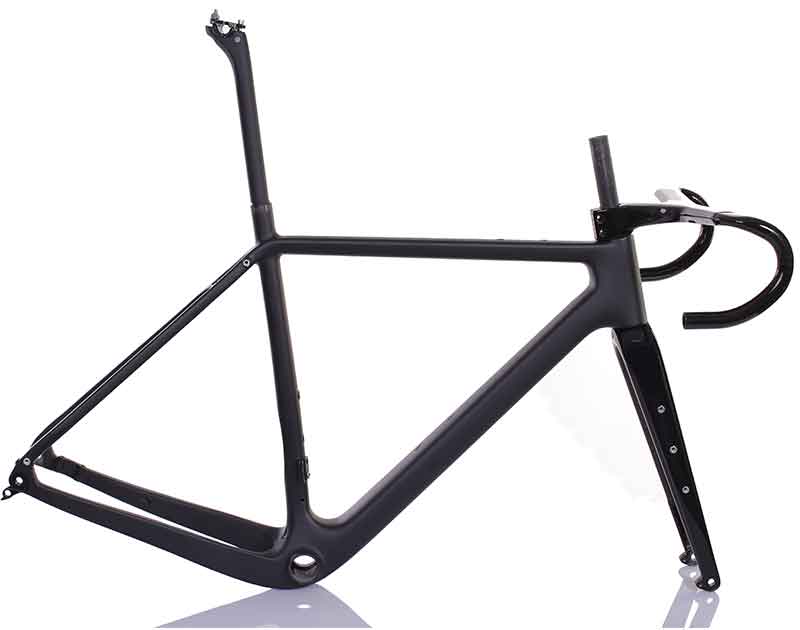
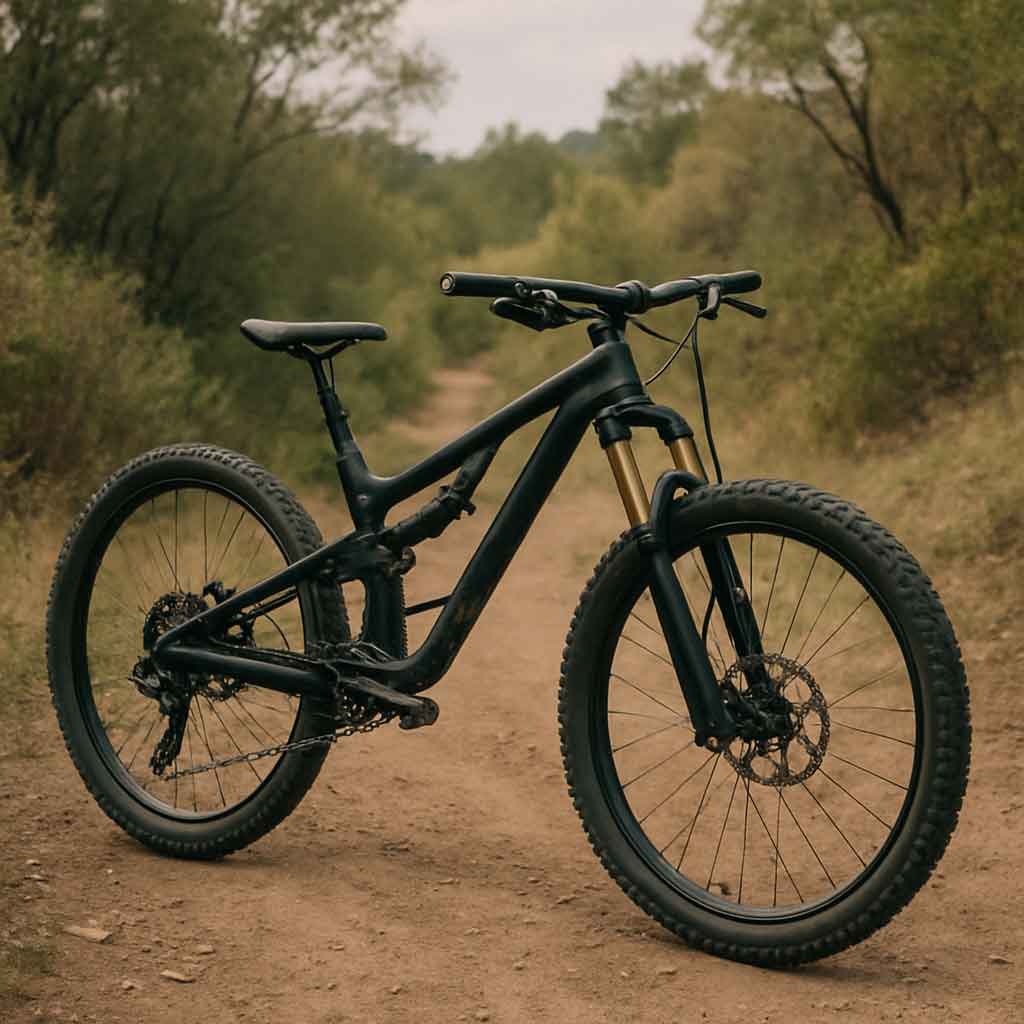
Mountain bike frame sizes are typically measured in inches, ranging from small to extra-large. These measurements usually refer to the length of the seat tube, which is the tube that runs from the bottom bracket to the seat post. This measurement is fundamental as it affects the bike's overall geometry, influencing both comfort and handling. Common sizes include 13-inch, 15-inch, 17-inch, 19-inch, 21-inch, and 23-inch frames, and the right frame size can make a world of difference in your riding experience.
Each frame size correlates with a rider's height, but it's important to remember that this is just a starting point. The frame's top tube length, which affects reach, and the standover height, which determines clearance, are also crucial considerations. These factors, along with personal preference, can help fine-tune the fit. Understanding these measurements ensures that you not only ride comfortably but also maintain control and efficiency on various terrains.
To choose the right frame size, it's helpful to refer to a mountain bike size chart. While sizes may vary slightly between brands, the general sizing guidelines are as follows:
- 13-15 inches: Best for riders 4'10" to 5'2"
- 15-17 inches: Suitable for riders 5'2" to 5'6"
- 17-19 inches: Fits riders 5'6" to 5'10"
- 19-21 inches: Ideal for riders 5'10" to 6'1"
- 21-23 inches: For taller riders above 6'1"
These guidelines provide a baseline, but it's always wise to consider additional factors such as arm length and flexibility. Moreover, different brands might have slightly different geometries, so testing a few bikes within your size range can help you find the best fit. Understanding these basic size guidelines can help you start on the right path to selecting the perfect bike.
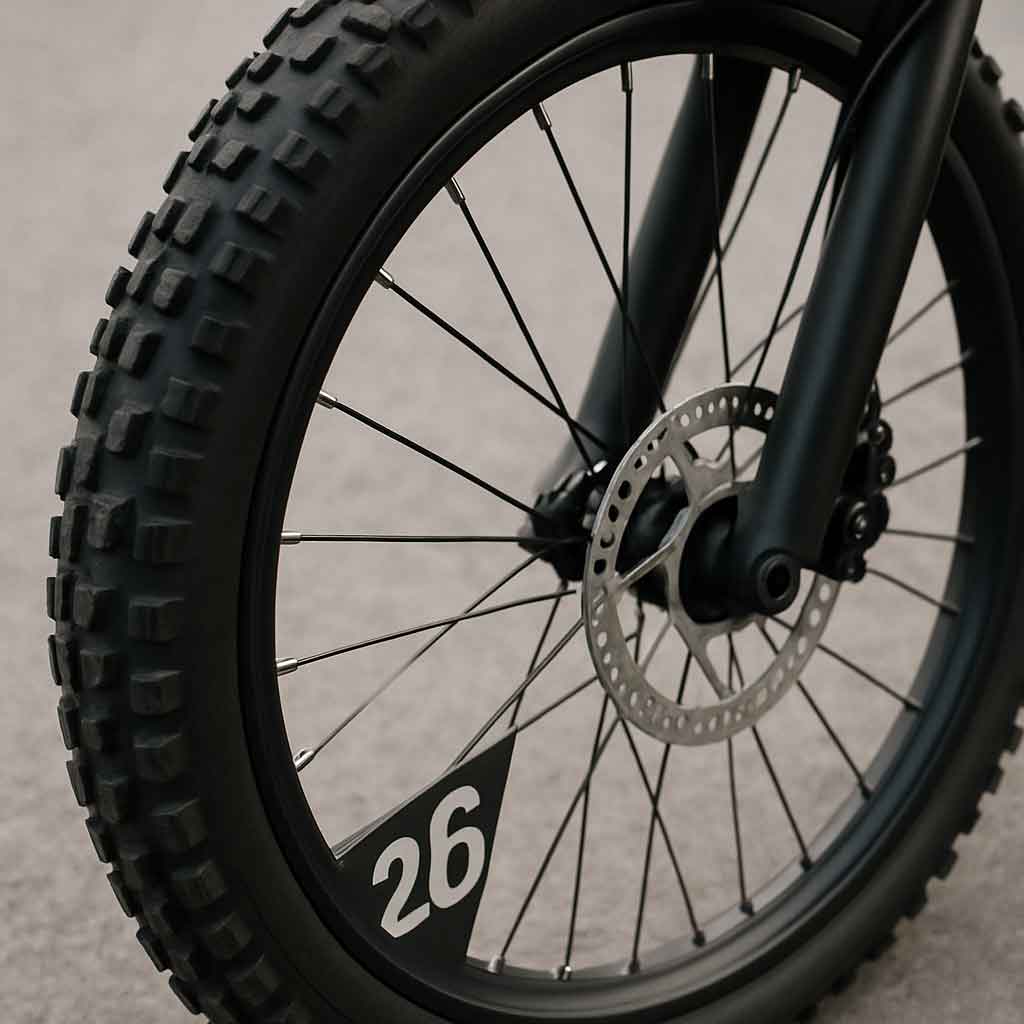
Wheel size is another critical factor in choosing the right mountain bike. The common wheel sizes are 26-inch, 27.5-inch, and 29-inch. Each size has its advantages and is suited for different types of riding. The choice of wheel size can greatly influence your bike's performance, affecting everything from speed and traction to maneuverability and comfort.
The debate over wheel size is ongoing in the mountain biking community, with each size offering distinct benefits. Smaller wheels generally provide quicker acceleration and more precise handling, making them a favorite for technical trails. On the other hand, larger wheels offer better momentum and can roll over obstacles with ease, making them ideal for longer rides and rough terrains. Understanding these differences will help you choose a wheel size that complements your riding style and the terrains you'll most frequently encounter.
- 26-inch Wheels: These are traditional mountain bike wheels, offering great maneuverability and acceleration. They are ideal for technical trails and riders who prefer a nimble bike. This size is often recommended for riders who enjoy quick, responsive handling and frequent tight turns.
- 27.5-inch Wheels: Also known as 650B, these wheels strike a balance between the agility of 26-inch wheels and the stability of 29-inch wheels. They are versatile and suitable for a wide range of trails. This size is gaining popularity as it provides a good compromise between speed and maneuverability, making it a versatile choice for various types of trails.
- 29-inch Wheels: Often referred to as "29ers," these wheels roll over obstacles more easily and maintain speed better, making them ideal for cross-country and long-distance rides. They are perfect for riders who prioritize momentum and efficiency, especially on longer rides. When considering wheel size, think about the type of terrain you'll be riding most often and your personal riding style.
To determine the best mountain bike size for you, you'll need to measure your inseam and height. These measurements will help you identify the most comfortable and efficient bike size. Proper measurements ensure that you have the right standover height and reach, both of which are crucial for a comfortable and safe ride.
Accurate measurements provide a solid foundation for selecting a bike, but remember that personal comfort should always take precedence. While numbers can guide you, how you feel on the bike is the ultimate test. It's not uncommon for riders to prefer a slightly different size based on their riding style or specific needs, so don't hesitate to adjust based on personal preference.
- Stand with your back against a wall, feet about 6 inches apart.
- Place a book between your legs, with its spine firmly against your crotch.
- Measure from the floor to the top of the book spine. This measurement is your inseam.
Your inseam is crucial for determining the correct frame size and ensuring you have enough clearance when riding. It's important to be precise in this measurement, as even a slight variation can affect bike fit. The right inseam measurement helps ensure that you can comfortably straddle your bike without any discomfort or risk of injury.
Once you have your inseam measurement, you can use it to estimate the ideal frame size. A general rule of thumb is to multiply your inseam by 0.66 to get the frame size in inches. For example, an inseam of 30 inches would suggest a frame size of approximately 19.8 inches.
This calculation provides a good starting point, but remember that it's not an exact science. Factors like torso length and arm reach can also influence the ideal frame size. It's always a good idea to test ride a few different sizes before making a final decision, as comfort and handling can vary.
While measurements are a great starting point, personal preference and riding style can influence your final choice. Some riders prefer a smaller frame for better maneuverability, while others may opt for a larger frame for stability.
Consider how you plan to use your bike; for example, if you're into aggressive trail riding, a smaller frame might offer the agility you need. Conversely, if long-distance comfort is your priority, a slightly larger frame could provide the stability and comfort you seek. Ultimately, the best fit is one that feels right for you and enhances your riding experience.
For those considering a hybrid bike, which combines features of road and mountain bikes, frame size selection is also important. Hybrid bikes typically have a slightly different sizing chart, reflecting their dual-purpose design. These bikes offer the best of both worlds, allowing for comfortable rides on various surfaces.
- 15-17 inches: Suitable for riders 5'6" to 5'10"
- 17-19 inches: Fits riders 5'10" to 6'1"
- 19-21 inches: Ideal for riders above 6'1"
Hybrid bikes are versatile and can be a great option if you plan on riding both roads and trails. They provide an excellent balance of speed and comfort, making them ideal for commuting and recreational rides alike. Understanding the nuances of hybrid sizing ensures you select a bike that meets your diverse riding needs.
Now that you understand frame and wheel sizes, as well as how to measure your inseam, you're equipped to make an informed decision. Here are a few additional tips to consider:
- Test Ride: If possible, test ride different bikes to see which feels most comfortable. Testing different models helps you understand how various factors like geometry and suspension affect ride quality.
- Consult Experts: Visit a local bike shop for personalized advice and adjustments. Experts can provide insights based on your specific needs and preferences, helping you refine your selection.
- Consider Upgrades: Think about any future upgrades or accessories you might want, such as suspension or handlebar adjustments. Planning for future modifications ensures your bike can evolve with your skills and preferences.
By taking the time to measure and research, you'll find a mountain bike that fits well and enhances your riding experience. A well-chosen bike not only improves performance but also minimizes fatigue and reduces the risk of injury, ensuring countless enjoyable rides ahead.
Choosing the right mountain bike size is essential for a comfortable and enjoyable ride. By understanding frame sizes, wheel options, and how to measure your body, you can confidently select a bike that suits your needs and preferences. Whether you're tackling rugged trails or enjoying a leisurely ride, the right fit will make all the difference.
Investing the time to find the perfect fit pays dividends in terms of both performance and enjoyment. As you embark on your biking journey, remember that the best bike is one that feels like a natural extension of your body. With the right fit, every ride becomes a thrilling adventure, filled with the joy and freedom that only mountain biking can offer.
Happy riding!






 Jack Ding

