Welcome to Mondince Bike - A well-known factory specialized in produce carbon bike frame and other parts since 2007.


Finding Your Perfect Mountain Bike Size
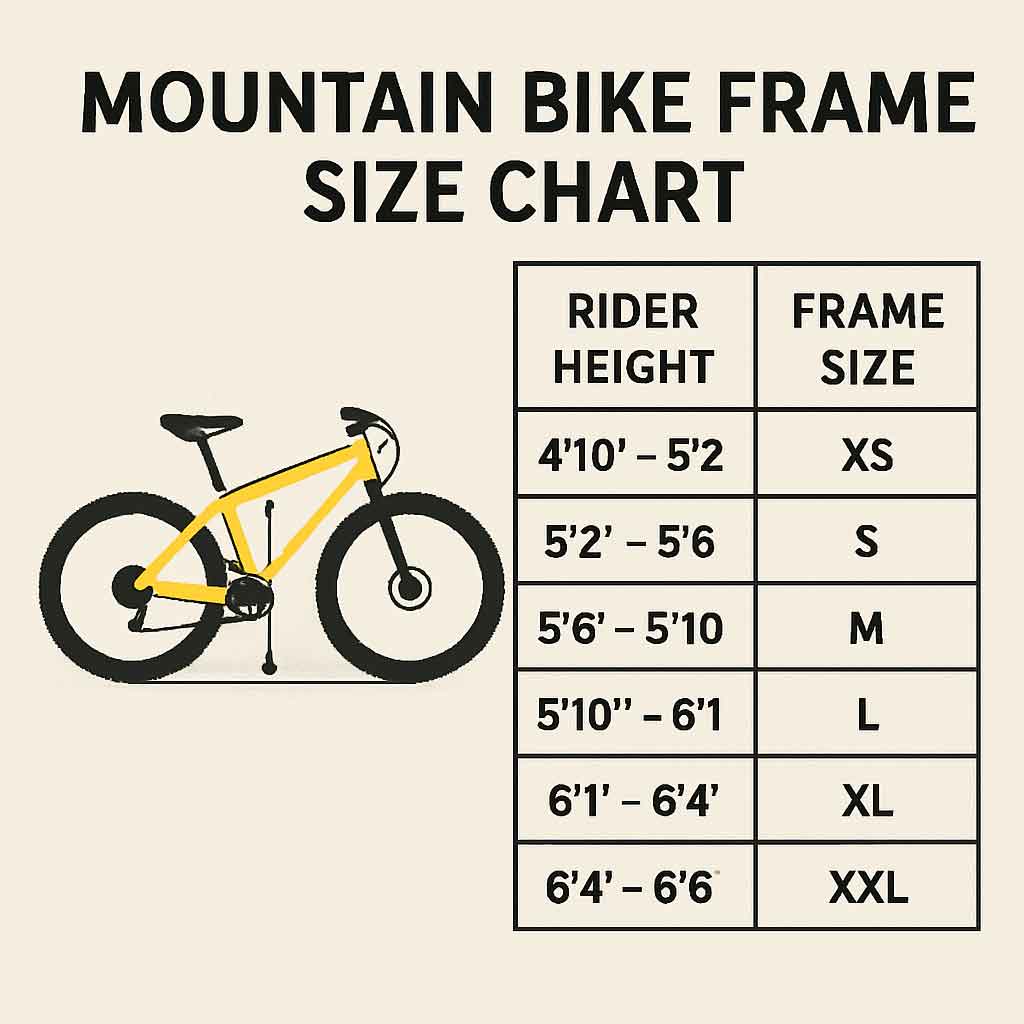
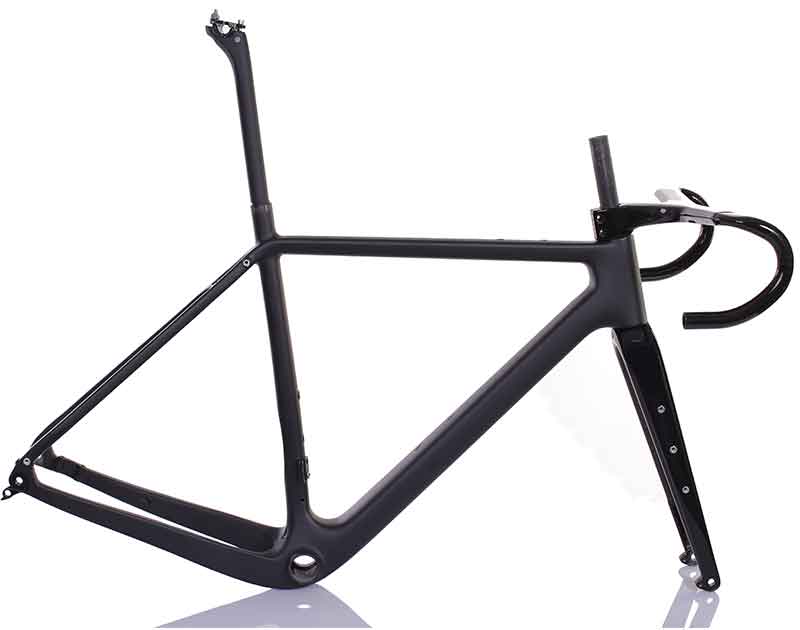
When it comes to mountain bikes, the frame size is one of the most critical components to consider. Frame sizes are typically denoted in inches or centimeters and correspond to the length of the seat tube. Common sizes include 13, 15, 16, 17, 18, 19, 21, and 23 inches. A 16-inch bicycle frame, for example, is generally suitable for riders with a shorter stature, while a 21-inch frame may be more appropriate for taller individuals.
How to Choose the Right Frame Size
Choosing the right frame size involves understanding your body measurements and how they correspond to bike sizes. Start by measuring your height and inseam. Stand upright against a wall, with your feet slightly apart, and measure from the ground to your crotch for the inseam. Compare these measurements to a mountain bike size chart to find a suitable frame size.
Frame Size and Riding Style
Different riding styles may influence the choice of frame size. For aggressive downhill biking, a smaller frame may offer more control and maneuverability, while cross-country riders might prefer a larger frame for stability and efficiency on longer rides. Understanding your riding style can guide you in selecting the appropriate frame size for your needs.
Custom Frame Options
For those unable to find a perfect fit off the rack, custom frames can be an option. Custom frames are tailored to your exact measurements and riding preferences, offering a personalized fit that standard sizes cannot match. While more expensive, this option can significantly enhance your comfort and performance.
Wheel Size Considerations
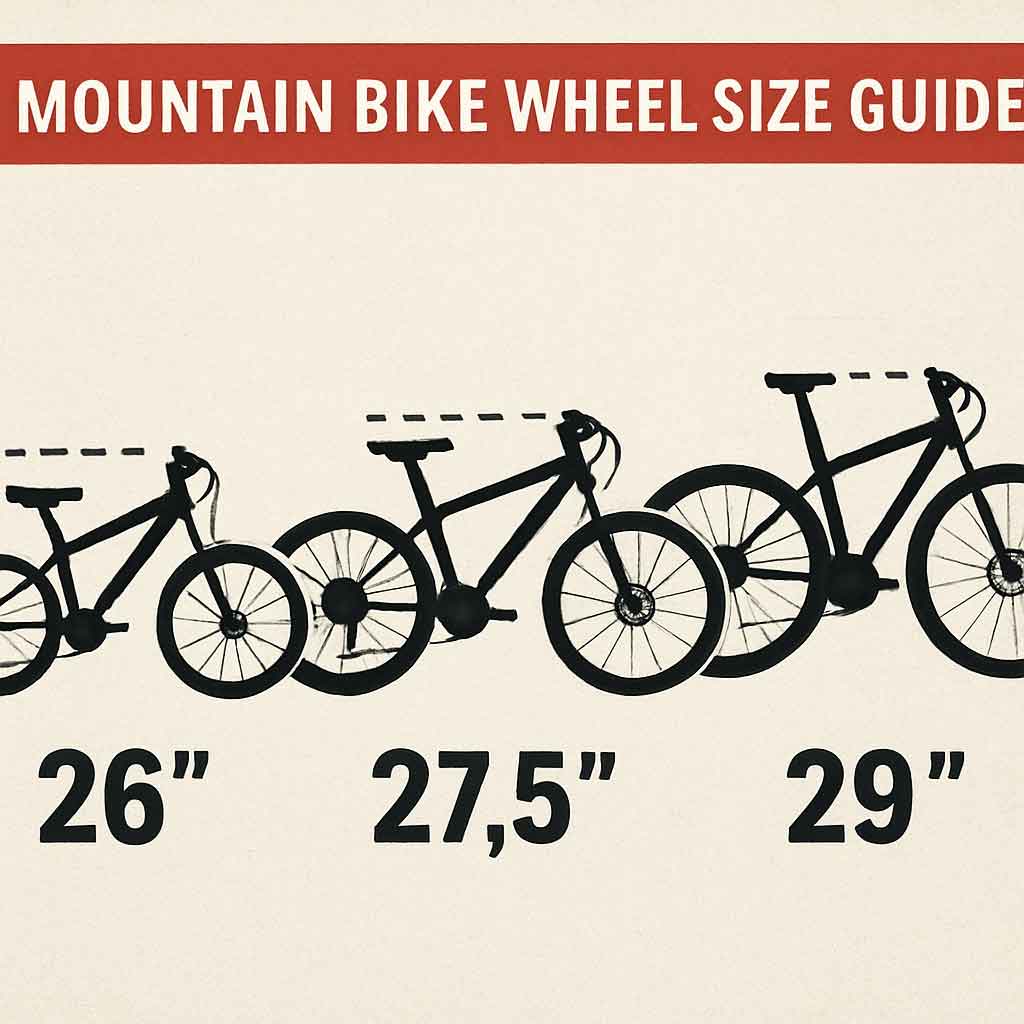
The size of the wheels is another essential factor in mountain bike sizing. The three most common mountain bike wheel sizes are 26-inch, 27.5-inch (also known as 650B), and 29-inch. Each size has its unique advantages and is suited to different riding styles and terrains.
Benefits of 26-Inch Wheels
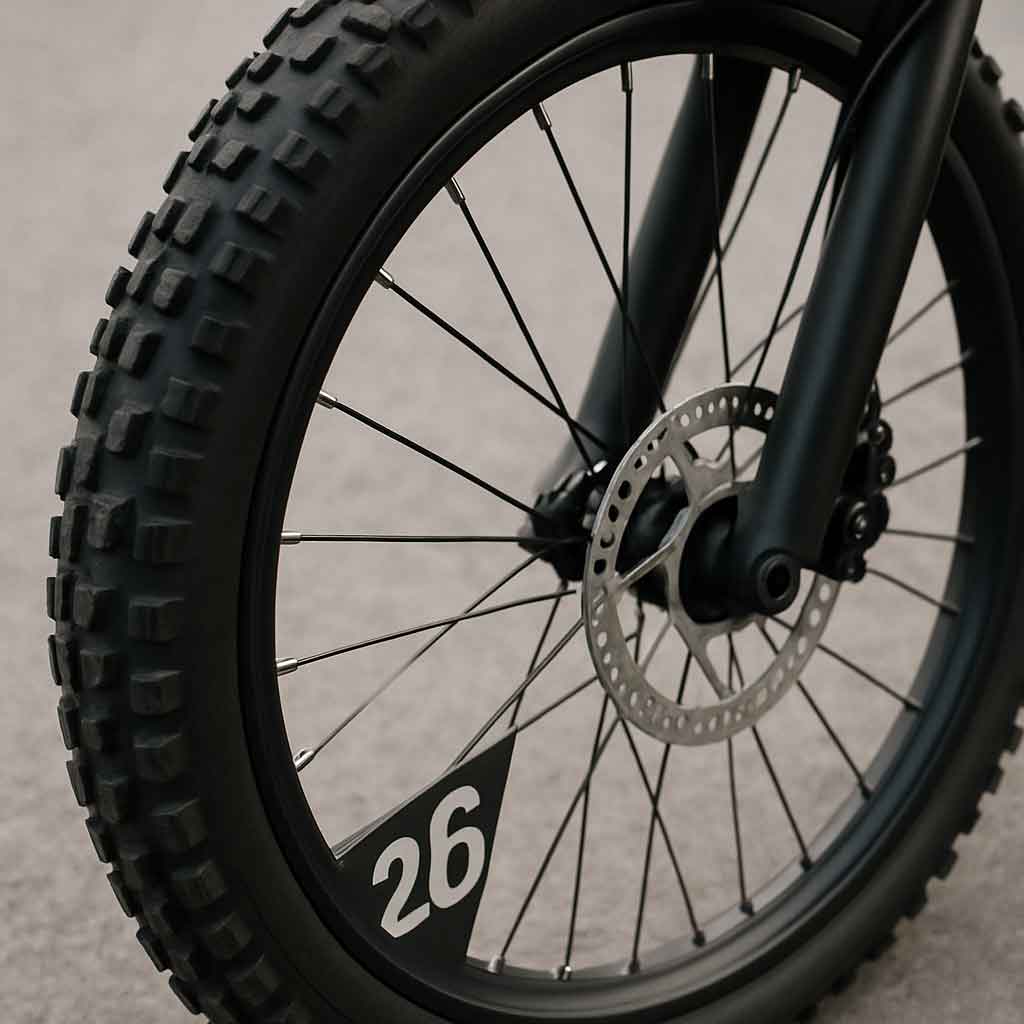
The traditional 26-inch wheel size is known for its agility and quick handling. These wheels are lighter and easier to maneuver, making them ideal for technical trails and tight turns. If you enjoy quick accelerations and responsive handling, 26-inch wheels might be the right choice for you.
Understanding 27.5-Inch Wheels
The 27.5-inch, or 650B, wheels offer a balance between the agility of 26-inch wheels and the stability of 29-inch wheels. They provide a versatile option suitable for a wide range of terrains and riding styles. Riders who seek a do-it-all bike often gravitate towards this wheel size for its adaptability.
Advantages of 29-Inch Wheels
Bikes with 29-inch wheels, often referred to as "29ers," are generally longer and provide a smoother ride over rough terrains due to their larger wheel diameter. This wheel size is ideal for cross-country and trail riding, offering more stability and better rollover capability compared to smaller wheels. If you prioritize speed and stability over rough terrain, 29-inch wheels are an excellent choice.
The Importance of Reach and Stack
While frame and wheel sizes are important, the reach and stack measurements are equally crucial for ensuring a comfortable fit.
Understanding Reach
Reach refers to the horizontal distance from the center of the bottom bracket to the center of the head tube. It affects how stretched out you feel on the bike. A longer reach can provide more stability at high speeds, while a shorter reach may offer better control in tight situations.
The Role of Stack
Stack is the vertical distance from the bottom bracket to the top of the head tube. It influences how upright or aggressive your riding position is. A higher stack can offer a more comfortable, upright riding position, beneficial for long rides or those with back issues, while a lower stack can provide an aggressive stance for competitive riding.
Balancing Reach and Stack
Finding the right balance between reach and stack is crucial for comfort and performance. Test different configurations to see what feels best for your body type and riding style. Small adjustments in these measurements can make significant differences in your riding experience.
Hybrid Frame Size Chart
If you're considering a hybrid bike, which blends the characteristics of road and mountain bikes, you'll also need to reference a hybrid frame size chart. These bikes can offer a comfortable ride on a variety of surfaces, making them a versatile choice for both commuting and recreational riding.
What is a Hybrid Bike?
Hybrid bikes are designed to be versatile, combining features of mountain, road, and touring bikes. They offer a comfortable riding position, with wider tires for stability and a suspension system to smooth out rough roads. This makes them ideal for city commuting, fitness riding, and light off-road trails.
Sizing a Hybrid Bike
Sizing a hybrid bike involves similar considerations as mountain bikes, focusing on frame size, wheel size, and comfort. Use a hybrid bike size chart to match your measurements with the appropriate bike size. Consider the type of riding you plan to do, as this can influence the ideal frame size and configuration.
Benefits of Hybrid Bikes
Hybrid bikes provide a great solution for riders looking for versatility without committing to a specific biking discipline. They allow riders to enjoy the efficiency of road bikes while still being able to tackle some off-road trails. Their adaptability makes them a popular choice for riders who want one bike to do it all.
How to Measure the Size of a Mountain Bike

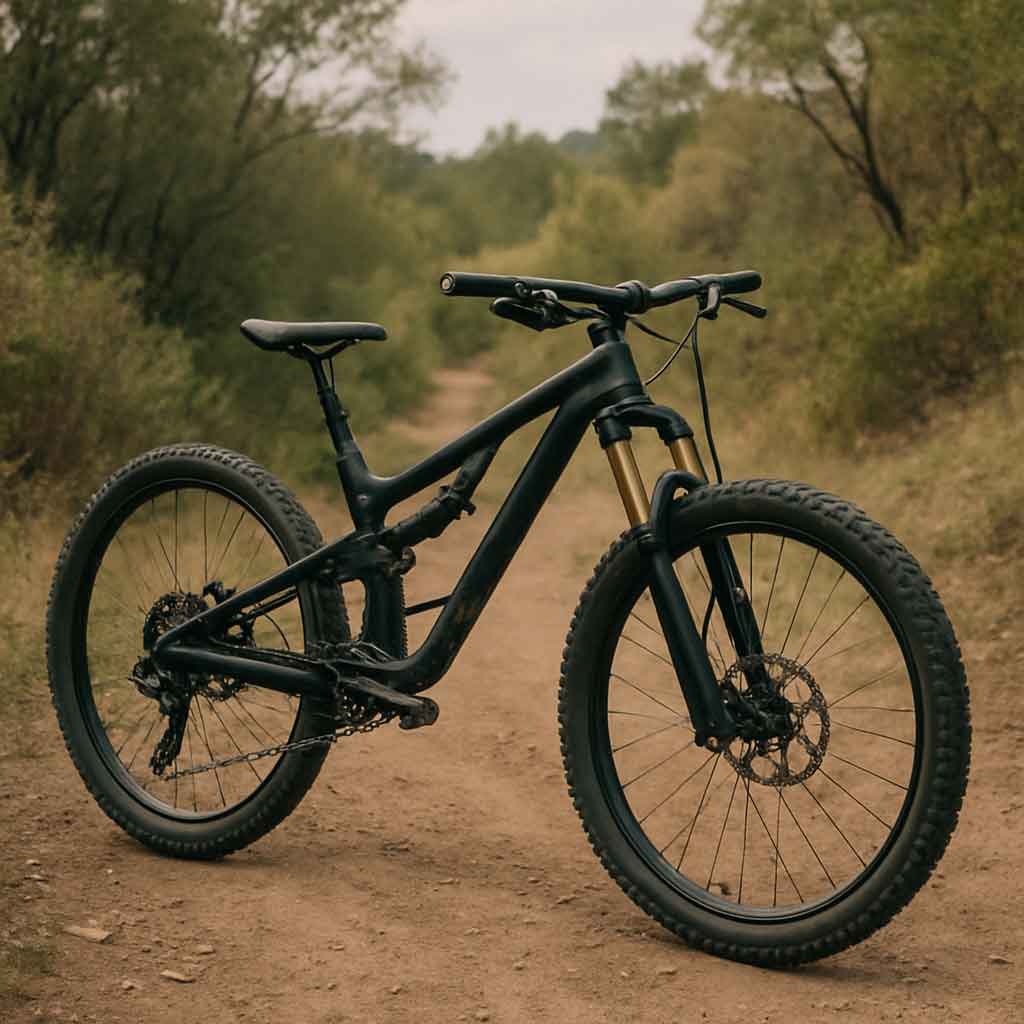
by Himiway Bikes (https://unsplash.com/@himiwaybikes)
To accurately measure a mountain bike's size, you'll want to check a few key areas:
Measuring Seat Tube Length
The seat tube length is the measurement that typically defines the frame size. Measure from the center of the bottom bracket to the top of the seat tube. This measurement gives you a baseline for comparing different bike frames.
Assessing Top Tube Length
Measure the distance from the top of the head tube to the seat tube. This length affects how stretched out you feel while riding. A longer top tube can provide more room for movement, while a shorter one may offer a more compact feel.
Checking Standover Height
Standover height is the clearance between the top tube and your groin when standing over the bike. Ensure there is at least an inch of clearance to avoid discomfort or injury. This measurement is crucial for safety and comfort, especially when stopping and starting.
Mountain Bike Size Guide for Different Riders
Mountain Bike Size Small
For riders with shorter heights, a small mountain bike size is recommended. Typically, a 13 to 15-inch frame will suit riders around 5'3" to 5'6". Smaller frames provide more control and comfort for shorter riders, ensuring a better fit and improved handling.
Medium Mountain Bike Size
A 17-inch bike frame is often considered a medium size and is suitable for riders approximately 5'6" to 5'9". Medium-sized frames offer a balance of agility and stability, making them a popular choice for a wide range of riders.
Large Mountain Bike Size
A 21-inch frame is generally best for taller riders, around 6'0" to 6'3", providing a comfortable fit without feeling cramped. Larger frames accommodate longer limbs and offer more space, which can enhance comfort on longer rides.
How to Know What Size Mountain Bike You Need
Several online resources and tools are available to help you determine the best mountain bike size for your body. Utilizing a mountain biking size chart or mt bike size chart can simplify the process. Many bike manufacturers provide their own sizing guides, which consider both height and inseam measurements.
Using Online Sizing Tools
Online sizing tools can offer a quick and easy way to find the right bike size. By entering your measurements, these tools can recommend the most suitable frame size based on the latest data and trends in bike fitting.
Consulting with Bike Experts
Visiting a local bike shop and consulting with experienced staff can provide valuable insights. Experts can offer personalized advice based on your body type, riding style, and preferences. Their hands-on experience can be invaluable in finding the perfect fit.
Understanding Manufacturer Sizing Charts
Each bike manufacturer may have slight variations in their sizing charts. Reviewing these charts can ensure you choose the right size for a specific brand, as they consider unique design features and geometries.
Trying Before You Buy
Whenever possible, test ride several bikes in different sizes to get a feel for what suits you best. Pay attention to how the bike feels in terms of reach, standover height, and overall comfort.
Test Riding Different Models
Test riding different models allows you to compare how various sizes and geometries feel. This hands-on experience can highlight subtle differences that charts and measurements may not capture. Take notes on each ride to remember how each bike felt.
Evaluating Comfort and Control
During a test ride, focus on comfort and control. Notice how the bike handles, how your body feels after a few minutes of riding, and how easily you can maneuver. A bike that feels natural and responsive is likely the right fit.
Making Informed Decisions
Use the information gathered from test rides to make an informed decision. Combine your experiences with sizing charts and expert advice to choose a bike that will enhance your riding experience. Remember, the right bike should feel like an extension of your body.
Adjusting Your Mountain Bike for the Perfect Fit
Even after selecting the correct frame size, minor adjustments can further enhance your riding experience. Consider the following tweaks:
Fine-Tuning Saddle Height
Adjust the saddle so that your leg is slightly bent at the bottom of the pedal stroke. Proper saddle height can prevent knee strain and improve pedaling efficiency. Experiment with small adjustments to find the most comfortable position.
Customizing Handlebar Position
Experiment with handlebar height and angle to achieve a comfortable riding posture. Adjusting the handlebars can relieve stress on your shoulders and back, promoting better posture and control.
Optimizing Stem Length
The stem length can be adjusted to modify the reach, allowing for a more tailored fit. A longer stem can provide a more stretched-out feel, while a shorter stem can offer quicker steering and responsiveness. Find the balance that suits your riding style.
Conclusion
Selecting the right mountain bike size is essential for a comfortable and enjoyable riding experience. By considering frame size, wheel size, and key measurements like reach and stack, you can find a bike that fits you perfectly. Remember to consult sizing charts, try out different bikes, and make necessary adjustments to optimize your ride.
With this guide, you're well on your way to finding a mountain bike that meets your needs and enhances your adventures on the trail. Happy biking!







 Jack Ding

