Welcome to Mondince Bike - A well-known factory specialized in produce carbon bike frame and other parts since 2007.


How to Use a Gravel Fork Effectively
Gravel biking has surged in popularity over recent years, captivating the hearts of cycling enthusiasts worldwide. It offers a versatile and thrilling way to explore diverse terrains, from smooth country roads to rugged mountain trails. At the heart of this adventure lies a crucial component: the gravel fork. This essential part of a gravel bike enhances the riding experience by providing comfort, control, and adaptability. Whether you're a seasoned cyclist or a novice exploring new paths, mastering the use of a gravel fork can significantly elevate your biking adventures. This comprehensive guide delves into the various types of gravel forks, their benefits, and practical tips to help you maximize their potential.
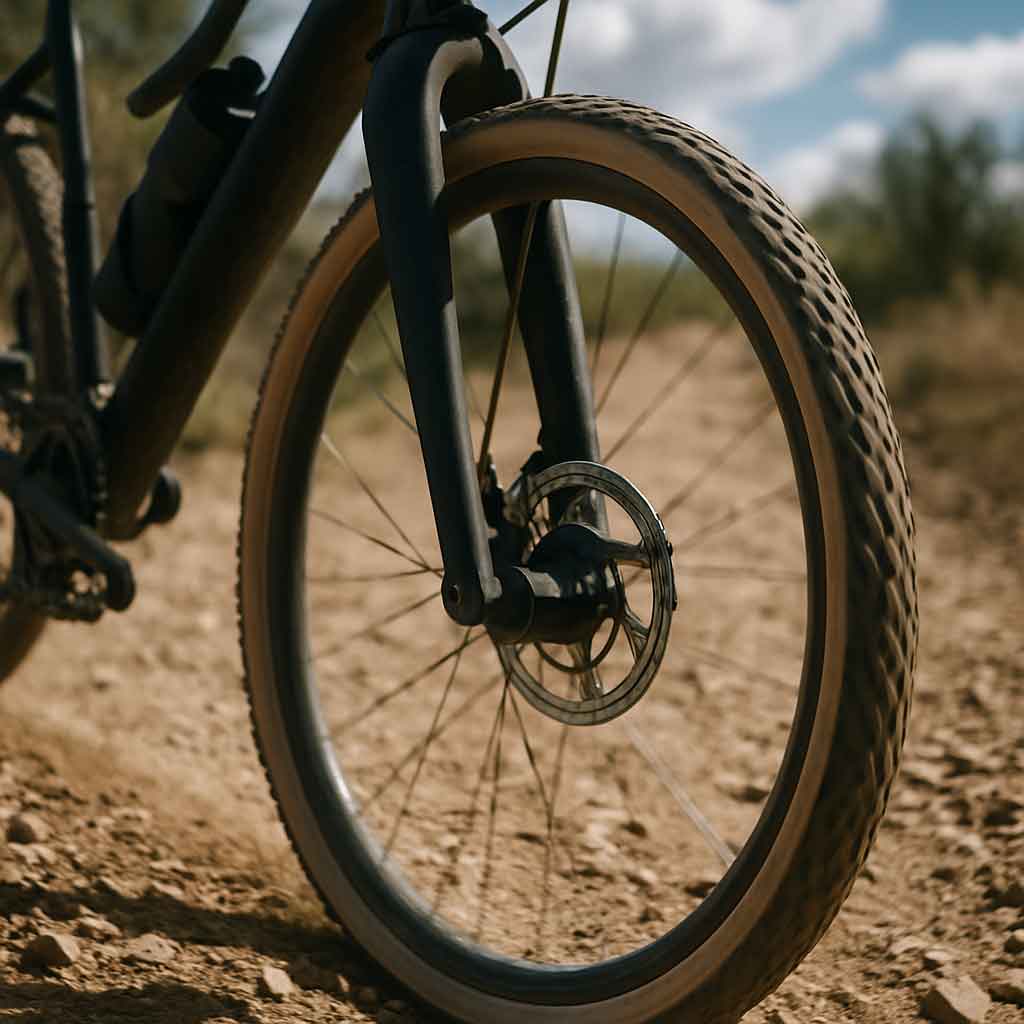
Gravel forks are engineered to meet the demands of diverse terrains, offering cyclists a smoother and more controlled ride. But what exactly constitutes a gravel fork, and why is it so vital to the gravel biking experience?
What Is a Gravel Fork?
A gravel fork is a specialized component of a gravel bike, meticulously designed to absorb shocks and vibrations encountered on uneven terrain. Unlike traditional road bike forks, gravel forks often incorporate suspension capabilities, making them adept at handling off-road conditions. These forks are crafted from a range of materials, including steel, carbon, and aluminum, each offering distinct advantages. The ability to minimize the impact of rough terrain not only enhances comfort but also boosts confidence, allowing cyclists to tackle challenging paths with ease.
Gravel forks are available in various designs to cater to different biking needs. From rigid to suspension forks, each type serves a unique purpose. Understanding these differences is key to selecting the right fork for your biking style and terrain preferences.
Types of Gravel Forks
Rigid Gravel Forks
Rigid gravel forks resemble traditional road bike forks but are engineered to endure more rugged terrain. Their lightweight design makes them efficient for smoother gravel paths, where agility and speed are paramount. Ideal for cyclists who prioritize a simple setup, rigid forks offer direct feedback from the terrain, allowing for precise handling. However, their lack of suspension can make rougher trails more challenging, requiring skill and experience to navigate effectively.
Suspension Gravel Forks
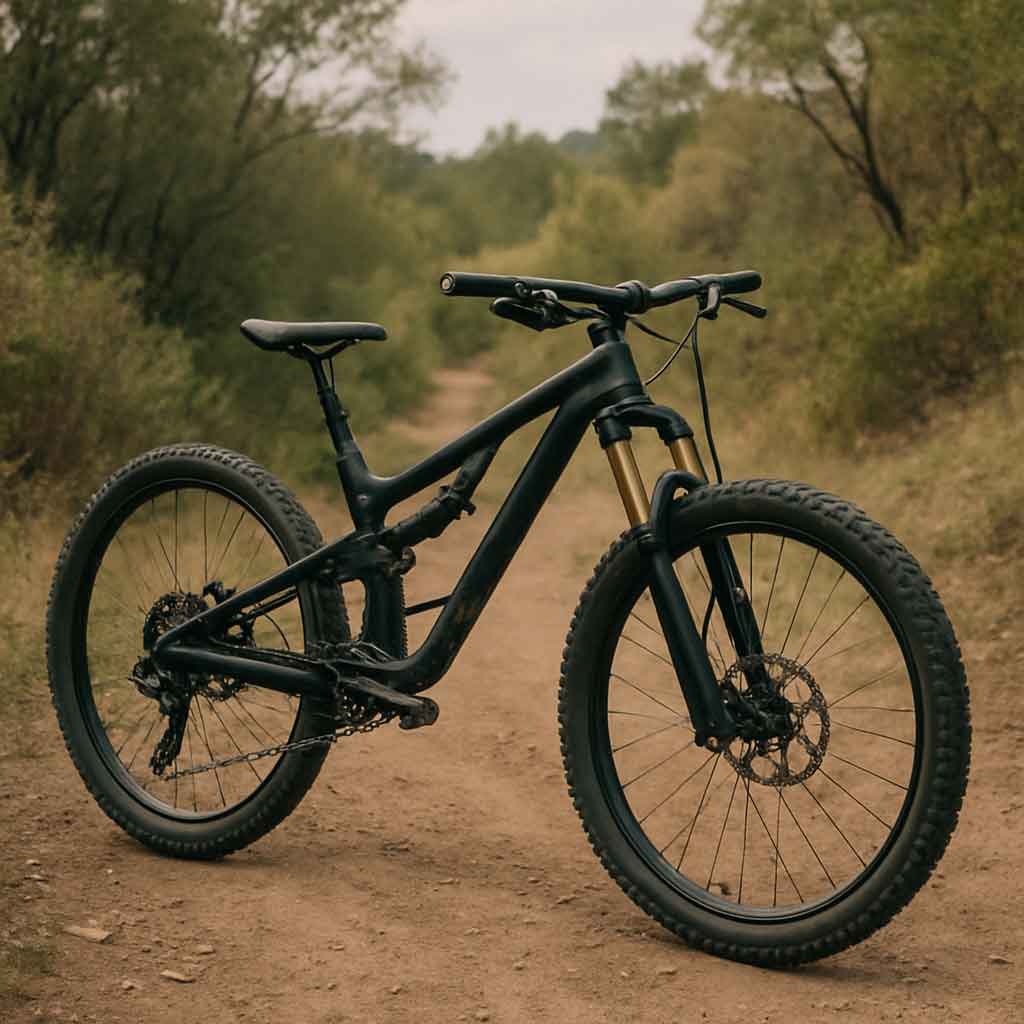
Suspension gravel forks come equipped with built-in shock absorbers, designed to cushion the impact of rougher trails. This type of fork is perfect for those who frequently venture onto uneven surfaces, as it significantly enhances comfort and control. The suspension mechanism ensures that vibrations and bumps are absorbed, reducing fatigue and allowing for longer rides. Cyclists benefit from improved traction and stability, making these forks a popular choice for adventurous terrains.
Steel Gravel Forks
Steel gravel forks are renowned for their durability and comfort, offering a smooth ride and the ability to withstand substantial wear and tear. Long-distance cyclists often favor steel forks for their robust nature, which provides a reassuring sense of stability. While heavier than their carbon counterparts, steel forks deliver a classic feel and exceptional resilience, making them suitable for touring and bikepacking adventures.
Carbon Gravel Forks
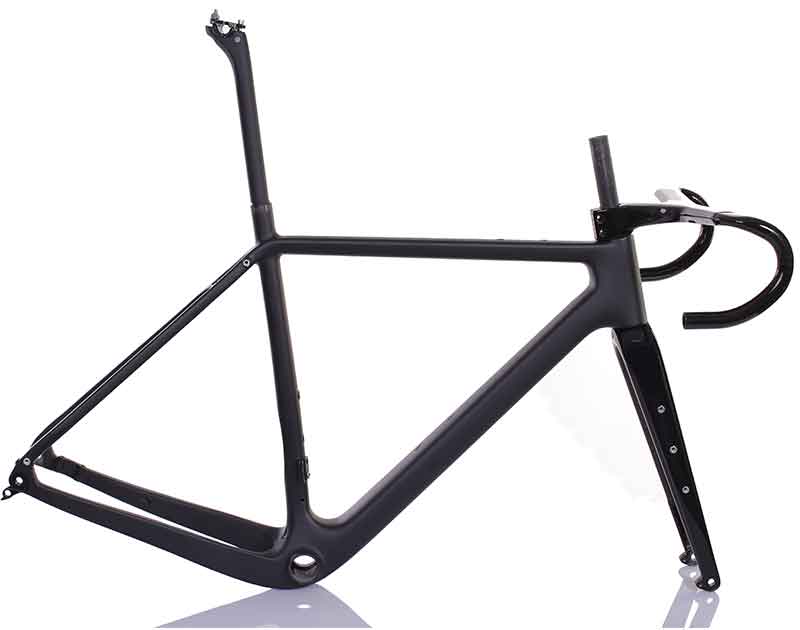
Carbon gravel forks stand out for their lightweight construction and excellent stiffness, which translates to superior power transfer. These forks are ideal for cyclists who prioritize speed and agility, as they enhance acceleration and responsiveness. Despite their lightweight nature, carbon forks are incredibly strong, making them a reliable choice for competitive racing and fast-paced gravel rides.
Benefits of Using Gravel Forks
Enhanced Comfort
One of the primary benefits of using gravel forks is the enhanced comfort they provide. By reducing the impact of rough terrain, these forks allow cyclists to enjoy longer rides without the discomfort associated with constant vibrations. The ability to absorb shocks minimizes strain on the rider, promoting a more enjoyable and less fatiguing experience.
Improved Control
Gravel forks, particularly those with suspension, offer improved control over the bike, especially on uneven surfaces. The suspension mechanism allows the fork to adapt to changing terrain, providing better handling and stability. Cyclists can confidently navigate obstacles and maintain balance, even on challenging trails.
Versatility
Gravel forks are incredibly versatile, making them suitable for a wide range of terrains. Whether you're cruising along smooth roads or tackling rocky paths, a gravel fork can adapt to the conditions, ensuring a consistent and reliable performance. This adaptability makes gravel bikes with specialized forks a popular choice for cyclists seeking diverse adventures.
Choosing the Best Gravel Fork
Selecting the right gravel fork is a critical decision that can impact your biking experience. With numerous options available, it's essential to consider various factors that align with your riding style and preferences.
Consider Your Riding Style
When choosing a gravel fork, it's crucial to evaluate your riding habits and the types of terrain you'll most frequently encounter. If your adventures primarily involve smooth gravel paths, a rigid fork might be the perfect fit. Its lightweight nature and direct handling make it ideal for speed and efficiency. However, if your rides take you onto rocky or bumpy trails, a suspension fork with shock-absorbing capabilities could provide the comfort and control needed for a more enjoyable experience.
Material Matters
The material of the fork plays a significant role in determining the bike's overall weight, handling, and durability. Steel forks offer robustness and a comfortable ride, making them a popular choice for long-distance cyclists. On the other hand, carbon forks are lightweight and enhance speed, appealing to those who prioritize performance. Consider your priorities and the type of riding you anticipate when selecting the material for your gravel fork.
Suspension Considerations
For those opting for a gravel suspension fork, understanding the suspension system is vital. Pay attention to the amount of travel the fork offers, as this can affect shock absorption and overall ride quality. More travel can provide better cushioning on rough terrain but might add weight to the bike. Finding a balance between shock absorption and bike weight is essential to match your riding style and preferences.
Budget and Brand
Gravel forks come in a wide price range, influenced by factors such as material, brand, and design. While it's important to find a fork that fits your budget, investing in a reputable brand known for quality and durability can be a wise decision. A high-quality fork can enhance your riding experience and provide long-term reliability, making it a worthwhile investment for avid cyclists.
Installing and Adjusting Your Gravel Fork
Proper installation and adjustment of your gravel fork are crucial for optimal performance and safety. Whether you're a seasoned mechanic or new to bike maintenance, understanding the installation process and necessary adjustments can make a significant difference.
Installation Tips
Installing a gravel fork requires some mechanical knowledge and precision. If you're not confident in your ability to install it yourself, seeking professional assistance is advisable. Before installation, ensure that the fork is compatible with your bike frame and that you have all the necessary tools. Follow the manufacturer's instructions carefully to ensure a secure and accurate installation. Proper installation is essential to prevent issues such as misalignment or instability, which can affect your ride.
Adjusting Suspension
For cyclists using a gravel bike with suspension forks, adjusting the suspension settings to match your weight and riding conditions is essential. Proper adjustments can significantly enhance comfort and control, allowing the fork to perform optimally. Most suspension forks come with easy-to-follow guidelines for adjusting pre-load, rebound, and compression. These adjustments ensure that the suspension responds appropriately to different terrains, providing a customized riding experience.
Regular Maintenance
Regular maintenance is key to keeping your gravel fork in top condition and ensuring its longevity. Routinely clean the fork to remove dirt and debris that can accumulate during rides. Check for any signs of wear or damage, and lubricate moving parts as needed to maintain smooth operation. Regular checks and maintenance ensure that the fork continues to perform optimally, providing a reliable and enjoyable riding experience.
Tips for Riding with a Gravel Fork

by Jeremie Aouate (https://unsplash.com/@jeremieaouate)
Riding with a gravel fork opens up a world of possibilities, allowing you to explore diverse terrains with confidence and ease. To make the most of your gravel biking adventures, consider these practical tips for navigating different surfaces and optimizing your ride.
Mastering Different Terrains
One of the significant advantages of a gravel fork is its ability to handle diverse terrains with ease. When riding on gravel paths, maintain a steady pace and keep a firm grip on the handlebars to ensure stability. For rocky or uneven surfaces, allow the suspension to absorb the shocks, focusing on maintaining balance and control. Adjust your riding technique to match the terrain, leaning into turns and using your body to navigate obstacles effectively.
Tire Pressure Matters
The tire pressure you choose can significantly impact how effectively your gravel fork performs. Lowering tire pressure can increase traction and make the ride more comfortable on rough surfaces, as the tires can better conform to the terrain. However, be mindful of going too low, as this can lead to pinch flats and reduced efficiency. Finding the right balance for your tire pressure can enhance your ride and improve the performance of your gravel fork.
Practice Makes Perfect
As with any new biking component, practice is essential to mastering the use of a gravel fork. Spend time getting accustomed to how your gravel fork feels and responds to different terrains. Experiment with various settings and adjustments to find what works best for you. Over time, you'll develop the confidence and skills needed to make the most of your rides, allowing you to tackle new challenges and enjoy the freedom of gravel biking.
Final Thoughts
Gravel biking offers an exciting and adventurous way to explore the outdoors, and having the right equipment can make all the difference. Understanding how to use a gravel fork effectively allows you to tackle various terrains with confidence and comfort. Whether you opt for a rigid, suspension, steel, or carbon fork, the key is to find one that suits your riding style and needs. With the right fork and proper maintenance, you're set for countless memorable adventures on your gravel bike. Embrace the thrill of gravel biking, and let your gravel fork guide you to new horizons.







 Jack Ding

