Welcome to Mondince Bike - A well-known factory specialized in produce carbon bike frame and other parts since 2007.


Understanding Bicycle Helmet Price Ranges
Cycling is an exhilarating activity enjoyed by millions worldwide, fostering both physical fitness and mental well-being. However, amidst the enjoyment, safety should always be a top priority for all cyclists, regardless of their experience level. A crucial component of cycling safety is wearing a bicycle helmet, which serves as the first line of defense against head injuries. With the vast array of options available in the market, understanding the price ranges for bicycle helmets can be overwhelming for many consumers. In this article, we will explore the factors that influence cycling helmet costs and provide guidance to help you make an informed decision that aligns with both your safety needs and budget constraints.
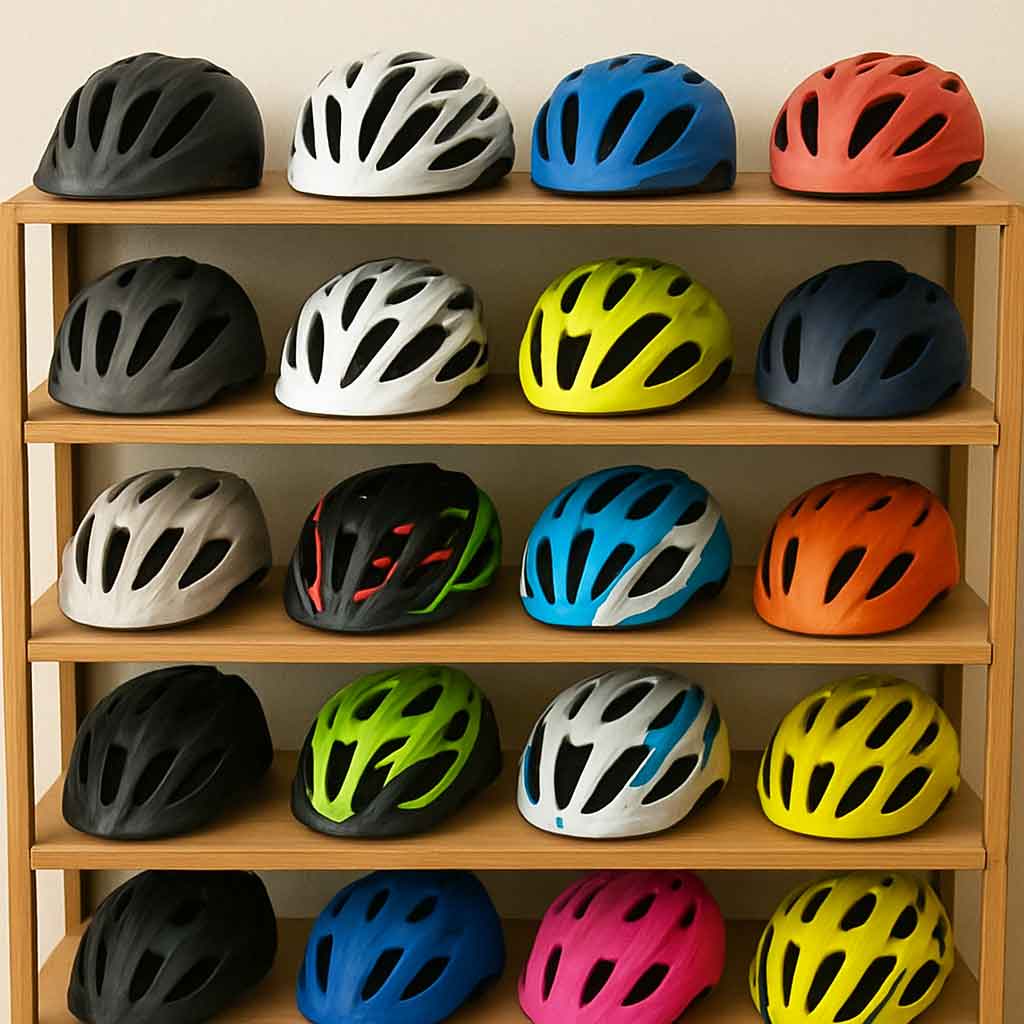
What Influences Bicycle Helmet Costs?
Bicycle helmet prices can vary significantly based on several factors, each contributing to the overall cost in different ways. From the materials used to the design intricacies, understanding these elements can help consumers make better purchasing decisions. Let's delve deeper into what affects the cost of a bike helmet and why some are priced higher than others.
Materials and Construction
The materials used in a bicycle helmet are a primary determinant of its price. Helmets made from advanced materials such as carbon fiber or polycarbonate are typically more expensive due to their lightweight properties and enhanced protection capabilities. These materials are often utilized in premium models, offering cyclists durability and superior impact resistance, which can be crucial in preventing serious injuries.
On the other hand, helmets constructed from more basic materials like standard plastic and foam might be more affordable, but they may not provide the same level of protection or comfort. When considering a helmet for bike riders, it's essential to balance material quality with budget. While budget helmets can meet basic safety standards, investing in higher-quality materials can offer long-term benefits in terms of safety and durability.
Design and Features
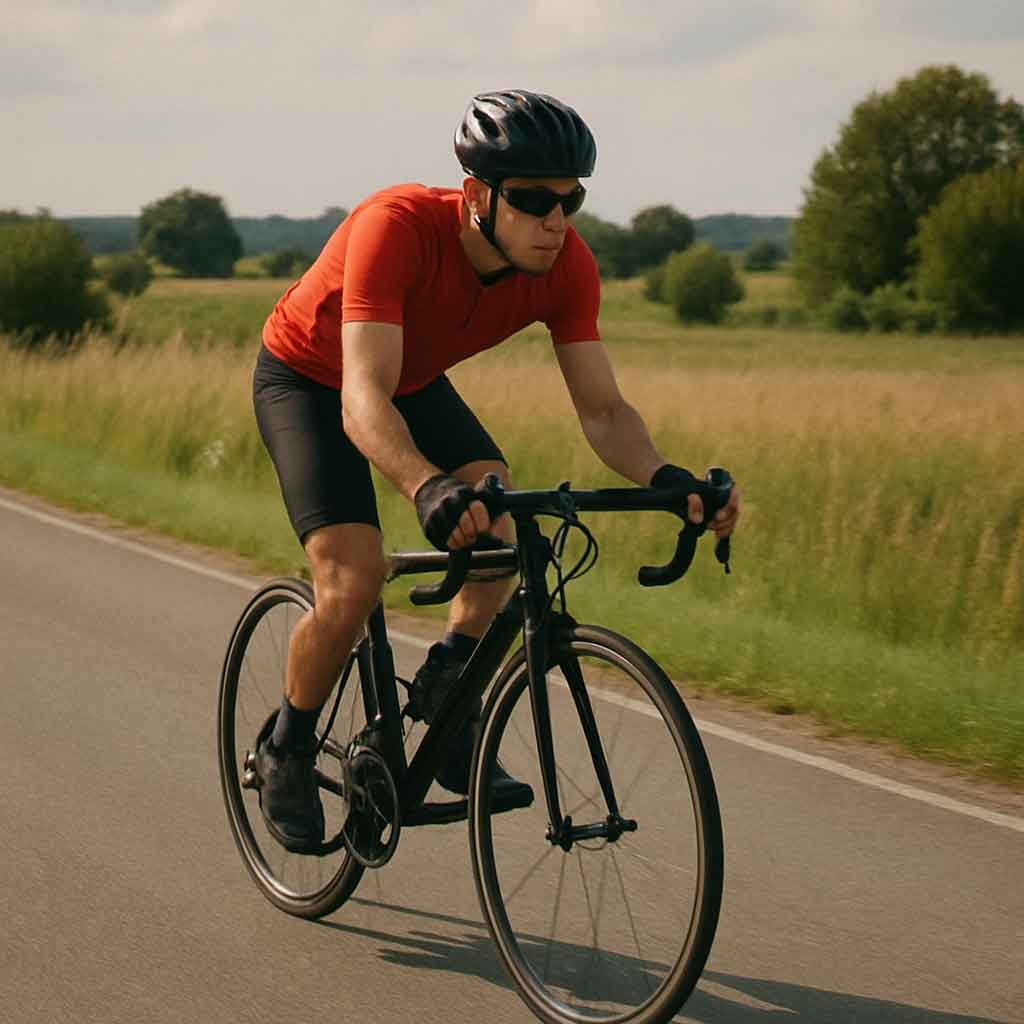
The design and features of a helmet significantly affect its price, as manufacturers incorporate various innovations to enhance both performance and user experience. High-end helmets often come with aerodynamic designs that reduce air resistance, making them particularly suitable for competitive cycling and enhancing speed efficiency. These helmets may also include additional features like adjustable visors, integrated lighting systems for visibility, and enhanced ventilation systems to keep the rider cool during intense activities.
For those seeking a womens bike helmet with a visor, expect to pay a bit more for the convenience of sun protection and added style. Similarly, helmets for adults that offer advanced features such as Bluetooth connectivity or camera mounts will typically be priced higher, reflecting the added technological enhancements and the sophisticated engineering involved in their production.
Brand and Quality
Brand reputation plays a crucial role in pricing, as well-established brands often command higher prices due to their proven track record in producing reliable and high-quality helmets. Renowned brands with a history of innovation and consumer trust might charge more for their products, as this premium often reflects their investment in research and development to ensure they meet stringent safety standards and provide superior protection.
While brand-name helmets can be costly, they often guarantee quality and durability, offering peace of mind to consumers. For those on a budget, exploring lesser-known brands or low-cost bicycle helmets can be an alternative, but it's vital to ensure they meet safety certifications to avoid compromising on safety. Researching customer reviews and expert recommendations can also provide insights into the quality and reliability of lesser-known brands.
Safety Certifications
Helmets with specific safety certifications might cost more due to the rigorous testing they undergo to ensure they meet industry standards. Certifications like CPSC, ASTM, and Snell are indicators that a helmet has been evaluated for safety, offering consumers assurance that the product provides adequate protection. Investing in certified helmets ensures that you are prioritizing safety alongside cost, as these certifications are designed to protect users from potential head injuries.
Price Ranges for Adult Bike Helmets
Understanding the different price ranges for adult bike helmets can aid in making an informed purchase. Whether you're looking for a bike helmet for adult men, women, or general use, here's a breakdown of what to expect in terms of cost and features.
Budget Helmets ($20 - $50)
Low-cost bike helmets fall within this range, offering basic protection and limited features suitable for casual cyclists or those new to biking. While budget-friendly, these helmets may lack advanced features such as superior ventilation or impact protection found in more expensive models. However, they can still offer adequate protection if they meet recognized safety standards, making them a viable option for those on a tight budget.
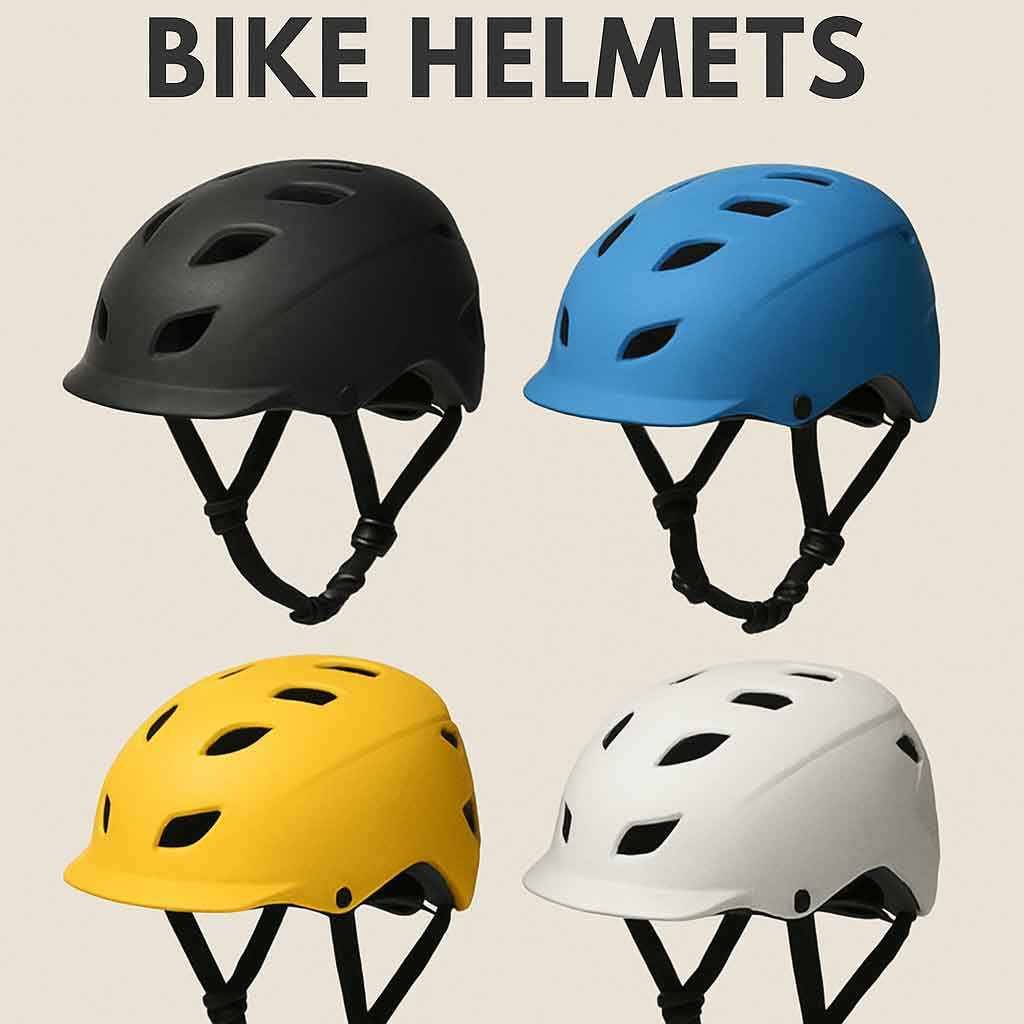
Mid-Range Helmets ($50 - $150)
Mid-range helmets provide a balance between cost and features, appealing to a broad audience of recreational cyclists. They often have better ventilation systems to enhance comfort during long rides, more comfortable padding for an improved fit, and adjustable components for enhanced customization. For most bike riders, helmets in this range offer a great combination of safety and comfort without breaking the bank, making them a popular choice among enthusiasts.
Premium Helmets ($150 and up)
Premium helmets are designed for avid cyclists and come with advanced features that cater to performance and protection. These helmets often boast superior aerodynamics, lightweight materials, and integrated technology, such as fitness tracking or communication systems. They cater to enthusiasts who prioritize performance and protection, and while they represent a significant investment, the benefits can be worthwhile for dedicated cyclists who spend a considerable amount of time on their bikes.
Best Places to Buy Bike Helmets
When it comes to purchasing a bike helmet, there are several avenues to explore, each offering distinct advantages. Finding the best place to buy bike helmets depends on your preference for convenience, selection, and price, as well as the level of customer service you desire.
Local Bike Shops
Local bike shops offer the advantage of personalized service and the ability to try on helmets before purchasing, ensuring a proper fit. Knowledgeable staff can provide expert advice tailored to your cycling needs, guiding you through the selection process based on your specific requirements and preferences. Additionally, supporting local businesses benefits the community by fostering economic growth and sustainability.
Online Retailers
Online platforms provide a vast selection and competitive pricing, making it easy to compare different brands and models. Websites like Amazon, REI, and Chain Reaction Cycles offer detailed reviews and customer feedback, helping you make an informed choice. However, ensure you choose a reputable site to avoid counterfeit products and verify that the helmet meets safety standards before purchasing.
Department Stores
For those searching for a bike helmet nearby, department stores like Walmart and Target offer a range of affordable options. While the selection may not be as extensive as specialty shops, they are convenient for budget-conscious shoppers looking for basic helmets at a lower price point. Additionally, department stores often have return policies that allow you to exchange or return a helmet if it doesn't meet your expectations.
Tips for Buying the Right Bicycle Helmet
Selecting the right bicycle helmet involves more than just considering price. Here are some tips to ensure you make the best choice, prioritizing safety and comfort.
Determine Your Needs
Assess your cycling habits and environment to determine what features are essential for you. Are you a casual rider or a competitive cyclist? Do you ride in urban areas or rugged terrains? Understanding your needs will guide your choice in terms of features and design, ensuring you select a helmet that aligns with your activities and provides the necessary protection.
Ensure a Proper Fit
A helmet that fits poorly won't provide adequate protection, so it's crucial to ensure the correct size and fit. Measure your head circumference and choose a helmet that offers a snug fit without being too tight. Many helmets come with adjustable straps and dials for a customized fit, allowing you to make minor adjustments for maximum comfort and security.
Prioritize Safety
Always prioritize safety over aesthetics or features, as the primary function of a helmet is to protect your head during a fall or collision. Ensure the helmet you choose meets recognized safety standards and certifications, as this guarantees it has undergone rigorous testing and evaluation.
Consider Longevity
While it might be tempting to opt for cheap bike helmets, investing in a durable and high-quality helmet can be more cost-effective in the long run. Helmets should be replaced after significant impacts or every few years, depending on usage, to ensure they continue to provide adequate protection. Choosing a helmet made from quality materials can extend its lifespan and enhance its performance, offering better value over time.
Conclusion
Understanding the price ranges for bicycle helmets and the factors influencing their cost can help you make an informed decision. Whether you're buying a bicycle helmet for men, women, or general use, prioritize safety, quality, and fit. By doing so, you'll ensure a safer and more enjoyable cycling experience, allowing you to focus on the ride rather than worrying about potential hazards.
Remember, the right helmet is an investment in your safety and peace of mind. Choose wisely, taking into account the various factors discussed in this article, and enjoy the ride with confidence, knowing you are well-protected.





 Jack Ding

