Welcome to Mondince Bike - A well-known factory specialized in produce carbon bike frame and other parts since 2007.


Common Mistakes in Chain Tension Adjustment
Chain tension adjustment is a crucial aspect of bicycle maintenance that ensures a smooth and safe ride. Whether you are dealing with a fixed gear bike or a multi-speed bicycle, keeping the chain properly tensioned is essential. However, it's easy to make mistakes during this process, which can lead to issues like a loose chain, derailment, or even damage to the bike. In this article, we'll explore common mistakes people make when adjusting bike chain tension and provide guidance on how to avoid them.
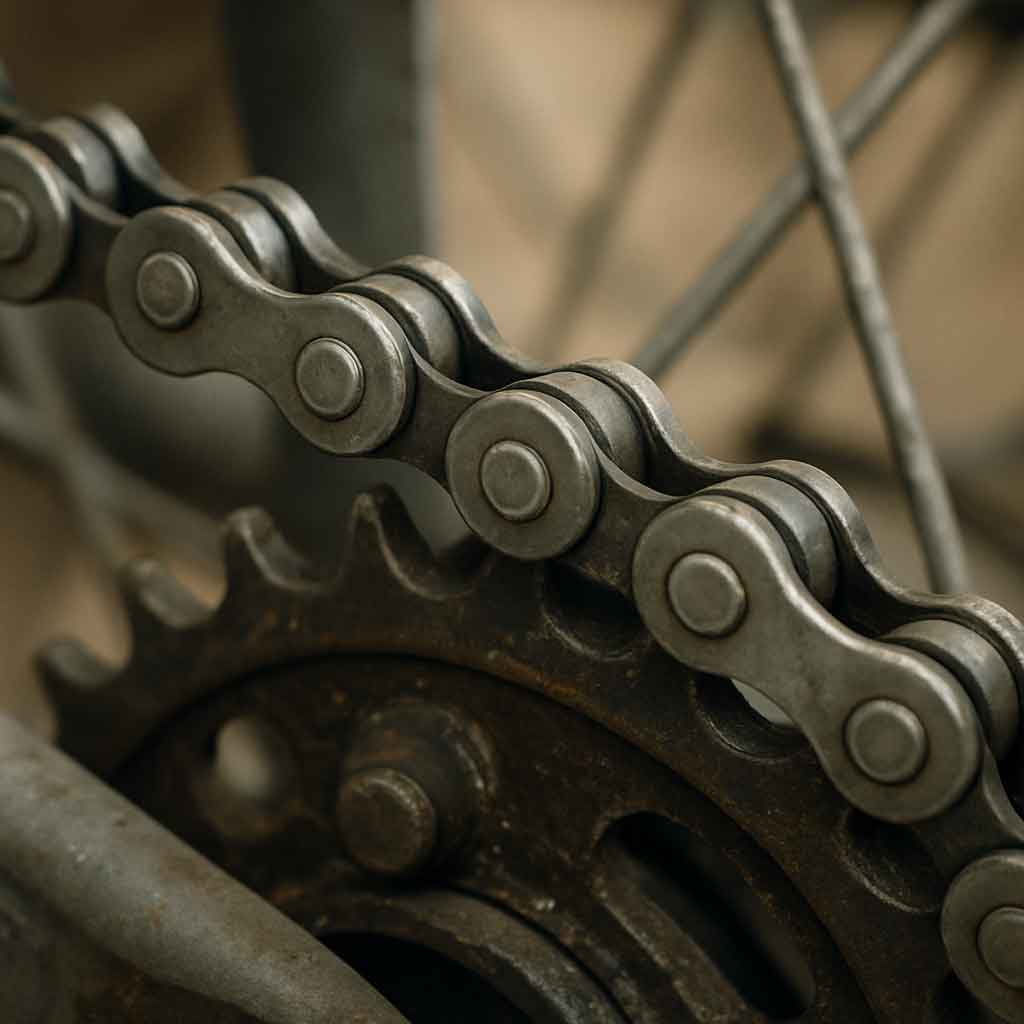
The tension of a bike chain affects its performance and longevity. A chain that is too loose can slip off the gears, leading to accidents or damage, while a chain that is too tight can cause excessive wear on the components and make pedaling difficult. Proper chain tension ensures efficient power transfer from the pedals to the wheels, providing a smooth and reliable cycling experience.
Common Mistakes in Chain Tension Adjustment
Mistake 1: Neglecting Regular Checks
Many cyclists overlook the importance of regularly checking their chain tension. Over time, chains can stretch or wear, affecting tension. It's important to inspect the chain periodically, especially if you notice signs like a rattling noise or difficulty in shifting gears.
Mistake 2: Incorrectly Measuring Chain Tension
A common error is not knowing how to measure chain tension accurately. For most bikes, the chain should have a slight amount of play, typically about 1/2 to 1 inch of movement when you press down midway between the front and rear sprockets. Failing to measure this can lead to improper adjustments.
Mistake 3: Using the Wrong Tools
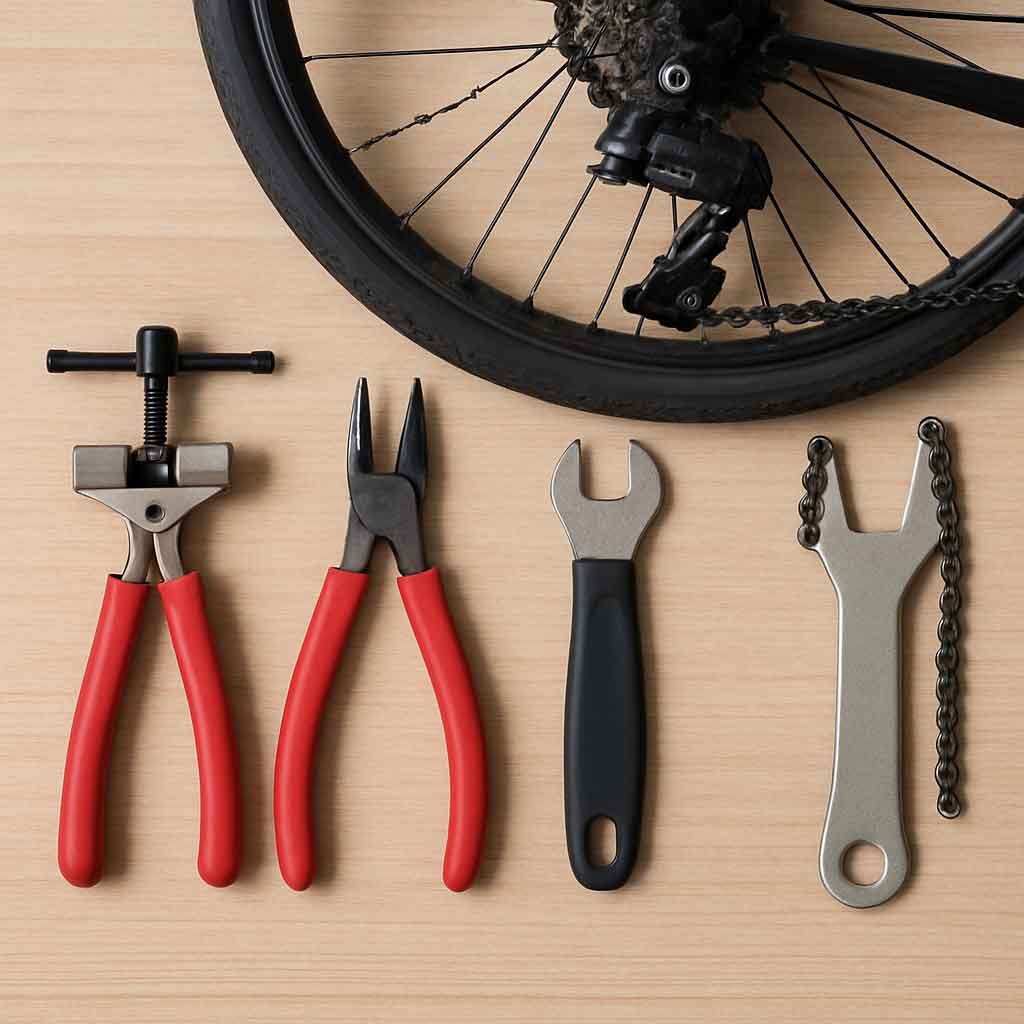
Using the wrong tools is another frequent mistake. For instance, using a hammer to force the chain into place can damage the links or derailleur. Always use appropriate tools such as a wrench or a chain tensioner to make adjustments.
Mistake 4: Overtightening the Chain
While a loose chain is a common issue, overtightening is equally problematic. A chain that is too tight can strain the bike's components, increasing the risk of breakage. Ensure that the chain has a small amount of slack to accommodate movement and shock absorption.
Mistake 5: Ignoring Chain Wear and Stretch
Chains naturally stretch over time due to regular use. If you adjust the tension without considering the chain's condition, you might not achieve the desired results. Regularly check for chain wear and replace it if necessary to maintain optimal tension.
How to Properly Adjust Chain Tension
Step 1: Gather the Necessary Tools
Before you begin, ensure you have the right tools on hand. You will typically need a wrench, chain tensioner, and a ruler or measuring tape.
Step 2: Check the Current Tension
Place the bike on a stand or lean it against a stable surface. Rotate the pedals slowly and observe the chain's movement. Check the play by pressing down on the chain midway between the sprockets, and measure how much it moves.
Step 3: Make Adjustments
.jpg)
by Rick Schultz (https://unsplash.com/@bikefitnesscoach)
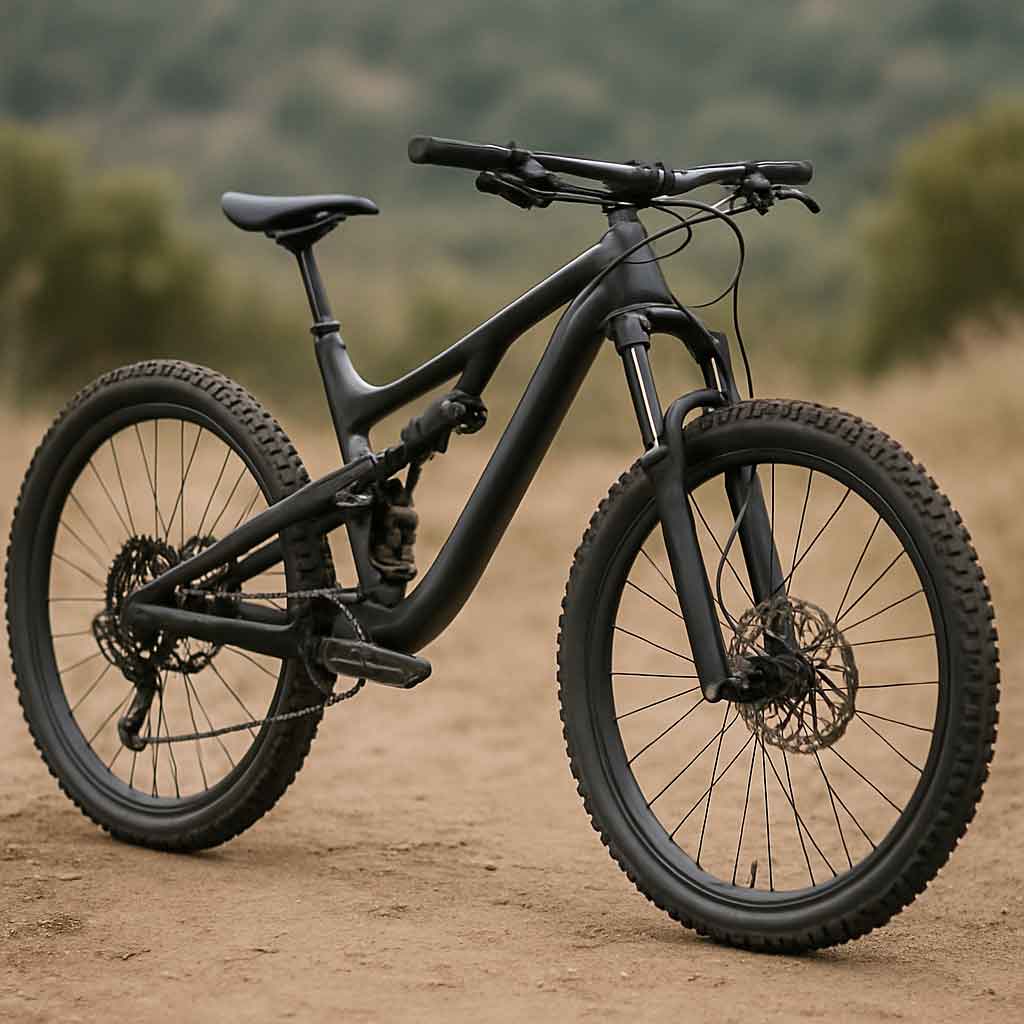
For fixed gear bikes, loosen the rear axle nuts and slide the rear wheel back to increase tension or forward to decrease it. For bikes with a derailleur, adjust the tension using the derailleur screws. Ensure the chain has a slight slack but is not too loose.
Step 4: Test Your Adjustments
After making adjustments, test the bike by riding it in a safe area. Listen for any unusual noises and check for smooth gear shifts. If necessary, make further adjustments until the chain tension feels right.
Tips for Maintaining Proper Chain Tension
- Regular Inspections: Make it a habit to check your chain tension regularly, especially before long rides or races.
- Lubrication: Keep your chain well-lubricated to reduce wear and ensure smooth movement.
- Replace Worn Components: Over time, components like the chain, cassette, and chainrings wear out. Replace them as needed to maintain proper tension.
- Professional Tune-ups: If you're unsure about adjusting the tension yourself, consider taking your bike to a professional for regular tune-ups.
Conclusion
Adjusting bike chain tension is an essential skill for any cyclist. By avoiding common mistakes and following the proper steps, you can ensure your bike operates smoothly and safely. Regular maintenance, including chain tension checks and adjustments, will extend the life of your bike and enhance your riding experience. Remember, a well-maintained bike is not only more efficient but also more enjoyable to ride. So, next time you notice your bike chain seems loose or tight, you'll know exactly what to do.








 Jack Ding

