Welcome to Mondince Bike - A well-known factory specialized in produce carbon bike frame and other parts since 2007.


Choosing the Right Carbon Bike Frame
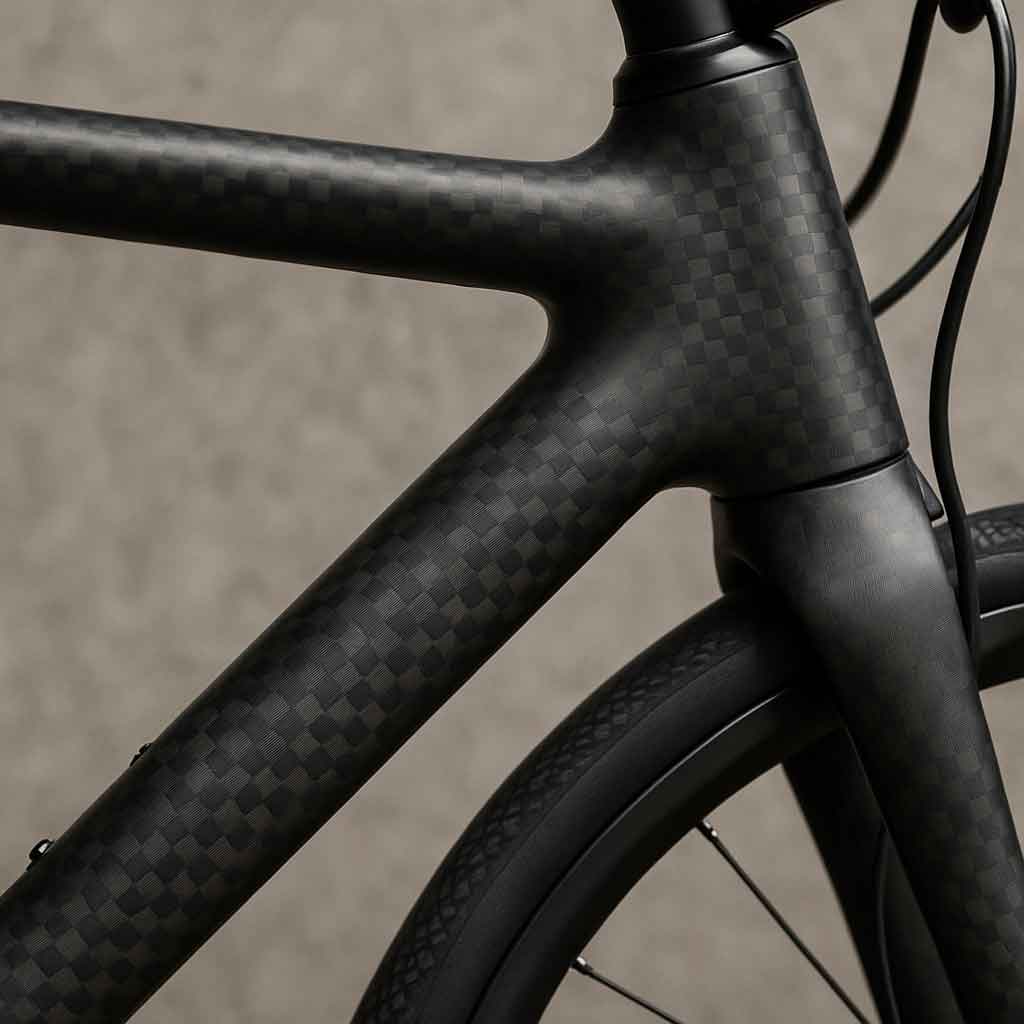
Carbon fiber has become the material of choice for many cyclists due to its lightweight nature and strength. Here are some reasons why a carbon bike frame might be the ideal option for you:
Lightweight and Strong
Carbon fiber is renowned for its strength-to-weight ratio, making carbon frames incredibly light yet durable. This is particularly beneficial for road cyclists who need to maintain speed and agility over long distances. A lighter bike can make climbing hills easier and can improve overall performance by reducing the effort required during long rides. Additionally, the strength of carbon fiber provides a robust structure that can withstand the stresses of competitive cycling, ensuring safety and reliability.
Enhanced Ride Quality
Carbon frames are designed to absorb road vibrations, providing a smoother ride compared to metal frames. This can reduce fatigue over long rides, allowing you to maintain performance and comfort. The damping properties of carbon fiber result in less road chatter, which can significantly improve your cycling experience, especially on rough terrains. Cyclists often find that carbon frames offer a more comfortable ride, which is crucial for those engaging in endurance cycling or long-distance touring.
Aerodynamic Advantage
The ability to mold carbon into complex shapes allows manufacturers to design frames that are more aerodynamic. This can significantly enhance performance, especially in competitive cycling. Aerodynamics play a vital role in cycling efficiency, helping to reduce drag and improve speed. Carbon frames often feature sleek profiles and streamlined designs that cut through the air more efficiently than traditional materials. This advantage is particularly noticeable in time trials and races, where every second counts.
Customizability
Another appealing aspect of carbon frames is their customizability. Manufacturers can tailor the layup of carbon fibers to suit specific performance characteristics, allowing for a personalized ride feel. This means that cyclists can choose frames that are tuned for stiffness, compliance, or a balance of both, depending on their riding style and needs. Customizability extends to aesthetics as well, with carbon frames offering a wide range of finishes and designs to suit individual preferences.
Key Considerations When Choosing a Carbon Bike Frame
When selecting a carbon road bike frame, several factors should influence your decision. Here's what you need to consider:
Frame Geometry
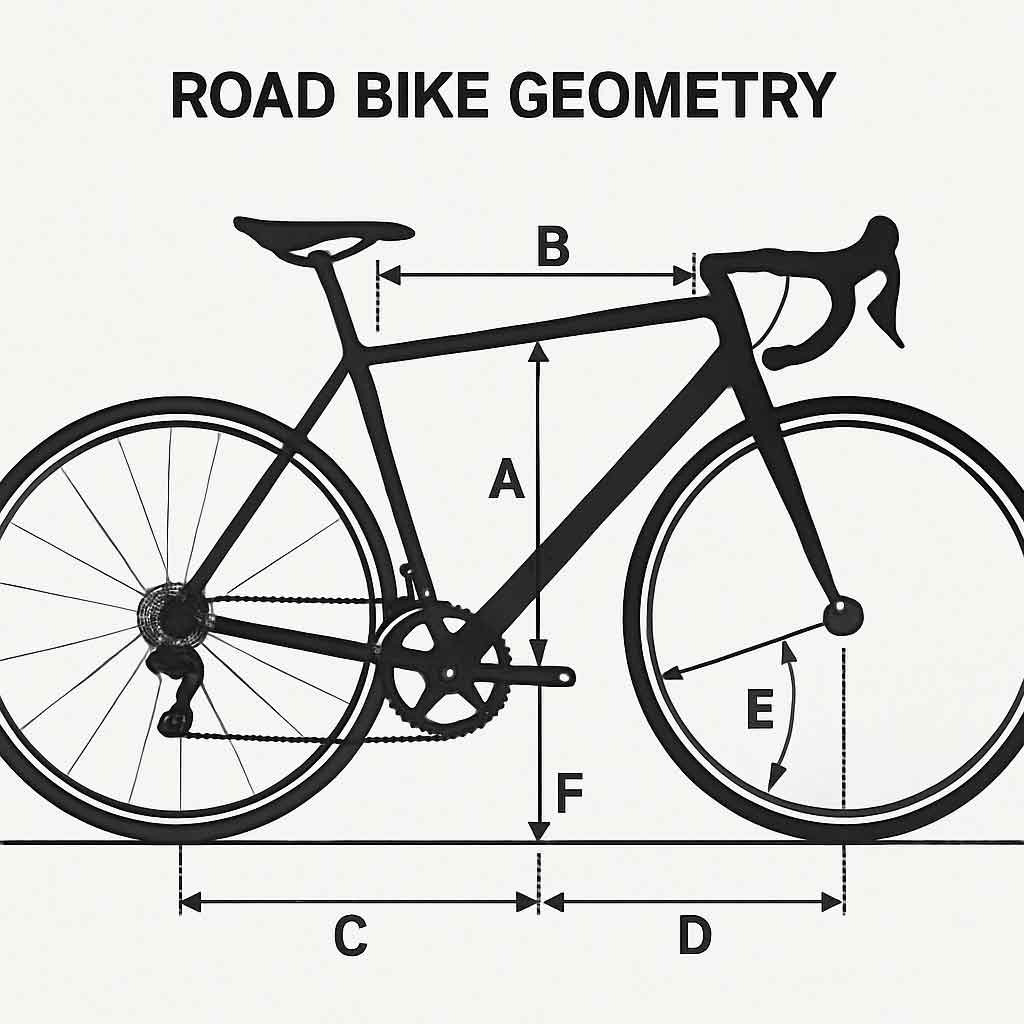
The geometry of a road bike frame affects your riding position and comfort. Different frames are designed for various cycling styles, such as racing or touring. Consider what type of cycling you'll primarily be doing and choose a frame geometry that supports your goals. Racing geometries tend to have a lower stack height and longer reach, promoting an aerodynamic position. In contrast, touring geometries are more relaxed, providing a comfortable posture for long-distance rides.
Frame Size
Selecting the correct frame size is crucial for comfort and performance. A frame that's too small or too large can lead to discomfort and inefficiency. Most manufacturers provide sizing charts based on height and inseam measurements, which can help guide your selection. It's also beneficial to test ride different sizes if possible, as personal preference and body proportions can influence the ideal fit. A well-fitted frame ensures better power transfer, control, and overall enjoyment during rides.
Type of Riding
Consider the type of riding you'll be doing most often. Are you racing, commuting, or embarking on long tours? Different road cycling frames are optimized for various types of riding. For instance, a carbon race bike frame is designed for speed and agility, while endurance frames focus on comfort over long distances. Understanding your primary cycling activities can help narrow down the frame options that will best meet your requirements and enhance your experience.
Budget and Cost
Carbon frames can be more expensive than aluminum or steel options. Determine your budget beforehand and explore road bike frames for sale that fit within your financial constraints. Keep in mind that investing in a quality frame can enhance your cycling experience. While initial costs may be higher, the benefits of a carbon frame, such as improved performance and reduced fatigue, can justify the investment. Consider long-term value and potential resale options when assessing your budget.
Brand and Warranty
When investing in a carbon bike frame, it's essential to consider the reputation of the brand and the warranty offered. Reputable brands often have a history of quality and innovation, providing confidence in the durability and performance of their frames. Additionally, a solid warranty can offer peace of mind, protecting your investment against manufacturing defects or potential issues. Researching customer reviews and brand history can help you make an informed decision.
Popular Types of Carbon Bike Frames
Understanding the different types of carbon frames can help you narrow down your choices. Here are some common types:
Racing Frames
Racing frames are designed for speed and performance. They typically have a more aggressive geometry, placing the rider in a lower, more aerodynamic position. These frames prioritize stiffness and weight reduction, making them ideal for competitive cyclists. The focus on aerodynamics and responsiveness means these frames excel in fast-paced environments, such as criteriums and road races. However, the aggressive posture may not be as comfortable for casual or long-distance cyclists.
Endurance Frames
Endurance frames offer a more relaxed geometry for comfort over longer rides. They absorb more road vibrations and often feature slightly higher stack heights and shorter reach, which can help reduce fatigue. These frames are perfect for cyclists who prioritize comfort without sacrificing performance. Endurance frames strike a balance between speed and comfort, making them suitable for long-distance events, sportive rides, and all-day cycling adventures.
Aero Frames
Aero frames focus on minimizing wind resistance. They often feature deeper tube profiles and integrated components to improve aerodynamics. These frames are suitable for time trials and triathlons where speed is paramount. The advanced aerodynamics of these frames can provide a competitive edge, enabling cyclists to maintain higher speeds with less effort. However, the specialized design may not be as versatile for general riding or off-road conditions.
Gravel and Adventure Frames
For those who enjoy exploring off the beaten path, gravel and adventure frames offer a unique blend of versatility and durability. These frames are designed to handle rough terrains, with features such as wider tire clearance, robust construction, and mounts for accessories like racks and fenders. Gravel frames provide the flexibility to tackle a variety of surfaces, from paved roads to dirt trails, making them ideal for adventure seekers and bikepacking enthusiasts.
How to Care for Your Carbon Frame
.jpg)
by Team Evelo (https://unsplash.com/@eveloelectricbikes)
To ensure the longevity of your carbon road frame, proper maintenance is essential:
Regular Cleaning
Keep your frame clean by wiping it down after each ride. Use a mild soap and water solution to remove dirt and grime. Regular cleaning prevents buildup that can damage the finish and compromise the frame's integrity. Pay special attention to areas where dirt accumulates, such as the bottom bracket and rear triangle. A clean frame not only looks great but also performs better, as dirt and debris can affect moving parts and overall efficiency.
Inspect for Damage
Regularly inspect your frame for cracks or damage, especially after a crash or accident. Carbon fiber can be susceptible to impact damage, which may not always be immediately visible. Look for any signs of stress, such as unusual creaking or visible fractures. Promptly addressing any issues can prevent further damage and ensure your safety while riding. If in doubt, seek professional assessment to verify the frame's condition.
Torque Wrench
Use a torque wrench to ensure that bolts are tightened to the manufacturer's specifications. Over-tightening can damage the carbon material. Proper torque settings are critical to maintaining the structural integrity of the frame and components. A torque wrench provides precise control, preventing the risk of overtightening and potential damage. Regularly check and adjust torque settings to keep your bike in optimal condition.
Storage
Store your bike in a dry place to prevent moisture damage. Avoid leaving it in direct sunlight for extended periods, as UV rays can degrade carbon fibers over time. Proper storage conditions can significantly extend the life of your carbon frame, protecting it from environmental elements that cause wear and tear. Consider using a bike cover or indoor storage solution to shield your bike from harmful conditions.
Professional Servicing
Periodic professional servicing can help maintain the performance and safety of your carbon frame. Bike mechanics can identify potential issues, perform necessary adjustments, and ensure that all components are functioning correctly. Regular servicing can catch problems early, preventing costly repairs or replacements. Building a relationship with a trusted bike shop can provide valuable support and advice for maintaining your carbon bike.
Conclusion
Choosing the right carbon bike frame requires careful consideration of your cycling needs, budget, and preferences. With the right frame, you'll enjoy enhanced performance, comfort, and durability. Whether you're exploring road bicycle frames for casual rides or seeking a competitive edge with a carbon race bike frame, understanding the intricacies of carbon frames will help you make the best choice.
Remember, investing in a quality carbon frameset is an investment in your cycling enjoyment and performance. Take the time to research and test different frames to find the perfect fit for your riding style. By prioritizing your specific requirements and taking advantage of the benefits that carbon frames offer, you can elevate your cycling experience to new heights.






 Jack Ding

