Welcome to Mondince Bike - A well-known factory specialized in produce carbon bike frame and other parts since 2007.


Carbon vs. Aluminum: Which is Better?
When it comes to choosing the perfect road bike frame, cyclists often find themselves at a crossroads: carbon or aluminum? Both materials have their pros and cons, and understanding them can make a significant difference in your riding experience. In this article, we'll delve into the key differences between carbon and aluminum road frames to help you make an informed decision. Whether you're a seasoned cyclist or a beginner looking to buy your first road bike, this guide will provide clarity.
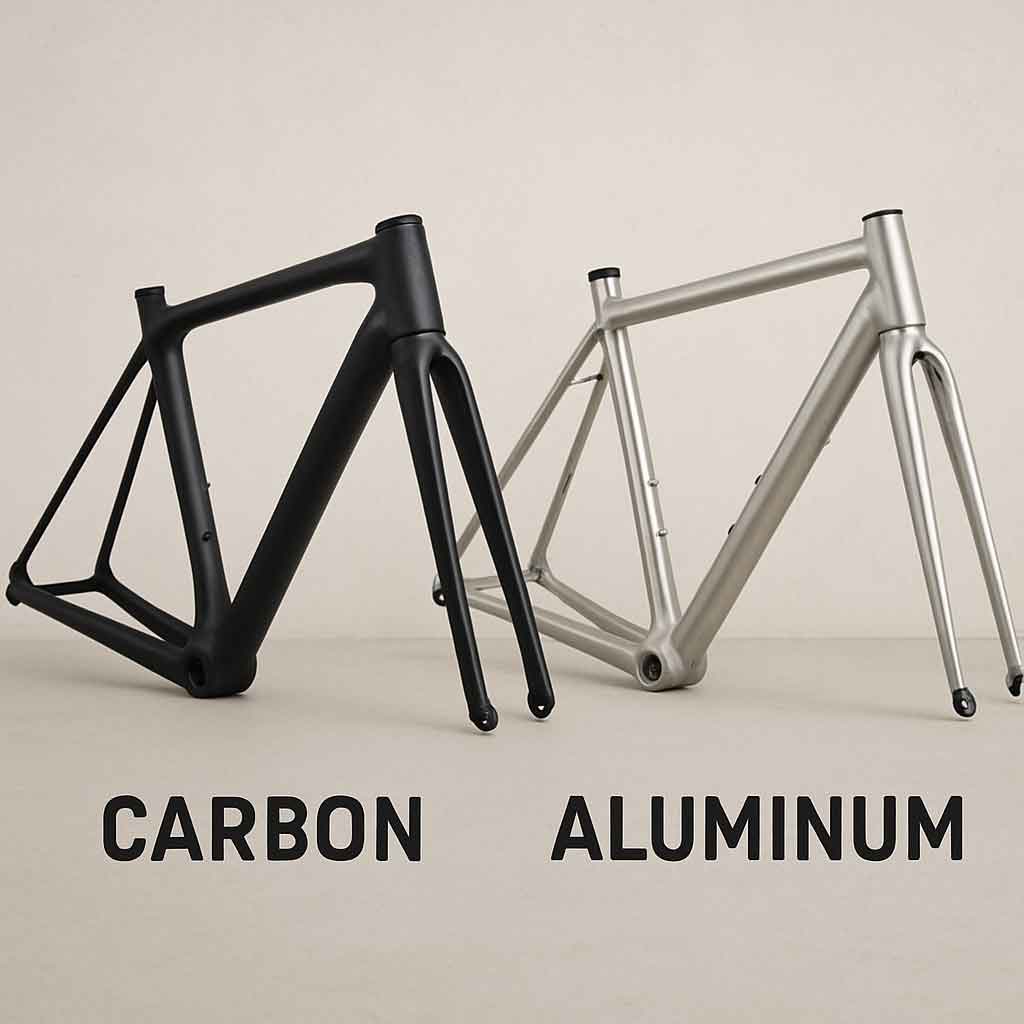
Understanding Road Bike Frames
Before we dive into the comparison, let's quickly review the role of the road bike frame. The frame is the backbone of any bicycle, providing the structure and support needed to hold everything together. It affects the bike's weight, durability, and ride quality, making it a critical component for any cyclist.
The Backbone of the Bicycle
The bicycle frame serves as the central structure to which all other components are attached. This includes the wheels, seat, handlebars, and pedals. A well-designed frame ensures stability and balance, crucial for a safe and enjoyable ride. The geometry of the frame also influences the bike’s handling and responsiveness, impacting how it maneuvers through different terrains.
Material Matters
The material of the frame plays a significant role in determining the bike's overall performance. Different materials, such as carbon and aluminum, offer varied benefits that cater to specific riding preferences. Understanding these materials' properties helps cyclists choose a frame that aligns with their needs, whether it's for speed, comfort, or durability.
Evolution of Road Bike Frames
Over the years, road bike frames have evolved significantly. Advances in technology have allowed manufacturers to experiment with new materials and construction techniques. This evolution has resulted in lighter, stronger, and more aerodynamic frames, offering cyclists a range of options to enhance their riding experience.
The Rise of Carbon Frames
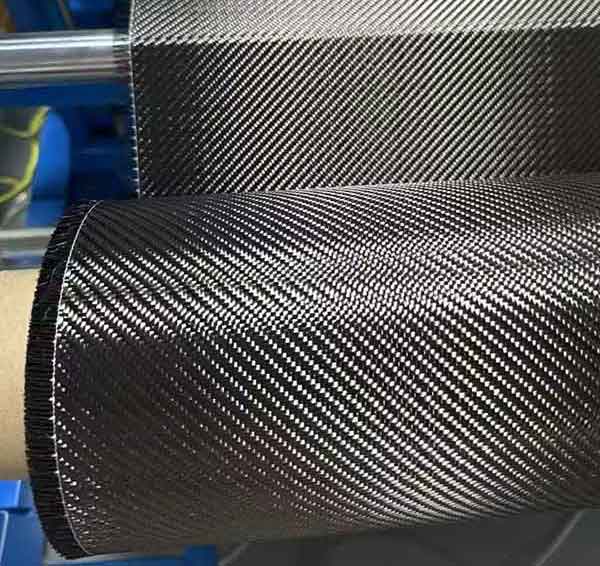
Carbon fiber has become a popular choice for road bike frames in recent years. Known for its lightweight and strong properties, carbon fiber allows manufacturers to design frames that are both aerodynamic and comfortable. This has made carbon frames a top choice for competitive cyclists and those looking for high-performance bikes.
Lightweight Marvel
One of the standout features of carbon frames is their incredibly low weight. This characteristic is a game-changer for those who prioritize speed and agility. A lighter frame means less effort is required to maintain high speeds, making it ideal for competitive cycling where every second counts.
Aerodynamics and Design Flexibility
Carbon fiber's versatility allows for innovative designs that enhance aerodynamic performance. Manufacturers can mold carbon into complex shapes that minimize air resistance, providing a significant advantage in races. This design flexibility also allows for unique aesthetics, offering cyclists a chance to stand out with sleek, modern frames.
Comfort and Vibration Damping
Another appealing aspect of carbon frames is their ability to dampen vibrations from the road. This feature is particularly beneficial for long-distance cyclists who encounter varying terrains. The dampening effect reduces fatigue by minimizing the road's impact on the rider, enhancing comfort over extended rides.
The Pros and Cons of Carbon Frames
Advantages of Carbon Frames
- Lightweight: Carbon fiber is significantly lighter than aluminum, making it an ideal choice for those who prioritize speed and performance. This weight reduction translates to faster acceleration and easier climbing, crucial for competitive edge.
- Aerodynamics: Thanks to its flexibility, carbon can be molded into aerodynamic shapes, which can reduce air resistance and improve speed. This advantage is particularly beneficial in time trials and races where aerodynamics play a critical role.
- Vibration Damping: Carbon frames are excellent at absorbing road vibrations, providing a smoother ride, especially on rough surfaces. This characteristic not only enhances comfort but also reduces fatigue, allowing riders to maintain performance over longer distances.
- Aesthetic Appeal: Carbon frames can be designed with sleek, modern lines, adding to the overall aesthetic of the bike. The material's flexibility in design allows for unique and stylish frames that appeal to cyclists who value aesthetics as much as performance.

Disadvantages of Carbon Frames
- Cost: Carbon frames are generally more expensive than aluminum frames due to the complexity of manufacturing. The advanced technology and labor-intensive process involved in producing carbon frames contribute to their higher price point, which might be a barrier for budget-conscious cyclists.
- Durability: While strong, carbon can be brittle and more susceptible to damage from sharp impacts or crashes. This vulnerability means that even minor accidents can result in significant damage, requiring careful handling and maintenance.
- Repairability: Repairing a carbon frame can be costly and complicated, sometimes requiring specialized skills and tools. Unlike aluminum, which can often be welded, carbon repairs involve complex processes that not all repair shops are equipped to handle.
The Pros and Cons of Aluminum Frames
Advantages of Aluminum Frames
- Affordability: Aluminum frames are typically more budget-friendly, making them accessible to a wider range of cyclists. This affordability does not mean a compromise on quality, as aluminum frames can still offer excellent performance for many riders.
- Durability: Aluminum is tough and can withstand more rough handling compared to carbon, making it a good choice for everyday use. Its resilience makes it ideal for riders who frequently encounter rough terrains or those who use their bikes for commuting.
- Stiffness: The stiffness of aluminum frames can lead to efficient power transfer, which is beneficial for sprinting and climbing. This characteristic ensures that more of the rider’s energy is directed into forward motion, enhancing performance during intense riding sessions.
Disadvantages of Aluminum Frames
- Weight: Aluminum frames are generally heavier than their carbon counterparts, which might be a consideration for competitive cyclists. This extra weight can impact acceleration and climbing efficiency, making it less ideal for those focused on speed.
- Vibration: Aluminum does not absorb vibrations as well as carbon, which can lead to a harsher ride on rough surfaces. This lack of vibration damping can result in increased fatigue over long distances, affecting overall ride comfort.
- Less Aerodynamic: The manufacturing process of aluminum frames often results in less aerodynamic designs. This can be a disadvantage in competitive scenarios where aerodynamics play a crucial role in performance.
Performance and Ride Quality
When it comes to performance, carbon frames generally offer a smoother ride and better speed due to their lightweight and aerodynamic properties. However, if you're prioritizing durability and affordability, an aluminum frame might be more appealing.
Carbon Performance Edge
Carbon frames provide a performance edge due to their lightweight nature and superior aerodynamics. These features contribute to faster speeds and more efficient climbing, making carbon the preferred choice for competitive cyclists. The vibration damping further enhances ride quality, reducing fatigue and allowing riders to maintain high performance over longer distances.
Aluminum’s Practicality
Aluminum frames, while heavier, offer practical benefits that appeal to a broad range of cyclists. Their durability ensures they can withstand daily wear and tear, making them suitable for commuting and recreational riding. The cost-effectiveness of aluminum also makes it an attractive option for those looking to balance performance with budget considerations.
Balancing Needs and Preferences
Choosing between carbon and aluminum frames involves balancing performance needs with personal preferences and budget. Consideration of factors like ride comfort, intended use, and financial investment will guide cyclists toward the frame material that best suits their individual requirements.

by Sunil Chandra Sharma (https://unsplash.com/@sunilcsharma)
Who Should Choose Carbon Frames?
If you are a competitive cyclist or someone who frequently participates in races, investing in a carbon frame can provide the edge you need. The lightweight nature, combined with excellent vibration damping, will enhance your performance and comfort, especially over long distances.
Competitive Advantage
For competitive cyclists, every advantage counts. Carbon frames offer the lightweight and aerodynamic benefits that can make a significant difference in races. The ability to accelerate quickly and maintain speed with less effort gives carbon frame users a crucial edge over competitors.
Long-Distance Comfort
Long-distance riders will appreciate the comfort offered by carbon frames. The vibration damping reduces physical strain and fatigue, allowing cyclists to focus on performance rather than discomfort. This makes carbon an excellent choice for endurance events and long training rides.
Investment in Performance
While more expensive, the investment in a carbon frame can be justified by the performance benefits it provides. For those dedicated to improving their cycling prowess, the cost of a carbon frame is offset by the gains in speed, efficiency, and comfort.
Who Should Choose Aluminum Frames?
For casual cyclists or those on a budget, aluminum frames offer a great balance of performance and cost-effectiveness. They are robust enough for daily commuting and recreational cycling, making them a versatile choice for many riders.
Budget-Friendly Option
Aluminum frames offer an affordable entry point for cyclists who want a reliable bike without breaking the bank. Their lower cost makes them accessible to a wider audience, from beginners to experienced riders looking for a second bike.
Versatility for Daily Use
The durability and toughness of aluminum frames make them ideal for everyday use. Whether commuting through city streets or enjoying weekend rides, aluminum frames provide the robustness needed for a variety of cycling activities.
Practical Performance
Aluminum frames deliver practical performance benefits, including efficient power transfer and resilience. These features make aluminum bikes suitable for those who value functionality and reliability over high-end performance.
Making the Right Choice
Ultimately, the decision between carbon and aluminum road frames depends on your personal needs, budget, and riding style. Here are a few questions to consider:
- How important is weight to your riding experience?
- Are you more focused on competitive cycling or recreational use?
- What is your budget for a new road bike?
Assessing Your Priorities
Consider what aspects of cycling are most important to you. If speed and performance are top priorities, a carbon frame may be worth the investment. If you value durability and cost-effectiveness, aluminum might be the better choice.
Evaluating Riding Style
Your riding style will also influence your decision. Competitive cyclists will benefit from the performance attributes of carbon frames, while casual riders may find aluminum frames more aligned with their needs. Understanding your cycling habits will guide your choice.
Budget Considerations
Your budget will play a significant role in your decision. While carbon frames offer advanced features, they come at a higher cost. Aluminum frames provide a more affordable option without sacrificing essential performance elements, making them an excellent choice for budget-conscious riders.
Conclusion
In the debate of carbon versus aluminum road bike frames, there is no one-size-fits-all answer. Each material has its unique benefits and drawbacks that cater to different types of cyclists. Whether you choose the cutting-edge technology of carbon or the robust reliability of aluminum, ensure that your choice aligns with your cycling needs and aspirations. Remember to weigh factors such as performance, comfort, durability, and budget to make the best decision for your cycling journey.
Happy cycling!










 Jack Ding

