Welcome to Mondince Bike - A well-known factory specialized in produce carbon bike frame and other parts since 2007.


Maintenance Tips for Your Cadre Velo
Owning a bicycle is not just about enjoying the ride; it's also about ensuring that your bike, particularly the cadre vélo or bike frame, is in top condition. Regular maintenance can extend the life of your bike and enhance your cycling experience. In this guide, we'll explore essential maintenance tips for your cadre vélo, helping you keep your ride smooth and safe.
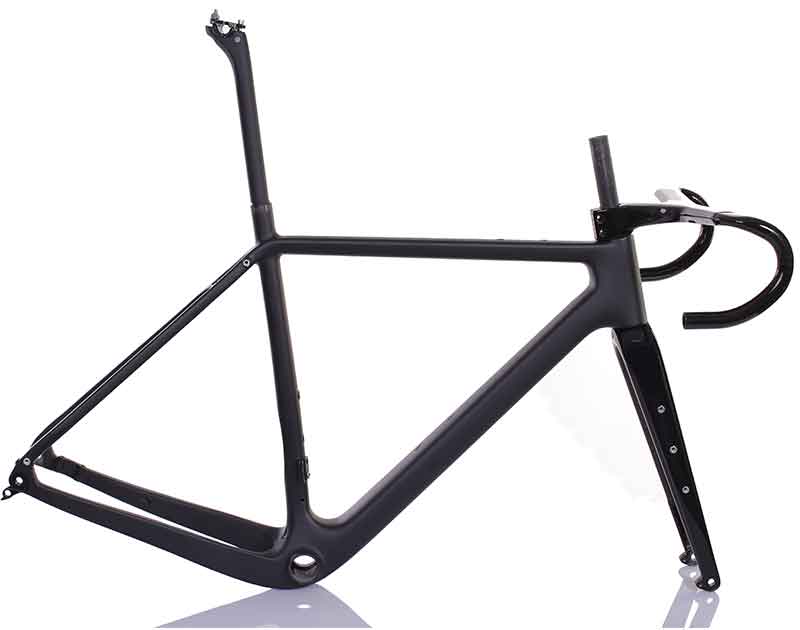
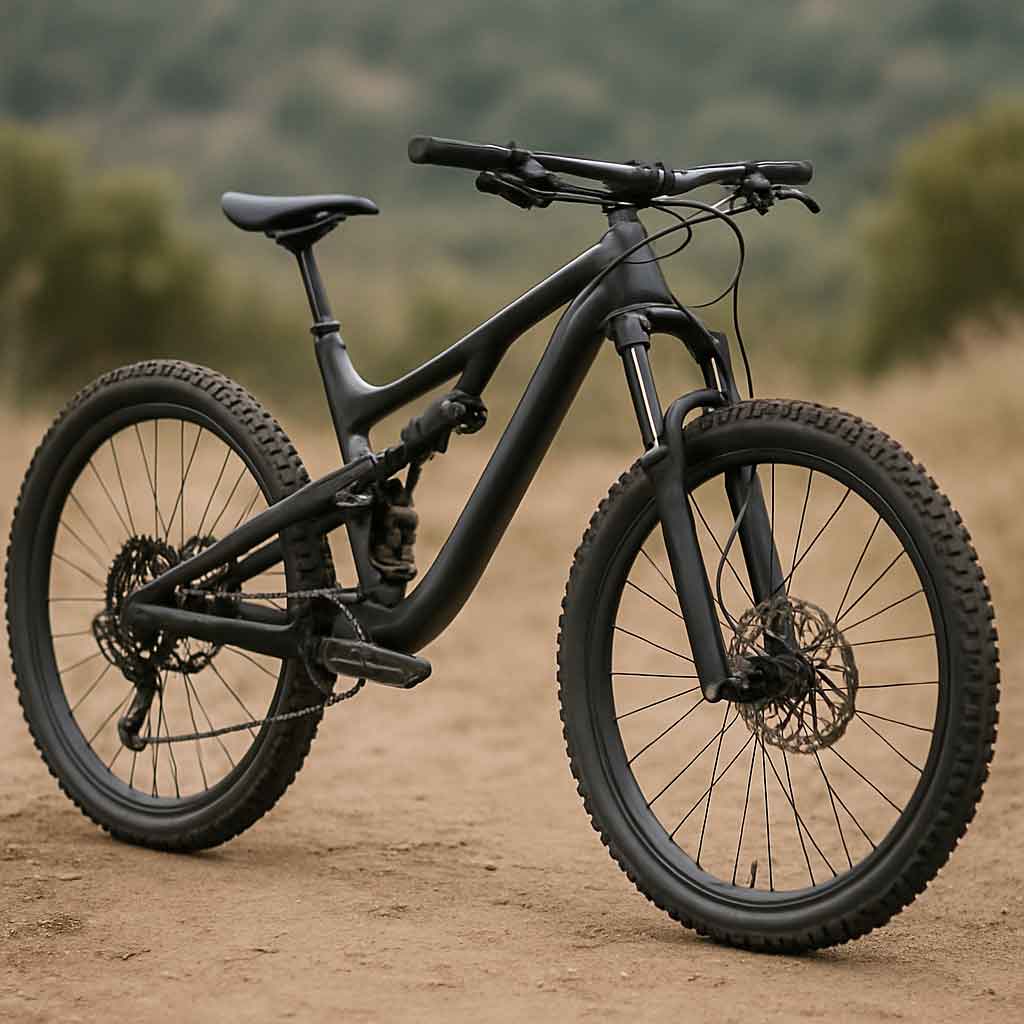
Before diving into maintenance tips, it's important to understand what your cadre vélo comprises. The frame is the backbone of your bike, connecting all the components and holding them together. It typically includes the top tube, down tube, seat tube, chainstays, and seatstays. These parts work together to provide structure and support, impacting the bike's performance and comfort.
Understanding the anatomy of your frame is crucial. The top tube connects the seat tube and the head tube, and it plays a significant role in your bike’s overall balance. The down tube links the head tube to the bottom bracket, providing structural stability. The seat tube, meanwhile, supports your seat post and saddle, crucial for ride comfort. Chainstays and seatstays form the rear triangle, crucial for power transfer and stability.
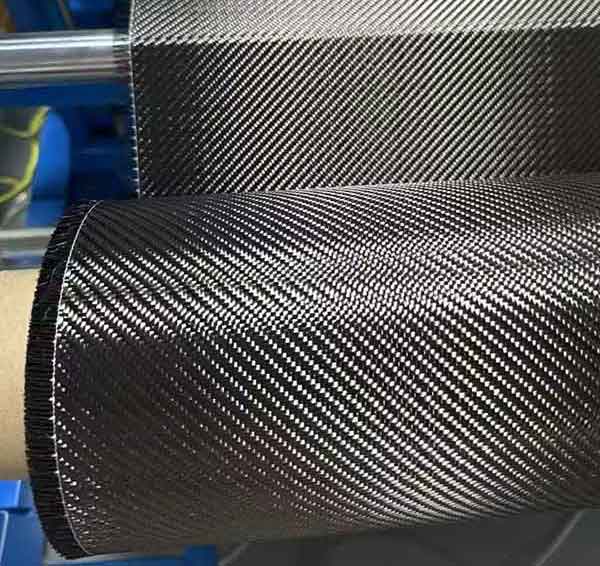
Frames come in various materials, each with unique properties. Aluminum frames are lightweight and affordable, making them a popular choice for many cyclists. Carbon fiber frames offer a balance of strength and weight savings, ideal for performance-oriented riders. Steel frames, known for their durability and comfort, are often favored by touring cyclists. Titanium frames, though expensive, combine the best of steel and aluminum, providing a smooth ride with corrosion resistance.
The geometry of your cadre vélo affects your riding posture and comfort. Factors like the angle of the head tube and seat tube, the length of the top tube, and the height of the bottom bracket all contribute to how a bike feels and handles. Ensuring your frame fits you well is essential for comfort and efficiency, reducing the risk of discomfort or injury during long rides.
Your cadre vélo is subjected to various stresses and environmental conditions. Regular maintenance ensures that it remains strong, safe, and reliable. Neglecting frame care can lead to issues such as corrosion, cracking, or misalignment, which can affect your bike's performance and safety.
Maintaining the structural integrity of your frame is paramount. A compromised frame can lead to catastrophic failures, especially when riding at high speeds or on challenging terrain. Regular checks and maintenance help prevent such risks, ensuring that your frame remains sturdy and reliable.
A well-maintained frame not only lasts longer but also performs better. Regular maintenance can prevent minor issues from escalating into major problems, saving you money in the long run. A smooth-running frame enhances your cycling experience, allowing you to focus on the joy of the ride rather than worrying about potential mechanical failures.
Safety should always be a top priority for any cyclist. A neglected frame can develop hidden dangers that compromise your ride's safety. By investing time in regular maintenance, you ensure that your bike is safe to ride, giving you peace of mind whether you’re commuting, touring, or tackling challenging trails.
One of the simplest yet most effective maintenance tasks for your cadre vélo is regular cleaning. Dirt and grime can accumulate on the frame, leading to scratches and corrosion over time.
Before you start cleaning, gather the necessary tools: a gentle hose, a bike-specific cleaner, a soft brush, and a microfiber cloth. Ensure you’re in a well-ventilated area with good drainage. Remove any accessories or components that can be easily detached, such as water bottles, to simplify the cleaning process.
- Rinse the Frame: Use a gentle stream of water to rinse off loose dirt. Avoid high-pressure hoses that can force water into bearings and other sensitive areas. This first rinse helps to soften and dislodge any surface grime, making the subsequent cleaning steps more effective.
- Apply a Bike Cleaner: Use a bike-specific cleaner and a soft brush or sponge to scrub the frame. Pay attention to areas where dirt and grease tend to build up, such as around the bottom bracket and rear triangle. Be thorough but gentle, ensuring you don’t scratch the frame’s finish.
- Rinse and Dry: Rinse the frame thoroughly with clean water, ensuring all soap and grime are removed. Dry it with a soft cloth to prevent water spots and rust. Drying is crucial, as lingering moisture can lead to corrosion, especially in metal frames.
After cleaning, take a moment to inspect your frame for any damage or wear that might have been obscured by dirt. Check for any chips in the paint that might expose the metal beneath, and look for signs of rust or corrosion. This inspection can help you catch potential problems early, preventing them from worsening.
Regularly inspecting your cadre vélo for damage is crucial for maintaining its integrity. Look for signs of wear and tear, such as cracks, dents, or rust spots.
- Visual Check: Start with a visual inspection, looking for any obvious signs of damage. Use a flashlight to inspect less visible areas like the underside of the frame. This can help you spot early signs of wear that might not be immediately apparent.
- Tactile Examination: Run your fingers along the frame to feel for any irregularities. Sometimes, small cracks or dents can be felt more easily than seen. This tactile approach ensures you don’t miss any subtle but potentially serious issues.
- Sound Test: Gently tap along the frame with a plastic or rubber tool. A uniform sound indicates a solid structure, while a dull or different sound might suggest a crack or internal damage. This method can help detect hidden issues that are not visible externally.
- Welds and Joints: Pay particular attention to the welds and joints, as these areas are often under the most stress. Cracks or weaknesses here can compromise the entire frame’s integrity. Regular checks can ensure these critical areas remain strong.
- Paint and Coating Condition: Check the condition of the paint or protective coating. Chips or scratches can expose the underlying material to corrosion, especially in harsh weather conditions. Addressing these promptly can prevent further damage.
- Components Connection: Examine where components attach to the frame, such as the bottom bracket, headset, and dropouts. Ensure these connections are secure and free of damage, as they are vital for the bike’s performance and safety.
Keeping your cadre vélo well-lubricated ensures smooth operation and reduces wear on moving parts. While lubrication mainly involves the drivetrain, it's also essential for certain frame components.
- Seatpost: If your seatpost is metal, apply a thin layer of grease to prevent it from seizing within the seat tube. This is especially important if you frequently adjust your seat height, as it ensures smooth movement and easy adjustments.
- Bolts and Screws: Apply a small amount of grease to bolts and screws to prevent corrosion and ensure easy removal when needed. This preventative measure can save time and frustration during routine maintenance or repairs.
- Cable Housings: Lubricate the entry and exit points of cable housings to ensure smooth shifting and braking. Proper lubrication reduces friction and wear, enhancing your bike's overall performance.
Selecting the right lubricant is crucial for effective maintenance. Use a high-quality bicycle-specific grease or lubricant, as these are formulated to withstand the conditions bikes typically encounter. Avoid household oils or generic lubricants, as they may not provide adequate protection and can attract more dirt.
Regular lubrication is necessary, but over-lubricating can attract dirt and grime. A general guideline is to lubricate after cleaning or when you notice increased friction or noise during rides. Adjust the frequency based on your riding conditions—wet or muddy environments might require more frequent attention.
Protecting your cadre vélo from potential damage can significantly extend its lifespan. Here are some tips to consider:
- Frame Guards: Consider using frame protectors, especially on areas prone to cable rub or impact. These guards can prevent scratches and chips, preserving the frame’s aesthetic and structural integrity. They are often made from durable materials that can withstand regular wear and tear.
- Clear Coatings: Apply a clear protective coating to vulnerable areas to prevent scratches and minor impacts. These coatings are often invisible but provide a tough barrier against potential damage, keeping your frame looking new.
- Protective Tape: Use protective tape on high-contact areas like the chainstay, where the chain might slap against the frame. This tape absorbs impact and reduces noise, adding an extra layer of protection.
- Indoor Storage: Store your bike indoors when possible to shield it from the elements. A dry, temperature-controlled environment prevents moisture buildup and reduces the risk of rust and corrosion.
- Use of Bike Covers: When outdoor storage is necessary, use a high-quality bike cover to protect it from rain, sun, and dust. Ensure the cover is breathable to prevent moisture accumulation beneath it, which can lead to corrosion.
- Suspended Storage: If space allows, store your bike suspended to prevent pressure on the tires and frame. This method also keeps your bike safe from accidental knocks or damage in busy areas.
While DIY maintenance is valuable, professional servicing is equally important. Regular check-ups by a qualified bike mechanic can catch issues that might go unnoticed.
- Thorough Inspection: A professional mechanic will conduct a thorough inspection of your cadre vélo, identifying any hidden issues that might not be visible to the untrained eye. Their expertise ensures that potential problems are addressed before they become serious.
- Alignment Check: They will ensure that the frame is properly aligned and true. Misalignment can lead to poor handling and uneven tire wear, so correcting it is essential for optimal performance.
- Advanced Repairs: For significant damage or wear, a professional can perform advanced repairs to restore your frame's integrity. They have the tools and expertise to tackle complex issues that are beyond typical DIY capabilities.
Regular professional servicing should complement your DIY efforts. Aim for at least an annual service, or more frequently if you ride often or in harsh conditions. This ensures that your bike remains in top condition and any issues are promptly addressed.
Select a mechanic with experience and good reviews. A reputable bike shop with knowledgeable staff can provide reliable service, ensuring your bike receives the best care. Building a relationship with a trusted mechanic can be invaluable for ongoing bike maintenance.
Maintaining your cadre vélo is essential for ensuring a safe and enjoyable ride. Regular cleaning, inspection, lubrication, and protection can significantly extend the life of your bike frame. Don't hesitate to seek professional servicing for comprehensive care. With these maintenance tips, you'll keep your cadre vélo in excellent condition, ready for many more adventures on the road. Prioritize regular upkeep to enjoy seamless rides and prolong your bike’s lifespan, ensuring every journey is as enjoyable as the first.






 Jack Ding

