Welcome to Mondince Bike - A well-known factory specialized in produce carbon bike frame and other parts since 2007.


Enhancing Performance with Cadre Velo Upgrades
In this article, we will explore the benefits of frame upgrades, the different types of "kit cadre" available, and how these improvements can lead to better performance on the road.
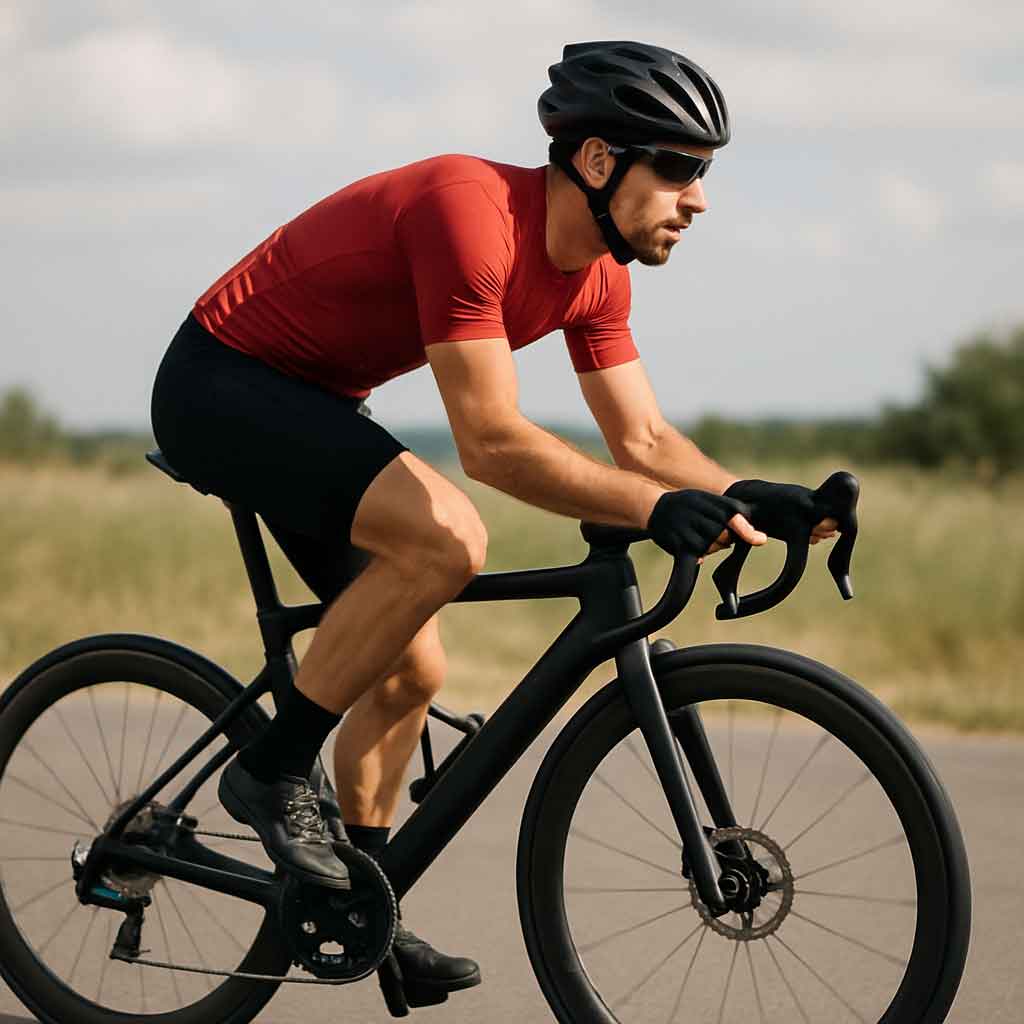
The frame, or "cadre vélo," serves as the backbone of your bicycle. It determines the bike's strength, weight, and overall ride quality. When considering a frame upgrade, it's essential to understand the different materials and designs that can impact your cycling performance.
The Role of Frame Geometry
Frame geometry plays a crucial role in how your bike handles and feels. It affects everything from your riding position to the bike's stability and maneuverability. A frame with the right geometry can enhance comfort and control, particularly on long rides or challenging terrains.
Impact of Frame Size
Choosing the correct frame size is vital for ensuring a comfortable and efficient ride. A frame that's too small or too large can lead to discomfort and reduced performance. It's important to measure your inseam and overall height to select a frame size that suits your body dimensions.
Influence of Frame Design
The design of the frame also influences its performance characteristics. For instance, frames with a sloping top tube offer more standover height, which can be beneficial for off-road biking. Conversely, a straight top tube provides a more traditional look and feel, which some cyclists prefer.
Common Frame Materials
There are several materials commonly used for bike frames:
- Steel: Known for its durability and comfort, steel frames are often heavier but provide a smooth ride. They are a popular choice for touring bikes.
Steel frames are renowned for their classic appeal and resilience. They offer a forgiving ride over rough surfaces, absorbing vibrations effectively. This makes them ideal for long-distance touring, where comfort is paramount. However, their weight can be a disadvantage for speed-focused cyclists.
- Aluminum: Lightweight and affordable, aluminum frames are stiff and responsive, making them a favorite among road cyclists.
Aluminum frames have become a staple in the cycling world due to their affordability and performance. They offer excellent power transfer, making them ideal for racing and climbing. Despite being less forgiving than steel, advancements in technology have improved their comfort levels through innovative design features.
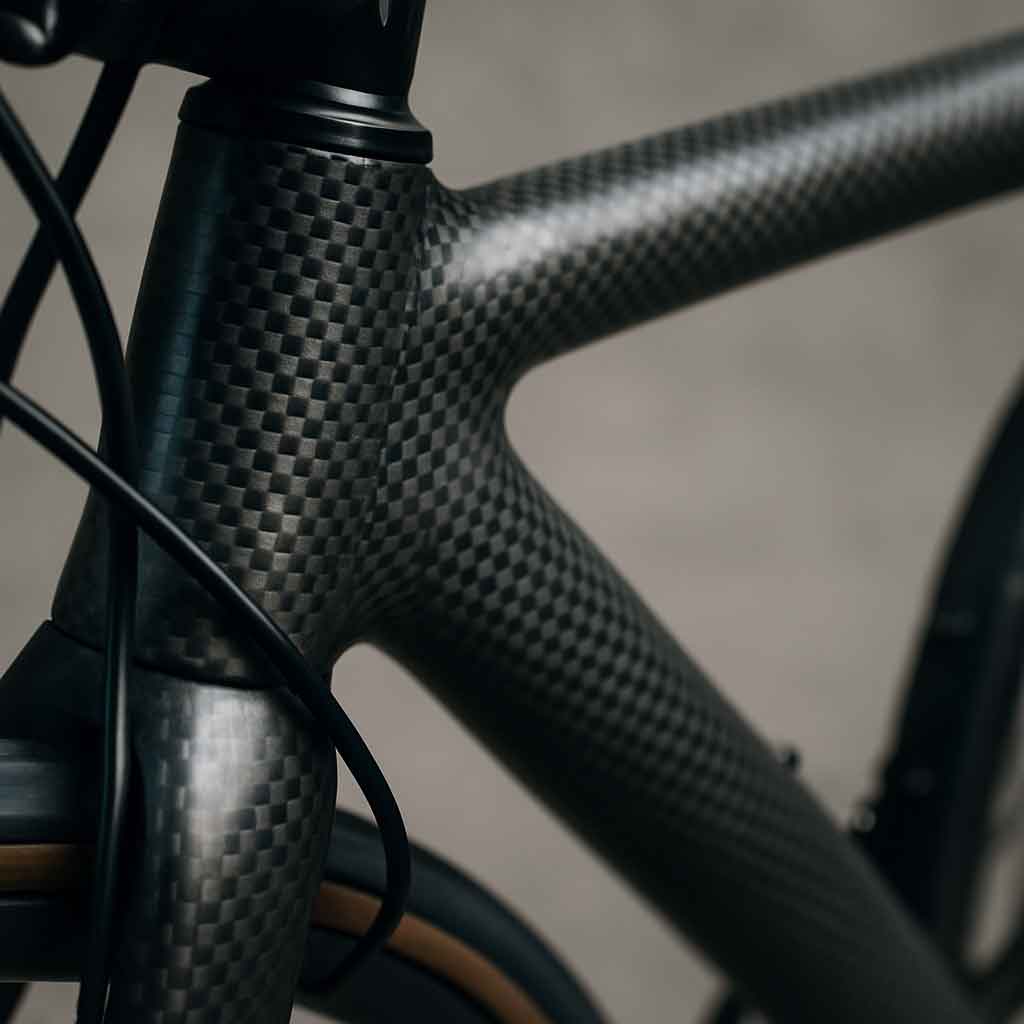
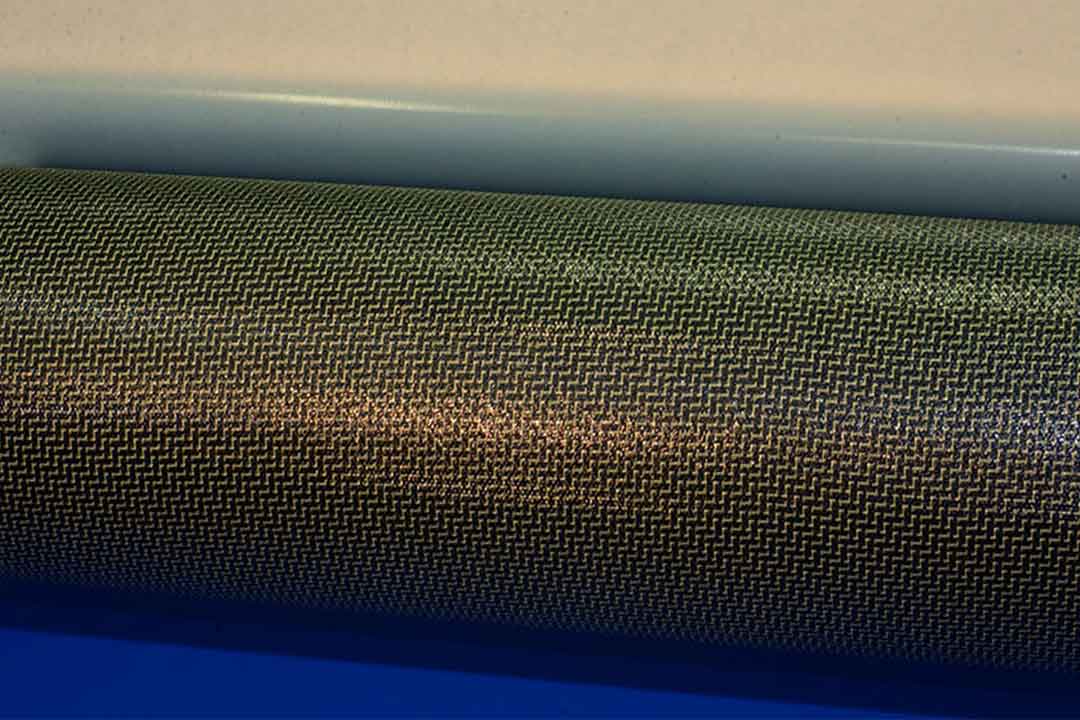
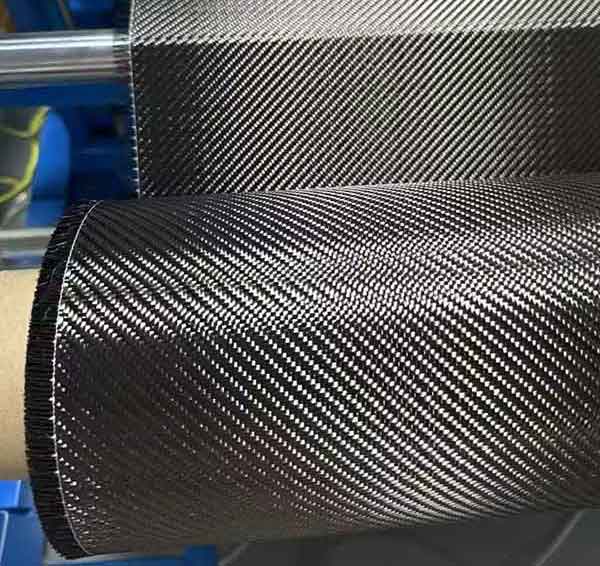
- Carbon Fiber: Offering an excellent strength-to-weight ratio, carbon fiber frames are ideal for competitive cyclists looking for high performance.
Carbon fiber frames are the choice of professionals and enthusiasts aiming for top-tier performance. They are incredibly light and can be engineered to provide a perfect balance of stiffness and compliance. This customization ability allows for tailored ride qualities, ensuring both speed and comfort.
- Titanium: Combining the best of steel and aluminum, titanium frames are lightweight, strong, and provide a comfortable ride, though they can be expensive.
Titanium frames are prized for their longevity and ride quality. They offer a unique combination of strength and lightness, providing a smooth ride similar to steel but without the weight penalty. Although expensive, their durability and timeless appeal justify the investment for many serious cyclists.
Each material has its advantages and disadvantages, so it's crucial to consider your cycling needs and preferences when selecting a frame material.
Benefits of Upgrading Your Frame
Upgrading to a better frame can offer numerous benefits:
Improved Performance
A high-quality frame can drastically improve your bike's performance. For instance, a lighter frame will make climbing hills easier and enhance acceleration. Additionally, a stiffer frame can improve power transfer, allowing you to pedal more efficiently.
A lighter frame reduces the effort required to climb, which is particularly beneficial in hilly areas. The reduction in weight can also enhance your bike's responsiveness, making it easier to navigate sharp turns and accelerate quickly. For racers, this improvement can translate directly into better performance and faster times.
Furthermore, a stiffer frame ensures that more of your pedaling energy is converted into forward motion. This efficiency means less energy is wasted in flex, allowing for a more powerful ride. Cyclists often notice improved speed and endurance with a stiffer frame, as each pedal stroke contributes more effectively to their progress.
Enhanced Comfort
Frames designed to absorb road vibrations can make your rides more comfortable, especially on long journeys. A well-designed frame can reduce fatigue, allowing you to ride longer and recover faster.
Comfort is a critical factor for cyclists who spend extended periods in the saddle. Frames that incorporate vibration-dampening technology can significantly reduce the impact of rough surfaces, leading to a more pleasant riding experience. This comfort translates into less physical strain and the ability to maintain a higher pace over longer distances.
Additionally, comfort-focused frames often include ergonomic features that support proper posture and reduce pressure points. These design elements help prevent common cycling discomforts such as numbness and joint pain, ensuring a more enjoyable ride.
Increased Durability
Investing in a robust frame ensures your bike can withstand the rigors of regular use. High-quality materials and construction mean your frame will last longer and require fewer repairs.
Durability is essential for cyclists who demand reliability from their equipment. High-quality frames are built to endure the stresses of cycling, from daily commutes to intense off-road adventures. A durable frame not only extends the lifespan of your bike but also reduces the frequency and cost of repairs.
Moreover, a strong frame provides peace of mind, allowing you to focus on your ride rather than potential mechanical failures. Whether you're tackling challenging terrains or cruising through urban environments, a durable frame supports a dependable cycling experience.
Exploring Kit Cadre Vélo Options
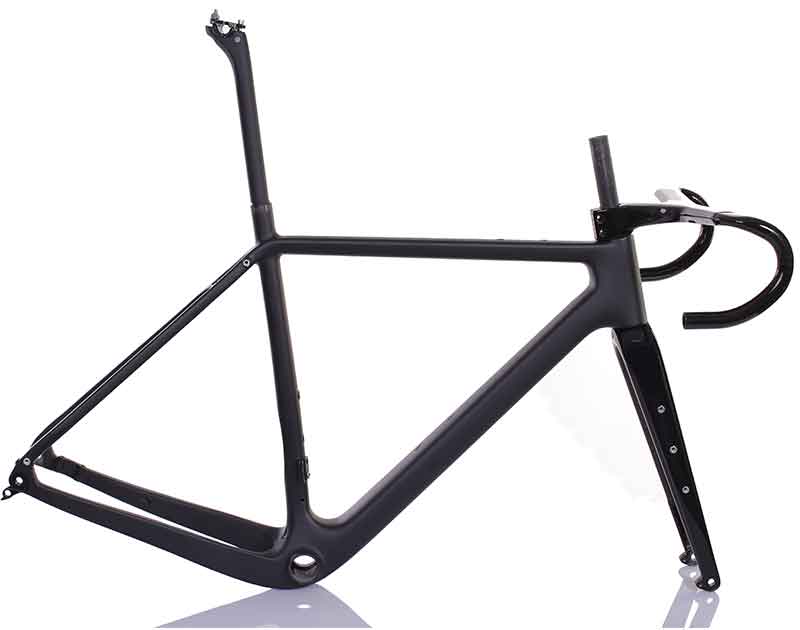
A "kit cadre vélo" includes the frame and often other components like the fork, seat post, and headset. Choosing the right kit is crucial for optimizing your bike's performance.
Road Bike Frame Kits
Road bike frames are designed for speed and efficiency. They are typically lightweight and aerodynamic, making them suitable for racing and long-distance rides. When selecting a road bike kit, consider the frame material and geometry, as these will affect your riding experience.
Road cyclists prioritize speed and efficiency, and the right frame kit can significantly enhance these attributes. Lightweight materials such as carbon fiber are favored for their ability to reduce overall bike weight without sacrificing strength. Aerodynamic designs further reduce drag, allowing for faster speeds with less effort.
Geometry is also a key consideration for road bike frames. An aggressive geometry positions the rider for optimal power transfer and aerodynamics, which is ideal for competitive racing. However, more relaxed geometries can offer enhanced comfort for endurance rides.
Mountain Bike Frame Kits
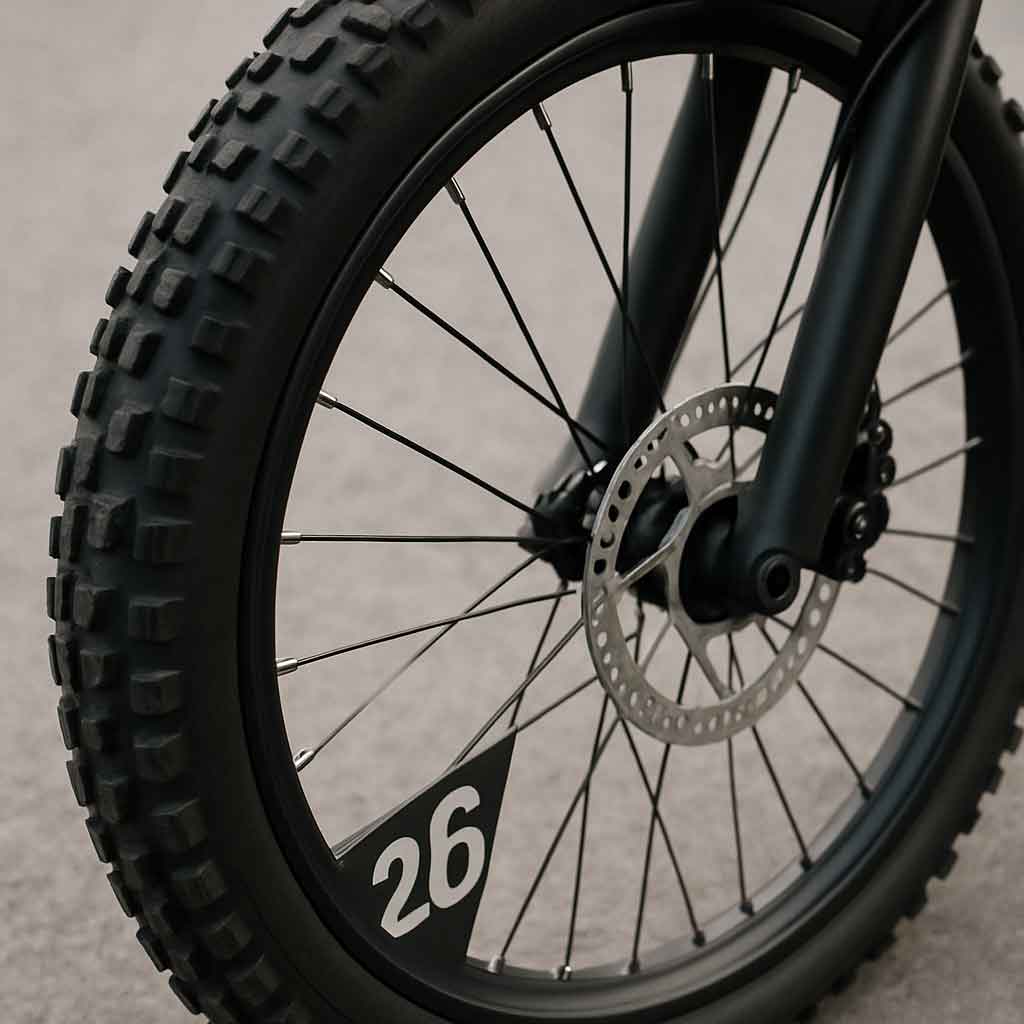
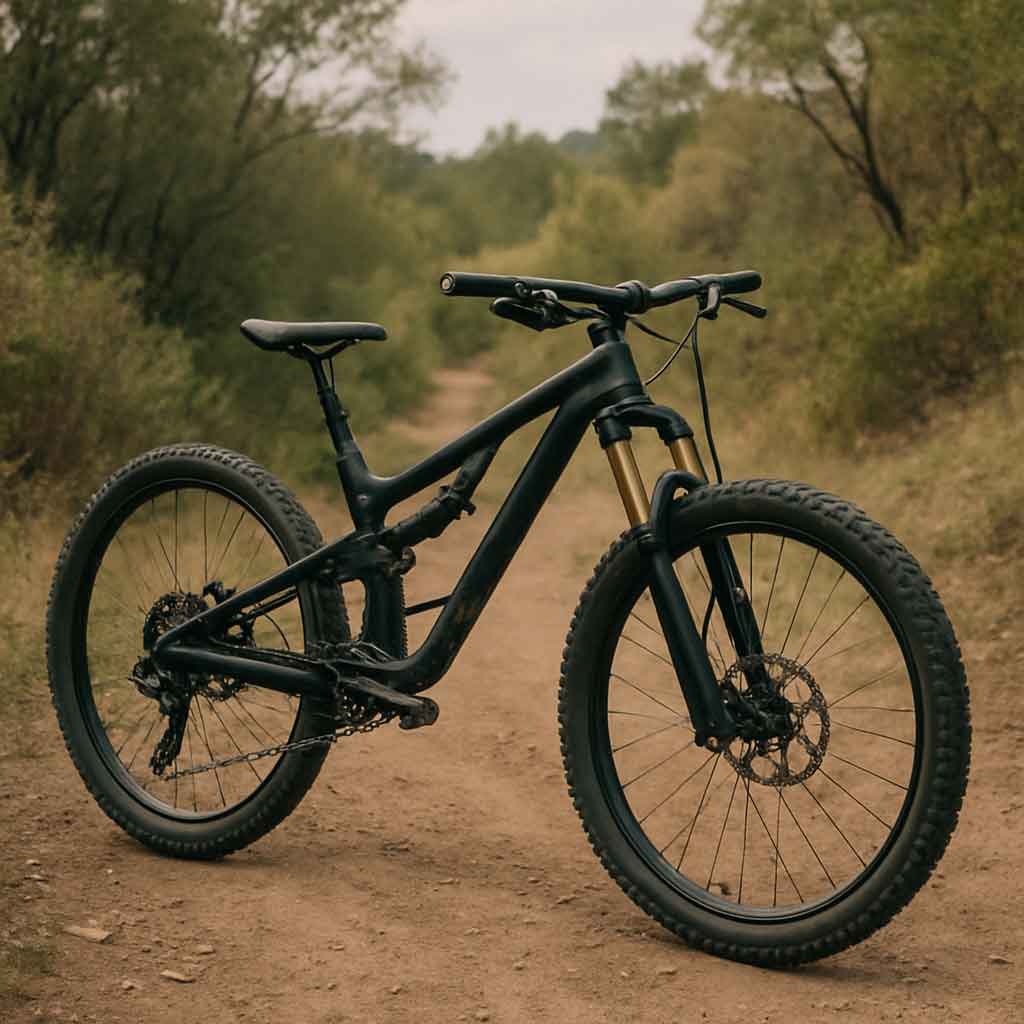
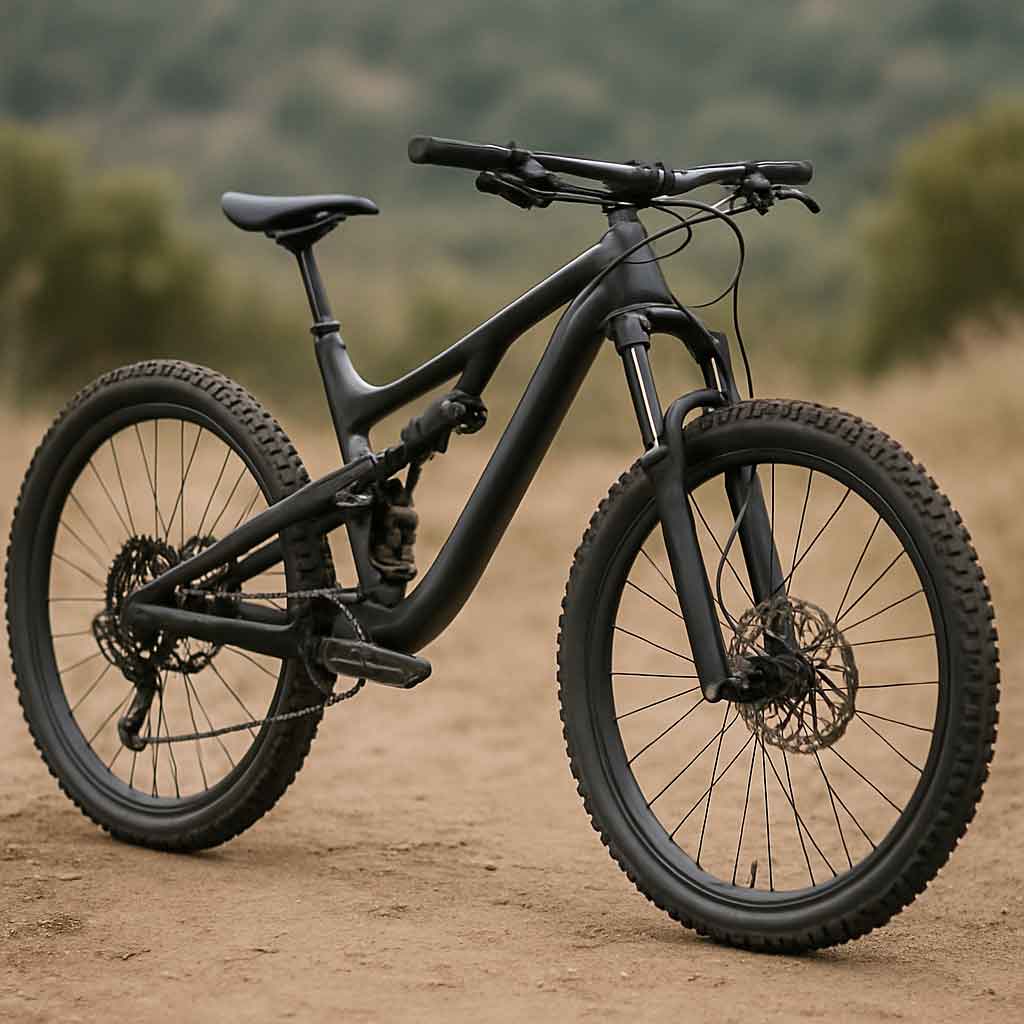
Mountain bike frames are built to handle rough terrains and challenging trails. They are usually more robust and feature suspension systems to absorb shocks. When choosing a mountain bike kit, consider the type of suspension and the frame's ability to withstand rugged conditions.
Mountain biking demands frames that can endure the rigors of off-road environments. Strength and durability are paramount, as frames need to withstand impacts and vibrations from rocks, roots, and drops. Suspension systems are also critical, with options ranging from hardtails to full suspension, each offering different levels of shock absorption.
The choice between a hardtail and full suspension depends on the type of terrain you plan to tackle. Hardtails are lighter and more efficient on smoother trails, while full suspension frames provide superior comfort and control on technical descents.
Hybrid Bike Frame Kits
Hybrid bike frames offer versatility, combining features from both road and mountain bikes. They are ideal for commuting and leisure rides on various surfaces. When selecting a hybrid bike kit, consider the balance between comfort and performance.
Hybrid bikes are designed for versatility, making them an excellent choice for a variety of riding scenarios. They combine the speed and efficiency of road bikes with the durability and comfort of mountain bikes. This adaptability makes them perfect for commuting, fitness rides, and casual outings.
When choosing a hybrid frame kit, consider your primary use. If speed and efficiency on paved surfaces are priorities, opt for a lighter frame with a more road-oriented geometry. For those seeking comfort and the ability to tackle varied terrains, look for frames with features like wider tires and more upright geometries.
Making the Upgrade: What to Consider
by Syauqy Ayyash (https://unsplash.com/@syauqyayyash)
Before upgrading your frame, there are several factors to consider:
Budget
Frames can vary significantly in price, so it's essential to set a budget. While it's tempting to opt for the latest model, consider whether the performance benefits align with your cycling goals.
Establishing a budget is the first step in any frame upgrade. Prices can range from a few hundred to several thousand dollars, depending on the material and technology involved. It's important to weigh the cost against the benefits, ensuring that the investment aligns with your riding ambitions and frequency.
While high-end frames offer exceptional performance, they may not always be necessary for casual riders. Consider how often you ride and your long-term cycling goals. This assessment will help determine whether a top-tier frame is worth the investment.
Compatibility
Ensure that the new frame is compatible with your existing components. This includes checking the size, type of brakes, and wheel compatibility.
Compatibility is crucial to ensure a seamless transition to a new frame. Different frames may require specific components, such as disc brakes or particular wheel sizes. Before purchasing, assess your current setup and identify any parts that may need upgrading to fit the new frame.
Additionally, consider how the new frame will integrate with your riding style. For example, a frame designed for high-speed racing may not be compatible with components optimized for touring. Ensuring compatibility can save time and money, preventing the need for additional upgrades.
Professional Fitting
A professional bike fitting can ensure that your new frame is the right size and set up correctly for your body. This can improve comfort and performance, reducing the risk of injury.
Investing in a professional fitting is one of the best ways to maximize the benefits of a new frame. A fitting takes into account your body measurements, riding style, and goals to optimize bike setup. This personalized approach can enhance comfort, efficiency, and injury prevention.
During a fitting, adjustments may be made to saddle height, handlebar position, and other components to ensure a perfect fit. The result is a bike that feels like an extension of your body, offering unparalleled comfort and performance.
Conclusion
Upgrading your bike's frame with a "cadre vélo" or "kit cadre vélo route" can significantly enhance your cycling experience. By choosing the right materials and designs tailored to your needs, you'll enjoy improved performance, comfort, and durability.
Whether you're tackling steep hills, cruising through city streets, or navigating rugged trails, a frame upgrade can provide the foundation for an exceptional ride. Invest wisely, and you'll reap the benefits of a superior cycling experience for years to come. With the right frame, every ride becomes an opportunity to explore your potential and enjoy the journey to the fullest.






 Jack Ding

