Welcome to Mondince Bike - A well-known factory specialized in produce carbon bike frame and other parts since 2007.


Choosing the Right Kit Cadre Gravel Setup
The foundation of any gravel bike is its frame. The choice of frame material impacts the bike's weight, durability, and ride quality. Let's delve into the most common materials used for gravel bike frames.
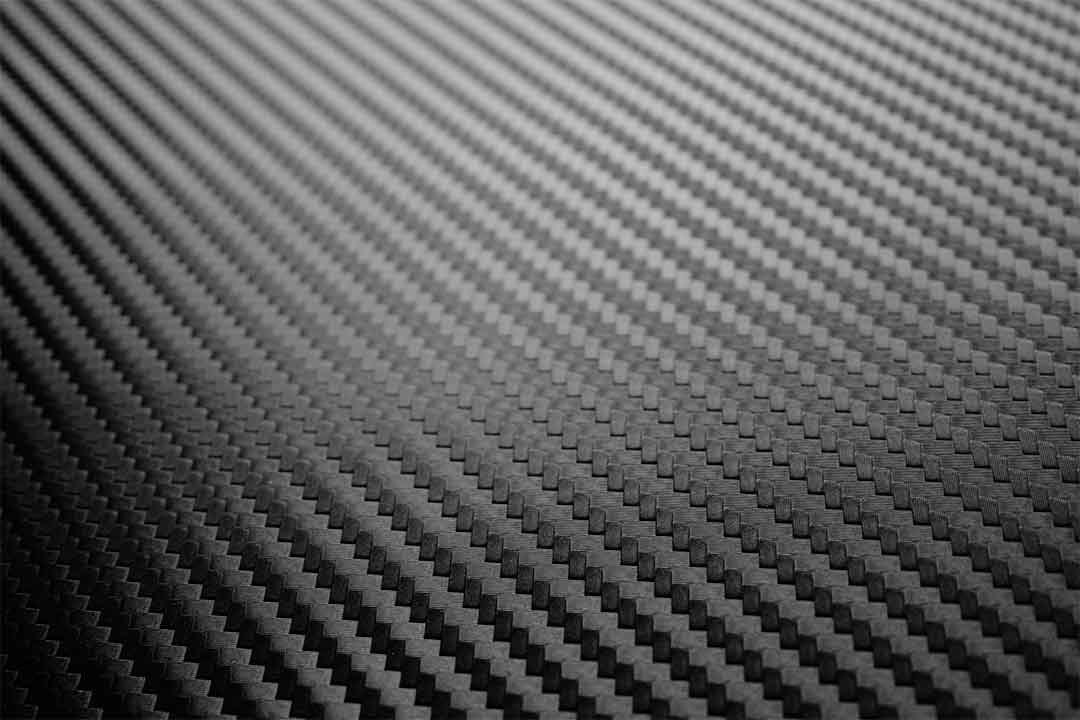
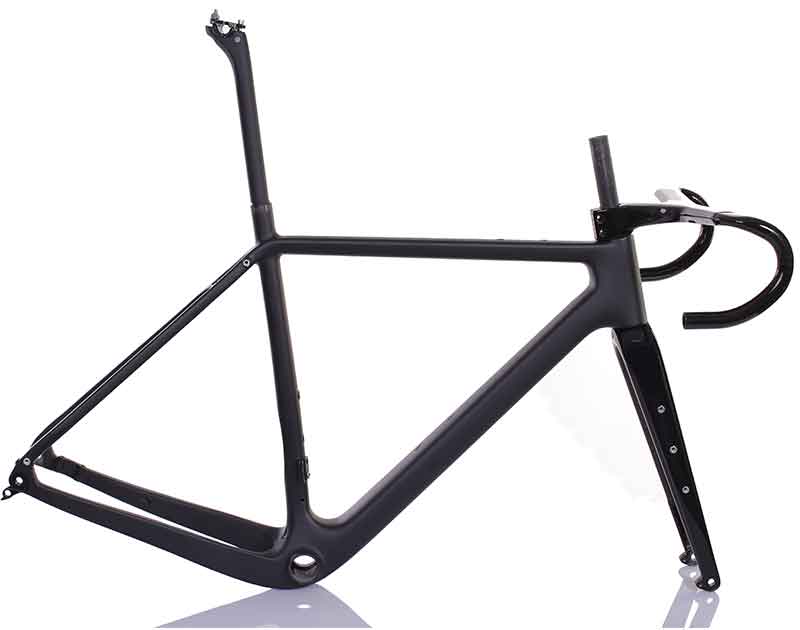
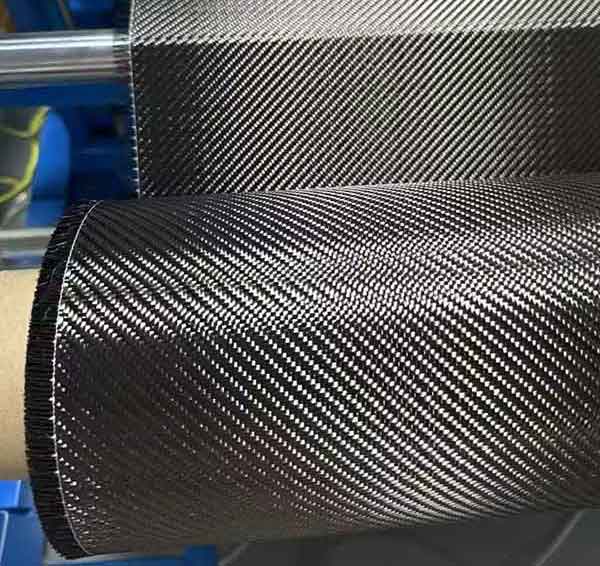
Carbon fiber is a popular choice for gravel frames due to its lightweight and stiff properties. A cadre gravel carbone offers excellent vibration dampening, making it ideal for long rides on rough terrain. This material is engineered to provide a responsive ride by efficiently absorbing road chatter and vibrations, which can reduce fatigue on longer adventures.
However, carbon frames can be expensive, so they are often considered an investment for serious cyclists seeking performance and comfort. The high cost is justified by the advanced technology and craftsmanship involved in creating a carbon frame. Additionally, carbon allows for more complex frame shapes, which can enhance aerodynamics and aesthetics.
When considering a carbon frame, it's important to weigh the benefits against your budget and riding goals. If performance and weight savings are high on your priority list, investing in a carbon frame could be a worthwhile decision. Remember, though, that carbon frames can be more susceptible to damage from crashes or improper handling, so they require careful maintenance.
Aluminum frames, or cadre gravel alu, are a more budget-friendly alternative. They are durable and offer a relatively lightweight option, although they may not absorb vibrations as well as carbon frames. Aluminum frames are often praised for their affordability and resilience, making them a practical choice for a wide range of cyclists.
These frames are particularly appealing to those new to gravel biking or those on a tighter budget who still want a reliable ride. Aluminum's strength-to-weight ratio allows for a sturdy frame that can handle the rigors of gravel biking without feeling overly cumbersome. Moreover, advancements in aluminum technology have improved its ride quality, narrowing the performance gap between aluminum and carbon.
Another advantage of aluminum frames is their ability to withstand rough treatment, making them ideal for bikepacking or adventurous rides where durability is crucial. While they might lack the refined feel of carbon, aluminum frames can deliver excellent performance and longevity for those who prioritize value and reliability.
While less common, steel and titanium are also used in gravel bike frames. Steel frames are known for their comfort and durability but tend to be heavier. The inherent strength of steel allows for thinner tubing, providing a comfortable ride that absorbs road vibrations well, making it a favorite for long-distance touring.
Titanium offers a unique combination of lightness and strength but comes with a higher price tag. Known for its resilience, titanium is corrosion-resistant and provides a smooth ride quality comparable to carbon, yet with a more classic aesthetic. The longevity and ride comfort of titanium frames appeal to those looking for a lifelong bike companion.
For those considering steel or titanium, it's important to assess the trade-offs between weight, cost, and ride quality. Steel's heftier nature might be a deterrent for speed-focused cyclists, while titanium's premium price might not fit all budgets. However, both materials offer an unparalleled ride quality that can make them a worthwhile investment for discerning riders.
When selecting your gravel bike setup, consider the following factors that will affect your overall riding experience.
The geometry of a gravel bike influences its handling and comfort. Gravel bikes typically feature a more relaxed geometry than road bikes, with a longer wheelbase and higher stack height. This design provides stability and comfort on varied terrain, allowing riders to maintain control even on loose or uneven surfaces.
Different geometries can significantly impact how a bike feels and handles, so it's essential to test various setups to find what feels right for your riding style and body type. A more upright position can reduce fatigue on long rides, while a longer wheelbase adds stability, especially when descending or riding on challenging terrain.
Consider the terrain you plan to tackle most frequently and choose a geometry that complements your riding goals. Whether you prefer a more aggressive stance for speed or a relaxed position for comfort, the right geometry can enhance your overall experience and efficiency on the bike.
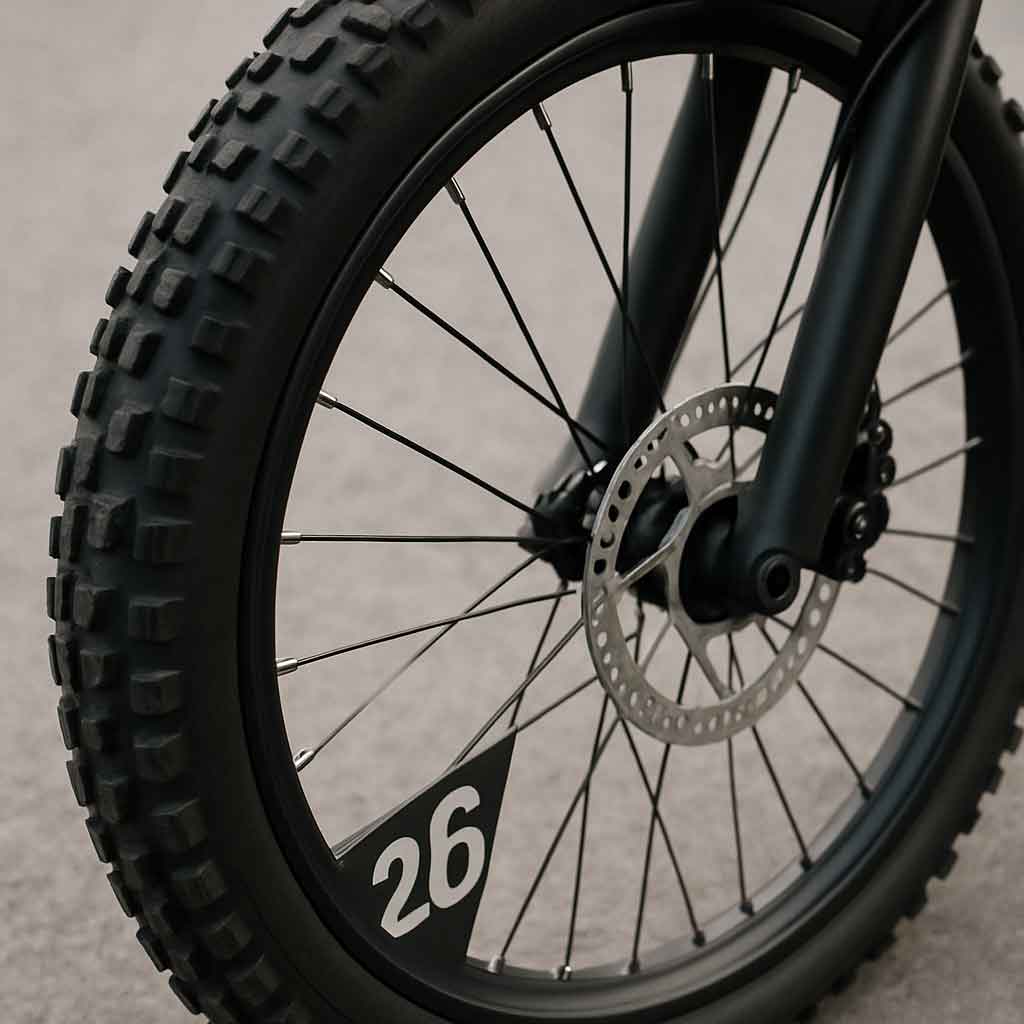
Gravel bikes need to accommodate wider tires for better traction and comfort on rough surfaces. Ensure your chosen frame has enough clearance for the tires you plan to use. Wider tires allow for lower pressures, improving grip and reducing the chances of punctures on rugged paths.
Many gravel frames support tires ranging from 35mm to 50mm in width, offering versatility for different conditions. The ability to fit larger tires can transform your bike's performance, making it adaptable to various terrains, from smooth gravel roads to rocky trails.
Evaluate the type of terrain you'll encounter and select tire widths that best suit those conditions. Wider tires can enhance comfort and handling, while narrower options might be more suitable for mixed-terrain or faster rides. Always ensure your frame and fork provide adequate clearance to avoid any issues.
Consider how many mounts and attachments are available on the frame for accessories like water bottle cages, racks, and fenders. Having multiple mounting points is beneficial for long rides and bikepacking adventures, allowing you to carry essential gear.
The versatility provided by additional mounts can greatly enhance the bike's functionality. Whether you're planning multi-day trips or simply need to carry extra supplies for a day out, having the ability to customize your bike with various attachments is invaluable.
Plan your setup according to your riding needs and the accessories you intend to use. A well-equipped gravel bike can handle everything from daily commutes to epic off-road expeditions, ensuring you're prepared for any adventure.
Now that we've covered frame materials and key considerations, let's look at how to choose the right kit cadre gravel for your cycling needs.
A kit cadre gravel carbone typically includes a carbon frame and fork. This setup is ideal for riders prioritizing weight savings and performance. The carbon material provides a responsive ride and excellent shock absorption, making it suitable for competitive cycling or long-distance rides on challenging terrain.
Beyond its performance benefits, a carbon kit is often favored for its sleek design and the prestige associated with high-end cycling gear. Riders who opt for this setup often appreciate the aesthetic appeal and the advanced engineering that goes into creating a top-tier carbon frame.
Investing in a carbon kit can elevate your cycling experience, but it's crucial to ensure that your riding style and goals align with what a carbon setup offers. If you're focused on speed, efficiency, and tackling demanding routes, a carbon cadre might be the perfect choice for you.
A kit cadre gravel alu is perfect for those looking for a durable and affordable option. These kits include an aluminum frame and fork, offering a balance between weight and strength. This setup is great for beginners or casual riders who want a versatile bike for various surfaces without breaking the bank.
The affordability of aluminum kits makes them accessible to a wider audience, allowing more people to enjoy the benefits of gravel biking. Aluminum's robust nature ensures that your bike can withstand the elements and the challenges of off-road riding, providing peace of mind to new riders.
For those who prioritize practicality and value, an aluminum kit offers the chance to explore gravel biking without a significant financial commitment. This setup can serve as a gateway to more specialized equipment as your skills and interests develop over time.
Whether you choose carbon or aluminum, customizing your kit with the right components is crucial. Consider investing in high-quality wheels, drivetrain, and brakes to enhance your bike's performance. Upgrading components can have a significant impact on the ride quality and responsiveness of your gravel bike.
Additionally, choose handlebars and saddles that provide comfort and control on long rides. The right contact points can make all the difference in your riding experience, reducing fatigue and increasing enjoyment during extended adventures.
Personalizing your kit allows you to tailor your bike to your specific needs and preferences, ensuring that you get the most out of every ride. Experiment with different setups to find the perfect combination that suits your style and enhances your gravel biking journey.
To fully enjoy your gravel rides, equip yourself with the right accessories and gear.
- Helmet: Safety first! A well-fitted helmet is crucial for protection. Choose a helmet designed for off-road use with features like ample ventilation and a secure fit to ensure maximum safety and comfort.
- Gloves: Padded gloves help reduce hand fatigue and improve grip. Look for gloves that offer protection while still providing the dexterity needed for gear changes and handling.
- Bike Lights: Ensure you're visible to others, especially during low-light conditions. Invest in high-quality lights with sufficient lumen output and battery life to enhance visibility and safety.
- Repair Kit: Carry a basic repair kit with a multi-tool, spare tube, and tire levers. Being prepared for mechanical issues is essential, especially on remote trails where assistance might be limited.
Choose clothing that offers flexibility and breathability. Opt for moisture-wicking materials that keep you cool and dry, even during intense rides. A good pair of cycling shorts with padding will enhance comfort on long rides, reducing chafing and discomfort.
For footwear, opt for shoes with a stiff sole for efficient power transfer, and consider clipless pedals for better control. The right shoes can improve your pedaling efficiency and provide better stability, especially on rugged terrain. Ensure your footwear is compatible with your pedal system for seamless integration.
- Hydration Pack: Staying hydrated is crucial on long rides. Consider a hydration pack that allows you to carry sufficient water and other essentials without compromising mobility.
- Navigation Tools: Whether it's a GPS device or a smartphone app, having reliable navigation tools can help you explore new routes with confidence.
- Protective Eyewear: Shield your eyes from dust, debris, and UV rays with quality sunglasses or goggles designed for cycling.
Choosing the right kit cadre gravel setup involves evaluating your needs, budget, and riding goals. Test different frame materials and geometries to find what suits you best. Remember that the right setup can significantly enhance your gravel biking experience, providing comfort, performance, and versatility.
In conclusion, whether you're venturing into gravel biking for the first time or looking to upgrade your current setup, a well-chosen kit cadre gravel can make all the difference. Consider the factors discussed in this guide to make an informed decision and enjoy the endless possibilities that gravel biking offers. With the right setup, you're ready to embark on thrilling adventures, explore new landscapes, and experience the joy of gravel biking to its fullest.





 Jack Ding

