Welcome to Mondince Bike - A well-known factory specialized in produce carbon bike frame and other parts since 2007.


The Benefits of Gravel Carbon Sequestration

Gravel carbon sequestration is a natural process where gravel is used to capture and store carbon dioxide. The concept is based on the ability of gravel to enhance the process of carbon absorption and storage, primarily through physical and chemical reactions. When gravel is used in environments like soil, it can assist in trapping carbon dioxide, thus reducing the levels of this greenhouse gas in the atmosphere.
The Science Behind Mineral Carbonation
Mineral carbonation is the key process in gravel carbon sequestration. It involves a chemical reaction between CO2 and certain minerals present in gravel, such as silicates. This reaction forms stable carbonate minerals, which effectively lock away carbon dioxide in a solid, inert form. This process is naturally occurring and can be accelerated through human intervention, enhancing its potential as a carbon sequestration strategy.
Types of Gravel Used
Not all gravel is equally effective in carbon sequestration. The mineral composition of gravel plays a crucial role in its ability to capture CO2. Gravels rich in magnesium, calcium, and other reactive minerals are particularly effective. Understanding the geological sources and availability of such gravel types is essential for optimizing sequestration efforts across different regions.
Environmental Integration
Gravel carbon sequestration can be seamlessly integrated into various environmental settings. In agricultural landscapes, gravel can be mixed with soil to improve carbon capture. Similarly, in urban areas, gravel can be utilized in construction and landscaping to enhance the carbon sequestration potential of built environments. This integration not only aids in carbon capture but also supports soil health and biodiversity.
Key Benefits of Gravel Carbon Sequestration
The primary benefit of gravel carbon sequestration is its potential to reduce the amount of CO2 in the atmosphere, which is a major contributor to global warming. Additionally, this method is relatively low-cost and can be implemented in various settings, including agriculture and construction.
Cost-Effectiveness
Gravel carbon sequestration is a cost-effective solution compared to other carbon capture technologies. The availability and low cost of gravel make it an accessible option for many regions. Furthermore, the infrastructure required for its implementation, such as mixing equipment for soil or construction materials, is often already in place, reducing additional expenses.
Versatility Across Sectors
One of the significant advantages of gravel carbon sequestration is its versatility. It can be applied in diverse sectors, from agriculture to urban planning and environmental restoration. This adaptability allows for widespread adoption, tailoring sequestration practices to specific regional and sectoral needs, thereby maximizing its impact.
Enhancing Soil and Ecosystem Health
Incorporating gravel into soils not only aids in carbon capture but also improves soil structure and fertility. This can lead to increased agricultural productivity and healthier ecosystems. The presence of gravel enhances soil aeration and drainage, promoting the growth of plants and microorganisms that contribute to further carbon sequestration.
Applications of Gravel Carbon Sequestration
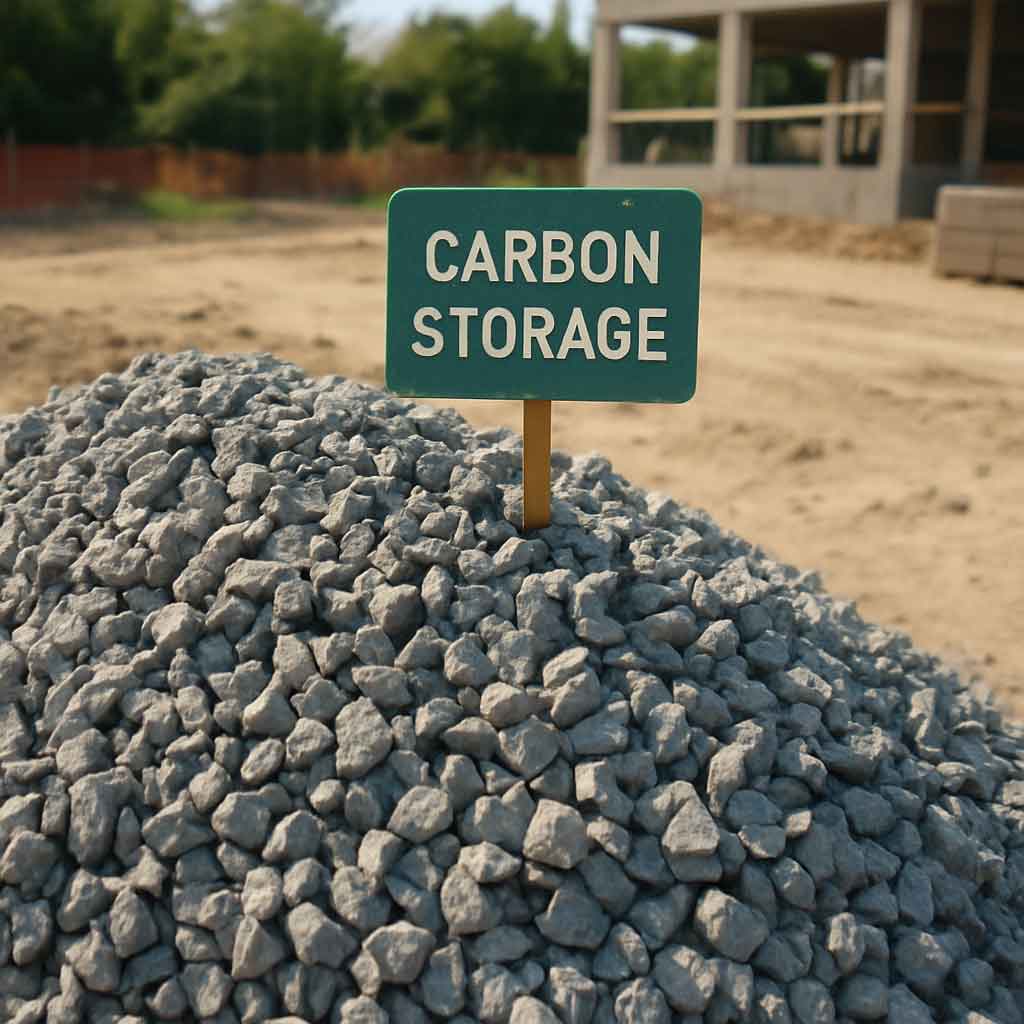
Gravel carbon sequestration can be applied in several ways to enhance carbon capture and storage.
Agricultural Uses in Depth
In agriculture, gravel can be mixed with soil to improve its carbon sequestration capabilities. By doing so, farmers can enhance soil fertility while also contributing to carbon capture efforts. This practice can be particularly beneficial in regions with carbon-poor soils, as it provides a dual benefit of improving soil health and reducing atmospheric CO2 levels.
Soil Structure Improvement
The addition of gravel to soil can significantly improve its structure. This enhancement facilitates better root penetration, water retention, and nutrient cycling, all of which are critical for crop growth. Improved soil structure also supports the microbial activity essential for natural carbon sequestration processes.
Fertility and Crop Yield
Gravel-enriched soils can lead to higher crop yields. The improved soil conditions fostered by gravel help in retaining essential nutrients, reducing the need for chemical fertilizers. This not only boosts agricultural productivity but also minimizes the environmental impact associated with excessive fertilizer use.
Construction and Urban Planning Insights
In the construction industry, gravel is often used as a base material for roads and buildings. By selecting gravel that is rich in carbon-sequestering minerals, construction projects can contribute to carbon capture. Urban planners can also incorporate gravel into green infrastructure projects, such as green roofs and permeable pavements, to enhance their environmental benefits.
Green Infrastructure Integration
Green infrastructure projects that incorporate gravel can significantly enhance urban environments. Gravel in permeable pavements allows for better water management, reducing urban flooding risks and improving water quality. Additionally, green roofs utilizing gravel can provide insulation, reducing energy consumption in buildings.
Reducing Urban Heat
Gravel surfaces can help mitigate the urban heat island effect. By reflecting more sunlight and allowing for better air circulation, gravel-based urban features can lower local temperatures. This cooling effect reduces the demand for air conditioning, leading to decreased energy consumption and associated CO2 emissions.
Environmental Restoration Potential
Gravel carbon sequestration can play a role in environmental restoration projects. For instance, gravel can be used to restore degraded lands by improving soil structure and fertility. This not only aids in carbon sequestration but also supports the growth of vegetation, which further contributes to carbon storage.
Rehabilitating Degraded Landscapes
Gravel is instrumental in rehabilitating lands that have suffered from erosion, mining, or other forms of degradation. By stabilizing the soil and promoting vegetation growth, gravel contributes to restoring ecological balance and fostering biodiversity. These restored areas become valuable carbon sinks over time.
Supporting Biodiversity
The use of gravel in restoration projects can create habitats for various plant and animal species. As vegetation establishes and thrives, it attracts wildlife, promoting a diverse and balanced ecosystem. This biodiversity is crucial for maintaining the ecological processes that underpin effective carbon sequestration.
The Role of Velo Gravel Carbone

by Ellen Zhang (https://unsplash.com/@ellenartstudio)
The use of gravel in cycling infrastructure, known as "velo gravel carbone," is an emerging trend. This approach integrates gravel paths and trails designed to enhance carbon sequestration with recreational cycling routes. By promoting cycling on these paths, communities can reduce their carbon footprint while also supporting local biodiversity.
Velo Gravel Carbone and Transportation
- Promoting Active Mobility: Gravel paths encourage cycling and walking, reducing dependence on motorized transportation. This shift towards active mobility lowers greenhouse gas emissions and promotes healthier lifestyles.
- Infrastructure Development: Developing gravel-based cycling paths is often less resource-intensive than traditional road construction. This reduces the environmental impact of infrastructure projects while offering a sustainable transportation alternative.
- Community Engagement: Gravel cycling routes can foster community engagement and awareness about sustainable practices. By participating in recreational activities on these paths, individuals can learn about carbon sequestration and its benefits.
Enhancing Ecosystem Services
- Biodiversity Corridors: Velo gravel carbone paths can act as biodiversity corridors, connecting fragmented habitats. These corridors allow for the movement and interaction of species, enhancing genetic diversity and ecosystem resilience.
- Erosion Control: Gravel paths can help control soil erosion in vulnerable areas. By stabilizing the soil, these paths prevent land degradation and maintain the integrity of natural landscapes.
- Rainwater Management: The permeable nature of gravel paths aids in effective rainwater management. This reduces runoff, replenishes groundwater supplies, and mitigates the risk of urban flooding.
Potential Challenges and Considerations
While gravel carbon sequestration offers numerous benefits, there are also challenges to consider.
Addressing Gravel Availability
One limitation is the availability of suitable gravel types that effectively sequester carbon. Not all gravel has the same mineral composition, and sourcing the right material can be challenging. Additionally, the scalability of this method requires careful planning and coordination, especially in urban and agricultural settings.
Geological Surveying
Conducting comprehensive geological surveys is crucial to identify regions with abundant sources of carbon-sequestering gravel. These surveys help in planning sustainable extraction and ensuring that gravel resources are utilized efficiently.
Supply Chain Management
Effective supply chain management is essential to ensure the consistent availability of suitable gravel types. This involves coordinating with local suppliers and developing logistics solutions to minimize transportation-related emissions.
Environmental Impact of Extraction
There is also a need to assess the environmental impact of gravel extraction and transportation. Sustainable sourcing and management of gravel resources are crucial to ensure that the benefits of carbon sequestration are not offset by negative environmental impacts.
Minimizing Habitat Disruption
Efforts must be made to minimize habitat disruption during gravel extraction. This includes implementing best practices for site selection, extraction techniques, and post-extraction land restoration to preserve local ecosystems.
Transportation Emissions
Transportation of gravel can contribute to carbon emissions. Strategies to mitigate this include optimizing transport routes, using fuel-efficient vehicles, and exploring the use of local gravel resources to reduce travel distances.
Future Prospects and Innovations
As research and technology advance, gravel carbon sequestration is likely to become more efficient and widespread. Innovations in material science could lead to the development of engineered gravel with enhanced carbon capture capabilities. Additionally, increased awareness and policy support could drive the adoption of gravel carbon sequestration practices across various sectors.
Advancements in Material Science
The future of gravel carbon sequestration lies in the development of engineered gravel with superior carbon capture properties. Researchers are exploring the use of synthetic materials and coatings that can enhance the reactivity and durability of gravel, increasing its sequestration potential.
Policy and Regulatory Support
Government policies and regulations can play a significant role in promoting gravel carbon sequestration. Incentives for sustainable construction practices, investment in green infrastructure, and support for research initiatives can accelerate the adoption of this promising approach.
Global Collaboration and Knowledge Sharing
International collaboration and knowledge sharing are crucial for advancing gravel carbon sequestration technologies. By sharing research findings, best practices, and technological innovations, countries can collectively enhance their efforts to combat climate change through this innovative method.
Conclusion
Gravel carbon sequestration presents a promising opportunity to reduce atmospheric CO2 levels and mitigate climate change. By leveraging the natural properties of gravel, we can enhance carbon capture in agriculture, construction, and environmental restoration. The integration of gravel carbon sequestration with cycling infrastructure, such as velo gravel carbone, further highlights the versatility and potential of this approach. As we continue to explore and innovate, gravel carbon sequestration could play a vital role in our global efforts to create a more sustainable future.












 Jack Ding

