Welcome to Mondince Bike - A well-known factory specialized in produce carbon bike frame and other parts since 2007.


Innovative Uses of Gravel Carbon in Sustainability

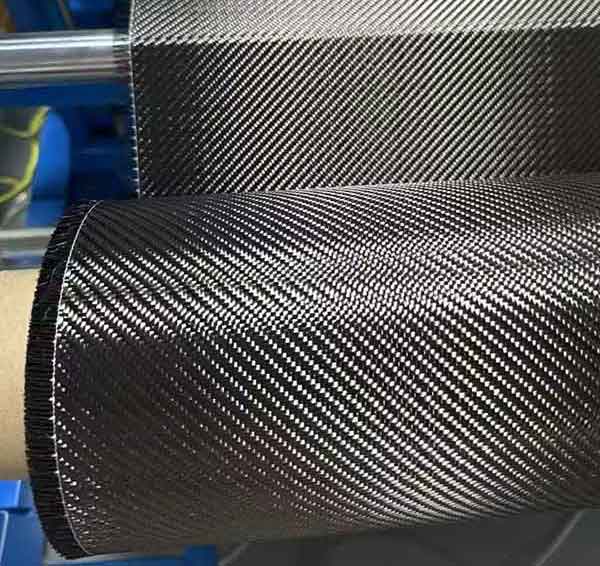
Gravel carbon is a composite material primarily used in the construction of bicycles, particularly gravel bikes. It's composed of carbon fibers and a resin matrix, creating a lightweight yet strong material. This composition allows for enhanced performance and durability, making it a popular choice for cyclists who demand high standards from their equipment. The integration of gravel carbon into these bikes not only enhances the riding experience but also sets a benchmark for sustainable material usage in sporting goods. Its unique blend of properties offers an excellent balance between performance enhancement and environmental responsibility.
Key Characteristics of Gravel Carbon
- Lightweight: One of the most notable features of gravel carbon is its low weight, which contributes to increased speed and reduced energy consumption. This makes it particularly appealing for cyclists who seek to maximize efficiency without compromising performance. The lightweight nature also reduces the material's overall environmental impact during transportation and handling.
- Strength and Durability: Despite its lightness, gravel carbon is exceptionally strong and can withstand the rigors of varied terrain. This durability ensures a longer lifespan for products, decreasing the frequency of replacements and thus the overall resource consumption. Its robust nature means it can endure harsh environmental conditions, making it suitable for a wide range of applications.
- Corrosion Resistance: Unlike metals, gravel carbon does not rust, extending the lifespan of products made from it. This resistance to corrosion further reduces maintenance needs and costs, making gravel carbon an economically viable option. The non-corrosive property also means that products can maintain their aesthetic and functional integrity over time.
- Flexibility in Design: The malleability of carbon fibers allows for innovative designs that can enhance aerodynamics and aesthetics. This flexibility opens up possibilities for creative solutions that were previously unimaginable with traditional materials. Designers and engineers can push the boundaries of what's possible, crafting products that are not only functional but also visually stunning.
Applications in Cycling
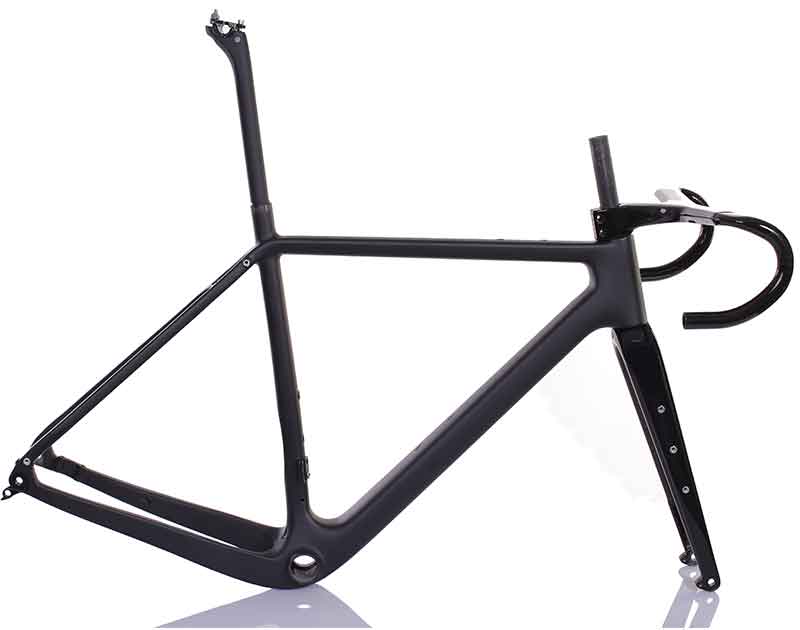
Gravel carbon is revolutionizing the cycling world, particularly in the design and production of gravel bikes. These bikes are crafted to handle a variety of terrains, from smooth roads to rugged trails, making them versatile and adaptable. The adoption of gravel carbon in cycling represents a shift towards more eco-friendly practices, as it enables manufacturers to produce high-performance products with a reduced environmental impact.
Benefits of Gravel Carbon in Cycling
- Enhanced Performance: The lightweight nature of gravel carbon frames allows cyclists to maintain higher speeds with less effort, crucial for competitive racing and long-distance rides. This performance boost not only benefits professional athletes but also enhances the experience for recreational cyclists. The increased speed and efficiency translate to less energy consumption, aligning with sustainability goals.
- Comfort and Control: Gravel bikes made from carbon offer better vibration dampening, providing a smoother ride on rough surfaces. This improved comfort is essential for long rides, reducing fatigue and enhancing control. The material's ability to absorb shocks contributes to a safer and more enjoyable cycling experience.
- Sustainability: By reducing the overall weight, gravel carbon bikes contribute to lower material consumption and energy use during production. This reduction in resource usage is a critical step toward more sustainable manufacturing practices. Moreover, the long lifespan of carbon bikes further enhances their sustainability credentials by minimizing waste.

Beyond Bicycles: Expanding the Use of Gravel Carbon
While gravel carbon is well-known in the cycling industry, its potential applications extend far beyond bicycles. Let's explore how this innovative material is being utilized in other sectors to promote sustainability. The versatility of gravel carbon means it can be adapted for use in various industries, each benefiting from its unique properties in different ways.
Automotive Industry
The automotive sector is increasingly incorporating gravel carbon in vehicle manufacturing. Its lightweight properties contribute to improved fuel efficiency and reduced emissions. Components such as body panels, frames, and even interior elements are being made using gravel carbon to enhance vehicle performance and sustainability. By reducing vehicle weight, manufacturers can achieve significant gains in fuel economy, which is crucial in the fight against climate change. Furthermore, the use of gravel carbon in cars can lead to innovations in design, as the material's flexibility allows for more aerodynamic and aesthetically pleasing vehicle shapes.
Construction and Architecture
Gravel carbon's strength and durability make it an ideal material for construction and architectural applications. It is used in the creation of strong yet lightweight structural components, contributing to more efficient construction practices. Moreover, its aesthetic appeal allows architects to explore new design possibilities, leading to innovative and sustainable building solutions. The integration of gravel carbon in construction can result in buildings that are not only energy-efficient but also resilient to environmental stresses. This material offers architects the freedom to experiment with unconventional designs without compromising on strength or stability.
Renewable Energy
The renewable energy sector is leveraging gravel carbon's unique properties to improve the efficiency and lifespan of energy systems. Wind turbine blades, for example, are being manufactured using gravel carbon due to its strength and lightness, which enhances energy generation efficiency. The material's durability ensures that energy systems can operate over longer periods without the need for frequent maintenance or replacement, reducing costs and environmental impact. In addition, the lightness of gravel carbon can facilitate easier transportation and installation of renewable energy components, further enhancing their sustainability.
Environmental Impact and Sustainability
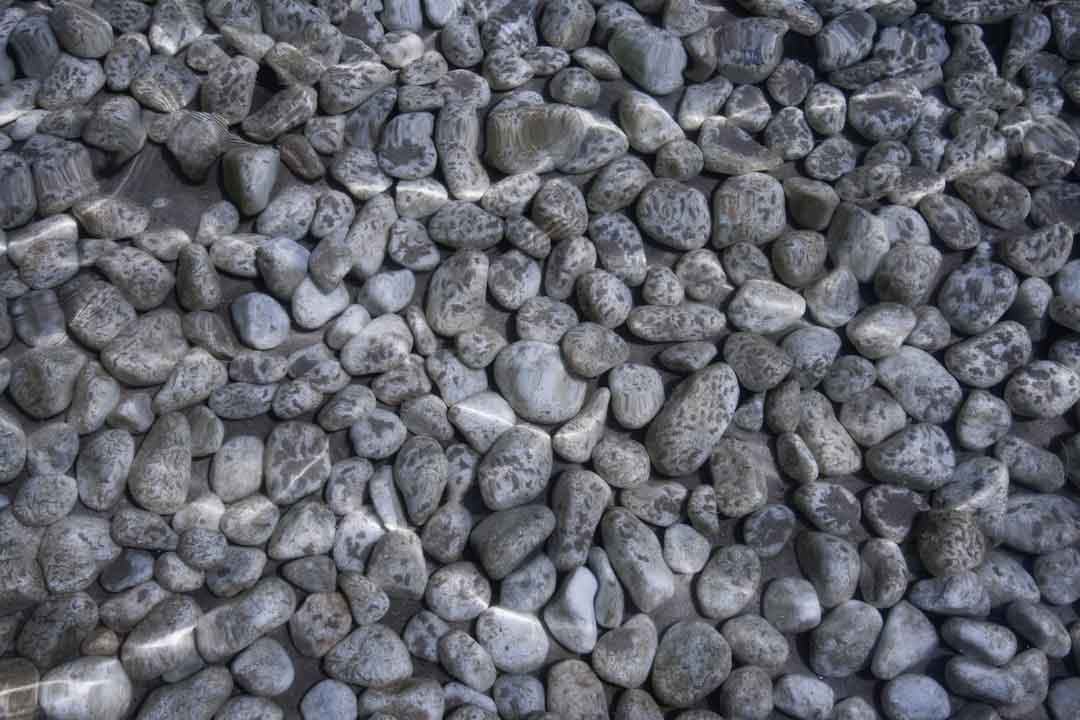
by Marco De Luca (https://unsplash.com/@nethawk)
Gravel carbon offers significant environmental benefits that align with global sustainability goals. Here's how it contributes to a more sustainable future: By minimizing resource usage and maximizing efficiency, gravel carbon helps industries reduce their ecological footprint. This aligns with the broader shift towards greener practices across the globe, as companies and consumers become more conscious of their environmental impact.
- Reduced Material Use: The high strength-to-weight ratio of gravel carbon allows for less material usage while maintaining structural integrity. This reduction in material consumption is vital for conserving natural resources and reducing waste. By using less material, products can also be manufactured more efficiently, leading to lower production costs and environmental impact.
- Energy Efficiency: Products made from gravel carbon require less energy for production and operation, leading to lower carbon footprints. This energy efficiency is crucial in industries where energy consumption is a significant concern. By reducing energy use, gravel carbon products contribute to a decrease in greenhouse gas emissions, supporting efforts to combat climate change.
- Recyclability: Gravel carbon can be recycled, reducing waste and the need for virgin materials. The recycling process involves reclaiming carbon fibers from used products and repurposing them into new applications. This capability to recycle extends the lifecycle of the material, ensuring that it can be part of a circular economy. By promoting recycling, industries can significantly reduce their reliance on non-renewable resources.
Challenges in Sustainability
While gravel carbon has numerous benefits, there are challenges to consider: Addressing these challenges is essential to maximize the sustainable potential of gravel carbon. By overcoming these hurdles, industries can fully integrate this material into their sustainability strategies.
- Cost: The production of gravel carbon is currently more expensive than traditional materials, which can limit its accessibility and widespread adoption. This cost barrier is a significant obstacle for industries looking to transition to more sustainable materials. However, as technology advances and production processes become more efficient, the cost is expected to decrease, making gravel carbon more accessible.
- Recycling Complexity: The recycling process for gravel carbon is complex and not yet widely implemented, posing challenges for large-scale sustainability efforts. Developing efficient recycling methods is crucial for ensuring that gravel carbon can be part of a sustainable future. By investing in research and development, industries can create more effective recycling solutions, enhancing the material's environmental credentials.
The Future of Gravel Carbon
As technology advances and production processes become more efficient, the use of gravel carbon is expected to grow. Continued research and innovation will likely lead to reduced costs and enhanced recycling methods, making it a more viable option for sustainable development. The future of gravel carbon is bright, with potential applications in new and existing industries continually expanding.
Innovations on the Horizon
- Advanced Recycling Techniques: Developing more efficient recycling processes will make gravel carbon even more environmentally friendly. By improving recycling techniques, industries can reduce waste and lower production costs, making gravel carbon a more attractive option for sustainability. These advancements will also help integrate gravel carbon into a circular economy model, where materials are continuously reused and repurposed.
- New Composite Materials: Combining gravel carbon with other sustainable materials could yield new composites that offer improved performance and sustainability. These new composites could open up additional applications, further extending the reach of gravel carbon. By exploring innovative material combinations, industries can create products that are not only environmentally responsible but also superior in performance.
- Broader Applications: As understanding and techniques advance, gravel carbon could find new uses in industries not yet explored, further expanding its impact. The potential for gravel carbon to revolutionize other sectors is vast, with opportunities for innovation in areas such as aerospace, electronics, and more. By continuing to explore and develop new applications, industries can fully leverage the benefits of gravel carbon.
Conclusion
Gravel carbon represents a significant step forward in the quest for sustainable materials. Its applications in cycling, automotive, construction, and renewable energy sectors showcase its versatility and potential to drive sustainability efforts. While challenges remain, ongoing innovations and improvements in recycling and production processes promise a bright future for gravel carbon as a key player in sustainable development.
By embracing gravel carbon and its innovative applications, industries can contribute to a more sustainable world, reducing environmental impact while maintaining high standards of performance and efficiency. The journey toward sustainability is ongoing, and materials like gravel carbon are leading the way. As industries continue to evolve and adapt, the role of gravel carbon in shaping a greener future is set to grow, offering a beacon of hope for a more sustainable planet.











 Jack Ding

