Welcome to Mondince Bike - A well-known factory specialized in produce carbon bike frame and other parts since 2007.


Understanding Optimal PSI for Road Bikes
If you're a cycling enthusiast or even a casual rider, understanding the right PSI (pounds per square inch) for your road bike tires is crucial. Riding with the correct tire pressure not only improves your performance but also ensures a safer and more comfortable ride. This article will guide you through the basics of road bicycle tire PSI and help you determine the optimal tire pressure for your needs.
PSI stands for pounds per square inch, a unit of pressure that indicates how much air is in your tires. The right PSI for road bike tires can significantly affect your biking experience. Too low, and you risk pinch flats and sluggish rides; too high, and you might suffer from a harsh ride with less traction.
When you inflate your tires to the recommended PSI, you ensure that the tire has the right amount of contact with the road. This contact patch affects your grip, rolling resistance, and overall performance. Maintaining the correct PSI allows your tires to absorb shocks from the road, enhancing comfort and control.
Rolling resistance is a critical factor in cycling efficiency. Tires with the right PSI reduce rolling resistance, allowing you to maintain speed with less effort. Lower PSI can increase resistance, making it harder to pedal, while an optimal PSI ensures you glide smoothly over various surfaces.
Traction is essential for maintaining control over your bike, especially during turns and on wet surfaces. The correct PSI ensures that your tires maintain adequate grip on the road. Overinflated tires may reduce traction, increasing the risk of slipping, while underinflated tires can cause instability.
Ride comfort is another crucial aspect affected by tire pressure. The right PSI can cushion your ride over bumps and uneven terrain. Too high a PSI can make your ride jarring and uncomfortable, while too low a PSI might lead to a sluggish and bouncy feel.
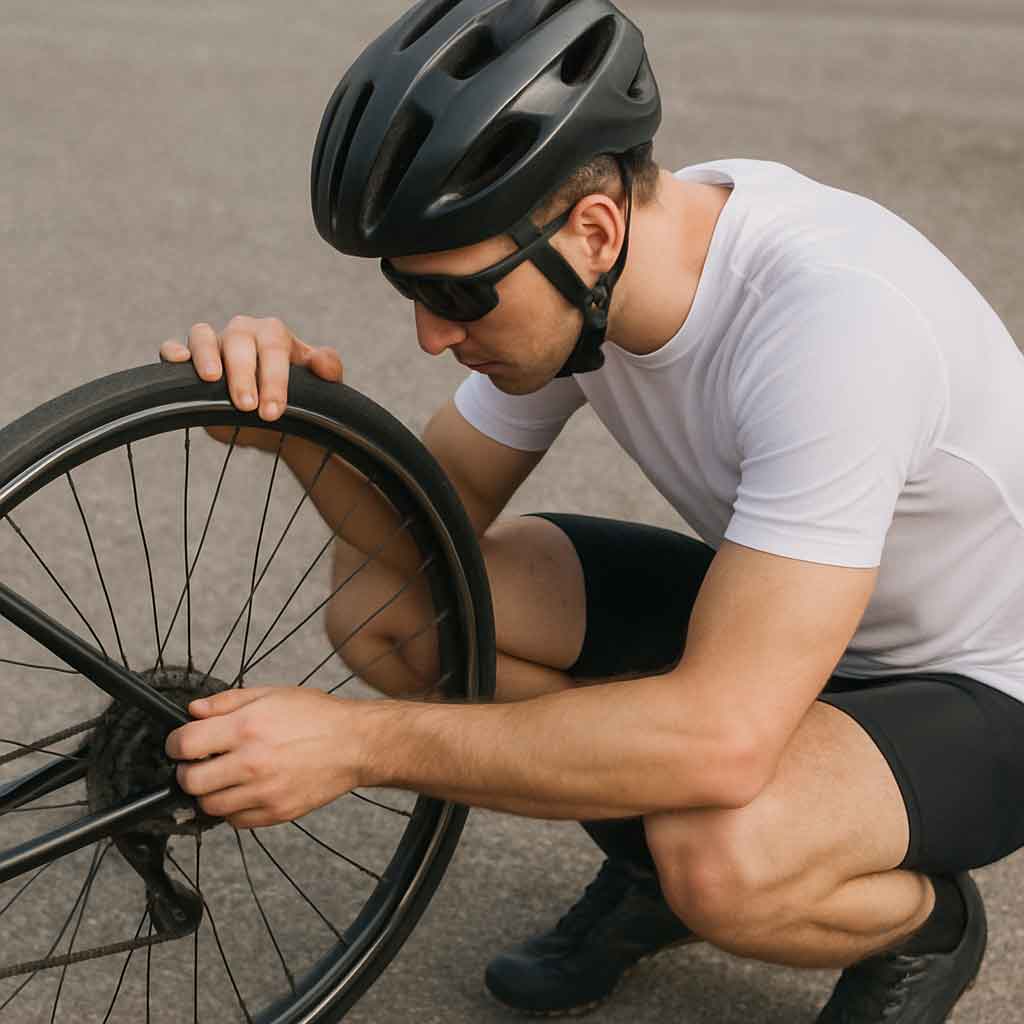
There is no one-size-fits-all PSI for road bikes because several factors influence the ideal tire pressure:
Rider Weight
Heavier riders require higher tire pressures to support their weight and maintain optimal performance. Conversely, lighter riders can ride comfortably with lower PSI.
Adjusting PSI Based on Weight
Understanding how to adjust PSI based on weight is key to optimizing your ride. A general rule is to increase PSI by 1-2 units for every 10 kg increase in rider weight. This adjustment helps in maintaining the correct tire deformation and contact patch with the road.
Impact of Weight Distribution
Weight distribution on the bike also affects PSI. A rider with more weight on the rear wheel may need a higher PSI in the rear tire compared to the front. Balancing the pressure between both tires can lead to a more stable and comfortable ride.
Weight and Performance
A well-adjusted PSI for your weight can enhance performance by ensuring efficient energy transfer and reducing fatigue. By optimizing tire pressure, you can achieve a balance between speed and comfort tailored to your body weight.
Tire Size
The width of your tire plays a role in determining the right PSI. Wider tires generally require less pressure because they have a larger contact area with the road, which distributes the weight more evenly.
PSI for Different Tire Widths
Different tire widths necessitate different PSI levels. Narrow tires need higher PSI to maintain their shape and performance, while wider tires can operate efficiently at lower PSI. This is due to the larger volume of air and contact patch of wider tires.
Balancing Width and Pressure
Understanding how to balance tire width and pressure can lead to optimal performance. While wider tires may offer more comfort and grip, finding the right PSI ensures they don't become sluggish. The key is to find a PSI that allows the tire to perform well without compromising speed.
Width and Terrain Adaptability
Wider tires at the right PSI can adapt better to varied terrains, offering more grip on rough surfaces. Conversely, narrower tires at the optimal PSI can provide speed advantages on smooth pavements. Tailoring PSI to your tire width allows you to harness these benefits.
Road Conditions
The type of surface you'll be riding on also affects tire pressure. Smooth pavement can handle higher PSI for speed, while rough or uneven surfaces benefit from slightly lower PSI to improve traction and comfort.
PSI for Urban Riding
Urban environments with smooth pavements and occasional obstacles require a specific PSI balance. Higher pressures can facilitate speed but may compromise comfort over bumps. Adjusting PSI slightly lower can absorb shocks and improve ride quality in city settings.
PSI for Off-Road Adventures
For those venturing off-road, slightly lower PSI can increase traction on loose or uneven surfaces. This adjustment enhances your ability to navigate trails and rough paths, providing better control and a smoother ride over obstacles.
PSI for Wet Conditions
Wet conditions demand careful PSI consideration. Lowering PSI slightly can increase tire grip on wet surfaces, reducing the risk of slipping. However, it's crucial to find a balance that maintains performance without sacrificing safety.
Weather Conditions
Temperature changes can influence tire pressure. Hot weather can increase the PSI as the air inside the tire expands, whereas cold weather can decrease it. It's essential to check your tire pressure before every ride, especially when there's a significant weather change.
Impact of Temperature Fluctuations
Temperature fluctuations can significantly impact tire pressure. A 10-degree Celsius change can alter PSI by 1-2 units. Being aware of these changes allows for timely adjustments, ensuring your tires remain at optimal pressure during varying weather conditions.
Seasonal Adjustments
Different seasons bring unique challenges for cyclists. In summer, higher ambient temperatures can cause PSI to rise, leading to overinflation. Conversely, in winter, lower temperatures can decrease PSI, necessitating periodic checks and adjustments to maintain optimal performance.
Monitoring PSI in Extreme Weather
Extreme weather conditions require diligent PSI monitoring. In particularly hot or cold climates, regularly checking and adjusting tire pressure is crucial to ensure safety and performance. Employing a reliable pressure gauge can aid in making precise adjustments.
How to Determine the Right PSI for Your Road Bike
Determining the optimal PSI for your road bike involves considering the factors mentioned above and following these steps:
Check Manufacturer Recommendations
Start by checking the sidewall of your tires. Most manufacturers print a recommended PSI range on the tire's sidewall, which serves as a helpful guide.
Interpreting Manufacturer Guidelines
Understanding how to interpret manufacturer guidelines can be invaluable. These recommendations consider average conditions and rider profiles, providing a baseline from which you can tailor your PSI. Familiarize yourself with this data to make informed adjustments.
Manufacturer Variances
Different brands may have varying recommendations for similar tire sizes. It's crucial to note these differences and understand how they relate to your specific bike setup. Comparing guidelines across brands can offer insights into optimal PSI adjustments.
Using Manufacturer Data as a Starting Point
While manufacturer guidelines are helpful, they are not definitive. Use them as a starting point, but don't hesitate to make adjustments based on personal experience and riding conditions. This flexibility ensures your PSI remains optimal for your unique needs.
Experiment Within the Range
Within the manufacturer's recommended range, test different pressures to find what feels best for your weight and riding conditions. Begin with a mid-range PSI and adjust incrementally until you find the sweet spot.
Incremental Adjustments for Precision
Making small, incremental adjustments allows for precise tuning of your tire pressure. Start with a moderate PSI within the recommended range and test different settings. This method helps in identifying the PSI that offers the best balance of comfort and performance.
Assessing Ride Feel
Pay attention to how each PSI setting affects your ride feel. Consider factors like speed, comfort, and handling in various conditions. Documenting these experiences can guide your adjustments, leading to a personalized PSI setting that enhances your cycling experience.
Long-Term Testing
Long-term testing across diverse conditions provides a comprehensive understanding of optimal PSI. By experimenting over time, you can determine how different pressures impact your ride across changing terrains and weather, leading to an informed and adaptable approach.
Use a Reliable Pressure Gauge
To ensure accuracy, use a reliable pressure gauge to measure your tire pressure. Many pumps come with built-in gauges, but stand-alone digital gauges often provide more precise readings.
Types of Pressure Gauges
Understanding the different types of pressure gauges can enhance your PSI accuracy. Digital gauges offer precision and are easy to read, while analog gauges are durable and straightforward. Choose a gauge that suits your preference and provides reliable readings.
Importance of Regular Calibration
Regular calibration of your pressure gauge ensures ongoing accuracy. Over time, gauges can drift, leading to inaccurate readings. Periodically checking and recalibrating your gauge helps maintain precise PSI measurements, crucial for performance and safety.
Integrating Gauges into Routine
Incorporating pressure gauge checks into your cycling routine is essential. Regularly measuring and adjusting PSI before rides ensures your tires remain at the optimal pressure, enhancing your cycling experience and reducing the risk of punctures or blowouts.
Monitor and Adjust Regularly
Road conditions and your riding habits may change, so be prepared to adjust your tire pressure as needed. Regular monitoring ensures that your PSI remains optimal for every ride.
Daily PSI Checks
Implementing daily PSI checks can catch fluctuations caused by temperature changes or gradual air loss. This habit ensures your tires are always at peak performance levels, reducing the likelihood of unexpected issues during rides.
Adjusting for Ride Variability
Different rides may require different PSI settings. Be prepared to adjust your tire pressure based on planned routes, expected weather, and terrain. This adaptability helps maintain performance across diverse cycling scenarios.
Long-Term Maintenance
Long-term maintenance of optimal PSI involves consistent monitoring and adjustments. Keeping a log of PSI settings and their impact on your rides can help refine your approach, leading to sustained performance and comfort improvements over time.
Common Mistakes in Road Bike Tire PSI
Riders frequently make mistakes when it comes to tire pressure. Here are some common pitfalls and how to avoid them:
Overinflation
Some cyclists believe that higher PSI equals faster rides. However, overinflating can lead to a harsh ride, reduced traction, and increased risk of tire blowouts.
Misconceptions About Speed
The misconception that higher PSI results in faster speeds can lead to overinflation. While it might reduce rolling resistance slightly, the loss in traction and comfort often outweighs any speed gains. Understanding this balance is crucial for optimal performance.
Dangers of Blowouts
Overinflation increases the risk of blowouts, which can be dangerous during rides. A sudden loss of air pressure can lead to loss of control, making it important to avoid excessive PSI. Maintaining a moderate PSI reduces these risks significantly.
Balancing Speed and Comfort
Finding the right balance between speed and comfort is key. While higher PSI might offer marginal speed advantages, ensuring comfort and safety through appropriate inflation enhances the overall riding experience.
Underinflation
Riding with too low PSI can cause pinch flats, where the inner tube gets pinched against the rim, leading to punctures. It also increases rolling resistance, making your ride less efficient.
Causes of Pinch Flats
Pinch flats occur when tires are underinflated, causing the tube to be pinched between the tire and the rim. This can happen on rough terrain or when hitting obstacles. Ensuring adequate PSI prevents this type of puncture and enhances durability.
Impact on Efficiency
Underinflation significantly impacts cycling efficiency by increasing rolling resistance. This makes pedaling more challenging, leading to quicker fatigue and reduced performance. Maintaining the correct PSI ensures your energy is used effectively.
Recognizing Underinflation Symptoms
Recognizing the symptoms of underinflation, such as a sluggish ride or increased effort, can prompt timely adjustments. Regular checks and adjustments help maintain optimal tire pressure, preventing these issues from affecting your rides.
Ignoring Environmental Factors
Failing to adjust PSI for different weather or road conditions can negatively impact your ride. Always consider these variables when setting your tire pressure.
Adapting to Weather Changes
Weather changes require prompt PSI adaptations. Ignoring these factors can lead to suboptimal pressure settings, affecting performance and safety. Being proactive in adjusting PSI based on weather ensures a smooth and controlled ride.
Terrain-Specific Adjustments
Different terrains necessitate specific PSI adjustments for optimal performance. Ignoring these requirements can result in decreased traction and comfort. Tailoring your PSI to the terrain maximizes your cycling experience and enhances safety.
Long-Term Environmental Considerations
Long-term environmental considerations involve understanding seasonal changes and how they affect tire pressure. By anticipating these changes and adjusting accordingly, you can maintain consistent performance year-round.
Benefits of Optimal Tire Pressure
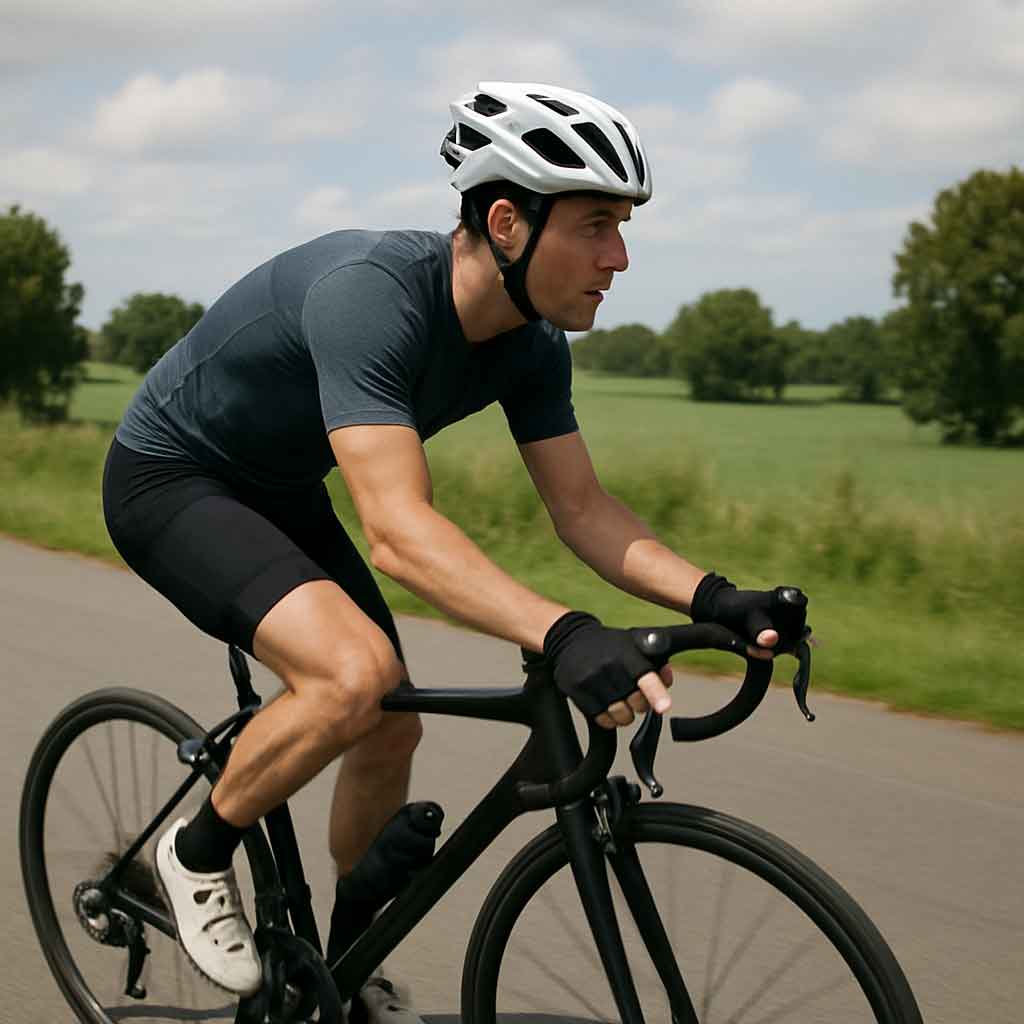
Maintaining the correct PSI in your road bike tires offers several benefits:
Improved Performance
Optimal tire pressure reduces rolling resistance, allowing you to ride more efficiently and at higher speeds.
Enhancing Speed and Efficiency
Properly inflated tires enhance speed by minimizing rolling resistance. This allows you to maintain higher speeds with less effort, making your rides more efficient and enjoyable. Optimal PSI ensures your bike is always performing at its best.
Energy Conservation
Conserving energy during rides is crucial for long-distance cycling. The right PSI enables efficient energy transfer from pedaling to forward motion, reducing fatigue. This conservation translates into improved endurance and a more enjoyable cycling experience.
Performance in Varied Conditions
Optimal PSI ensures consistent performance across varied conditions. Whether you're on smooth roads or challenging terrains, maintaining the right tire pressure allows your bike to adapt and perform optimally, enhancing your overall ride quality.
Enhanced Comfort
The right PSI absorbs road vibrations, making your ride smoother and more enjoyable.
Reducing Road Vibrations
Properly inflated tires act as a buffer against road vibrations, absorbing shocks and providing a smoother ride. This reduction in vibrations enhances comfort, allowing you to enjoy longer rides without discomfort or fatigue.
Customizing Comfort Levels
Customizing your PSI to match personal comfort preferences can greatly enhance your cycling experience. Whether you prefer a softer ride or a firmer feel, adjusting PSI offers the flexibility to tailor comfort levels to your liking.
Long-Distance Comfort
For long-distance cyclists, maintaining optimal PSI is key to enduring comfort. By reducing vibrations and enhancing ride smoothness, the right tire pressure ensures you can enjoy extended rides without undue strain or discomfort.
Increased Safety
Properly inflated tires provide better traction and control, reducing the risk of accidents.
Traction and Control
Optimal PSI enhances traction, crucial for maintaining control during turns and on slippery surfaces. This control reduces the likelihood of accidents, ensuring a safer ride regardless of conditions.
Stability in Adverse Conditions
Maintaining the right PSI provides stability even in adverse conditions like rain or loose gravel. This stability is vital for preventing slips and falls, enhancing confidence and safety during challenging rides.
Preventing Accidents
Accidents often result from poor traction or tire failure. By ensuring your tires are properly inflated, you significantly reduce these risks, promoting a safer and more enjoyable cycling experience.
Longer Tire Life
Maintaining the correct PSI can extend the lifespan of your tires by preventing unnecessary wear and tear.
Reducing Wear and Tear
Proper inflation reduces stress on tire materials, preventing excessive wear and tear. This longevity ensures you get the most out of your tires, saving costs and extending their usability.
Maximizing Investment
Investing in quality tires is a significant expense for cyclists. By maintaining optimal PSI, you maximize this investment, ensuring your tires last longer and perform better, providing value for your money.
Environmental Benefits
Extending tire life through proper PSI maintenance also has environmental benefits. By reducing the frequency of tire replacements, you contribute to less waste and a more sustainable cycling practice.
Conclusion
Understanding and maintaining the optimal PSI for your road bike tires is an essential aspect of cycling that can enhance your performance, comfort, and safety. By considering factors like rider weight, tire size, and road conditions, and by regularly checking and adjusting your tire pressure, you can ensure a superior biking experience. Remember, the right PSI is not just a number—it's a key to unlocking the full potential of your ride.






 Jack Ding

