Welcome to Mondince Bike - A well-known factory specialized in produce carbon bike frame and other parts since 2007.


Common Mistakes in Road Bike PSI
When it comes to riding a road bike, one crucial factor that often gets overlooked is the tire pressure, measured in PSI (pounds per square inch). Understanding and maintaining the correct PSI for road bike tires can significantly impact performance, comfort, and safety. However, many cyclists make common mistakes in this area. Let's delve into these pitfalls and learn how to avoid them.
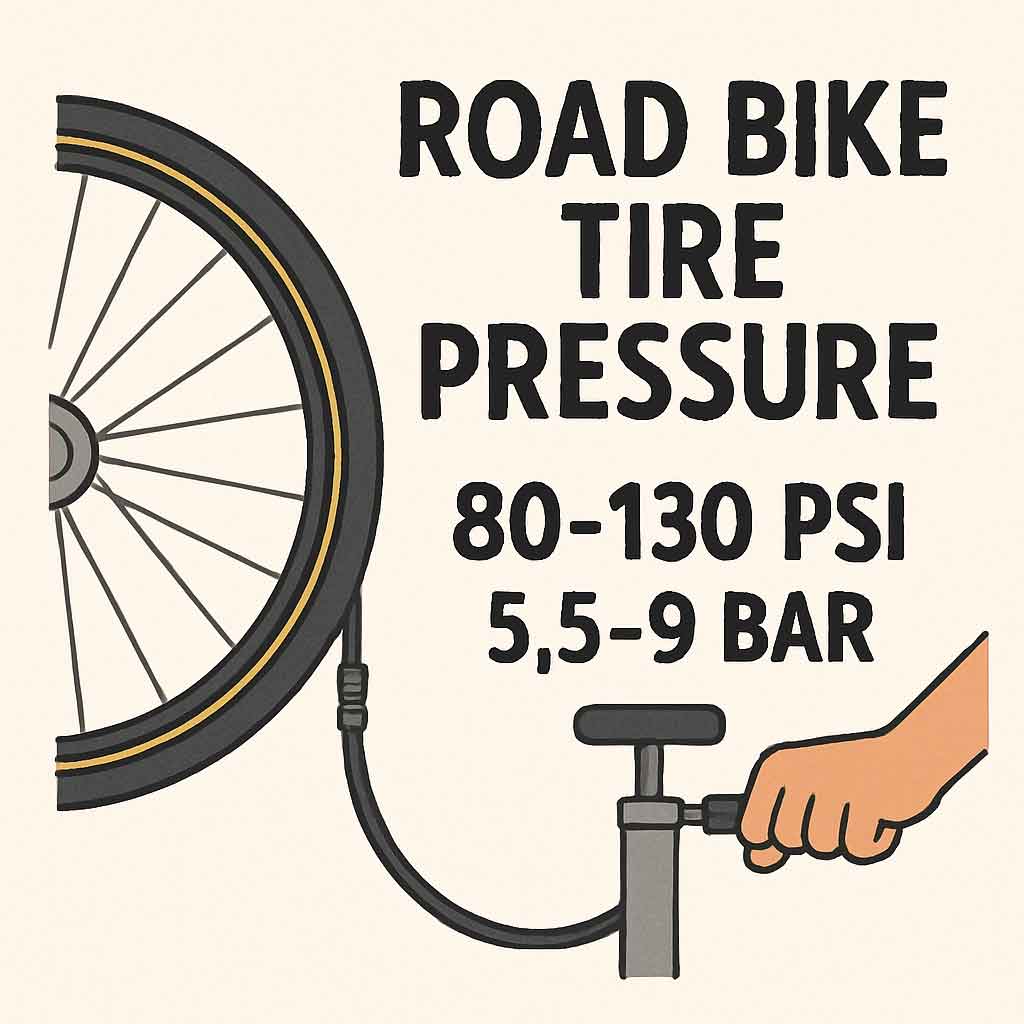
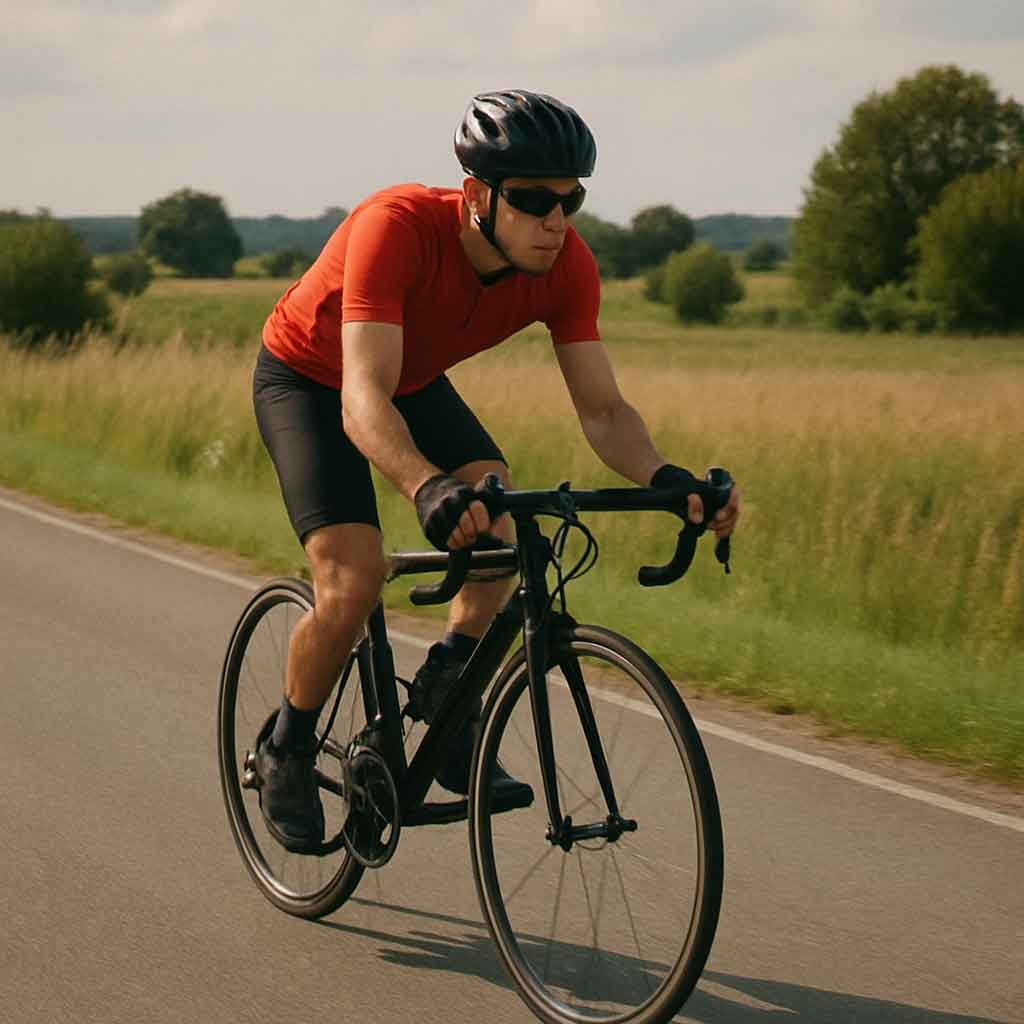
Before we dive into the mistakes, it's essential to grasp the basics. Road bike tire pressure is the amount of air inside your bike's tires, measured in PSI. The right tire pressure depends on various factors, including rider weight, road conditions, and tire type. Typically, road bikes require higher PSI than mountain bikes, ranging from 80 to 130 PSI.
The Basics of PSI
PSI is a crucial measurement that dictates how much air pressure is inside your bike's tires. This measurement can affect everything from how fast you ride to how comfortable the journey is. As a cyclist, understanding PSI is as important as knowing how to pedal. It's the pressure that keeps your tires properly inflated and your rides smooth.
Factors Influencing Ideal PSI
Several factors determine the ideal PSI for your road bike tires. Rider weight is a significant factor; heavier riders may need slightly higher pressure to maintain performance. Road conditions, such as smooth asphalt versus rough gravel, also play a role. The type of tire and its construction can further influence the optimal PSI settings for your bike.
Comparing Road Bike and Mountain Bike PSI
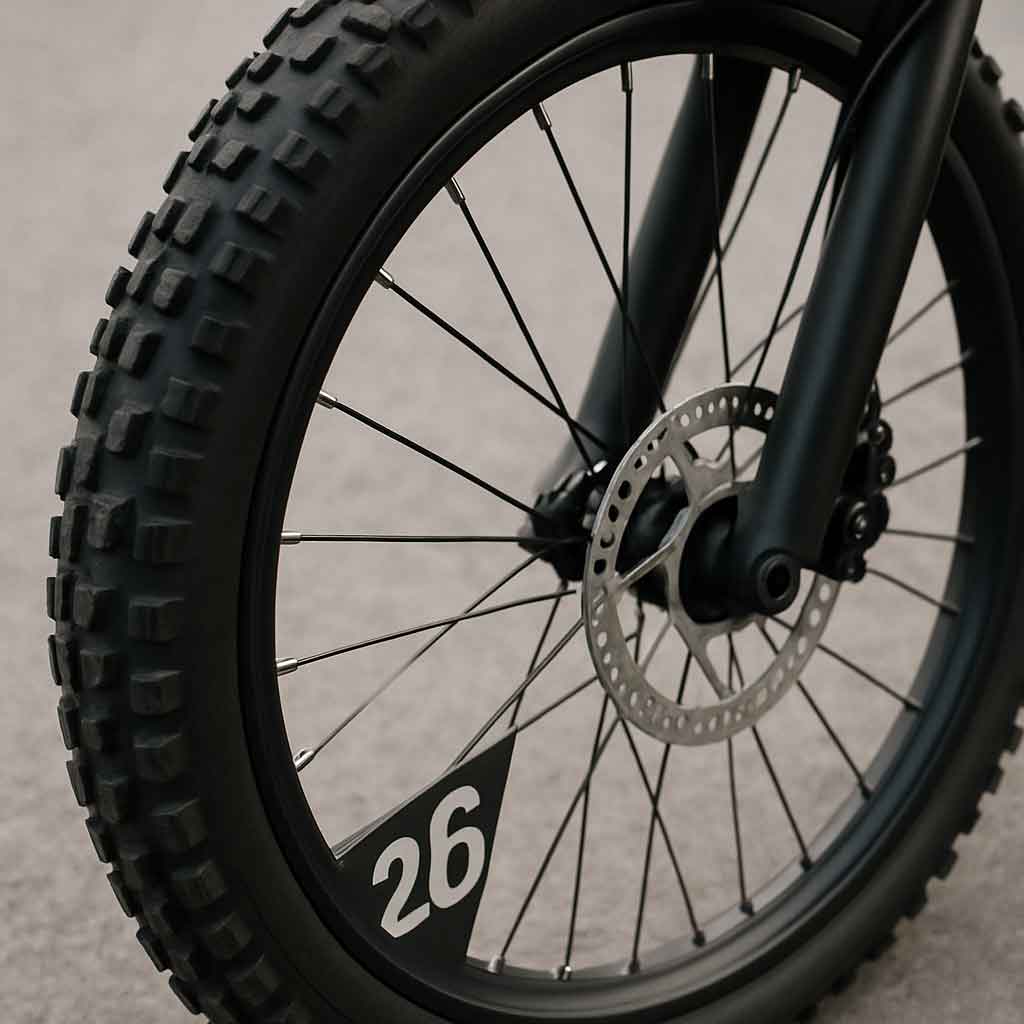
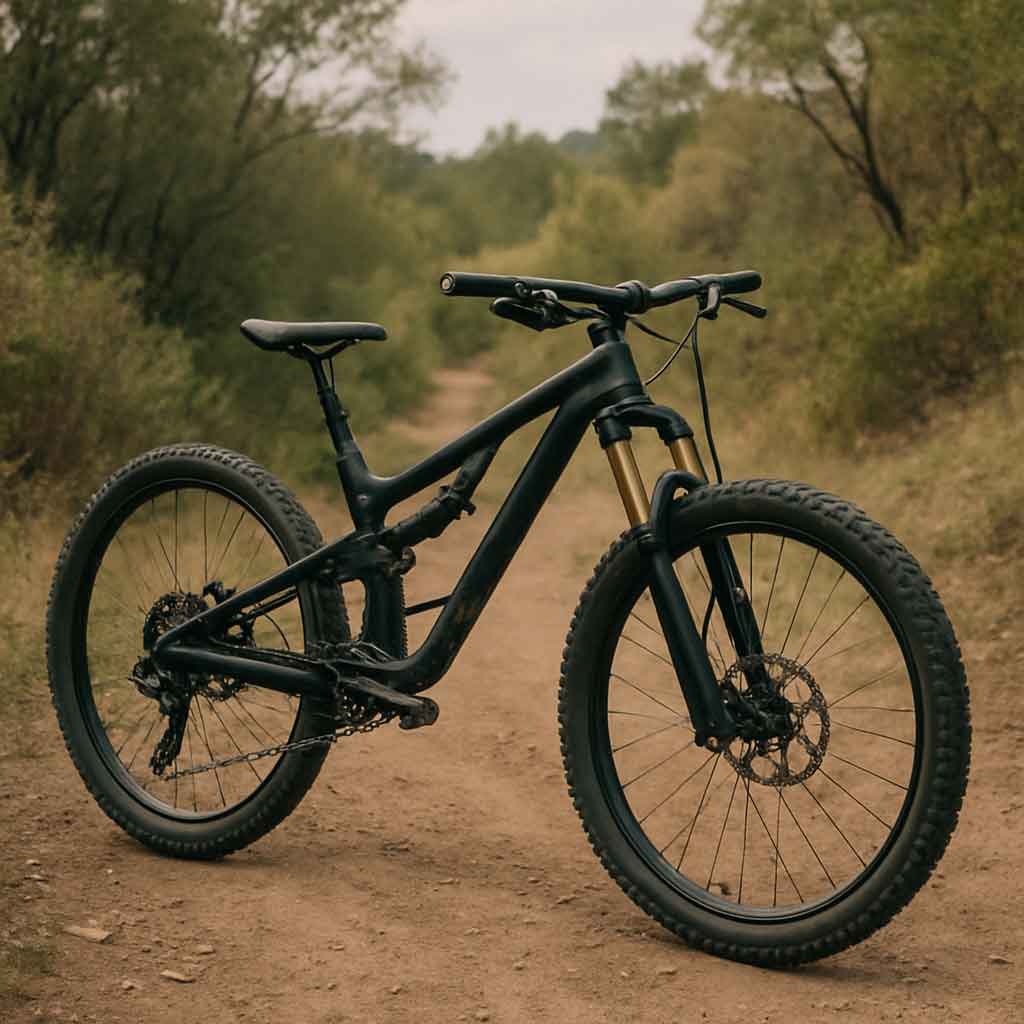
Road bikes typically require higher PSI than mountain bikes. This is due to the difference in the surfaces they are designed for. While mountain bikes need lower PSI to absorb impacts from rough terrains, road bikes benefit from higher PSI to reduce rolling resistance on smooth surfaces. Understanding this distinction is vital for maintaining optimal performance.
Why PSI Matters
The PSI in your road bike tires affects several aspects of your ride:
- Performance: Proper tire pressure reduces rolling resistance, making it easier to pedal and maintain speed.
- Comfort: The right PSI can cushion your ride, absorbing minor bumps and vibrations.
- Safety: Properly inflated tires provide better traction and reduce the risk of flats or blowouts.
Performance Enhancement
Maintaining the correct PSI is crucial for performance. When your tires are inflated to the right pressure, they minimize the contact area with the road, which reduces rolling resistance. This reduction means you expend less energy pedaling, which can be especially beneficial over long distances or when speed is a priority.
Boosting Comfort Levels
Tire pressure doesn't just affect how fast you can go; it also impacts comfort. Properly inflated tires act as a buffer, absorbing minor road imperfections and vibrations. This cushioning effect can make a significant difference on long rides, preventing fatigue and discomfort, and allowing you to focus on enjoying the ride.
Safety Considerations
Safety is paramount when cycling, and tire PSI plays a critical role. Properly inflated tires ensure better traction, particularly in challenging conditions such as wet or uneven surfaces. Moreover, maintaining the right PSI reduces the risk of tire-related issues like flats or blowouts, both of which can be dangerous during a ride.
Common Mistakes Cyclists Make
Let's explore some of the frequent errors cyclists make regarding road bike tire pressure and how to fix them.
Overinflating Tires
One of the most common mistakes is overinflating tires. Many cyclists believe that the harder the tire, the faster and more efficient the ride. While a higher PSI can reduce rolling resistance, it also decreases the tire's contact with the road, reducing grip and increasing the risk of slipping, especially on wet surfaces.
Risks of Overinflation
Overinflating your tires can lead to several issues. While it may seem like the bike will go faster, the reduced contact with the road surface can lead to less control and grip. This is particularly hazardous when navigating corners or riding on wet surfaces, where the risk of slipping increases.
How to Avoid Overinflation
- Check Manufacturer's Recommendations: Always refer to the recommended PSI range printed on the tire sidewall.
- Consider Rider Weight: Heavier riders may require slightly higher PSI, but always within the recommended range.
- Use a Reliable Pump: Invest in a quality pump with a pressure gauge to ensure accurate inflation.
Checking Manufacturer's Guidelines
Each tire has a recommended PSI range, which can typically be found on the sidewall. Adhering to these guidelines ensures you stay within safe limits. These recommendations are made after rigorous testing and should be your primary reference when inflating tires.
Considering Rider-Specific Needs
Your weight plays a role in determining the right PSI. Heavier riders may benefit from slightly higher pressures to maintain performance and avoid tire deformation. However, even in these cases, it's crucial to remain within the tire's recommended PSI range to avoid overinflation risks.
Investing in Quality Equipment
A reliable pump with an accurate pressure gauge is essential for maintaining proper tire pressure. Digital gauges can offer precise readings, reducing the risk of overinflation due to inaccurate measurements. Regularly calibrating your pump can also ensure its readings remain accurate over time.
Underinflating Tires
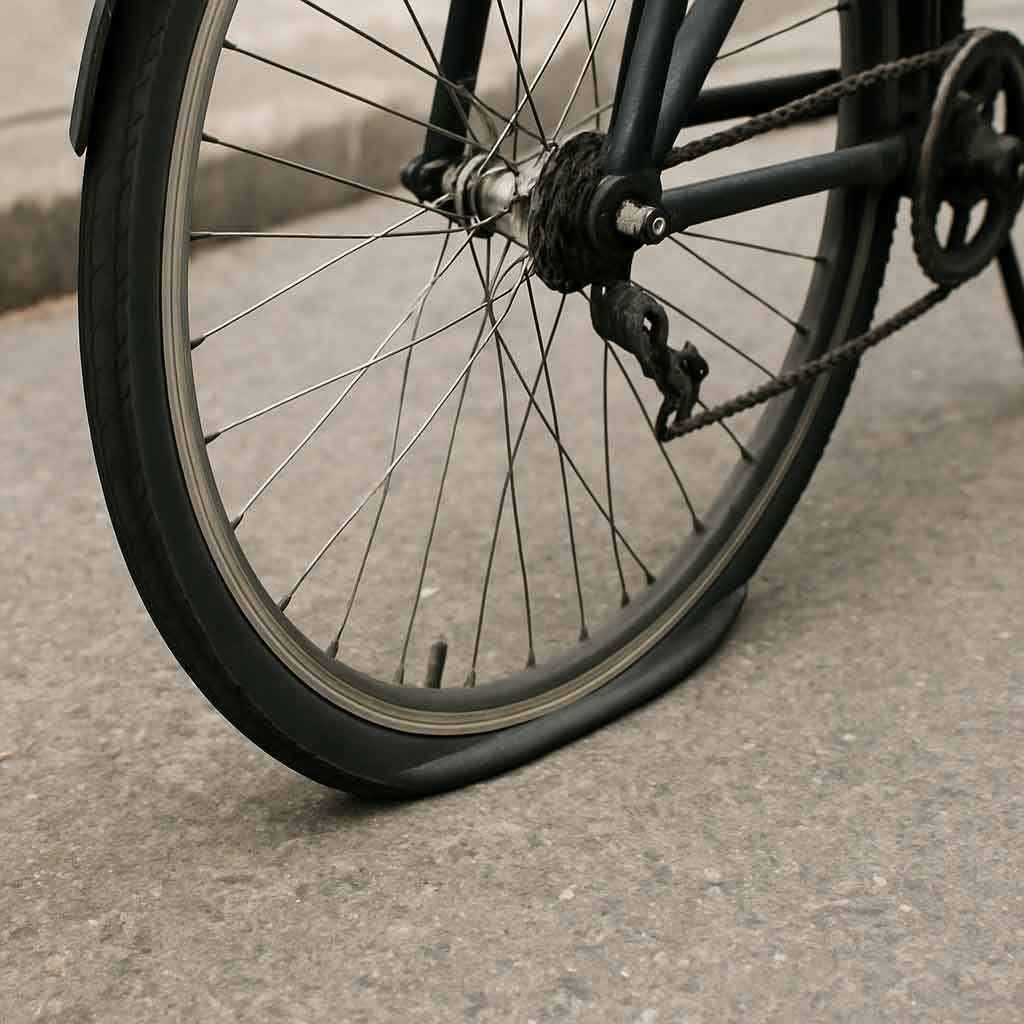
On the flip side, underinflating tires is another common mistake. Low PSI increases the tire's contact area with the road, which can increase rolling resistance and make pedaling more laborious. It also increases the risk of pinch flats, where the tube gets pinched between the tire and rim.
Dangers of Underinflation
Riding with underinflated tires can cause several problems. Increased rolling resistance requires more effort from the rider, leading to quicker fatigue. The larger contact patch can also slow you down, making your ride less efficient. Additionally, the risk of pinch flats increases, potentially interrupting your ride unexpectedly.
How to Avoid Underinflation
- Regular Checks: Check tire pressure before every ride, as tires naturally lose air over time.
- Adjust for Conditions: Lower PSI slightly for wet or uneven surfaces to improve traction, but stay within recommended limits.
- Use a Floor Pump: A floor pump with a gauge provides more accurate readings than a mini pump.
Importance of Regular Checks
Tire pressures naturally decrease over time due to air seepage, so regular checks are essential. Before each ride, ensure your tires are at the recommended PSI to prevent the problems associated with underinflation. Consistent monitoring can help catch slow leaks early before they become a bigger issue.
Adjusting for Road Conditions
Sometimes, it's beneficial to adjust tire pressure based on riding conditions. For example, slightly reducing PSI can improve traction on wet or rough surfaces. However, these adjustments should always remain within the tire's recommended range to avoid the pitfalls of underinflation.
Benefits of Using a Floor Pump
Floor pumps are preferable for accurate pressure readings. They provide more precise measurements compared to mini pumps, making it easier to achieve the ideal PSI. Investing in a good quality floor pump can enhance your cycling routine, providing reliable inflation every time.
Ignoring Temperature Effects
Temperature can significantly impact tire pressure. Air expands with heat and contracts with cold, meaning your PSI can vary with the weather. Ignoring these changes can lead to riding with incorrect pressure.
How to Adjust for Temperature
- Check PSI in the Morning: Tire pressure can rise as the day heats up, so check PSI early.
- Adjust on the Go: Carry a mini pump and pressure gauge for adjustments during temperature changes.
Understanding Temperature Variations
Temperature fluctuations can cause noticeable changes in tire pressure. During colder months, air contracts, leading to lower PSI, whereas in warmer conditions, air expands, potentially increasing PSI. Understanding this relationship can help you anticipate and adjust your tire pressure accordingly.
Morning Checks and Adjustments
Checking tire pressure in the morning can give you a baseline before temperatures rise. As the day warms, the air inside your tires will expand, potentially increasing pressure. By starting with a morning check, you can ensure that your tires are inflated to the correct starting point.
Preparing for Temperature Changes
Carrying a portable pump and pressure gauge allows for adjustments during rides, particularly on long journeys where temperature changes are likely. This preparedness ensures that you can always maintain the optimal PSI, regardless of environmental conditions.
Neglecting Tire Condition
Even if you're diligent about PSI, ignoring the overall condition of your tires can lead to problems. Worn-out or damaged tires may not hold air properly or could fail during a ride, posing safety risks.
How to Maintain Tire Condition
- Regular Inspections: Check for cuts, punctures, and general wear before each ride.
- Replace When Needed: Tires should be replaced when the tread is worn, or there are visible signs of damage.
- Store Properly: Keep your bike in a cool, dry place to prevent tire degradation.
Importance of Regular Inspections
Regularly inspecting your tires can prevent unexpected issues during a ride. Look for signs of wear, such as thinning tread or visible cuts. Catching these early can prevent blowouts or other tire failures that could lead to accidents.
Knowing When to Replace Tires
Tires have a lifespan, and knowing when to replace them is crucial for safety. As a general rule, if the tread is worn down or there are visible signs of damage, it's time for a new set. Regularly replacing your tires ensures optimal performance and safety.
Storing Your Bike Correctly
Proper storage can extend the life of your tires. Keeping your bike in a cool, dry place helps prevent the rubber from deteriorating prematurely. Avoiding direct sunlight and extreme temperatures can also protect your tires from unnecessary wear.
Tips for Optimal Tire Pressure
by Donald Teel (https://unsplash.com/@epartner)
To ensure you're riding with the ideal PSI, here are some additional tips:
- Experiment: Try different PSI settings within the recommended range to find what feels best for your riding style and conditions.
- Keep Records: Note your preferred PSI settings for various conditions and use them as a reference.
- Consult Experts: If you're unsure, ask experienced cyclists or bike shop professionals for advice.
Experimenting with PSI
Finding the ideal PSI often involves some experimentation. Try different settings within the recommended range to see what provides the best balance of speed, comfort, and grip for your riding style. Variations can depend on factors such as terrain and personal preference.
Keeping Accurate Records
Maintaining a log of your preferred PSI settings can be incredibly useful. Note how different pressures feel under various conditions to build a reference guide. This record can help you quickly find the right settings in the future, saving time and improving your riding experience.
Seeking Professional Advice
Don't hesitate to seek advice from experienced cyclists or professionals at a bike shop. These experts can provide valuable insights and recommendations based on your specific needs and riding habits. Their guidance can be instrumental in achieving the perfect tire pressure for your bike.
Conclusion
Proper tire pressure is a simple yet crucial aspect of road biking that can enhance your performance, comfort, and safety. By avoiding common mistakes like overinflation, underinflation, and ignoring temperature effects, you can ensure a smooth and enjoyable ride. Regular checks, maintenance, and adjustments will keep your tires in top condition, allowing you to make the most of your cycling experience.
Understanding how much PSI your road bike tires need and maintaining it consistently will ensure that every ride is both fun and safe. Happy cycling!





 Jack Ding

