Welcome to Mondince Bike - A well-known factory specialized in produce carbon bike frame and other parts since 2007.


Understanding Cracks in Carbon Frames
.jpg)
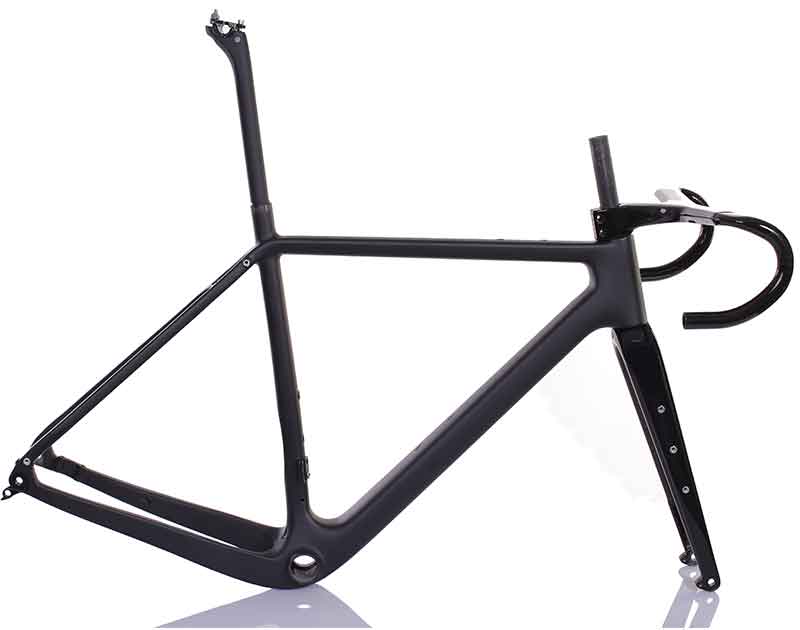
Carbon fiber frames have revolutionized the cycling industry, becoming the go-to choice for riders seeking a blend of lightweight performance and robust durability. Yet, even the most advanced materials have their vulnerabilities. While carbon frames are celebrated for their high strength-to-weight ratio, understanding the nuances of their maintenance and the potential for damage is crucial. This comprehensive guide delves into the intricacies of carbon fiber upkeep, identifying cracks, and the necessary steps for repair to ensure the longevity and safety of your bike.
The Nature of Carbon Fiber
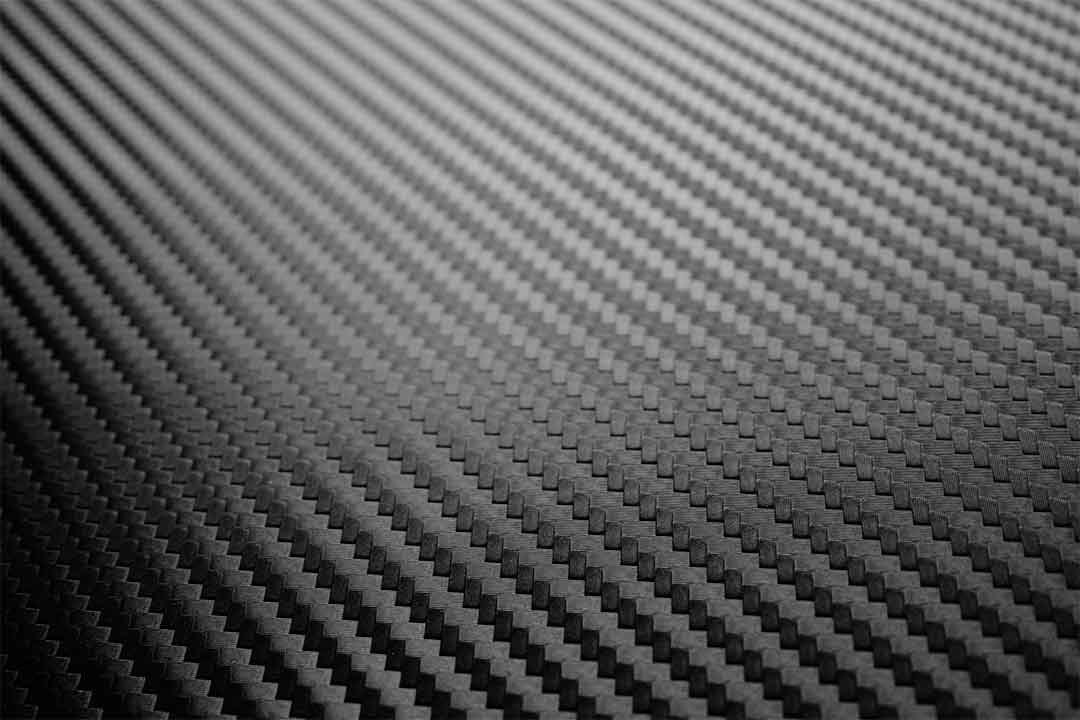
Carbon fiber, a marvel of modern engineering, is composed of ultra-thin carbon strands that are woven into fabrics and bonded with resin to form a composite material. This section will explore the unique properties of carbon fiber, its advantages, and the potential weaknesses that come with its use in bike frames.
Composition and Fabrication
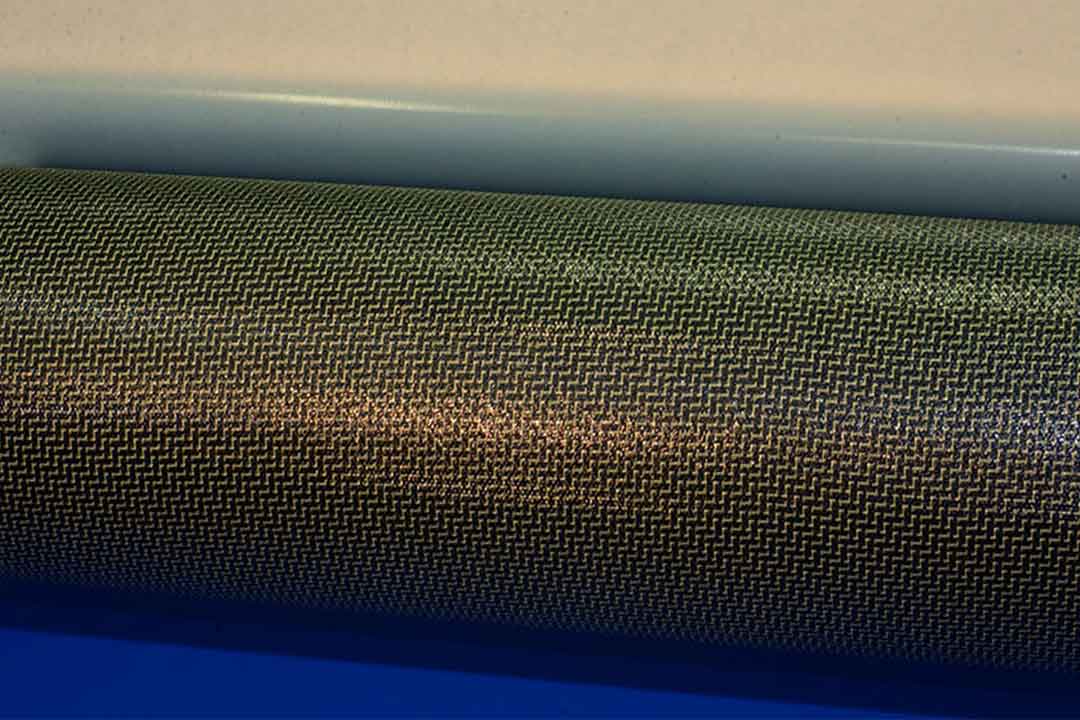
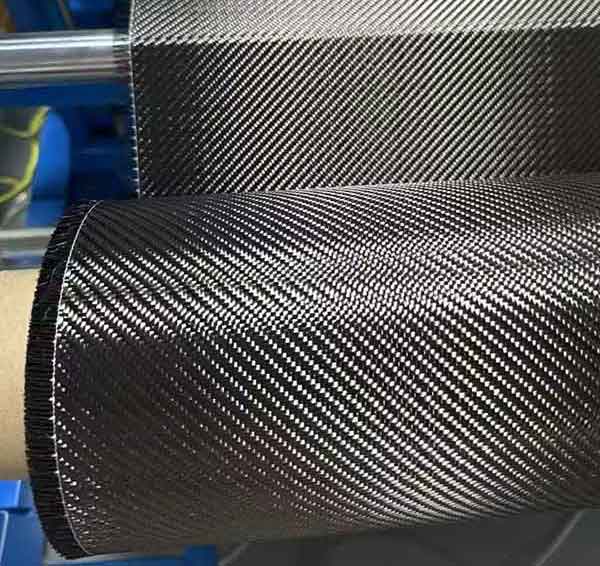
Carbon fiber is a material of incredible complexity, made from polyacrylonitrile or PAN fibers that undergo a rigorous process of heating and stretching. These fibers are then woven into sheets and combined with resin to create a composite that's both strong and lightweight. This manufacturing process allows for the creation of frames that are not only aerodynamic but also capable of withstanding significant stress.
Advantages of Carbon Fiber
The benefits of carbon fiber extend far beyond its lightweight nature. In addition to being lighter than metals like aluminum or steel, carbon fiber offers exceptional stiffness, translating to better power transfer from the cyclist to the bike. This characteristic makes it particularly advantageous for competitive cycling where speed and efficiency are paramount. Furthermore, the versatility of carbon fiber allows manufacturers to mold frames into complex shapes, optimizing both aerodynamics and aesthetics.
Potential Weaknesses
Despite its numerous strengths, carbon fiber is not without its drawbacks. Unlike metals, which often bend or deform visibly under stress, carbon fiber can sustain damage that is not immediately apparent. This makes regular inspections crucial, as undetected cracks can lead to catastrophic failures. Additionally, carbon fiber is more susceptible to impact damage and stress fractures, particularly if mishandled or improperly maintained.
Identifying Cracks in Carbon Frames
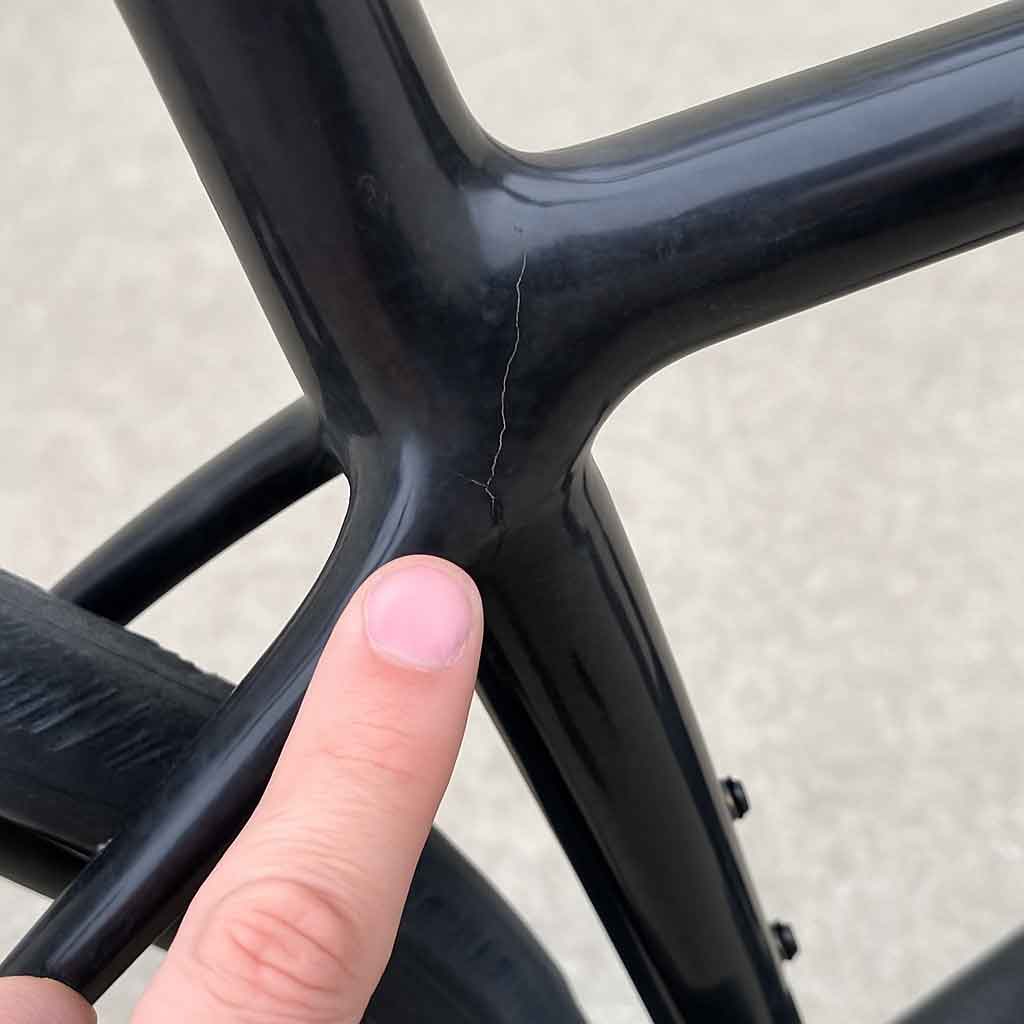
Detecting cracks in a carbon frame is vital for maintaining both the structural integrity of the bike and the safety of the rider. This section outlines various methods to identify potential cracks, emphasizing the importance of regular checks.
Visual Inspection
A meticulous visual inspection is the first line of defense in identifying cracks. Riders should routinely examine their frames for any unusual lines, gaps, or surface irregularities. Pay particular attention to areas around joints and components where stress is more likely to cause damage. A bright light and a keen eye can often reveal issues that might otherwise go unnoticed.
The Tap Test
For a more thorough inspection, the "tap test" can be a valuable tool. By tapping different sections of the frame with a coin or similar object, riders can listen for variations in sound. A change from a solid to a hollow sound might indicate a crack or delamination. This simple test can often detect issues that are not visible to the naked eye.
Professional Inspection
When in doubt, seeking a professional inspection is always advisable. Bike shops equipped with specialized tools can conduct comprehensive assessments of carbon frames, identifying damage that might be missed during a home inspection. Professionals can provide peace of mind, ensuring that any potential issues are addressed before they escalate.
Causes of Cracks
Understanding the causes of cracks in carbon frames can help prevent them. This section explores various factors that contribute to frame damage, enabling cyclists to take proactive measures.
Impact Damage
One of the most common causes of cracks is impact damage from falls or collisions. Even seemingly minor accidents can result in significant internal damage to a carbon frame. Riders should always inspect their bikes after any incident, no matter how minor it appears, to ensure there are no hidden issues.
Manufacturing Defects
While rare, manufacturing defects can occasionally occur, leading to structural weaknesses. These defects might manifest as resin-rich areas or voids within the carbon layers. If a bike exhibits unusual performance or visible issues shortly after purchase, it's essential to contact the manufacturer or retailer to address potential defects under warranty.
Over-Tightening Components
Carbon frames are sensitive to the torque applied to components such as seat posts and handlebars. Over-tightening can exert excessive stress on the frame, leading to cracks. Using a torque wrench and adhering to manufacturer specifications is critical to preventing this type of damage.
Environmental Factors
Environmental factors, such as extreme temperatures and prolonged exposure to UV light, can also affect carbon frames. While carbon fiber is generally resistant to environmental stressors, long-term exposure can lead to degradation of the resin, making regular maintenance and proper storage essential.
Carbon Frame Repair
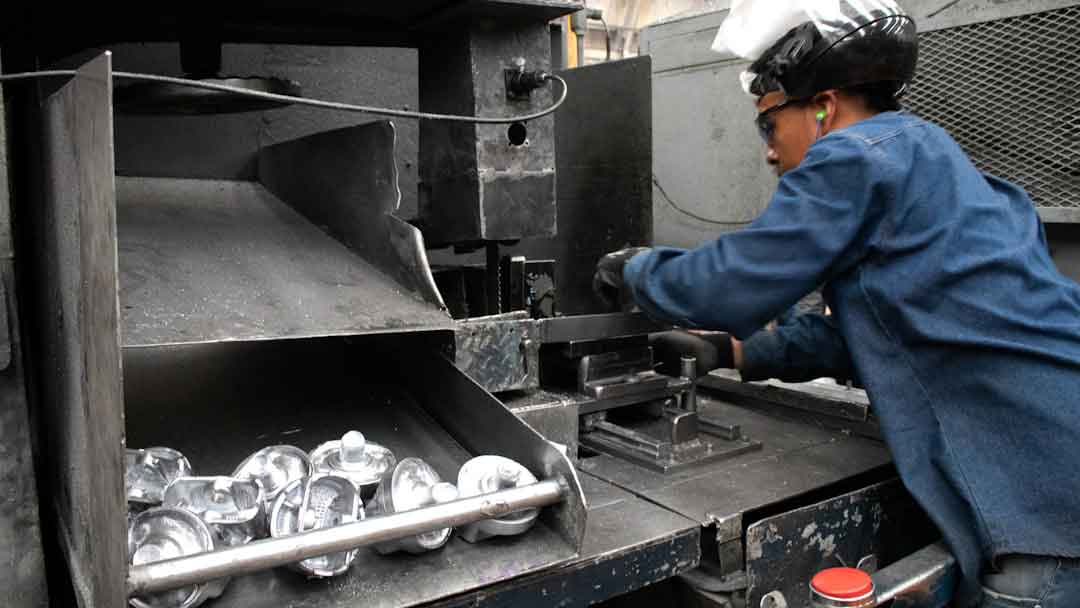
by Salvador Escalante (https://unsplash.com/@salvador_86)
If a crack is detected in your carbon frame, understanding the repair options is crucial. This section provides insights into both DIY and professional repair methods, weighing the pros and cons of each approach.
DIY Repairs
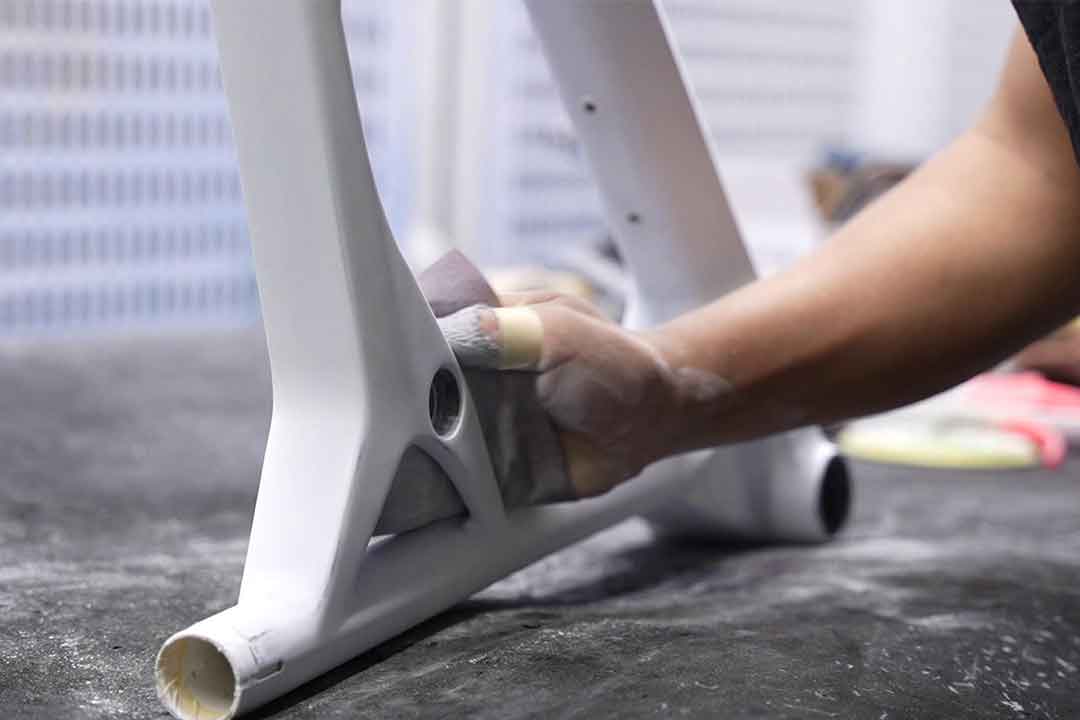
For minor surface scratches, DIY repairs might be feasible with the right tools and materials. However, it's crucial to recognize the limits of DIY fixes. Attempting to repair structural cracks without proper expertise can exacerbate the damage, leading to costly repairs or even frame replacement. When in doubt, it's best to consult a professional.
Professional Carbon Frame Repair
Professional repair shops possess the expertise and tools necessary to address cracks effectively. They can accurately assess the extent of the damage and recommend the most appropriate course of action. Whether it's a simple patch or an extensive repair, professionals can ensure that the frame's integrity is restored, maintaining safety and performance.
Cost and Time Considerations
The cost of repairing a carbon frame varies based on the damage's severity and the chosen repair method. While professional repairs can be expensive, they are often more cost-effective than replacing the entire frame. Repair times can differ, but most shops provide estimates, allowing riders to plan accordingly.
Benefits of Professional Repairs
Beyond the immediate repair, professional services often include a thorough inspection of the entire frame, identifying potential future issues. This holistic approach ensures long-term reliability and safety, providing cyclists with confidence in their equipment.
Maintenance Tips for Carbon Frames
Regular maintenance is key to extending the life of a carbon frame and minimizing the risk of damage. This section offers practical tips to keep your bike in optimal condition.
Regular Inspections
Performing regular visual inspections and tap tests is essential for early detection of potential issues. Catching problems early can prevent more extensive damage and costly repairs down the line. Incorporating these inspections into your routine can significantly enhance your bike's longevity.
Proper Cleaning and Storage
Keeping your bike clean helps prevent dirt and debris from concealing cracks or causing additional wear. Use mild soap and water to clean the frame, avoiding harsh chemicals that could damage the resin. Storing your bike in a cool, dry place protects it from environmental stressors, preserving both its appearance and structural integrity.
Use Proper Tools
When adjusting bike components, always use a torque wrench to ensure that bolts are tightened to the recommended specifications. This practice prevents over-tightening, reducing stress on the frame and prolonging its lifespan. Proper tool usage is a simple yet effective way to maintain your bike's integrity.
Avoid Excessive Stress
To protect your carbon frame, avoid situations that could put excessive stress on your bike. Riding over large obstacles or navigating rough terrain without proper technique can lead to damage. Being mindful of your riding environment and technique can help maintain your frame's condition.
Regular Servicing
In addition to personal maintenance, regular professional servicing can help catch potential issues that might not be apparent during routine checks. Professional mechanics can offer insights into the frame's condition, ensuring any minor issues are addressed before they become significant problems.
Conclusion
Understanding cracks in carbon frames is essential for any cyclist who relies on a carbon fiber bike. Through regular maintenance, diligent inspection, and timely repairs, cyclists can ensure their bikes remain safe and perform at their best. By taking proactive steps, riders can enjoy the benefits of their carbon frames for many years, whether they are casual riders or competitive racers. Knowledge of proper care and maintenance is an invaluable skill, empowering cyclists to ride with confidence and peace of mind.








 Jack Ding

