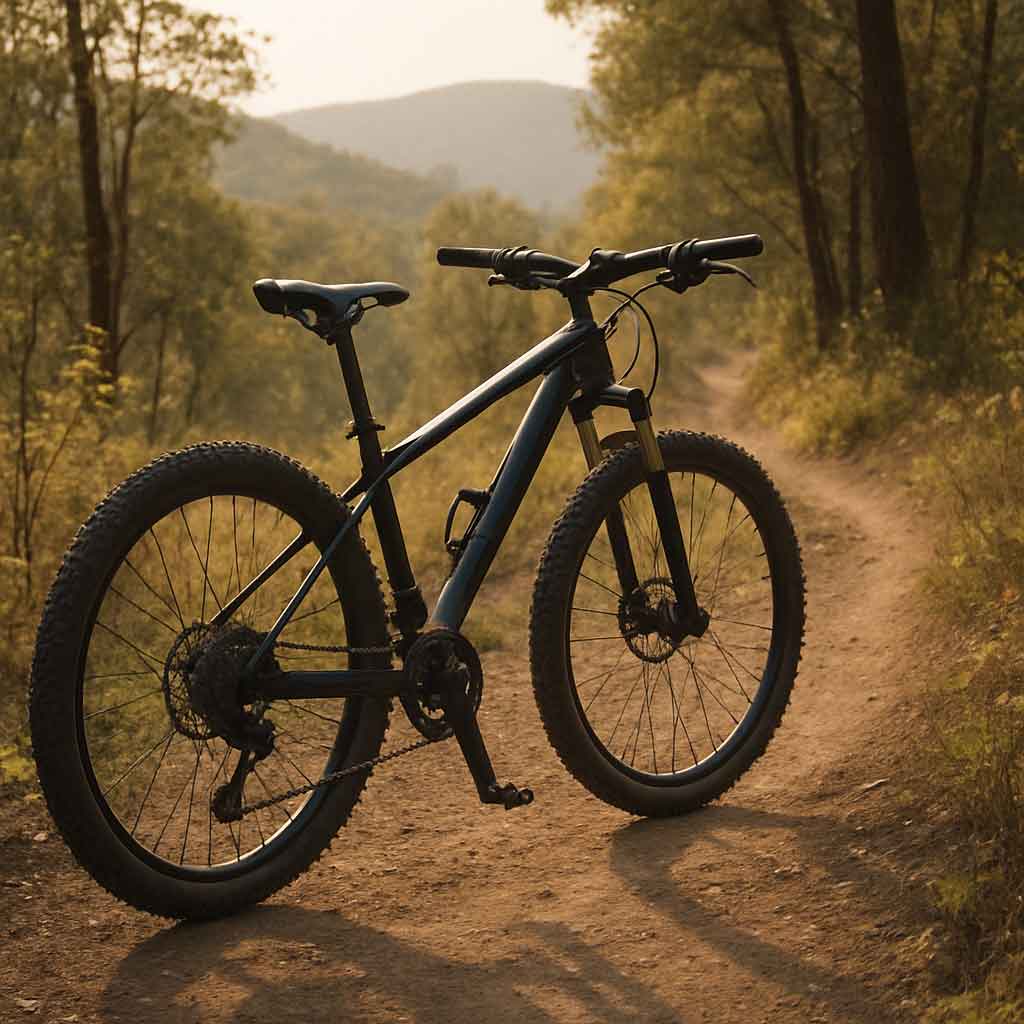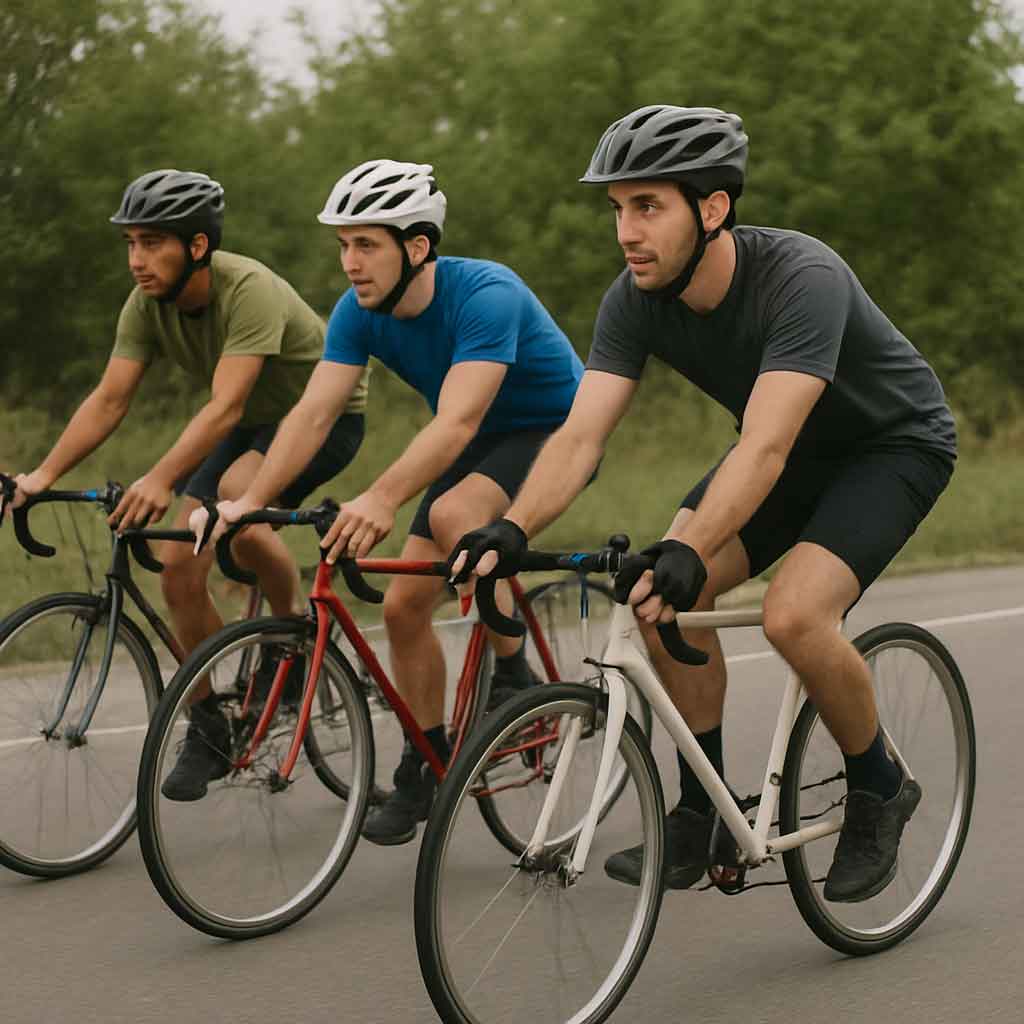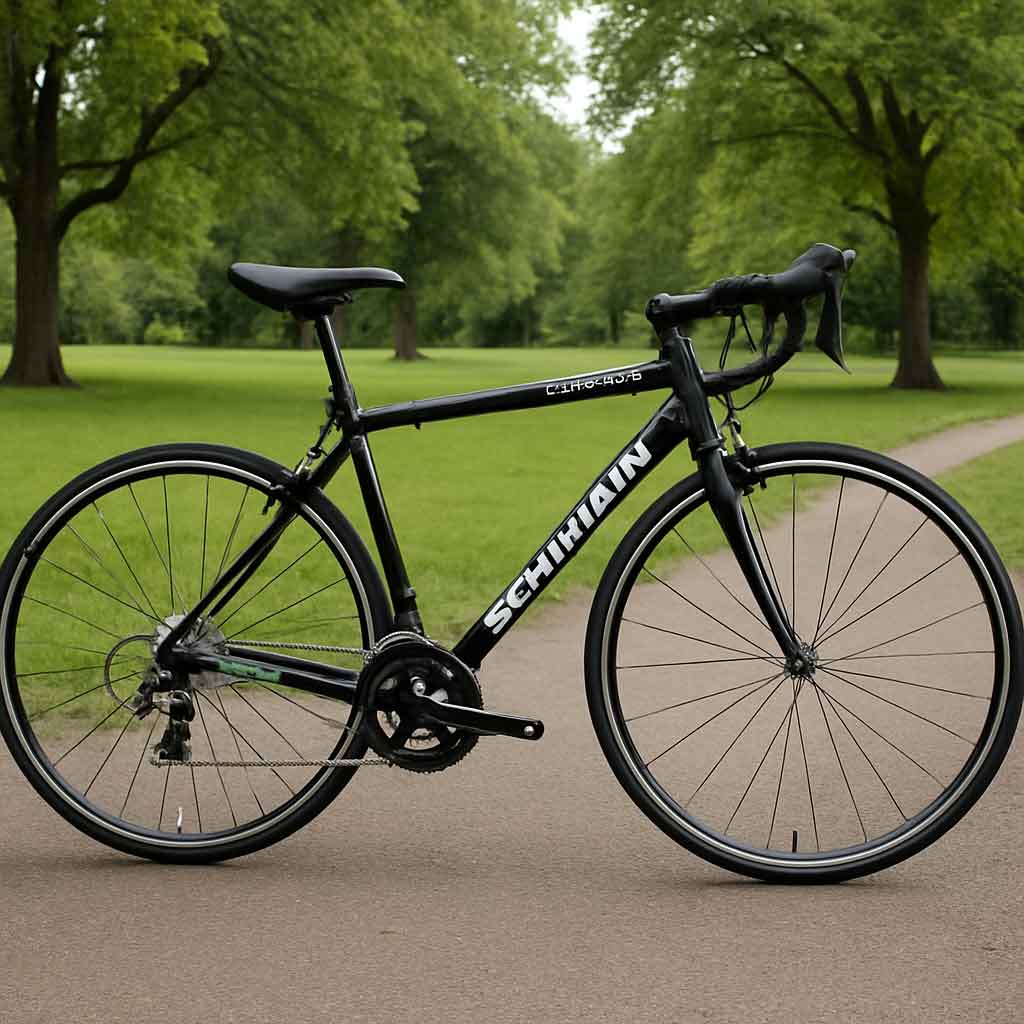

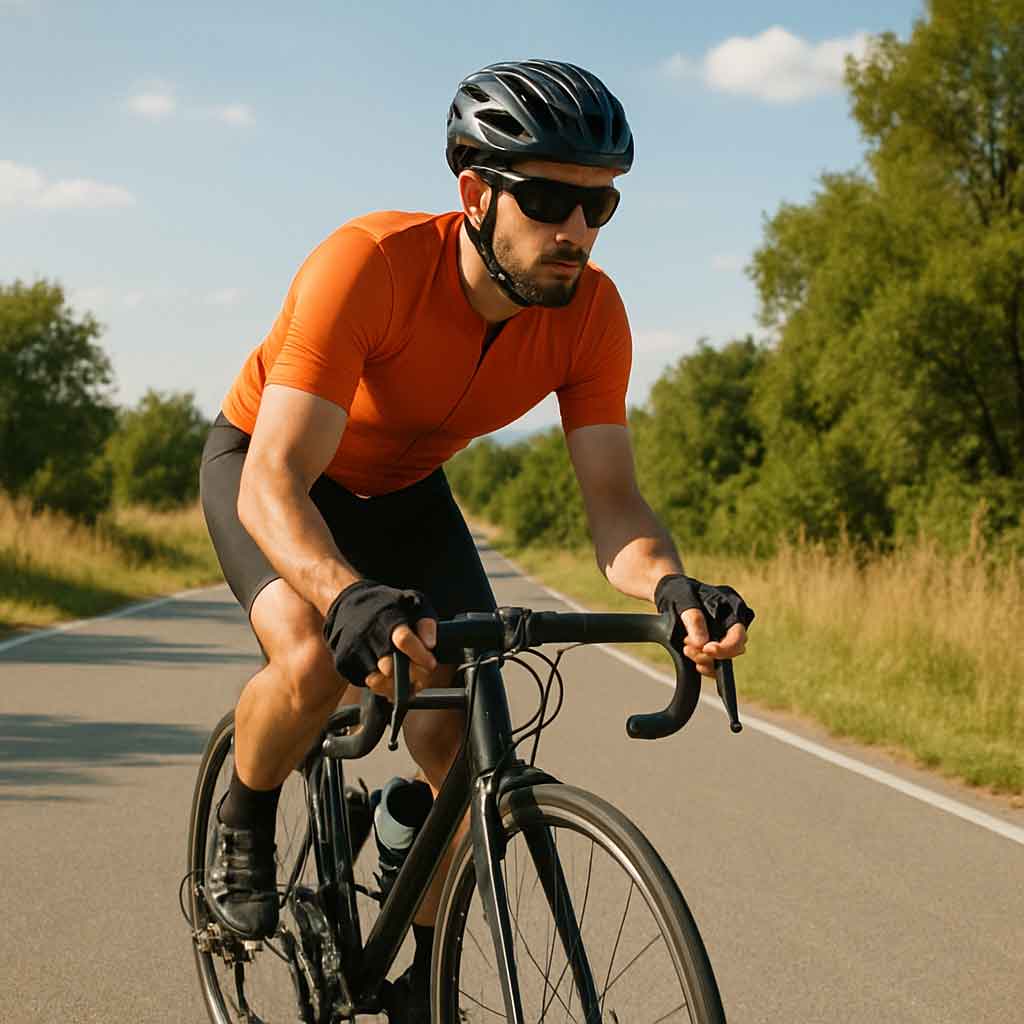
Before diving into specs and prices, it's essential to understand your needs. Are you planning to use the bike for commuting, fitness, or leisure rides? Your intended use will influence the type of bike you should get. Consider the terrain you'll be riding on and the distances you plan to cover. These factors will guide you to the right frame material, gearing, and other specifications.
Purpose and Usage
Identifying the primary purpose of your bike helps narrow down choices significantly. Commuting bikes need to be durable and comfortable for daily use, while fitness bikes might prioritize weight and speed. Leisure rides often focus on comfort and ease of use. Knowing your primary use will help you make informed decisions about features and components.
Terrain and Environment
The environment you plan to ride in affects the type of bike you should choose. Urban areas with smooth roads might benefit from lighter, more streamlined bikes, whereas rural or mixed terrains might require sturdier frames with appropriate gearing. Considering the climate is also crucial; wet conditions may necessitate better braking systems and tires with more grip.
Budget Constraints
Understanding your financial limits is crucial in the selection process. Establish a budget range that considers not just the bike but also additional gear and maintenance costs. It's possible to find quality bikes at various price points, but having a clear budget helps prevent overspending and ensures you're getting the best value for your money.
Frame Material
The frame is the heart of your bike, and its material affects the weight, durability, and price. Here's a breakdown of common frame materials:
Aluminum
Aluminum frames are popular for their lightweight and affordability. They offer a good balance of performance and price, making them ideal for beginners and those looking for a reliable budget option. Aluminum is resistant to rust, which adds to its longevity, especially when used in varied weather conditions. These frames provide a stiff ride, which can translate to efficient power transfer, though some might find them less comfortable on long distances.
Steel
Steel is celebrated for its durability and comfort. Although slightly heavier than aluminum, it provides a smooth ride due to its inherent flexibility. Steel frames are often chosen by riders who prioritize comfort over speed. The ability to absorb road vibrations makes steel a preferred material for long-distance touring bikes. Moreover, steel's strength lends itself well to carrying heavier loads, making it a versatile option for various riding styles.
Carbon Fiber
While typically more expensive, budget-friendly carbon fiber options exist and are worth considering. These frames are exceptionally lightweight and absorb road vibrations well, enhancing ride quality. Carbon fiber bikes can significantly improve the riding experience, especially on uneven terrain. Though repairs can be costly, the benefits in terms of reduced weight and increased comfort make carbon fiber a desirable option for more serious cyclists.
Gearing
The gear system of a road bike determines how well you can handle different terrains. Budget bikes often come with fewer gears, which can limit performance on steep hills or in varied conditions. Look for a bike with a wide range of gears to ensure versatility. A compact double or a triple chainset offers flexibility for both flat and hilly terrains.
Gear Range
A wide gear range is essential for tackling various types of terrain. Bikes with a higher number of gears provide more options for adjusting to climbs, descents, and flat surfaces. Consider the type of cycling you plan on doing; hilly regions benefit from a broader gear range, while flat areas might not require as many options.
Chainset Options
The choice between a compact double or a triple chainset can significantly affect your ride. A compact double chainset is lighter and simpler, suitable for moderate terrains. On the other hand, a triple chainset offers an additional gear for challenging climbs, making it an excellent choice for cyclists who anticipate riding in varied conditions.
Derailleurs and Shifters
The quality of derailleurs and shifters impacts the smoothness of your gear transitions. Even on budget bikes, investing in reliable derailleurs can enhance your cycling experience by ensuring seamless gear changes. Look for well-reviewed brands and models that offer durability and performance within your budget.
Components and Features
Brakes
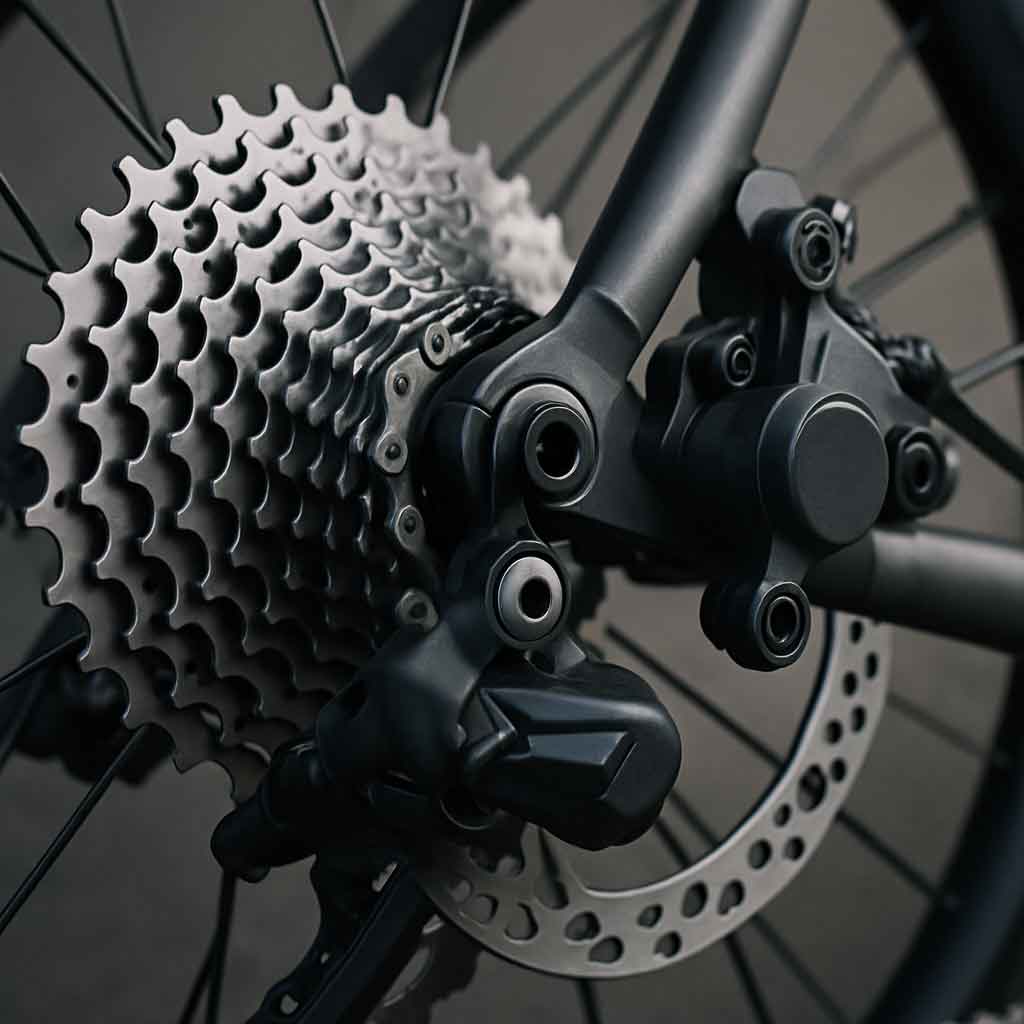
The two main types of brakes on road bikes are rim brakes and disc brakes. Rim brakes are lighter and more affordable, making them common on budget bikes. However, disc brakes offer superior stopping power, especially in wet conditions, and are worth considering if you plan to ride year-round.
Rim Brakes
Rim brakes are favored for their simplicity and lightweight design. They are generally easier to maintain and adjust, making them a practical choice for those new to cycling. However, they can be less effective in wet conditions, where stopping power may be compromised. For dry climates or casual riders, rim brakes offer a cost-effective solution.
Disc Brakes
Disc brakes provide enhanced stopping power and are increasingly found on budget bikes. They perform well in all weather conditions, making them ideal for year-round cyclists. The added weight of disc brakes can be a consideration, but the trade-off in safety and performance often justifies it. Maintenance might be slightly more complex, but the benefits in braking efficiency are significant.
Wheels and Tires
Wheels affect both the bike's weight and performance. Look for lightweight wheels that enhance speed without compromising stability. Tires also play a critical role; narrower tires are faster and best for smooth roads, while wider tires offer more comfort and grip on rough surfaces.
Wheel Composition
The composition of wheels can drastically affect the bike's performance. Alloy wheels are common in budget bikes for their balance of weight and cost. They provide good durability and are often paired with tires that match the intended riding style, such as smooth road racing or rougher commuting routes.
Tire Selection
Tires should be chosen based on the surfaces you'll most frequently encounter. Slick, narrow tires are perfect for speed and efficiency on paved roads. For mixed surfaces or rougher terrain, wider tires with tread provide better grip and comfort. Consider puncture-resistant tires for additional peace of mind during longer rides.
Fit and Comfort
No matter how great a bike is, it won't serve you well if it doesn't fit properly. Ensure the bike's size suits your height and leg length. Most manufacturers provide size guides, but visiting a local bike shop for a fitting can ensure you choose the right size.
Bike Sizing
Proper bike sizing is crucial to prevent discomfort and injury. A bike that fits well will enhance your riding experience and efficiency. Use manufacturer size charts as a starting point, but whenever possible, test ride a bike to confirm that it feels right for your body proportions.
Comfort Features
Consider additional comfort features like padded saddles or ergonomic handlebars. These components can make a significant difference, especially on longer rides. Adjustable seat posts and handlebar stems also allow for fine-tuning the bike's fit, accommodating different body types and preferences.
Price Considerations
When shopping for budget road bikes, expect to spend between $500 and $1,500. At the lower end, bikes may have more basic components, but they can still be reliable if you choose reputable brands. As you move up the price range, you'll find lighter frames, better components, and more advanced features.
Entry-Level Options
Entry-level bikes, typically priced under $800, provide a solid introduction to road cycling. They often feature aluminum frames and basic components, which are sufficient for casual riding or short commutes. These bikes are excellent for those testing the waters of road cycling without a significant financial commitment.
Mid-Range Choices
Mid-range bikes, priced between $800 and $1,500, offer improved components and build quality. You may find lighter materials, such as carbon forks, or enhanced gearing systems. These bikes are suitable for more serious cyclists who require better performance and durability for frequent use.
High-End Features
As you approach the higher end of the budget spectrum, expect to encounter bikes with advanced features typically found in more expensive models. These might include full carbon frames or hydraulic disc brakes. While still budget-friendly, these options provide a taste of high-performance cycling at a fraction of the cost.
Where to Buy
- Local Bike Shops: They offer personalized service and expert advice, although prices might be slightly higher than online retailers.
- Online Retailers: Websites often provide competitive prices and a wide selection. However, you'll need to ensure you choose the right size and may need to assemble the bike yourself.
Local Bike Shops
Shopping at local bike shops provides the benefit of expert advice and the ability to test ride different models. Staff can assist with fitting and offer maintenance tips. While prices may be higher, the personalized service and support can be invaluable, especially for beginners.
Online Retailers
Online retailers offer extensive selections and competitive pricing. Shopping online allows you to compare various models and read customer reviews. However, ensure you accurately measure for size and be prepared for some assembly upon delivery. Many retailers offer customer support to assist with the process.
Second-Hand Market
Buying used can save money, but inspect the bike thoroughly for wear and tear. Platforms like Craigslist or eBay often have hidden gems. Always request detailed photos and inquire about the bike's history. When possible, meet in person to test ride the bike and confirm its condition.
Recommended Budget Road Bikes
To help you get started, here are a few budget-friendly road bikes that offer excellent value for money:
1. Triban RC 120
This bike from Decathlon is a fantastic entry-level road bike. With an aluminum frame and a simple gear setup, it's perfect for beginners. The Triban RC 120 offers a comfortable ride with its endurance geometry, making it suitable for both short commutes and longer rides. Its straightforward design ensures ease of maintenance, a valuable feature for those new to cycling.
2. Giant Contend 3
Giant is a well-known brand, and the Contend 3 offers a comfortable ride with quality components, making it a solid choice in the budget category. Its aluminum frame provides a lightweight yet sturdy feel, while the gear range accommodates various terrains. The bike's balanced design makes it versatile, appealing to both novice and experienced riders alike.
3. Trek Domane AL 2
The Domane AL 2 is known for its endurance geometry, which provides comfort on long rides. It features reliable components that won't let you down. The inclusion of a carbon fork enhances ride quality by absorbing vibrations, a feature often appreciated on long-distance rides. Trek's reputation for durability and performance is well represented in this budget-friendly model.
Maintenance Tips for Longevity
by Duc Van (https://unsplash.com/@duke91)
Once you've chosen your bike, proper maintenance is key to ensuring it lasts. Here are some basic tips:
Regular Cleaning
Keep your bike clean to prevent rust and wear. Pay attention to the drivetrain and brakes. Regular cleaning removes grime and debris that can cause mechanical issues. Use gentle cleaning solutions and tools specifically designed for bikes to avoid damaging components.
Tire Pressure
Check your tire pressure before every ride. Properly inflated tires improve performance and reduce the risk of flats. Refer to the recommended pressure range on the tire sidewall and use a reliable pump with a gauge. Regularly checking tire condition will also help you spot signs of wear early.
Lubrication
Regularly lubricate the chain to keep it running smoothly. Apply lubricant sparingly and wipe off excess to prevent dirt accumulation. Keeping your drivetrain well-lubricated extends its life and improves shifting efficiency. Choose a lubricant suitable for the riding conditions you encounter most frequently.
Professional Tune-Ups
Consider a professional tune-up at least once a year to ensure your bike is in top shape. A thorough check by a professional can identify potential issues before they become costly repairs. Regular tune-ups maintain optimal performance and can prolong the life of your bike's components.
Conclusion
Choosing a budget road bike is all about balancing your needs with available features and price points. By understanding what to look for in frame materials, components, and fit, you can find a bike that offers great value without sacrificing quality. Remember, the best road bicycle for the money is one that meets your riding needs and provides joy on every journey. Happy cycling!