Welcome to Mondince Bike - A well-known factory specialized in produce carbon bike frame and other parts since 2007.


Carbon vs Aluminum: Choosing Your Gravel Bike
When it comes to selecting the ideal gravel bike, one of the most critical decisions you'll face is choosing between a carbon or aluminum frame. Both materials have their own set of advantages and disadvantages, and understanding these can help you make an informed decision. Whether you're a seasoned cyclist or new to gravel biking, this guide will break down the key differences, helping you select the best option for your needs.

Understanding Gravel Bikes
Before diving into the specifics of carbon and aluminum, it's essential to understand what makes gravel bikes unique. Gravel bikes are designed to perform well on a variety of surfaces, from smooth pavement to rugged trails. They offer versatility, allowing cyclists to explore different terrains without needing to switch bikes. This flexibility is one of the reasons gravel biking has gained popularity in recent years.
Features of Gravel Bikes
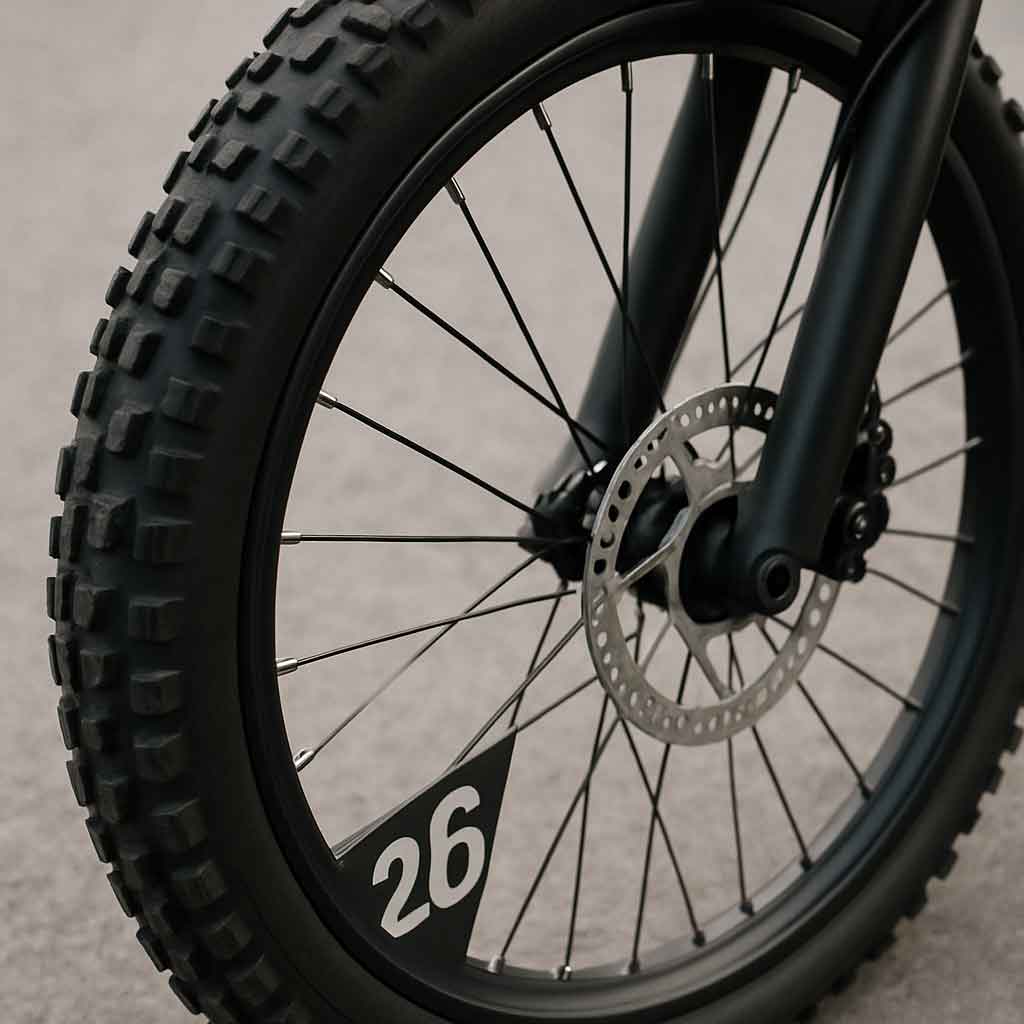
Gravel bikes are characterized by their sturdy frames and wider tires, which provide stability and traction on uneven surfaces. The geometry of these bikes is often designed to offer a more relaxed riding position, enhancing comfort during long rides. This makes them an excellent choice for adventure seekers who prefer off-road cycling.
Versatility and Adaptability
One of the biggest appeals of gravel bikes is their adaptability. Riders can easily transition from city roads to country trails, making them perfect for those who enjoy varied cycling experiences. Additionally, many gravel bikes come equipped with mounting points for racks and fenders, allowing for customization based on the rider's needs.
Growing Popularity
The rise in gravel biking can be attributed to the desire for adventure and exploration. As more people look to escape the confines of urban life, gravel bikes offer an opportunity to explore nature in a unique and thrilling way. This trend has been bolstered by a growing community of enthusiasts and organized gravel racing events worldwide.
Aluminum Gravel Bikes
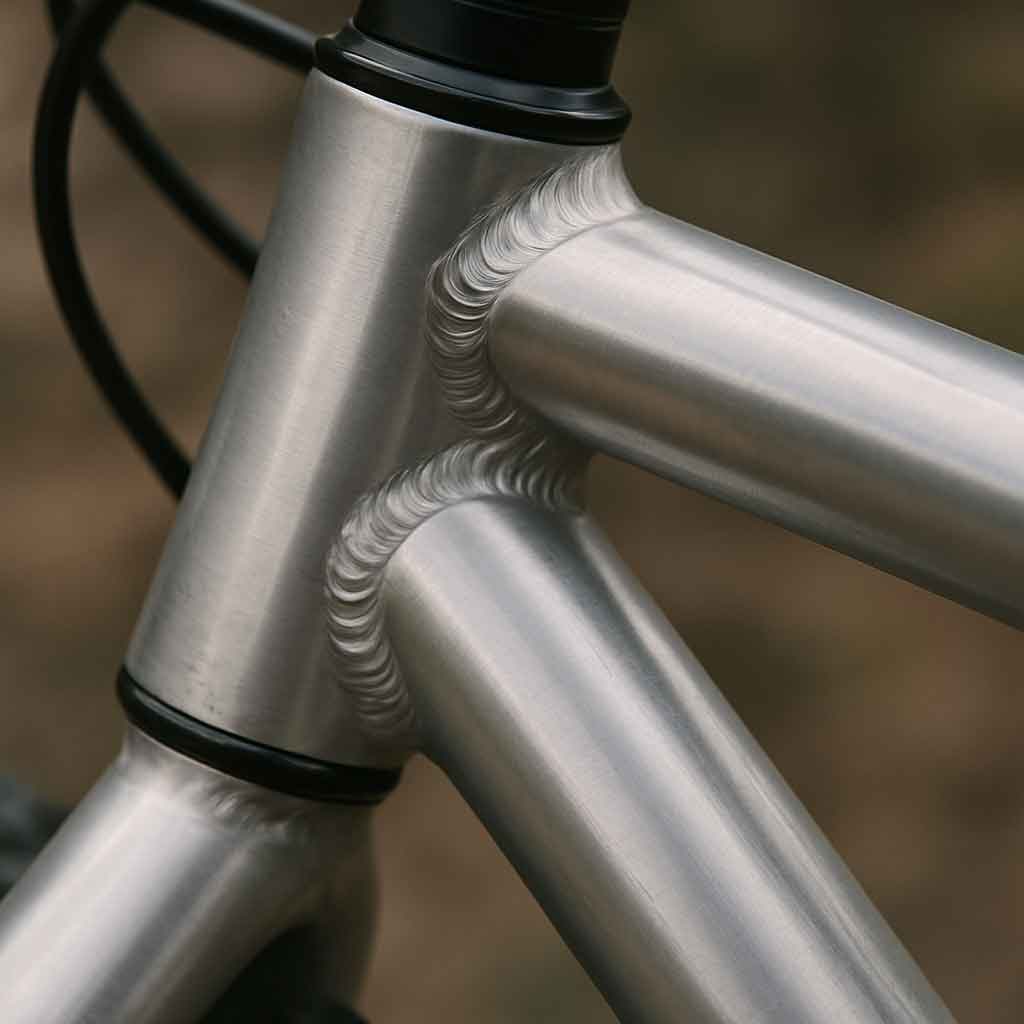
Aluminum has been a popular choice for bike frames for decades. Here's why many cyclists opt for aluminum gravel bikes:
Advantages of Aluminum Gravel Bikes
- Affordability: Aluminum frames are generally more cost-effective than carbon. If you're on a budget but still want a reliable bike, aluminum might be your best bet.Aluminum bikes offer an excellent entry point for those new to gravel biking. With a lower price tag, they provide access to quality cycling experiences without breaking the bank. For cyclists who prioritize practicality and value, aluminum bikes are often the preferred choice.
- Durability: Aluminum is known for its strength and durability. It can withstand rough terrains and minor accidents without significant damage. This makes it an excellent choice for gravel biking, where unpredictable conditions are common.The robust nature of aluminum frames ensures they can handle the unexpected. Whether encountering rocky paths or inclement weather, an aluminum bike is built to endure. This reliability is particularly appealing to those who frequently venture into challenging environments.
- Weight: While not as light as carbon, aluminum frames are still relatively lightweight, making them easier to handle than heavier materials like steel.Aluminum strikes a balance between weight and strength, offering a manageable frame that doesn’t compromise on performance. For riders who need a bike that can be easily transported or maneuvered, aluminum provides a practical solution.
- Stiffness: Aluminum is a stiff material, which can translate to more efficient power transfer from the rider to the bike. This can be particularly beneficial when climbing hills or accelerating.
The stiffness of aluminum frames can enhance the overall riding experience. Cyclists often appreciate the immediate response and agility that aluminum bikes provide, especially in competitive or high-intensity scenarios.
Disadvantages of Aluminum Gravel Bikes
- Ride Comfort: Aluminum frames tend to be less forgiving than carbon, resulting in a harsher ride. This can be a downside for long-distance cyclists who prioritize comfort.Riders who embark on lengthy journeys may find the rigidity of aluminum less accommodating. For those who prioritize comfort over performance, the vibration and shock absorption capabilities may fall short.
- Longevity: Over time, aluminum frames can be prone to fatigue, which may lead to cracking or failure if not regularly inspected and maintained.Regular maintenance is crucial for aluminum bikes to ensure they remain in optimal condition. Potential buyers should consider the long-term care requirements and be prepared to invest time in regular inspections and repairs.
Carbon Gravel Bikes

by Lazar Andy (https://unsplash.com/@andy208)
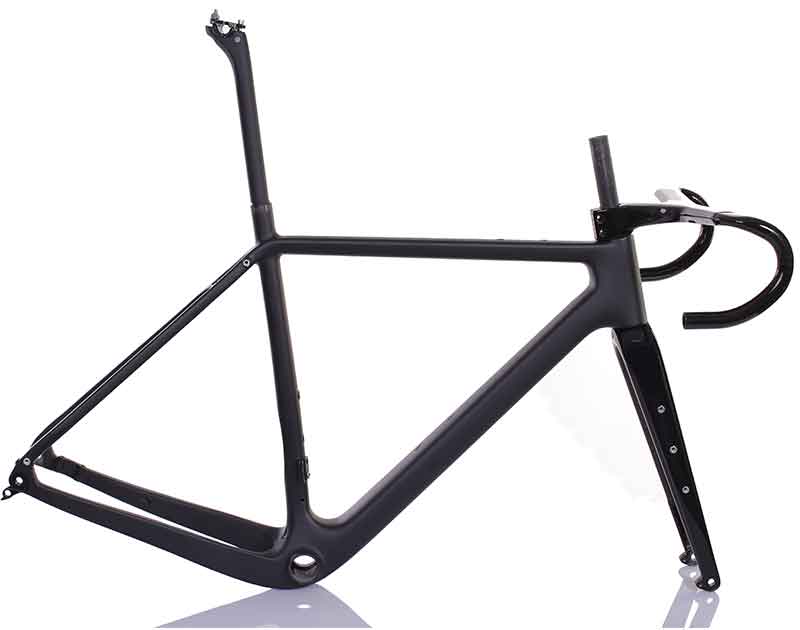
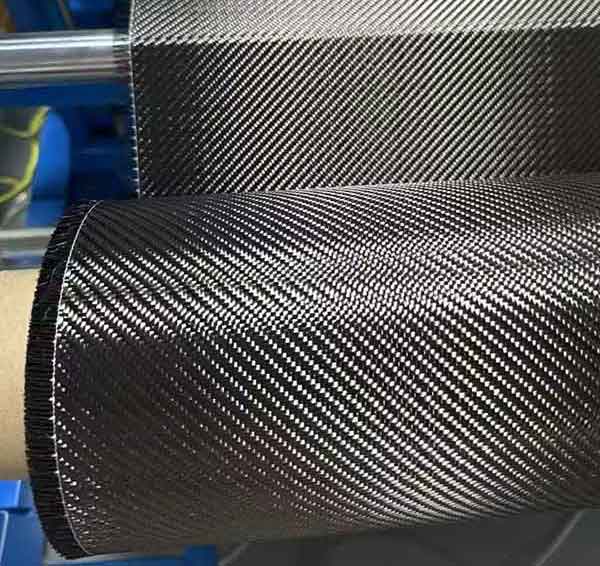
Carbon fiber is a relatively newer material in the world of cycling, but it's quickly become a favorite among enthusiasts. Here's what makes carbon gravel bikes appealing:
Advantages of Carbon Gravel Bikes
- Lightweight: Carbon is significantly lighter than aluminum, which can make a big difference in speed and handling, especially on challenging trails.The reduced weight of carbon bikes is a significant advantage for those who prioritize speed and agility. On steep climbs or technical descents, the lightness of carbon can provide a competitive edge.
- Ride Quality: Carbon frames are renowned for their ability to absorb vibrations and shocks, offering a smoother ride. This can be crucial for long rides on uneven surfaces.The comfort provided by carbon frames is unmatched, making them ideal for cyclists who frequently encounter rough terrain. The material's ability to dampen vibrations ensures a more pleasant and less fatiguing ride.
- Aerodynamics: Carbon frames can be molded into more aerodynamic shapes, which can enhance performance and efficiency, particularly in competitive settings.The sleek design possibilities with carbon allow for enhanced aerodynamics, contributing to improved speed and performance. This is particularly advantageous for racers and those focused on achieving personal bests.
- Customization: Carbon allows for greater design flexibility, enabling manufacturers to create frames that are tailored for specific riding styles and preferences.Riders can benefit from the tailored design options available with carbon, ensuring a bike that fits their specific needs. This level of customization can enhance the overall riding experience and satisfaction.
Disadvantages of Carbon Gravel Bikes
- Cost: Carbon bikes tend to be more expensive than aluminum. If you're working with a limited budget, this could be a significant factor to consider.The high cost of carbon bikes can be a barrier for many enthusiasts. Those considering a carbon bike should weigh the initial investment against the long-term benefits and their specific cycling goals.
- Durability Concerns: While strong, carbon is more susceptible to damage from crashes or improper handling. It requires careful maintenance and storage to ensure longevity.Carbon frames demand careful handling to prevent damage. Riders should be aware of the potential risks and the importance of proper storage and maintenance practices.
- Repairability: If a carbon frame does get damaged, repairs can be more complex and costly compared to aluminum.The complexity of repairing carbon frames can be a deterrent for some cyclists. Prospective buyers should consider the availability of repair services and the potential costs involved in maintaining a carbon bike.
Key Factors to Consider
When deciding between a carbon and aluminum gravel bike, consider the following factors:
Budget
If cost is a primary concern, an aluminum bike might be the better choice. They offer a balance of performance and affordability, making them accessible to a wider range of cyclists.
Consider the total cost of ownership, including potential repairs and maintenance. Aluminum bikes provide a cost-effective solution, but carbon may offer value in terms of performance enhancement.
Riding Style
Think about the type of terrain you plan to ride on and your typical distances. If you expect to encounter rough trails or prefer longer rides, the comfort of a carbon bike might outweigh the cost.
Evaluate your riding habits and preferences. Those who prioritize comfort and ride quality may find carbon a worthwhile investment, while aluminum may suit those focused on durability and versatility.
Performance Goals
For those focused on performance, such as racing or competitive events, the benefits of a lightweight, aerodynamic carbon bike could be worth the investment.
Determine your cycling aspirations and goals. If achieving competitive performance is paramount, the advanced features of carbon bikes can support your ambitions.
Maintenance and Care
Consider how much effort you're willing to put into bike maintenance. Aluminum frames generally require less meticulous care, whereas carbon frames demand more attention to prevent damage.
Assess your willingness and ability to maintain your bike. Those preferring low-maintenance options may lean towards aluminum, while meticulous caretakers might favor carbon for its superior ride quality.
Conclusion
Choosing between a carbon and aluminum gravel bike ultimately depends on your personal preferences, needs, and budget. Both materials offer distinct advantages, and the best choice will align with your riding style and priorities. By carefully weighing the factors outlined in this guide, you can confidently select the gravel bike that will serve you best on your cycling adventures.
Remember, whether you choose carbon or aluminum, the most important thing is to get out there and enjoy the ride!








 Jack Ding

