Welcome to Mondince Bike - A well-known factory specialized in produce carbon bike frame and other parts since 2007.


Carbon vs. Aluminum Gravel Bikes: Which to Choose?
When it comes to gravel bikes, one of the biggest decisions you'll need to make is choosing between a carbon or aluminum frame. Both materials have their strengths and weaknesses, and the best choice depends on your specific needs and preferences. In this article, we'll explore the key differences between carbon and aluminum gravel bikes to help you make an informed decision.
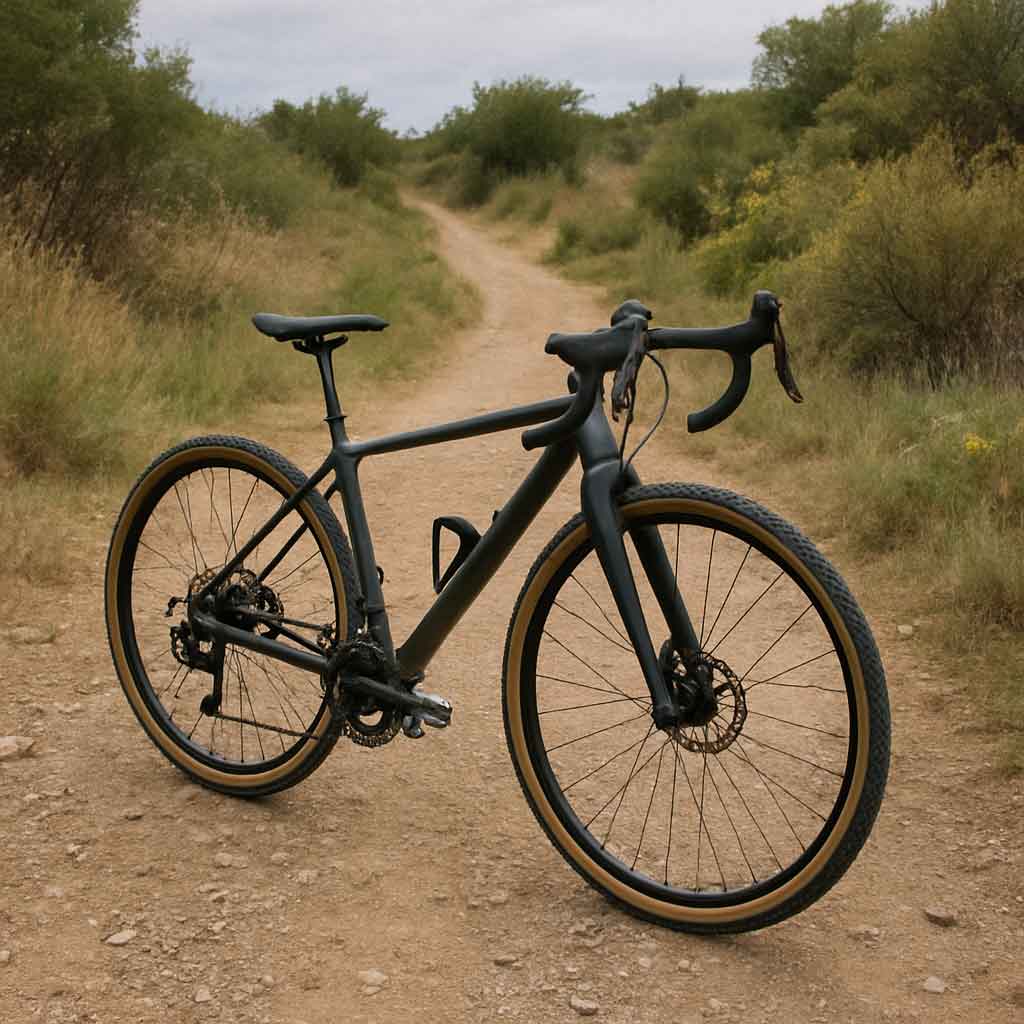
Before diving into the specifics of carbon vs. aluminum, let's briefly discuss what makes gravel bikes unique. Gravel bikes are designed for versatility, allowing you to ride comfortably on a variety of surfaces, from paved roads to rough trails. They are built to handle a mix of conditions, offering a stable and comfortable ride with wider tires, relaxed geometry, and often, additional mounting points for gear.
Gravel bikes are engineered to be the ultimate all-rounders. They boast wider tires that can handle various terrains, from asphalt to gravel paths. The relaxed geometry provides a comfortable riding position for long journeys, reducing strain on the body. Additional mounting points allow riders to attach panniers and other gear, making these bikes perfect for both short commutes and long-distance tours.
A key feature of gravel bikes is their adaptability. Many come with disc brakes, which provide reliable stopping power in wet and muddy conditions. The gearing is often designed to accommodate both flat and hilly terrains, offering a range of speeds for different riding environments. Gravel bikes also tend to have a robust frame, capable of supporting extra weight without compromising performance.
The riding experience on a gravel bike is unique. It's a blend of road biking efficiency and mountain biking toughness. Riders enjoy the freedom to explore diverse landscapes without being restricted to smooth pavements. The stability and comfort these bikes offer make them ideal for adventure seekers who relish the thrill of the unknown, as well as for casual cyclists looking for a reliable ride.
Carbon Gravel Bikes
Advantages of Carbon Gravel Bikes
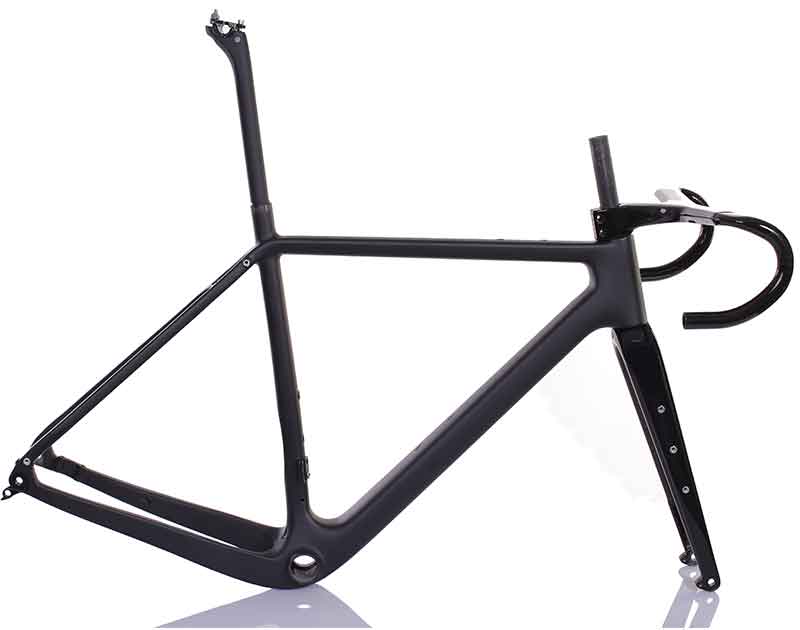
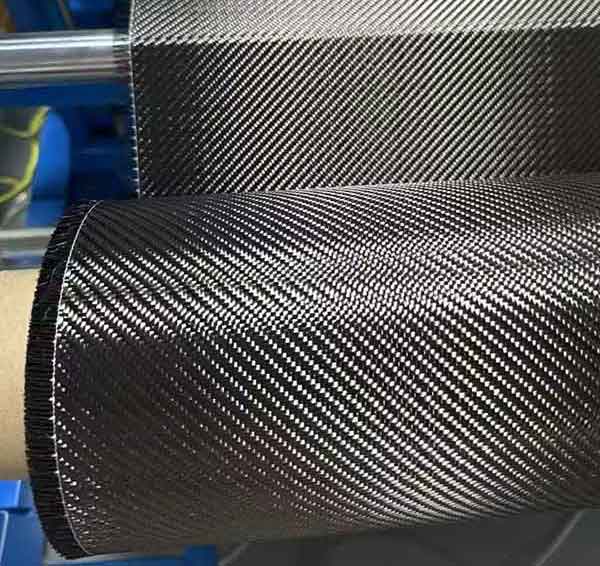
Carbon fiber is known for being a high-performance material, and there are several reasons why you might opt for a carbon gravel bike:
- Lightweight: Carbon frames are typically lighter than their aluminum counterparts, which can be a significant advantage when climbing hills or carrying the bike over obstacles. This lightweight nature not only enhances speed but also makes handling the bike easier, especially during technical rides or when maneuvering through tight spaces.
- Vibration Damping: Carbon fiber has excellent vibration-damping properties. This means that it can absorb road vibrations and shocks, providing a smoother and more comfortable ride, especially on rough terrain. The material's ability to reduce fatigue is crucial for long-distance riders, allowing them to maintain energy levels over extended periods.
- Aerodynamics: Due to its moldability, carbon can be shaped into aerodynamic designs, which can help reduce drag and improve speed. This feature is particularly beneficial for competitive cyclists who need every advantage to gain speed. Aerodynamic frames can cut through the wind more efficiently, thus enhancing overall performance.
Disadvantages of Carbon Gravel Bikes
However, carbon gravel bikes also come with some downsides:
- Cost: Carbon frames are usually more expensive than aluminum. The manufacturing process for carbon fiber is more complex, which drives up the price. This higher cost can be a barrier for entry-level riders or those on a tight budget, who might find it challenging to justify the investment.
- Durability Concerns: While carbon is strong, it can be more susceptible to damage from impacts compared to aluminum. A significant hit can lead to cracks, which may require expensive repairs or replacements. Riders who frequently ride on rocky trails or in environments where falls are common might find this a significant concern.
- Repairability: Carbon frames are more challenging to repair than aluminum. While carbon repair specialists exist, the process can be time-consuming and costly. This can be a major drawback for riders who need quick fixes or for those who prefer DIY repairs, as the expertise required to fix carbon is not as widespread.
Aluminum Gravel Bikes

Advantages of Aluminum Gravel Bikes
Aluminum is another popular choice for gravel bike frames, offering several benefits:
- Affordability: Aluminum bikes are generally more budget-friendly than carbon, making them an excellent choice for those looking to get into gravel biking without breaking the bank. This affordability extends to replacement parts and maintenance, making aluminum bikes a practical choice for cost-conscious riders.
- Durability: Aluminum is a robust material that can withstand a lot of wear and tear. It's less likely to suffer catastrophic damage from impacts compared to carbon. This durability makes aluminum bikes a great option for rough terrains and for riders who prioritize longevity over weight savings.
- Ease of Repair: If you do damage an aluminum frame, it's often easier and cheaper to repair than a carbon frame. Many local bike shops are equipped to handle aluminum repairs quickly, making it a convenient option for riders who value hassle-free maintenance.
Disadvantages of Aluminum Gravel Bikes
There are also some drawbacks to choosing aluminum:
- Weight: Aluminum frames are typically heavier than carbon, which can be a disadvantage if you're looking for the lightest bike possible. The added weight may affect acceleration and climbing performance, which could be a concern for competitive riders or those who frequently tackle steep hills.
- Stiffness: Aluminum is stiffer than carbon, which can result in a harsher ride, especially on rougher terrain. While modern aluminum bikes have improved in this regard, they still can't match the vibration-damping capabilities of carbon. Riders who prioritize comfort might find this stiffness a significant drawback.
- Less Customization: Unlike carbon, aluminum doesn't allow for as much customization in terms of aerodynamics and design. The limitations in shaping aluminum can restrict the creation of unique frames tailored to specific aerodynamic needs, which might be a concern for performance-oriented cyclists.
Choosing the Best Gravel Bike for You
When deciding between a carbon or aluminum gravel bike, consider the following factors:
Budget
Your budget will likely be a significant factor in your decision. If you're looking for a high-performance bike and have the money to spend, a carbon gravel bike could be the way to go. However, if you're more budget-conscious, an aluminum bike offers excellent performance at a lower price point. It's crucial to weigh the initial investment against potential long-term benefits and costs.
Riding Conditions
Think about the type of terrain you'll be riding on most often. If you're planning to tackle rough, uneven trails, a carbon bike's vibration-damping abilities might provide a more comfortable ride. On the other hand, if you're mostly riding on smoother paths or roads, the differences in comfort may be less noticeable. Consider the environments you frequent and how each material will perform under those conditions.
Maintenance and Repair
Consider how much maintenance you're willing to perform and how concerned you are about potential damage. If you want a bike that's easy to care for and can withstand more abuse, an aluminum gravel bike might be preferable. Conversely, if you're willing to invest in maintenance and repairs, a carbon frame could offer the performance benefits you're seeking. Understanding your mechanical skills and access to repair services can guide this decision.
Weight and Performance
If weight is a crucial factor for you—whether for competitive racing or ease of transport—a carbon gravel bike's lighter frame could be advantageous. However, if performance isn't your top priority, the weight difference might not justify the additional cost. Analyze your riding goals and determine whether the performance gains align with your cycling ambitions.

Final Thoughts
Both carbon and aluminum gravel bikes have their pros and cons, and the right choice depends on your individual needs and preferences. Consider your budget, the terrain you'll be riding, and how much maintenance you're willing to perform. By weighing these factors, you'll be better equipped to choose the best gravel bike for your adventures.
Ultimately, whether you choose a carbon or aluminum frame, the most important thing is that you get out there and enjoy the ride. Gravel biking is about exploration and adventure, so pick the bike that will get you excited to hit the trails. Remember, the best bike is the one that fits your lifestyle and inspires you to ride more.








 Jack Ding

