Welcome to Mondince Bike - A well-known factory specialized in produce carbon bike frame and other parts since 2007.


Choosing the Right Hardtail Bike Frame
Understanding the intricacies of bike frames can be daunting, but it is a worthwhile endeavor. A well-chosen frame can transform your ride, making climbs feel easier and descents more controlled. Moreover, the right frame can reduce fatigue, allowing you to enjoy longer rides with less effort. As you delve into the details of frame selection, remember that what works for one rider might not work for another; personalization is key.
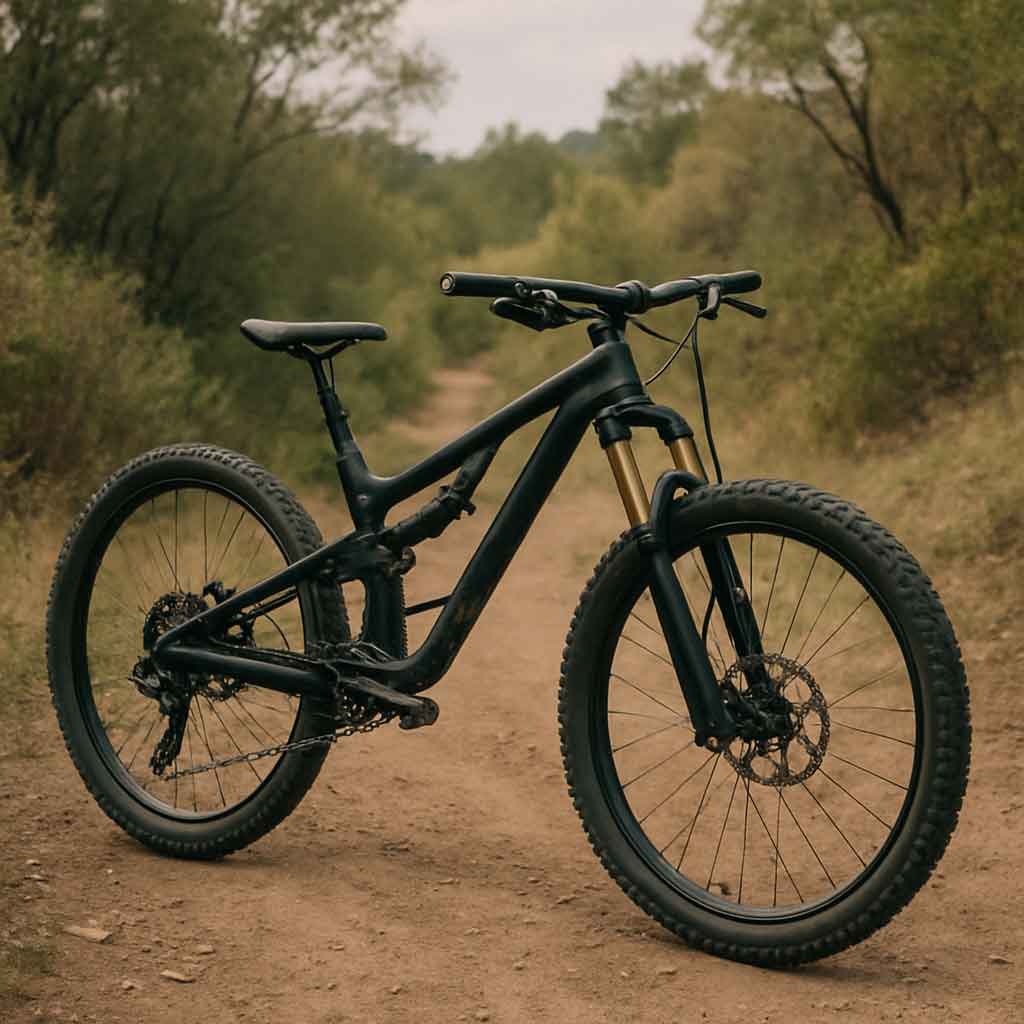
Before diving into the specifics of choosing a frame, it's essential to understand what a hardtail bike frame is and how it differs from other types. A hardtail bike frame is a type of mountain bike frame that features a rigid rear end with no rear suspension. This design offers several advantages, including lighter weight, lower maintenance, and improved power transfer. Hardtail frames are often favored for their simplicity and efficiency, making them a popular choice among both beginners and seasoned cyclists.
Understanding the nuances of a hardtail frame can guide you in making the right decision. The absence of rear suspension means that these bikes are typically more straightforward mechanically, which translates to fewer things that can go wrong. This simplicity often leads to greater reliability and less time spent on adjustments and repairs. Additionally, hardtail frames are excellent for honing your biking skills, as they require more precision and technique, especially on technical trails.
- Lightweight and Efficient: Hardtail frames are generally lighter than full-suspension bikes, making them easier to maneuver and faster on climbs. The reduced weight is a significant advantage when tackling steep ascents or when you need to carry your bike over obstacles. Furthermore, the efficient power transfer from pedal to wheel helps in maintaining speed and energy over long rides.
- Cost-Effective: Without the complexity of a rear suspension system, hardtail bikes are often more affordable. This makes them an excellent choice for new riders looking to get into mountain biking without a hefty investment. Even for experienced riders, the cost savings can be redirected towards other bike components or gear enhancements.
- Low Maintenance: Fewer moving parts mean less maintenance, allowing you to spend more time riding and less time in the workshop. This aspect is particularly appealing to those who prefer riding over wrenching. Plus, the simplicity of a hardtail often translates to a more durable bike that can withstand the rigors of off-road riding.
When selecting a hardtail bike frame, there are several crucial factors to consider. Each of these elements will affect how the bike performs and feels on the trail. Understanding these factors will help you tailor your bike to your specific needs, ensuring both comfort and performance. From the choice of material to the specifics of frame geometry, each decision plays a vital role in how your bike handles various terrains.
Selecting the right frame is not just about performance; it's also about how the bike complements your physical build and riding technique. A frame that fits well will enhance your control over the bike, allowing for a more intuitive and enjoyable riding experience. Ultimately, the right bike frame should feel like an extension of your body, providing confidence and control on every ride.
The material of your bike frame greatly influences its weight, durability, and ride quality. Here are the most common materials used in hardtail bike frames:
- Aluminum: Lightweight and affordable, aluminum frames are popular among both novice and experienced riders. They provide a good balance of strength and responsiveness. The material's stiffness allows for quick acceleration and precise handling, making it an excellent choice for those who enjoy fast-paced rides.
- Steel: Known for its durability and comfortable ride, steel frames are slightly heavier but offer excellent vibration absorption, making them a great choice for long-distance riders. The natural flex of steel provides a smoother ride over rough terrain, which can be a boon for endurance riders who prioritize comfort.
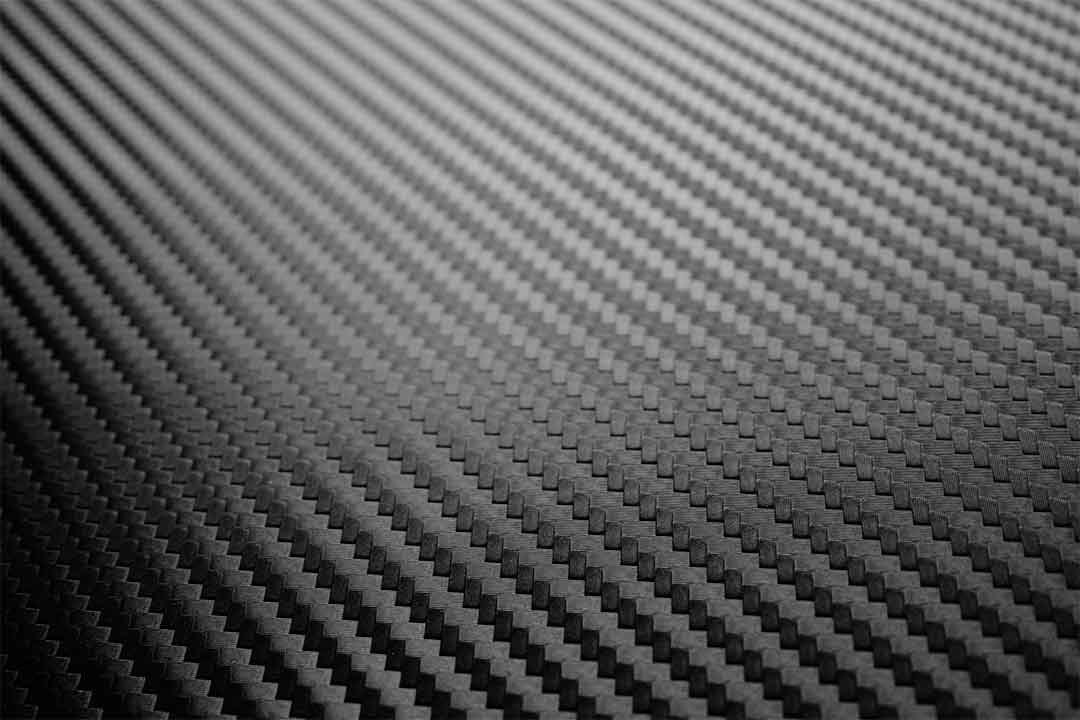
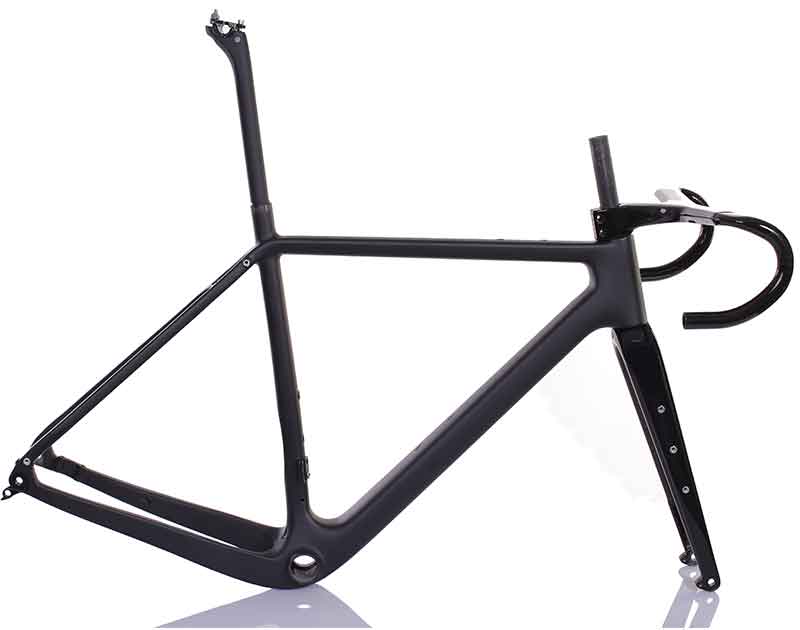
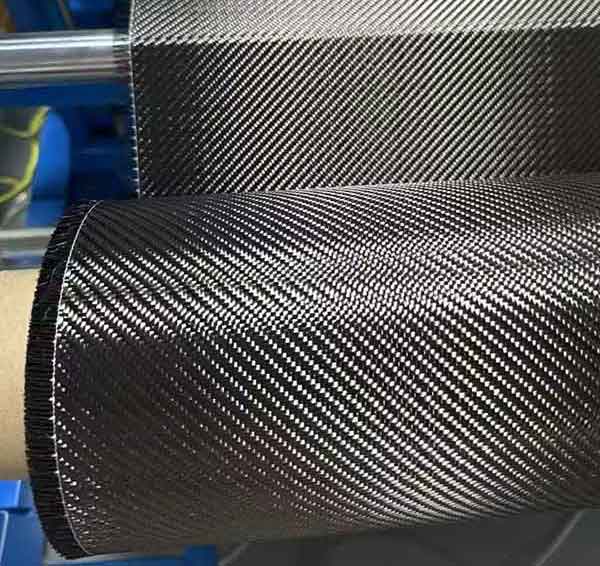
- Carbon Fiber: The lightest and often the most expensive option, carbon fiber frames provide excellent stiffness and vibration damping. They're ideal for competitive riders seeking maximum performance. The material's ability to be molded into aerodynamic shapes also adds to its appeal for serious racers looking to shave seconds off their time.
- Titanium: A premium material that combines the best qualities of steel and aluminum, titanium frames are lightweight, strong, and offer a comfortable ride. However, they come with a higher price tag. Despite the cost, titanium frames are highly sought after for their longevity and superior ride quality, often seen as a lifetime investment for passionate cyclists.
Frame geometry affects how the bike handles and feels. Key geometry aspects to consider include:
- Head Tube Angle: A slacker angle (closer to horizontal) offers stability at high speeds, while a steeper angle (closer to vertical) provides agility and quick handling. Understanding your preferred riding style can help you choose the right head tube angle, balancing between stability and maneuverability.
- Seat Tube Angle: Influences pedaling efficiency and rider comfort. A steeper angle positions the rider more directly over the pedals, enhancing power transfer. For those who focus on climbing efficiency, a steeper seat tube angle can significantly improve performance.
- Chainstay Length: Shorter chainstays provide better maneuverability, while longer ones offer stability, especially on descents. The choice between short and long chainstays often comes down to the type of terrain you frequently ride on, with shorter being ideal for tight, technical trails and longer for open, high-speed descents.
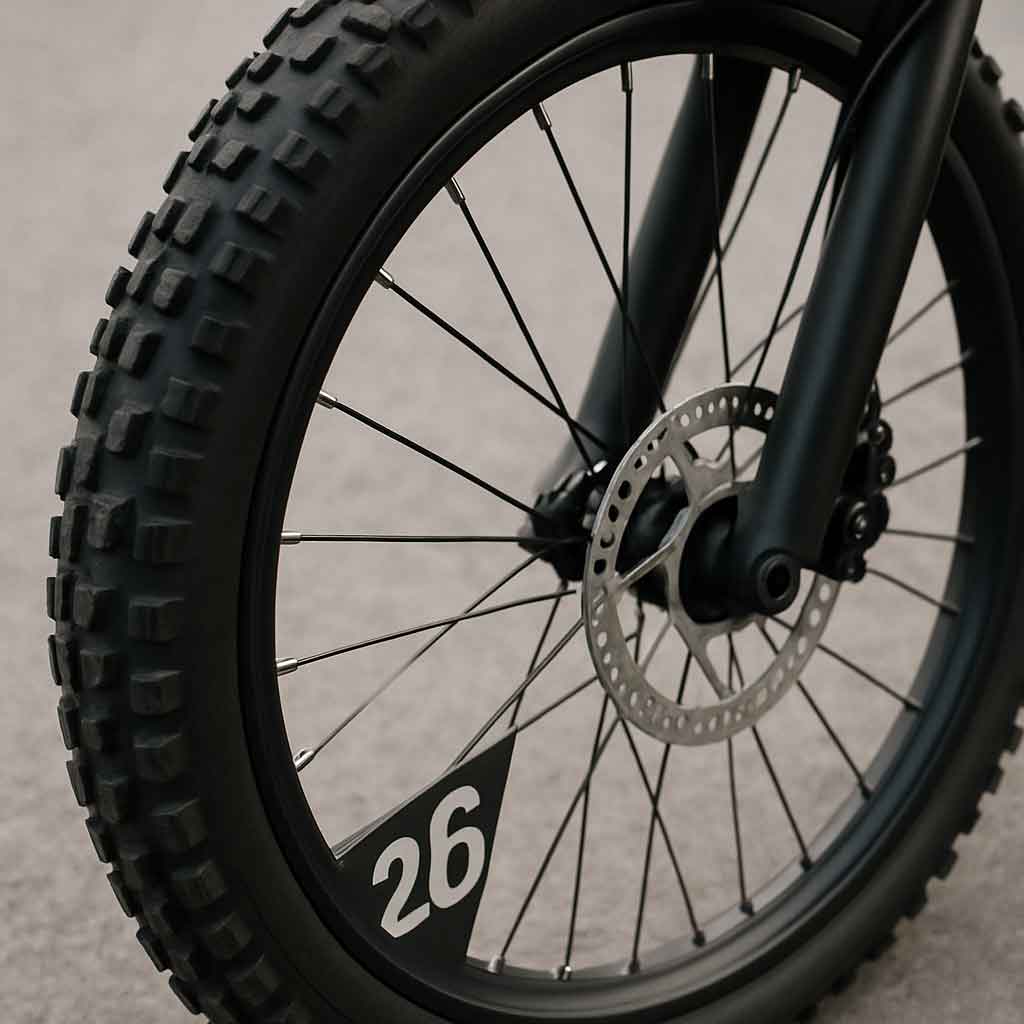
Wheel size is another important consideration when choosing a hardtail bike frame. The three main sizes are:
- 26-inch: Once the standard, 26-inch wheels are now less common but offer agility and quick handling. These wheels are great for technical trails that require nimble movements and quick direction changes.
- 27.5-inch (650B): A popular choice that balances the agility of 26-inch wheels with the rollover capability of larger wheels. This size is often considered the best of both worlds, providing versatility for a range of trail conditions.
- 29-inch: Provides excellent rollover ability and stability, making them ideal for cross-country and trail riding. The larger wheel size helps smooth out rough terrain and maintains speed, which is beneficial for long-distance rides.
Your riding style and the type of terrain you tackle will play a significant role in determining the best hardtail bike frame for you. Understanding your preferred riding style can help you select a frame that enhances your strengths and compensates for any weaknesses. Whether you prioritize speed, control, or comfort, there's a hardtail frame that can meet your needs.
By aligning your frame choice with your riding style, you can optimize your biking experience. This alignment ensures that your bike performs well under the conditions you most frequently encounter, providing an enjoyable and efficient ride every time. Whether you're a casual rider or someone who competes regularly, the right frame can make a world of difference.
For cross-country riding, prioritize lightweight and efficient frames with steeper angles for quick handling. Aluminum or carbon frames with 29-inch wheels are often preferred for their speed and efficiency. These frames allow for swift navigation of the varied terrain typical of cross-country trails, helping you maintain momentum and reduce fatigue.
Cross-country riders often focus on covering long distances at speed, so a frame that supports endurance and efficiency is key. The choice of a lightweight frame can significantly impact your performance over the course of a ride, translating into better times and a more enjoyable experience overall.
Trail riders should look for a balance between agility and stability. A versatile frame with moderate angles and 27.5-inch wheels can handle a variety of trail conditions. This setup provides the flexibility needed to tackle both technical sections and flowing singletrack with confidence.
For those who enjoy exploring a range of trails, a trail bike that adapts well to different environments is essential. This versatility ensures that you can handle unexpected challenges on the trail, maintaining control and comfort regardless of the terrain.
If you're tackling more aggressive terrain, consider a frame with a slacker head tube angle for stability. Steel or aluminum frames with 27.5-inch wheels are robust choices that can handle the demands of enduro riding. These frames offer the durability and stability needed for high-speed descents and technical climbs.
All-mountain and enduro riders often encounter rugged terrain and challenging obstacles, requiring a bike that can withstand tough conditions. A well-chosen frame for this style of riding can make the difference between a thrilling ride and a struggle to maintain control.
In addition to the factors mentioned above, consider these final aspects to ensure you choose the right hardtail bike frame:
Your budget will influence the materials and features available to you. While it's important to invest in a quality frame, there are excellent options available at various price points. Determine your budget early in the selection process to narrow down your options and find the best value for your money.
Consider not only the initial purchase price but also the long-term costs of maintenance and potential upgrades. A slightly higher upfront investment might save you money down the road if it means fewer repairs and replacements.
Research reputable brands known for their quality and customer service. A solid warranty can provide peace of mind and protect your investment. Look for brands with positive reviews and a history of reliability to ensure that your bike frame will stand the test of time.
The reputation of a brand can also give insight into the level of innovation and expertise behind their frames. A well-regarded brand often signifies a commitment to quality and rider satisfaction, which can be crucial in your decision-making process.
Whenever possible, test ride different frames to get a feel for their handling and comfort. This hands-on experience is invaluable in making your final decision. A test ride allows you to assess how a frame performs in real-world conditions, providing insight that specifications alone cannot offer.
Trying out different frames can also help you identify personal preferences that you might not have considered, such as comfort levels or specific handling characteristics. This step ensures that your chosen frame aligns perfectly with your expectations and needs.
Choosing the right hardtail bike frame is a crucial step in enhancing your mountain biking experience. By considering factors such as frame material, geometry, wheel size, and your riding style, you can select a frame that meets your needs and enhances your performance on the trails. Whether you're a casual rider or a competitive cyclist, the right hardtail bike frame will provide the foundation for countless enjoyable rides. A well-chosen frame not only complements your abilities but also encourages you to push your limits and explore new trails with confidence.
The journey to finding the perfect hardtail bike frame is as rewarding as the rides it will take you on. Taking the time to understand your options and make informed choices will lead to a more satisfying and exhilarating cycling experience. Remember, the right frame is not just about the ride; it's about creating memories and adventures that you'll cherish for years to come.






 Jack Ding

