Welcome to Mondince Bike - A well-known factory specialized in produce carbon bike frame and other parts since 2007.


Hardtail vs. Full Suspension: Key Differences
When it comes to choosing a mountain bike, one of the biggest decisions you'll face is whether to go with a hardtail or a full suspension model. Each type has its unique advantages and drawbacks, making the choice highly dependent on your riding style, terrain preferences, and personal priorities. In this article, we'll delve into the key differences between hardtail and full suspension bikes, helping you make an informed decision.
Before diving into the differences, it's essential to understand what each type of bike entails.

Full Suspension Bikes

Key Differences Between Hardtail and Full Suspension
Now that we have a basic understanding of both types, let's explore the key differences that set them apart.
Weight and Simplicity
Hardtail
One of the most significant advantages of hardtail bikes is their simplicity. With fewer components, they are generally lighter than full suspension bikes. This makes them easier to handle and maneuver, especially on climbs and smoother trails. The simplicity also translates to lower maintenance and repair costs, as there are fewer parts that can wear out or break.
Full Suspension
Full suspension bikes, on the other hand, tend to be heavier due to the additional suspension components. The rear suspension adds weight, which can make climbs more challenging. However, this added weight is often offset by the comfort and control benefits on rough trails.
Comfort and Control
Hardtail
Hardtail bikes offer a more direct connection to the trail, providing a sense of agility and responsiveness. However, the lack of rear suspension means that riders can feel every bump and jolt, which can be uncomfortable on rough terrains. This design is best suited for smoother trails where comfort is less of a concern.
Full Suspension
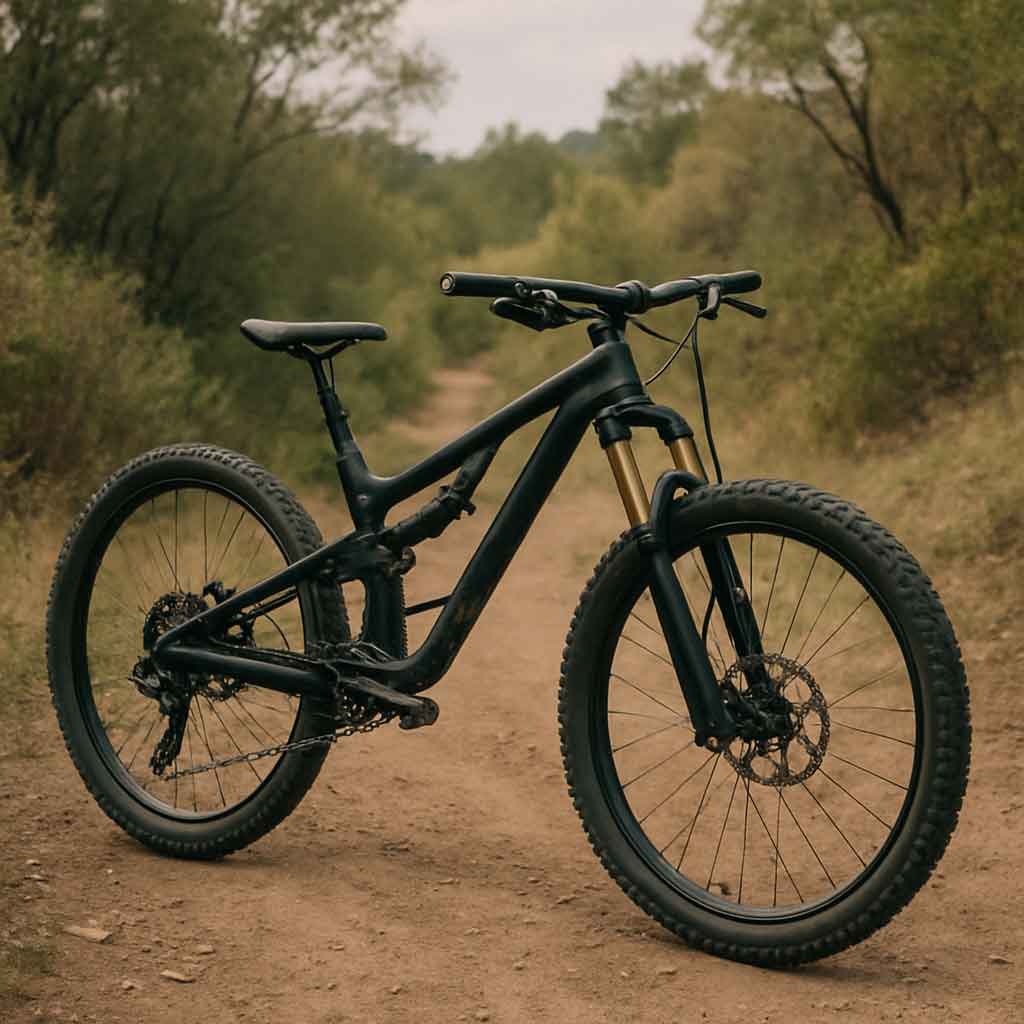
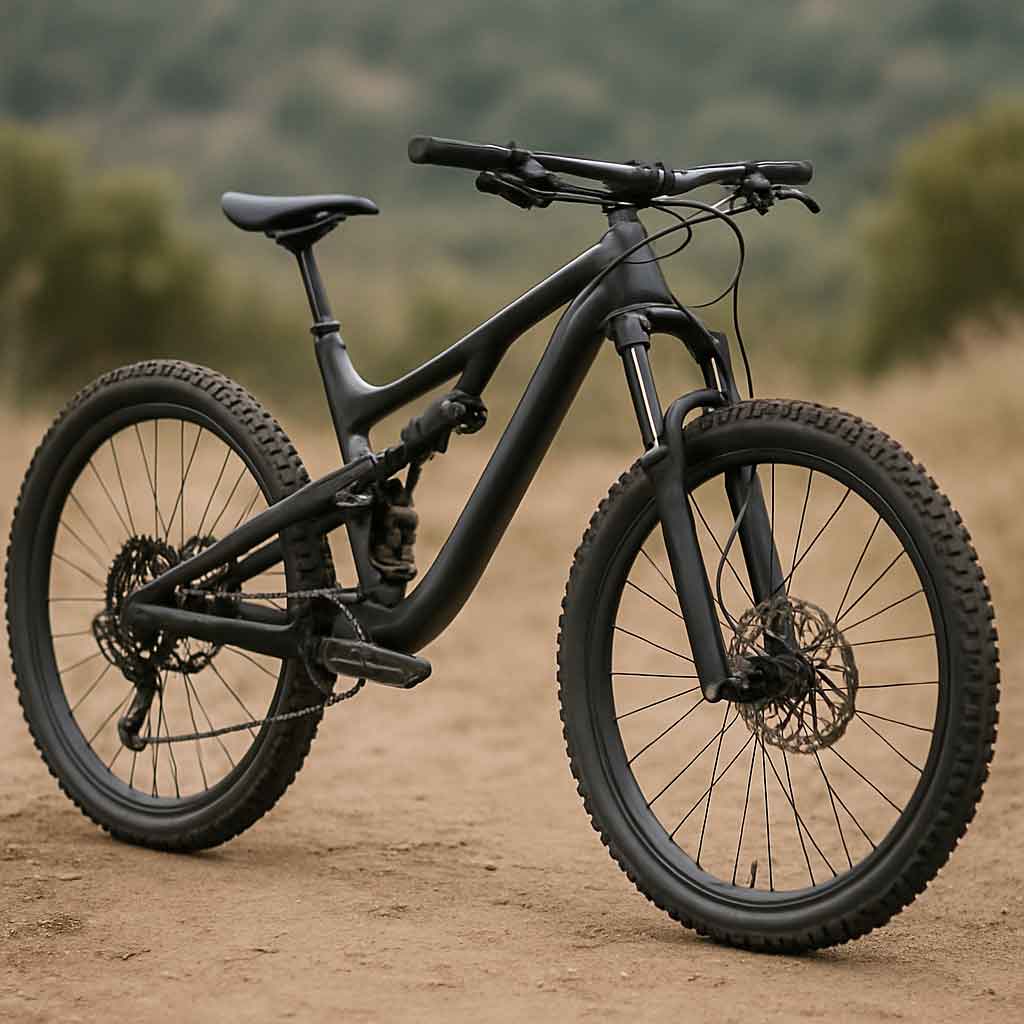
With both front and rear suspension, full suspension bikes excel in providing comfort and control. The rear suspension absorbs impacts, reducing fatigue and allowing for longer rides on challenging trails. This makes them a preferred choice for downhill and enduro riders who tackle technical descents.
Terrain Suitability
Hardtail
by Jennifer Grismer (https://unsplash.com/@jennifergrismer)
Hardtail bikes shine on less technical trails and cross-country courses. Their lightweight and efficient design make them ideal for climbing and covering long distances on smoother surfaces. However, they can be less forgiving on rocky or root-laden trails.
Full Suspension
Full suspension bikes are designed to handle rough and technical terrains with ease. The added suspension provides better traction and control, making them suitable for downhill runs and rugged trails. If you enjoy tackling challenging descents and technical features, a full suspension bike might be the better choice.
Cost Considerations
Hardtail
Generally, hardtail bikes are more budget-friendly than their full suspension counterparts. The simpler design and fewer components contribute to lower manufacturing costs, making them an attractive option for riders on a budget or those new to mountain biking.
Full Suspension
Full suspension bikes tend to be more expensive due to the complexity of their design and additional components. However, the investment can be worthwhile for riders who prioritize comfort and control on challenging trails. It's essential to consider your riding preferences and budget when making a decision.
Maintenance and Durability
Hardtail
With fewer moving parts, hardtail bikes typically require less maintenance and are more durable over time. The absence of rear suspension means there's one less component to worry about, reducing the likelihood of mechanical issues.
Full Suspension
Full suspension bikes require more regular maintenance to keep the suspension components in good working condition. This includes checking and servicing the suspension pivots, shocks, and bearings. Proper maintenance is crucial to ensure the bike's performance and longevity.
Making the Right Choice for You
Choosing between a hardtail and a full suspension bike ultimately depends on your riding style, terrain preferences, and budget. Here are a few considerations to help you make the right choice:
- Riding Style: If you prefer cross-country riding and smoother trails, a hardtail bike may be the better option. For technical descents and rugged terrains, a full suspension bike is likely the way to go.
- Budget: Consider how much you're willing to invest in your mountain bike. Hardtail bikes offer a more cost-effective option, while full suspension bikes provide additional comfort and control at a higher price point.
- Maintenance: Think about the level of maintenance you're comfortable with. Hardtail bikes are generally easier to maintain, while full suspension bikes require more attention to keep them in top shape.
- Terrain: Assess the type of terrain you'll be riding most often. For smoother trails, hardtails are efficient and agile. For rough and technical trails, full suspension bikes offer the comfort and control needed.
In conclusion, both hardtail and full suspension bikes have their unique advantages and are suited to different types of riding. By considering your personal preferences and the factors outlined above, you can make an informed decision that enhances your mountain biking experience. Happy riding!





 Jack Ding

