Welcome to Mondince Bike - A well-known factory specialized in produce carbon bike frame and other parts since 2007.


Hard Tail vs. Full Suspension Bikes
When it comes to mountain biking, the choice of bike can significantly impact your riding experience. One of the most debated topics among mountain bikers is the choice between hard tail and full suspension bikes. Each type has its own advantages and disadvantages, and the decision ultimately comes down to your personal preferences and the type of trails you plan to tackle. In this article, we will break down the differences between hard tail and full suspension bikes to help you make an informed decision.
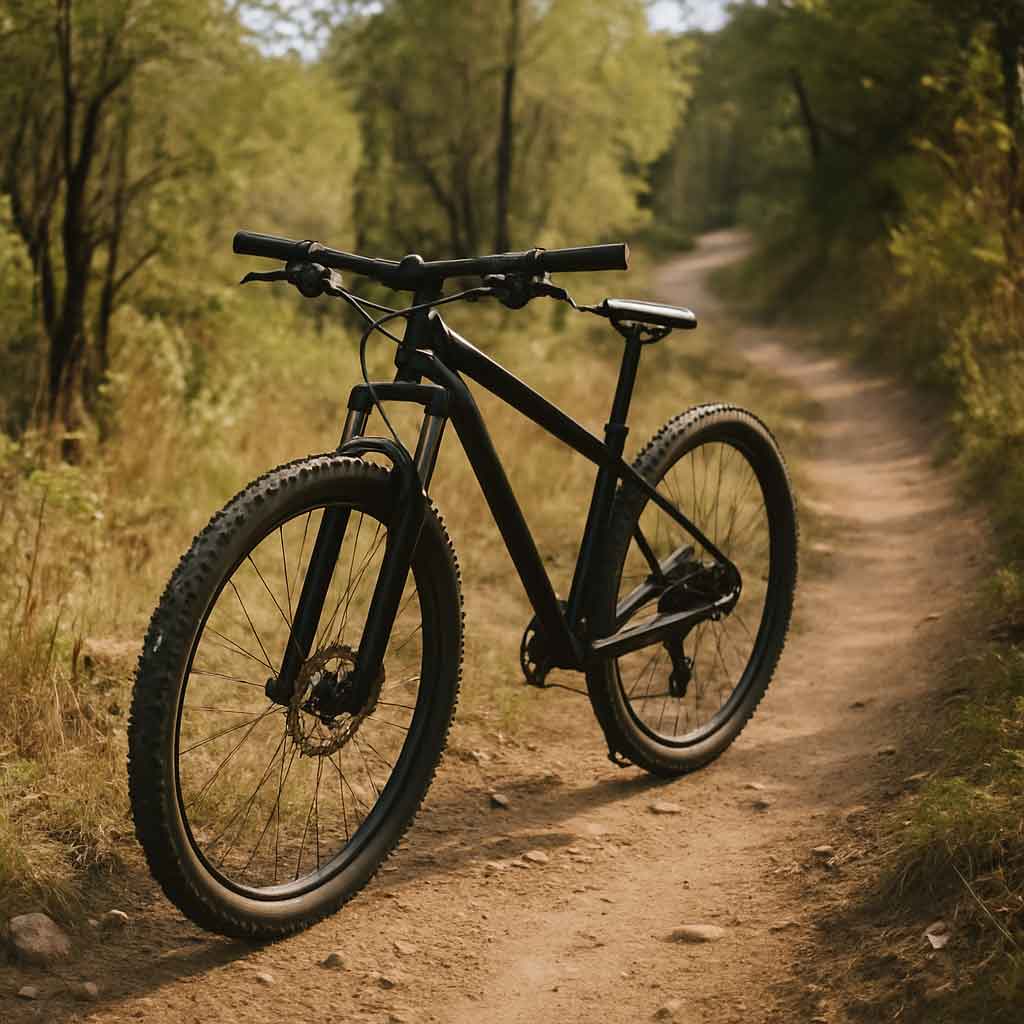
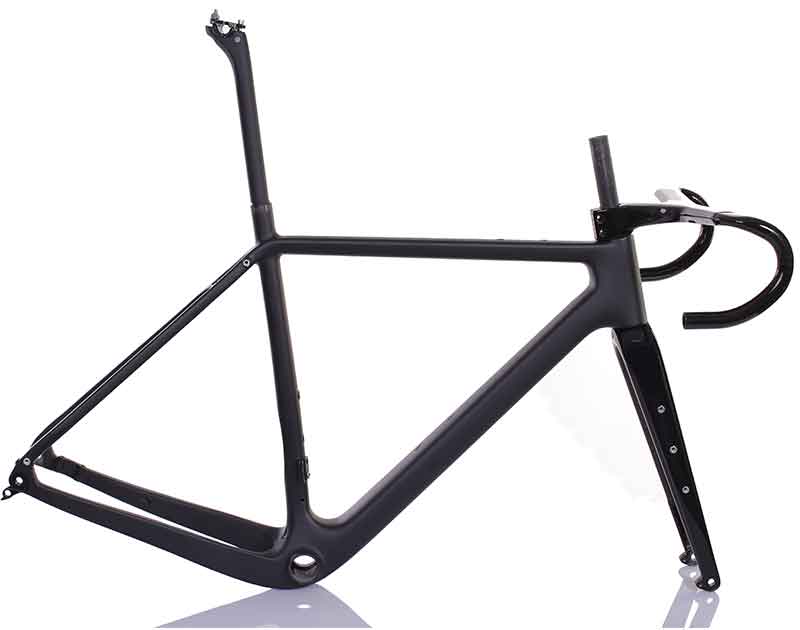
A hard tail mountain bike is characterized by its lack of rear suspension. It has a rigid frame, which means that there is no shock absorber at the back of the bike. The only suspension present is in the front fork. This design makes hard tail bikes generally lighter and less complex than full suspension bikes. Because of this simplicity, many riders find that hard tails are easier to maintain, with fewer components to worry about in terms of mechanical issues.
Hard tail bikes are often favored by cross-country riders who prioritize speed and efficiency. The straightforward design allows for more direct power transfer from the rider's legs to the wheels, making these bikes ideal for climbing hills and accelerating on flat terrain. Additionally, the absence of a rear shock can make these bikes slightly more responsive, giving the rider a more connected feel to the trail.
Advantages of Hard Tail Mountain Bikes
- Weight and Simplicity: Without a rear suspension, hard tail bikes tend to be lighter, making them easier to handle, especially on climbs. Their simpler design also means fewer parts that require maintenance. For riders who prefer to focus on the ride rather than the mechanics, this is a significant advantage.
- Efficiency on Climbs: The rigid frame of a hard tail mountain bike transfers power more efficiently from the pedals to the wheels, which can be particularly beneficial on uphill climbs. This efficiency not only helps in conserving energy but also allows for quicker and more responsive acceleration when needed.
- Cost-Effective: Hard tail bikes are generally less expensive than full suspension bikes. If you're new to mountain biking or on a budget, a hard tail might be the more economical choice. This affordability makes them accessible to a wider range of riders, from beginners to seasoned cyclists looking for a reliable backup bike.
Disadvantages of Hard Tail Mountain Bikes
- Comfort: Without rear suspension, hard tail bikes can be less comfortable on rough terrain. You'll feel more of the bumps and jolts from the trail. This can lead to fatigue on longer rides, especially for those who aren't used to constant vibrations.
- Traction: The lack of rear suspension can also affect traction. On uneven surfaces, the rear wheel may not stay in contact with the ground as effectively, which can impact control. This can be particularly challenging when navigating wet, muddy, or loose gravel trails, where tire grip is crucial for maintaining stability.
What is a Full Suspension Mountain Bike?
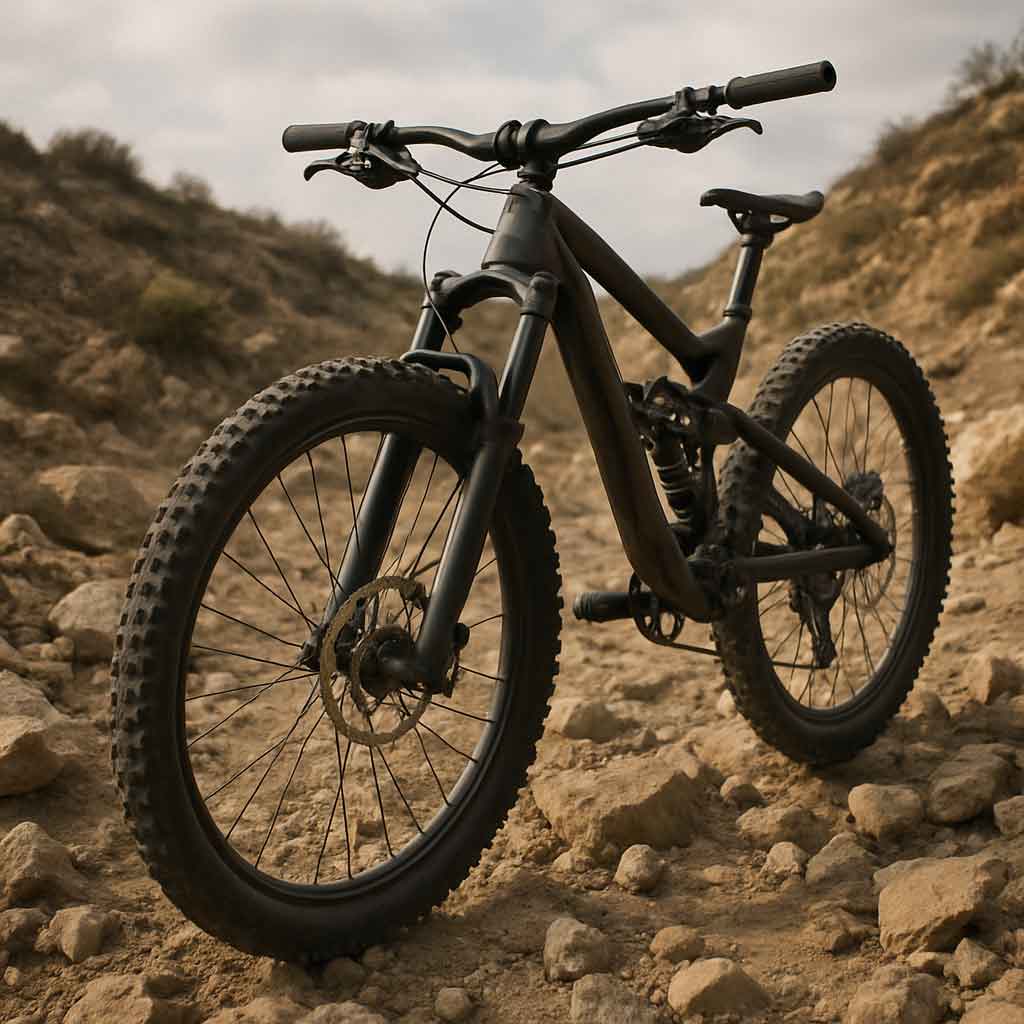
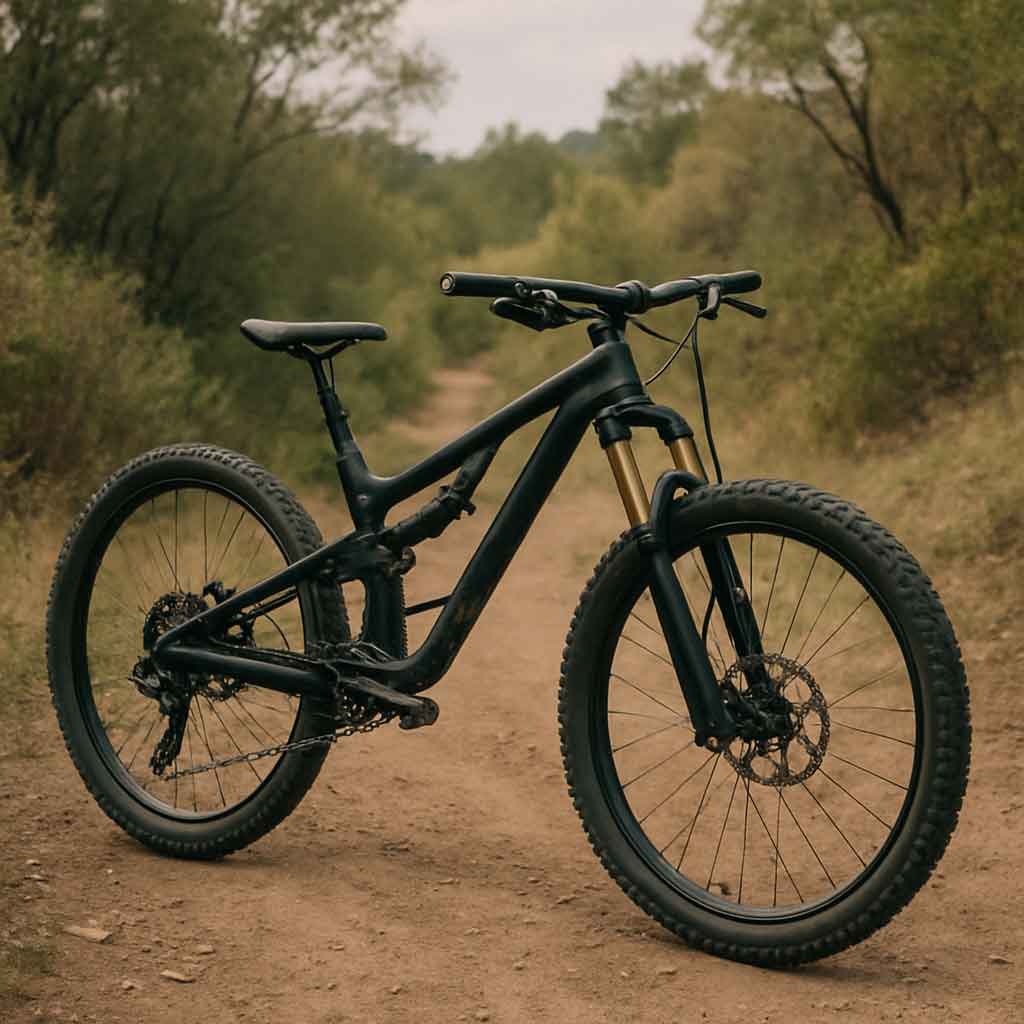
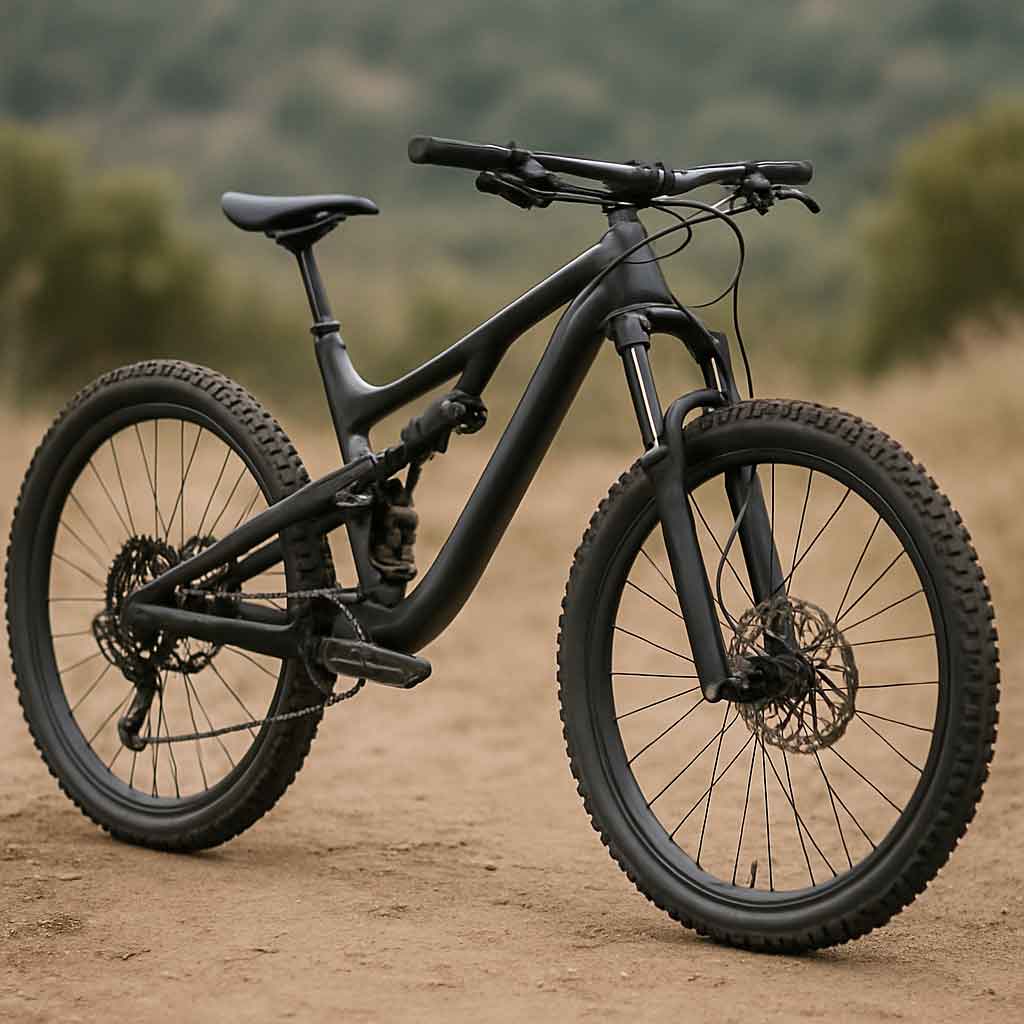
A full suspension mountain bike features both front and rear suspension. This design allows the bike to absorb shocks from both wheels, offering a smoother ride over rough terrain. Full suspension bikes are typically heavier and more complex than hard tails due to the added components. However, the trade-off is often worth it for those who prioritize comfort and control in their rides.
Full suspension bikes are particularly popular among riders who enjoy technical trails and downhill riding. The extra cushioning provided by the rear suspension helps to mitigate the impact of drops and uneven surfaces, reducing the risk of injury and fatigue. The added weight and complexity can be a small price to pay for the enhanced performance these bikes offer in challenging conditions.
Advantages of Full Suspension Mountain Bikes
- Comfort and Control: The dual suspension system absorbs the impact from rough trails, providing a smoother and more comfortable ride. This can be particularly advantageous on technical descents or rocky terrain. Riders can maintain higher speeds with more confidence, knowing that the bike will handle the bumps and drops more effectively.
- Improved Traction: Full suspension bikes keep the wheels in better contact with the ground, improving traction and control. This can be especially beneficial in slippery or loose conditions. Enhanced traction means you can tackle more challenging trails and steep inclines with greater ease and less risk of losing control.
- Versatility: These bikes are versatile and can handle a wider variety of trails, from technical descents to cross-country rides. Whether you're racing down a rugged mountain path or cruising through a forest trail, a full suspension bike adapts to the terrain, offering a balanced performance.
Disadvantages of Full Suspension Mountain Bikes
- Weight: The additional components of a full suspension bike make it heavier than a hard tail, which can affect performance on climbs. Riders may find themselves exerting more effort to reach the top of steep hills, which can be a disadvantage in competitive scenarios.
- Complexity and Maintenance: With more moving parts, full suspension bikes require more maintenance and can be more prone to mechanical issues. Regular servicing is essential to keep the suspension system in good working order, which can add to the long-term costs of owning such a bike.
- Cost: Full suspension bikes are generally more expensive due to their complex design and added components. The initial investment can be substantial, making them less accessible to those on a tight budget or those who are new to the sport.
Hardtail vs. Full Suspension: Which is Right for You?
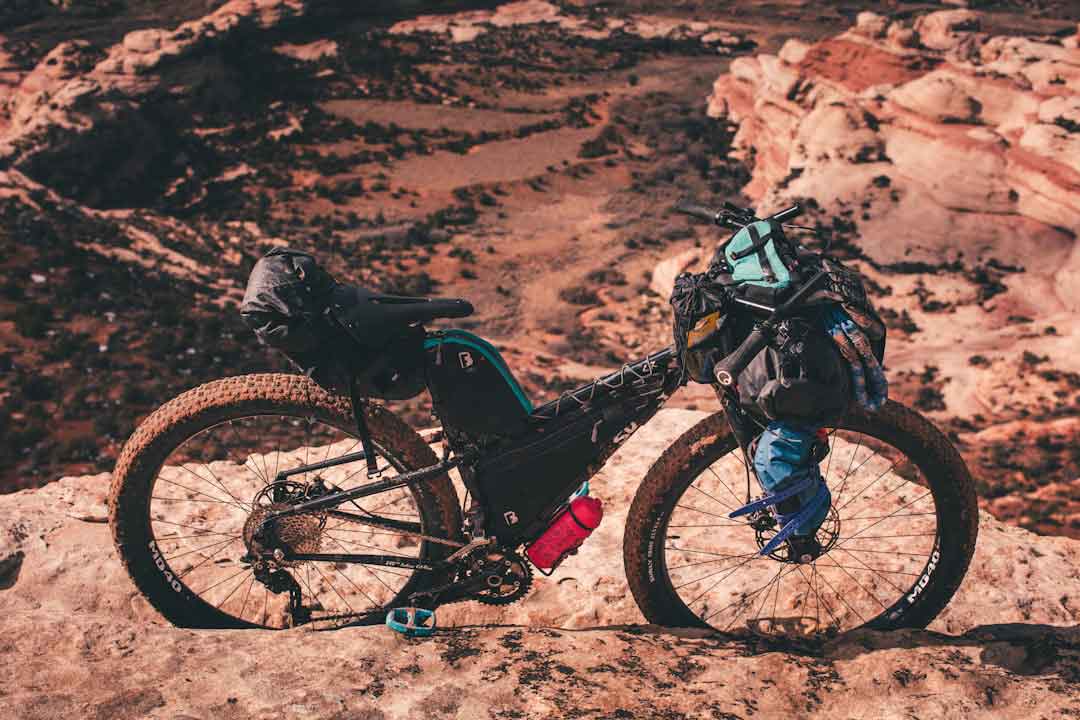
by Patrick Hendry (https://unsplash.com/@worldsbetweenlines)
Choosing between a hard tail and a full suspension bike depends on several factors, including your riding style, the types of trails you prefer, and your budget. Each bike has its own strengths and weaknesses, and understanding these can help you make a more informed choice.
Consider Your Riding Style
- If you enjoy long climbs and cross-country rides, a hard tail mountain bike might be the better choice. Its efficiency and lighter weight make it ideal for these types of rides. Riders who prefer to feel every nuance of the trail under their wheels might find this style more engaging and rewarding.
- If you prefer tackling technical descents, jumps, and rough terrains, a full suspension bike could provide the comfort and control you need. The added suspension helps you maintain speed and stability, even on the most challenging sections of a trail, allowing for a more adventurous riding experience.
Trail Types
- For smoother trails or packed dirt paths, a hard tail bike should suffice, offering a more direct and responsive ride. These trails allow you to take full advantage of the hard tail's efficiency and speed without the need for additional suspension.
- On rough, rocky, or root-laden trails, the added suspension of a full suspension bike can make a significant difference in comfort and handling. The ability to absorb shocks and maintain traction makes these bikes an excellent choice for unpredictable terrain.
Budget Considerations
- Hard tail bikes tend to be more affordable, making them a great option for beginners or those who don't want to invest heavily. Their lower cost does not necessarily mean lower quality, as many hard tails offer excellent performance for their price point.
- If you have a higher budget and prioritize comfort and versatility, investing in a full suspension bike could be worthwhile. The initial cost may be higher, but the enhanced riding experience and capability across diverse trails can justify the expense for serious mountain bikers.
Final Thoughts
Both hard tail and full suspension bikes have their merits, and the right choice depends on your individual needs and preferences. Hard tail bikes offer simplicity, efficiency, and are usually more budget-friendly, making them suitable for certain types of terrain and riders. On the other hand, full suspension bikes provide superior comfort and control, particularly on challenging trails.
Before making a decision, consider test riding both types to see which feels best for you. Whichever you choose, the most important thing is to get out there and enjoy the ride. Test rides can offer invaluable insight into how each bike handles and feels, helping you make a more confident choice.
In conclusion, whether you lean towards the straightforward nature of a hard tail or the plush ride of a full suspension, there's a mountain bike out there that will perfectly suit your adventure needs. Happy trails! Ultimately, the best bike for you is one that aligns with your riding goals and enhances your mountain biking experience, allowing you to explore new trails and push your limits.






 Jack Ding

