Welcome to Mondince Bike - A well-known factory specialized in produce carbon bike frame and other parts since 2007.


Comparing Hardtail vs. Full Suspension Frames
Mountain biking offers a thrilling adventure through rugged terrains and scenic trails. Whether you're a seasoned rider or a beginner, choosing the right mountain bike can greatly impact your riding experience. One of the critical decisions you'll face is whether to go for a hardtail or a full suspension frame. In this article, we'll explore the differences between these two types of mountain bike frames, helping you make an informed choice that suits your needs.
Understanding Mountain Bike Frames
What Is a Hardtail Frame?
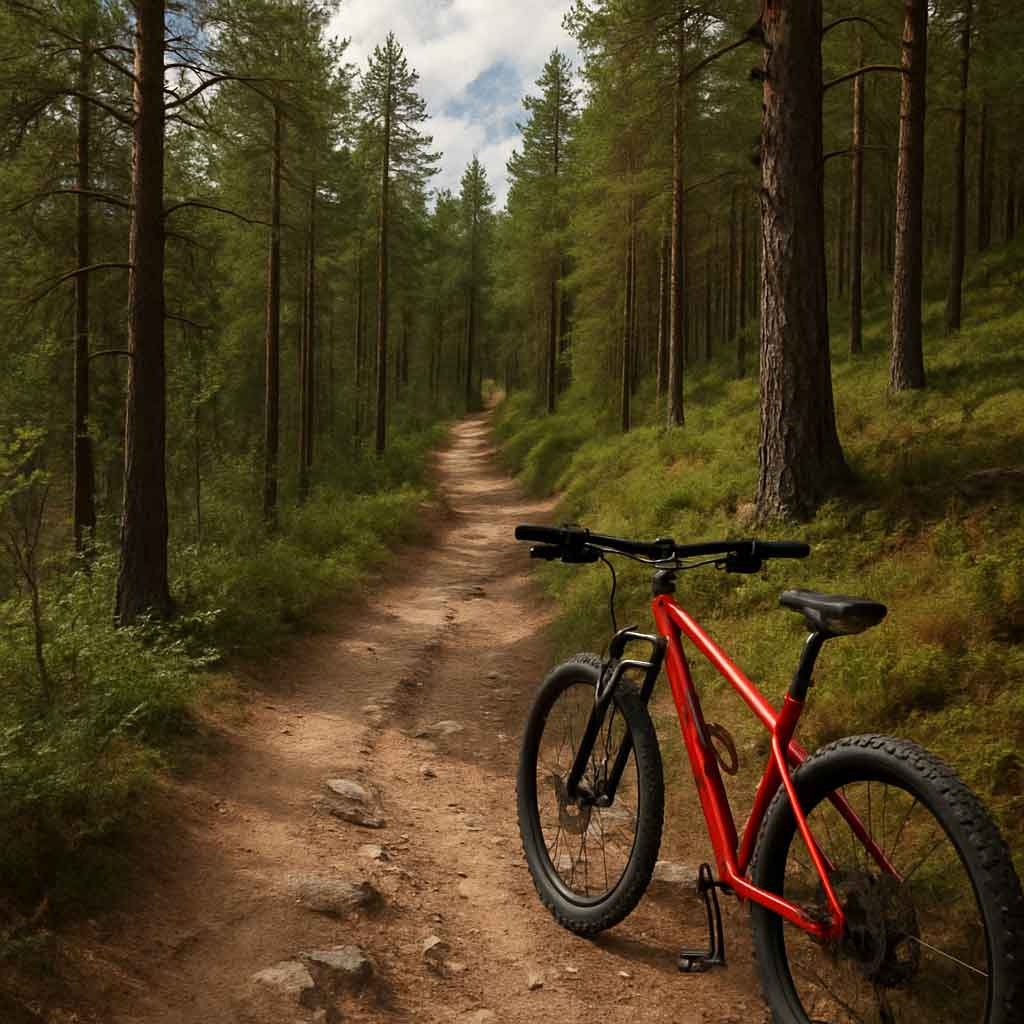
A hardtail mountain bike is equipped with a front suspension fork, but it lacks rear suspension. This type of bike frame is popular among riders who prefer simplicity, lower maintenance, and often, a lighter bike. Hardtail frames are well-suited for smoother trails and cross-country riding. They offer a direct power transfer from the pedals to the wheels, which can be beneficial for climbing hills and quick acceleration.
What Is a Full Suspension Frame?
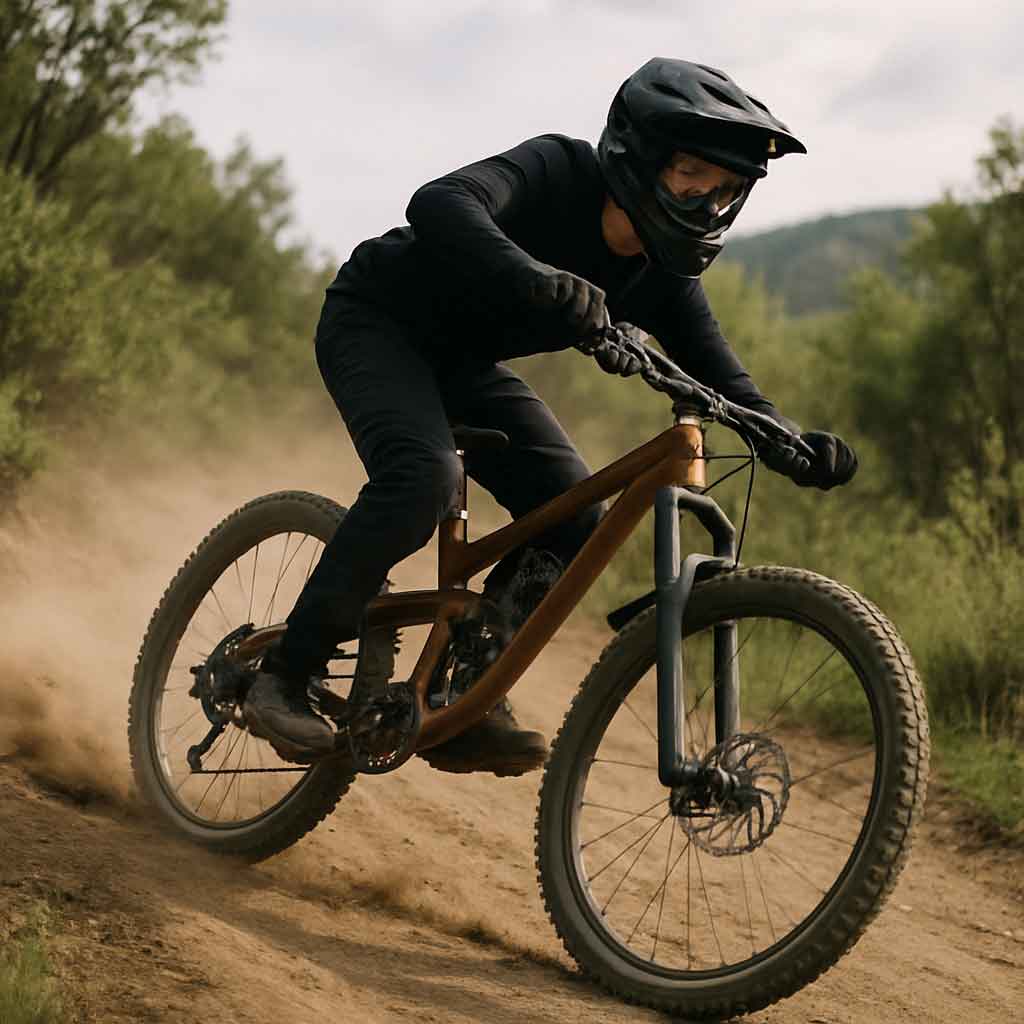
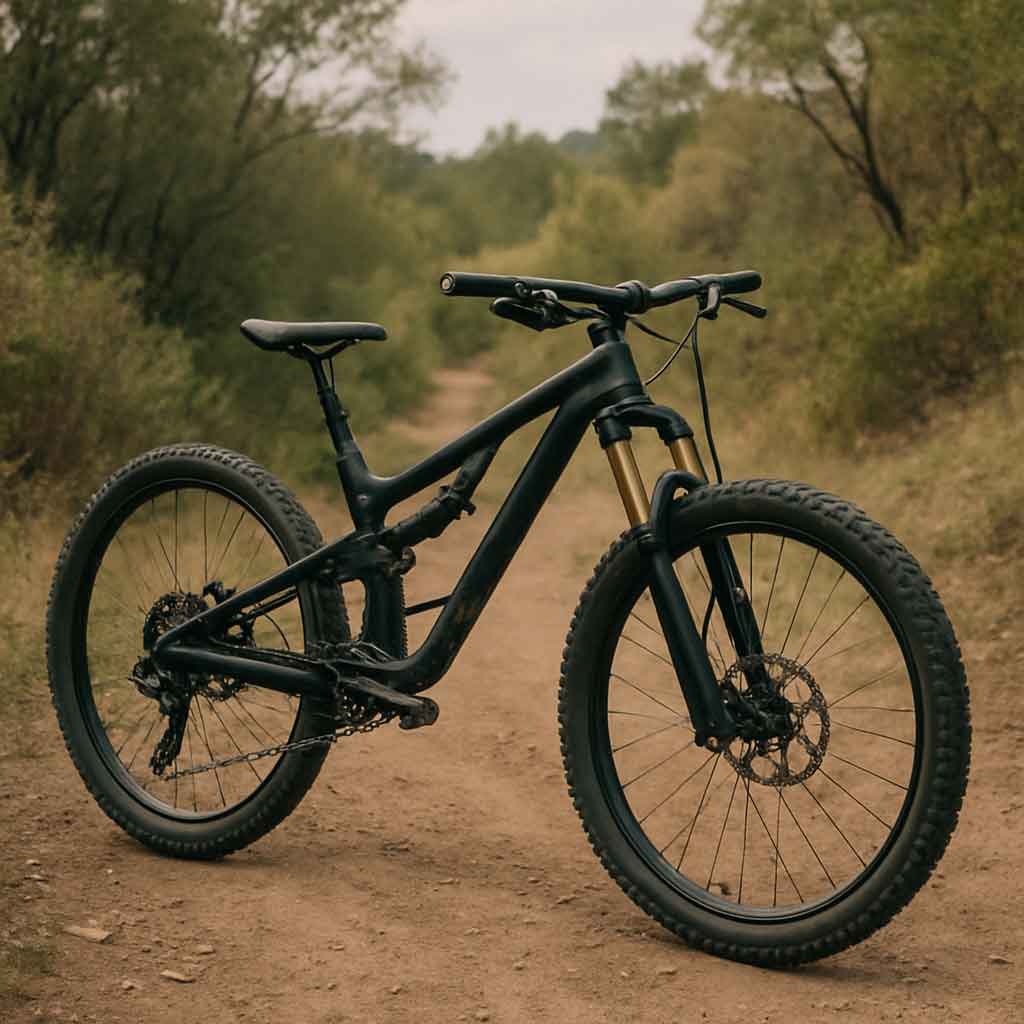
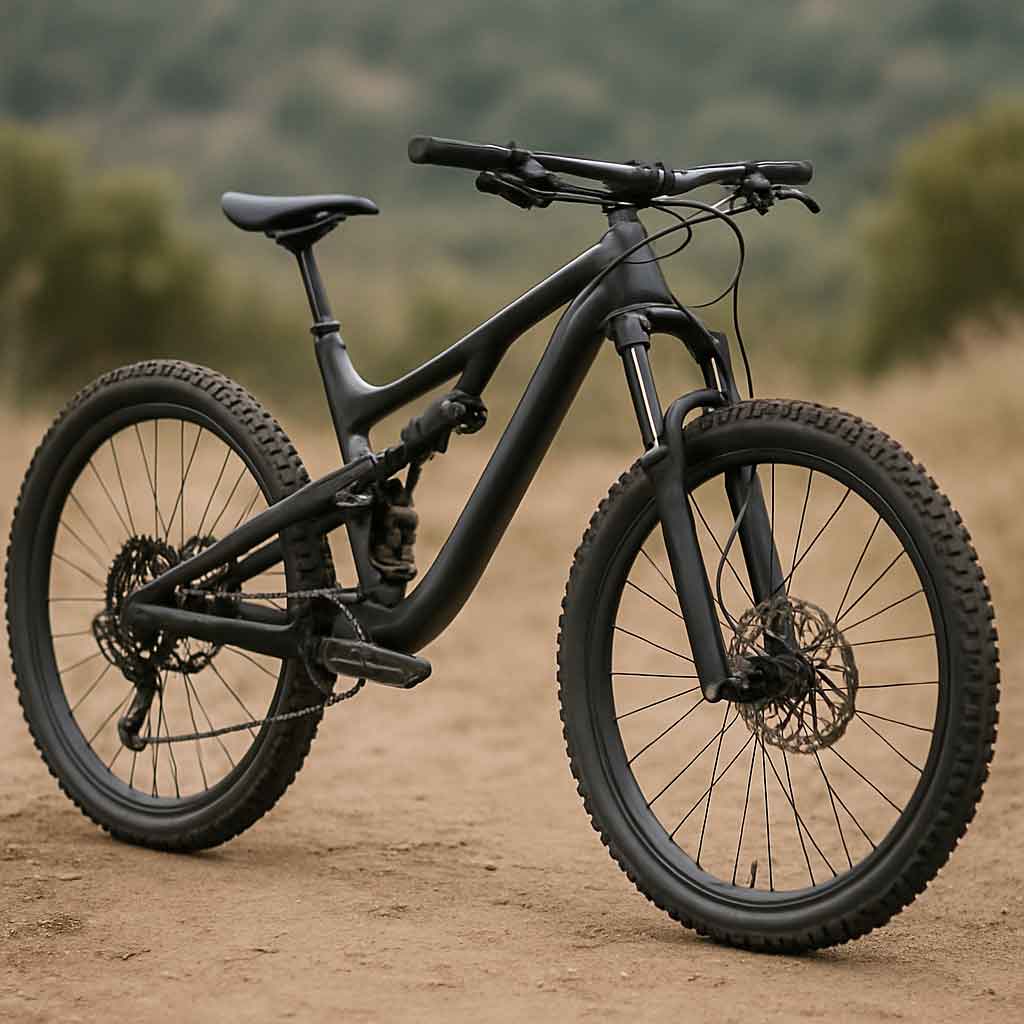
In contrast, a full suspension mountain bike features both front and rear suspension systems. These bikes are designed to absorb shocks from rough terrains, providing a smoother and more comfortable ride. Full suspension frames excel in downhill riding, technical trails, and rough terrains where added control and comfort are paramount.
Comparing Performance: Hardtail vs. Full Suspension
Climbing Efficiency
Hardtail bikes are often regarded as more efficient climbers. The absence of rear suspension means that all your pedaling power goes directly into moving the bike forward. This can be advantageous on steep climbs and smooth trails where you want to maximize speed and efficiency.
On the other hand, full suspension bikes can lose some pedaling efficiency due to the rear suspension absorbing energy. However, modern full suspension designs have improved significantly, and many now feature lockout options to minimize suspension movement while climbing.
Descending and Technical Trails
Full suspension bikes shine when it comes to descending and handling technical trails. The rear suspension provides better traction and control, allowing you to navigate obstacles more confidently. The added suspension also absorbs shocks from jumps and drops, reducing fatigue and increasing comfort.
While hardtails can handle descents, they require more skill and caution. The lack of rear suspension means you'll feel every bump and obstacle, which can lead to a rougher ride. However, some riders prefer the challenge and precision that hardtails offer in technical sections.
Frame Material: Carbon vs. Aluminum
Carbon Bike Frames
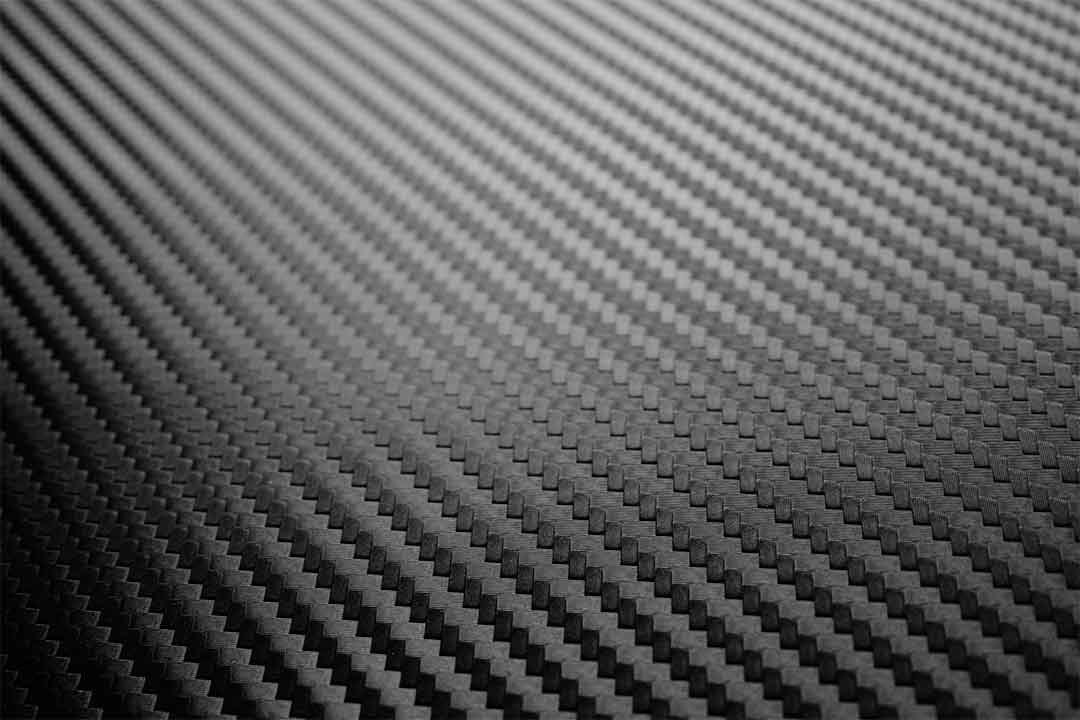
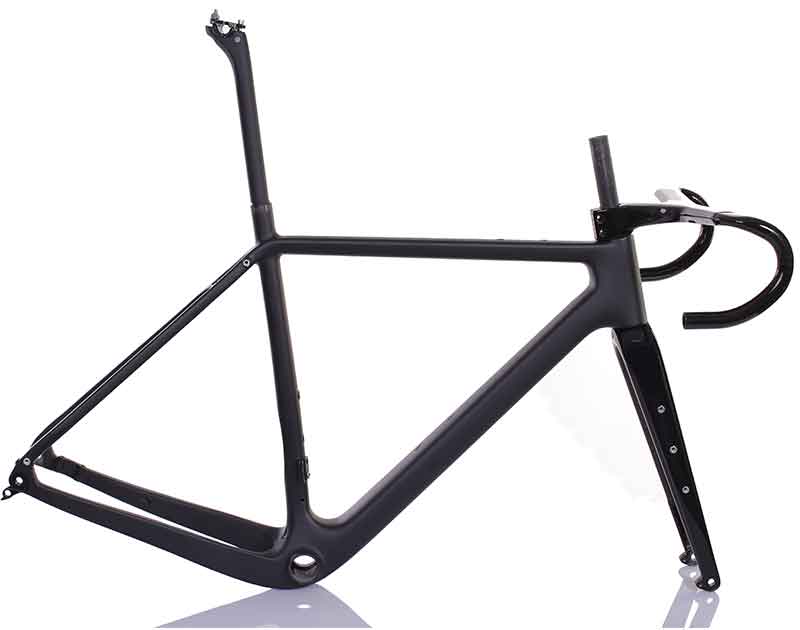
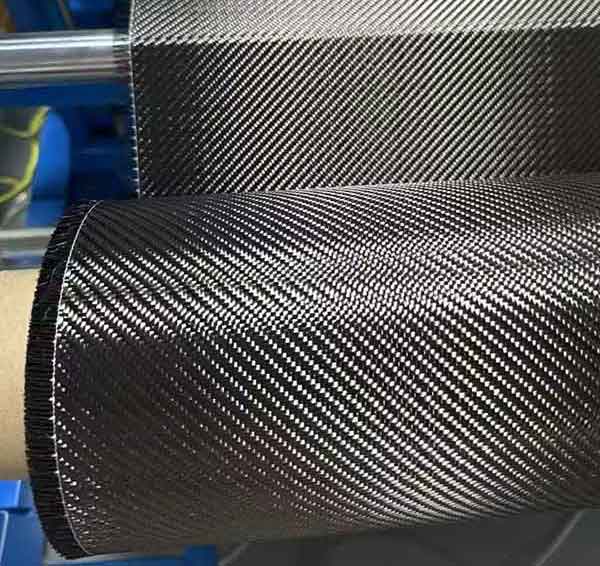
Carbon fiber is a popular choice for high-performance mountain bikes. Carbon frames are known for their lightweight properties and strength. They offer an excellent strength-to-weight ratio, making them ideal for riders who prioritize speed and agility. Additionally, carbon frames can be engineered to provide a specific level of stiffness and compliance, enhancing the overall ride quality.
by Daniel Tasci (https://unsplash.com/@shotbydani)
Aluminum Bike Frames
Aluminum frames are more common and generally more affordable than carbon frames. They are durable and provide a good balance of weight and strength. While aluminum frames may not offer the same level of vibration damping as carbon, they are still a reliable choice for many riders. Advances in aluminum frame design have improved their performance and comfort over the years.
Choosing the Right Mountain Bike Size
Selecting the correct mountain bike size is crucial for comfort and performance. Mountain bikes come in various sizes, typically categorized by the frame size or wheel size. Here are some tips to help you find the right fit:
- Frame Size: Measure your height and inseam to determine the appropriate frame size. Most manufacturers provide size charts to guide you in choosing the right fit based on these measurements.
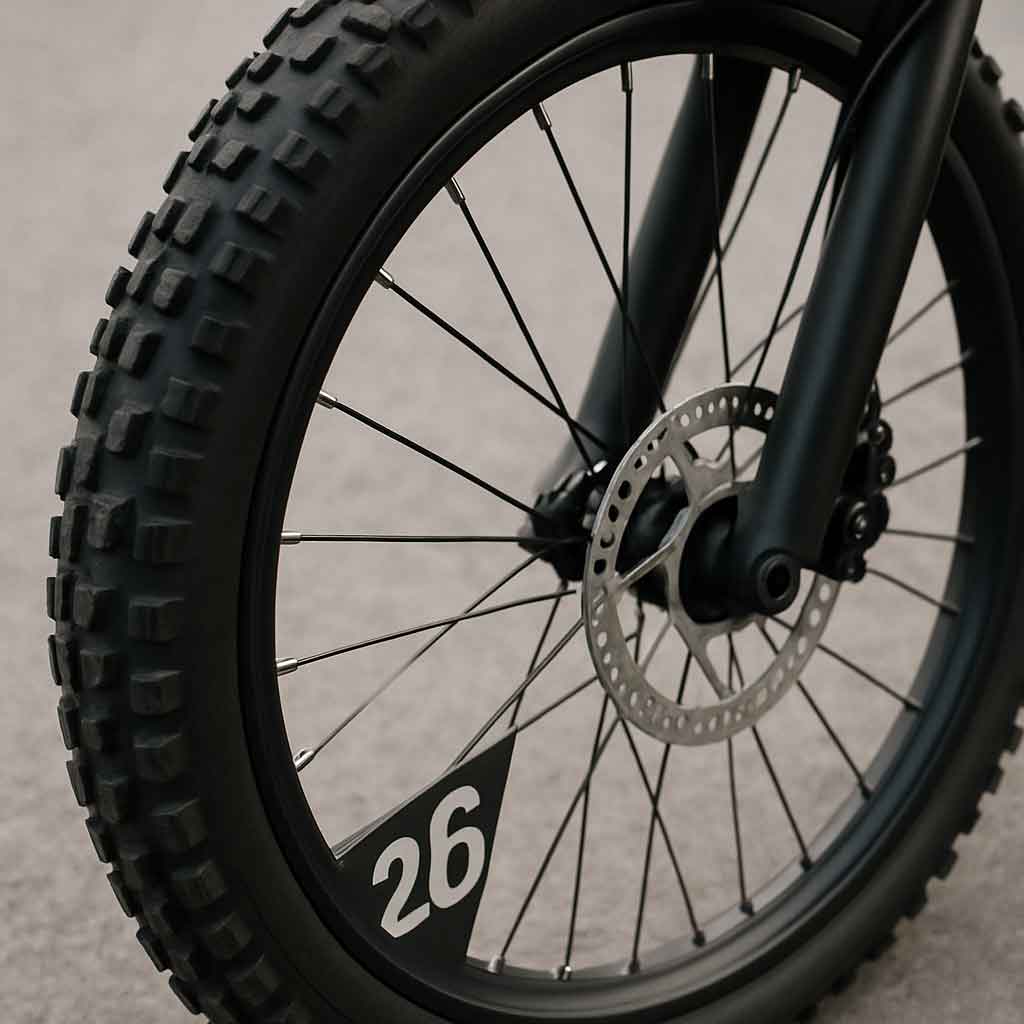
- Wheel Size: Mountain bikes commonly feature 27.5-inch or 29-inch wheels. Smaller wheels offer better maneuverability, while larger wheels provide improved rollover capability and stability.
- Test Ride: If possible, test ride different sizes to see which one feels most comfortable and suits your riding style.
Maintenance and Cost Considerations
Hardtail Maintenance
Hardtail bikes generally require less maintenance due to their simpler design. With fewer moving parts, there is less that can go wrong. This can be appealing to riders who prefer a low-maintenance option and want to spend more time riding and less time in the workshop.
Full Suspension Maintenance
Full suspension bikes have more components, including pivots, bearings, and rear shocks, which require regular maintenance. This can result in higher upkeep costs and more time spent on maintenance. However, the benefits of enhanced comfort and control often outweigh these considerations for riders who frequently tackle rough terrains.
Conclusion
Choosing between a hardtail and a full suspension mountain bike depends on your riding preferences, terrain, and budget. Hardtails offer simplicity, efficiency, and are often lighter, making them great for cross-country rides and smoother trails. Full suspension bikes provide superior comfort, control, and performance on technical and rough terrains.
Both carbon and aluminum frames have their advantages, with carbon being lighter and stiffer, and aluminum being more affordable and durable.
Ultimately, the best choice is the one that aligns with your riding style and goals. Whether you prioritize speed, comfort, or versatility, there's a perfect mountain bike out there waiting for you.
Happy trails!






 Jack Ding

