Welcome to Mondince Bike - A well-known factory specialized in produce carbon bike frame and other parts since 2007.


hardtail mountain bike frames for sale
.jpg)
When it comes to mountain biking, the frame of your bike is one of the most crucial components. If you're in the market for a new bike or looking to upgrade, you might want to consider a hardtail mountain bike frame. Not only do these frames offer a unique riding experience, but they are also versatile and often more affordable than full-suspension models. In this article, we'll delve into everything you need to know about hardtail mountain bike frames and why they might be the perfect fit for your next ride.
What is a Hardtail Mountain Bike Frame?
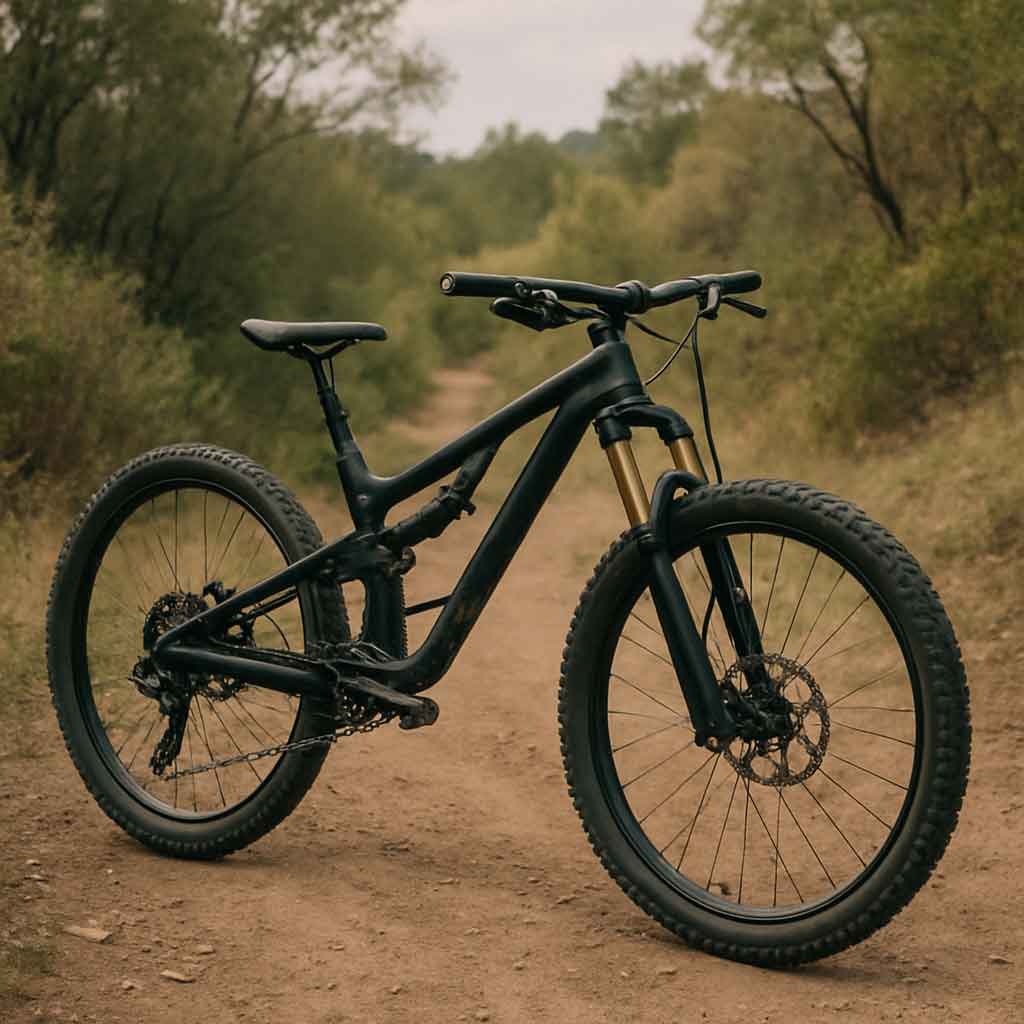
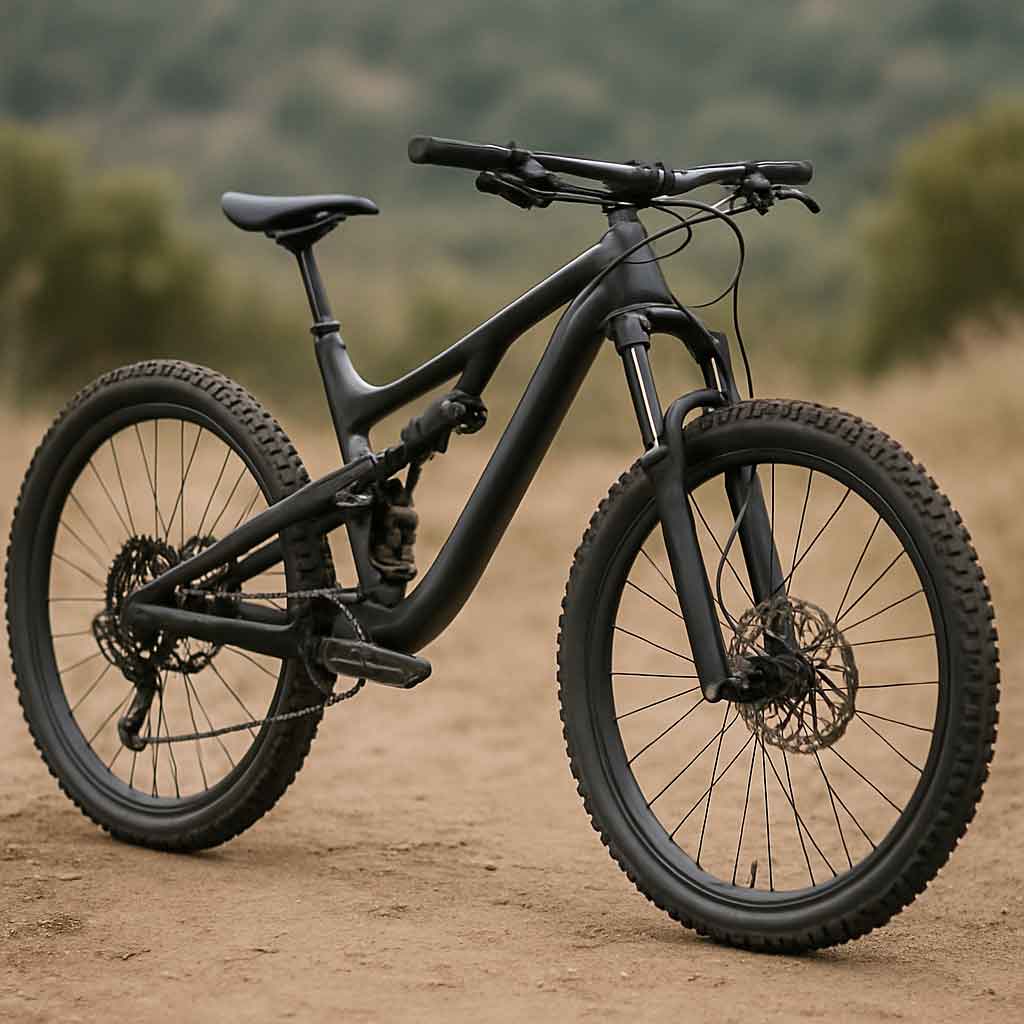
A hardtail mountain bike frame is designed with a front suspension fork and no rear suspension. This design makes hardtails lighter and generally more affordable than full-suspension bikes, which have both front and rear suspension. The simplicity of hardtail frames means less maintenance and a more direct connection between the rider and the trail.
Benefits of Hardtail Mountain Bike Frames
- Affordability: Hardtail frames are typically less expensive than full-suspension frames, making them an excellent choice for beginners or those on a budget.
- Lightweight: Without the additional components of a rear suspension, hardtail frames are lighter and easier to handle.
- Efficiency: Hardtails transfer power directly from the pedals to the wheels, making them efficient for climbing and riding on smooth trails.
- Versatility: Whether you're riding on trails, bike parks, or commuting around town, hardtails offer the flexibility to handle various terrains.
Types of Hardtail Mountain Bike Frames
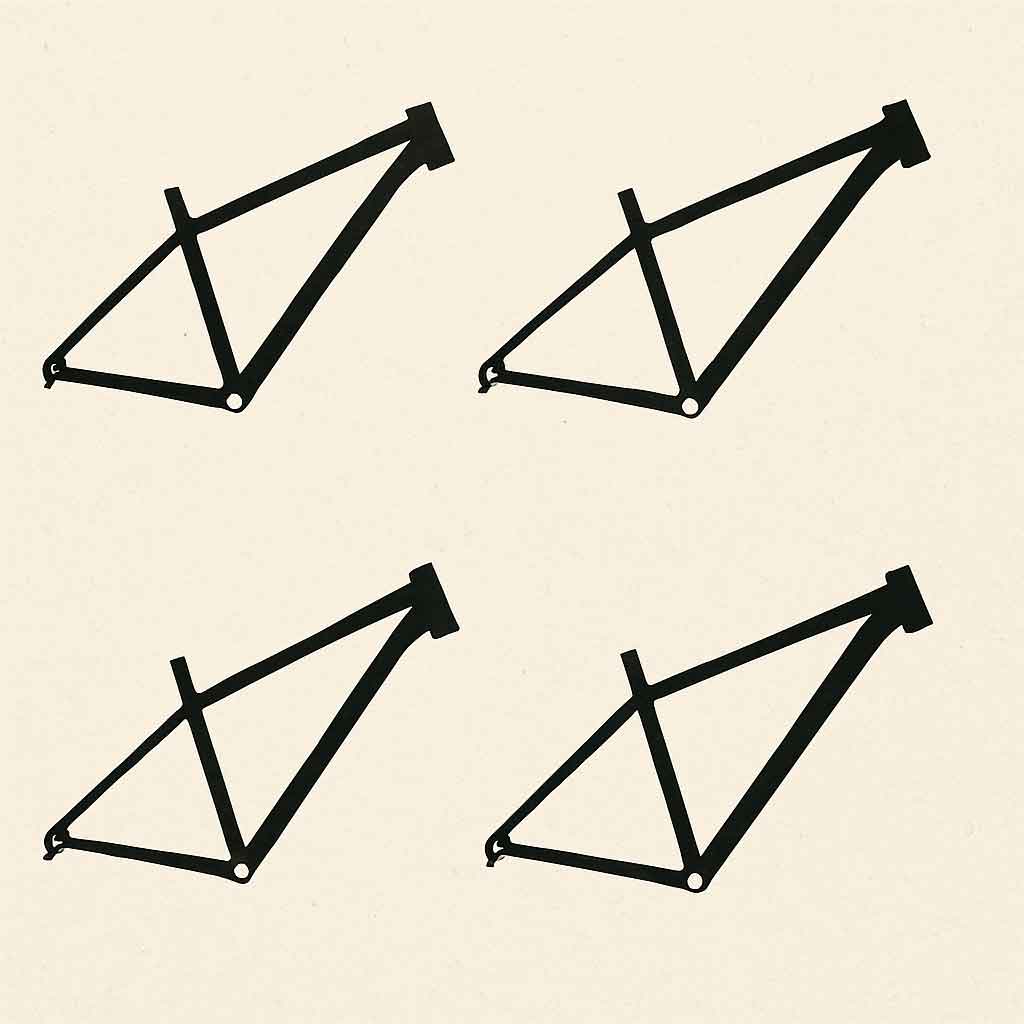
When choosing a hardtail mountain bike frame, it's important to consider the type of riding you'll be doing. Here are a few common types of hardtail frames:
Cross-Country (XC) Hardtail Frames
Cross-country hardtail frames are designed for speed and efficiency on smooth trails and race courses. They usually have a steeper geometry for quick handling and are often made from lightweight materials like aluminum or carbon fiber.
Trail Hardtail Frames
Trail hardtail frames are versatile and built to handle a wider variety of terrains. They offer a balance between climbing efficiency and downhill stability. These frames typically have a slacker geometry than XC frames, providing more comfort and control on descents.
Enduro Hardtail Frames
Enduro hardtail frames are designed for aggressive riding and can handle more challenging terrain. With a more robust build and slacker geometry, enduro frames are perfect for riders who enjoy technical trails and downhill sections.
Materials Used in Hardtail Mountain Bike Frames
The material of a bike frame can significantly affect its performance, weight, and price. Here are the most common materials used for hardtail mountain bike frames:
Aluminum Frames
Aluminum is the most common material for hardtail mountain bike frames. It is lightweight, strong, and relatively affordable. Aluminum frames provide a stiff ride, which can be beneficial for power transfer but may feel less forgiving on rough trails.
Carbon Fiber Frames
Carbon fiber frames are lightweight and offer excellent vibration damping, providing a smoother ride on rough terrain. However, these frames tend to be more expensive and require careful maintenance to avoid damage.
Steel Frames
Steel frames are known for their durability and smooth ride quality. They are heavier than aluminum or carbon frames but are often favored by riders who prioritize comfort over weight.
Titanium Frames
Titanium frames combine the best of both worlds: the lightweight properties of aluminum and the strength and comfort of steel. However, titanium frames come with a higher price tag, making them a premium choice for dedicated mountain bikers.
Choosing the Right Hardtail Frame Size
Selecting the correct frame size is crucial for ensuring comfort and efficiency on the trail. Here’s how to determine the right size for you:
- Measure Your Height and Inseam: Stand against a wall, barefoot, and measure from the floor to the top of your head and from the floor to your crotch.
- Use a Size Chart: Most manufacturers provide size charts that correlate these measurements with appropriate frame sizes.
- Test Ride: If possible, test ride different frame sizes to see which feels the most comfortable and offers the best handling.
Maintenance Tips for Hardtail Mountain Bike Frames

by Nguyễn Hiệp (https://unsplash.com/@hieptltb97)
Keeping your hardtail mountain bike frame in good condition is essential for a safe and enjoyable ride. Here are some maintenance tips:
- Regular Cleaning: Clean your bike after every ride, especially if you've been on muddy or dusty trails. This prevents dirt from wearing down components.
- Inspect for Damage: Regularly check your frame for any cracks, dents, or signs of wear, particularly after a crash.
- Lubricate Moving Parts: Keep the chain, gears, and other moving parts well-lubricated to ensure smooth operation.
- Check Tightness: Ensure all bolts and screws are tight before each ride to avoid any mechanical issues on the trail.
Where to Buy Hardtail Mountain Bike Frames
When you're ready to purchase a hardtail mountain bike frame, you have several options:
- Local Bike Shops: Visiting a local bike shop allows you to get expert advice and try out different frames.
- Online Retailers: Websites like Chain Reaction Cycles, Jenson USA, and Backcountry offer a wide selection of frames with detailed reviews.
- Second-Hand Market: Platforms like eBay or Craigslist can be great for finding deals on used frames, but be sure to inspect for any damage before buying.
Conclusion
Hardtail mountain bike frames offer a fantastic balance of affordability, efficiency, and versatility. Whether you're a beginner looking for your first mountain bike or an experienced rider seeking an upgrade, a hardtail frame could be the perfect choice. With the right frame, you'll be ready to tackle any trail with confidence.
Invest in a hardtail mountain bike frame today and experience the thrill of mountain biking like never before!





 Jack Ding

