Welcome to Mondince Bike - A well-known factory specialized in produce carbon bike frame and other parts since 2007.


Exploring the Benefits of Carbon Hardtails
When it comes to mountain biking, the choice of bike can make all the difference. One popular option among cycling enthusiasts is the carbon hardtail. Known for their lightweight design and incredible performance, carbon hardtails offer a unique set of benefits that appeal to both beginner and seasoned riders alike. In this article, we'll delve into the advantages of carbon hardtails and why they might be the right choice for your next ride.
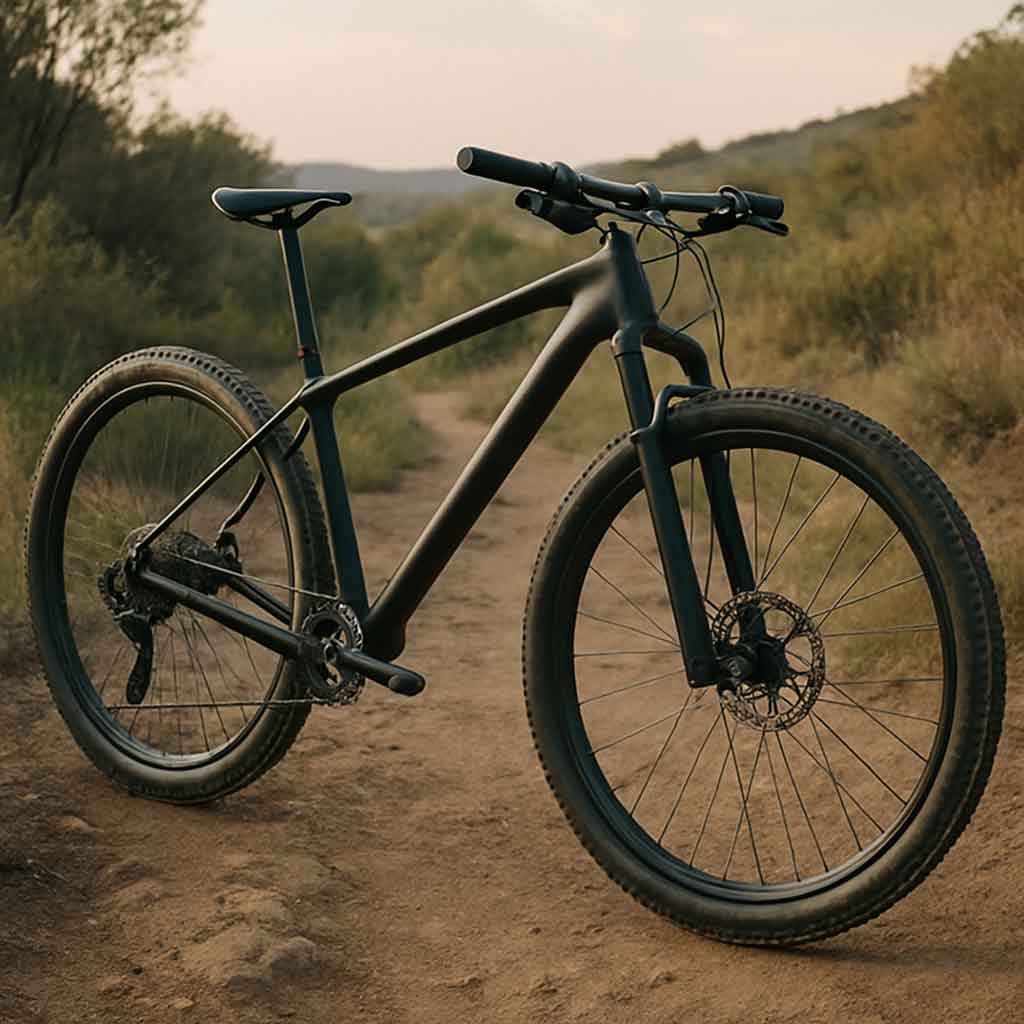
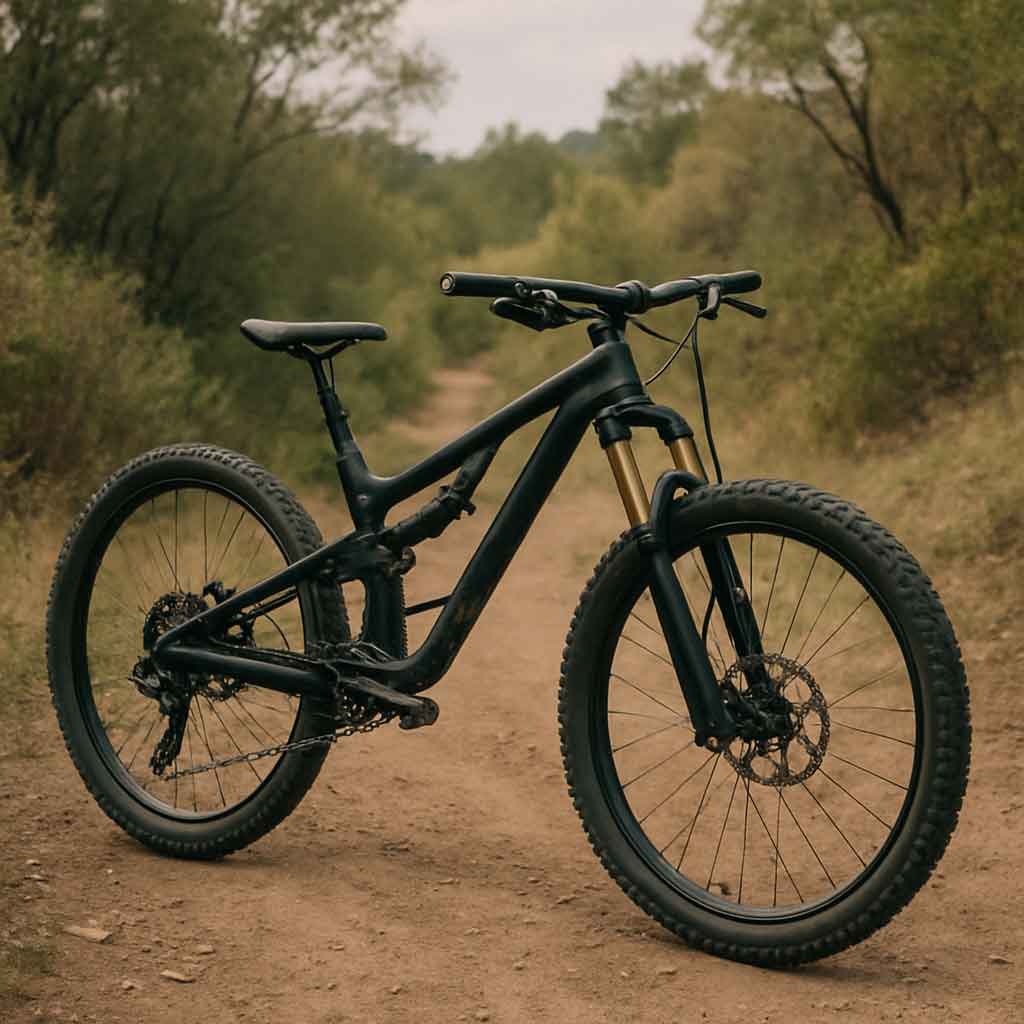
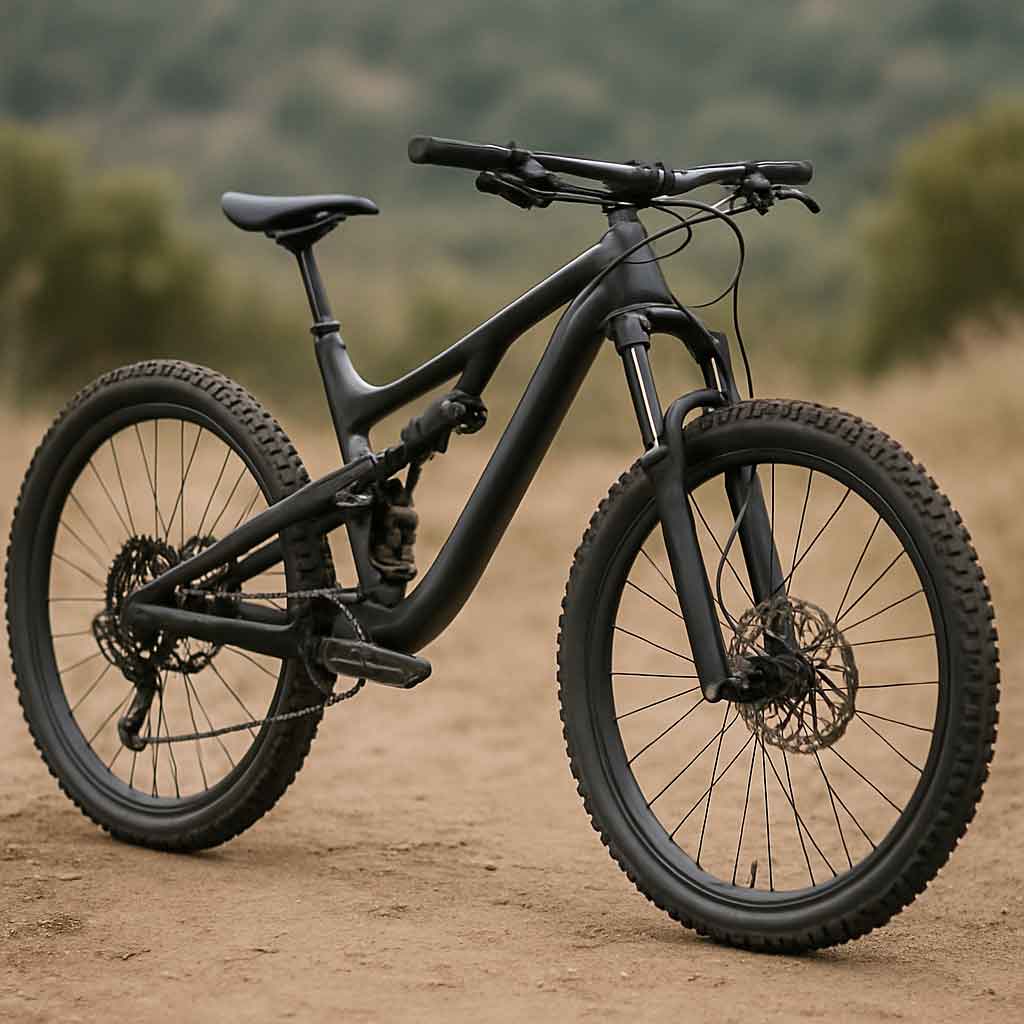
Before exploring the benefits, it's important to understand what a carbon hardtail is. A hardtail bike is characterized by its rigid frame, meaning it lacks rear suspension. This is in contrast to full-suspension bikes, which have shock absorbers both in the front and rear. The "carbon" in carbon hardtail refers to the material used in the frame construction—carbon fiber, which is known for its strength-to-weight ratio and durability.
The Benefits of Carbon Hardtails
Lightweight and Efficient
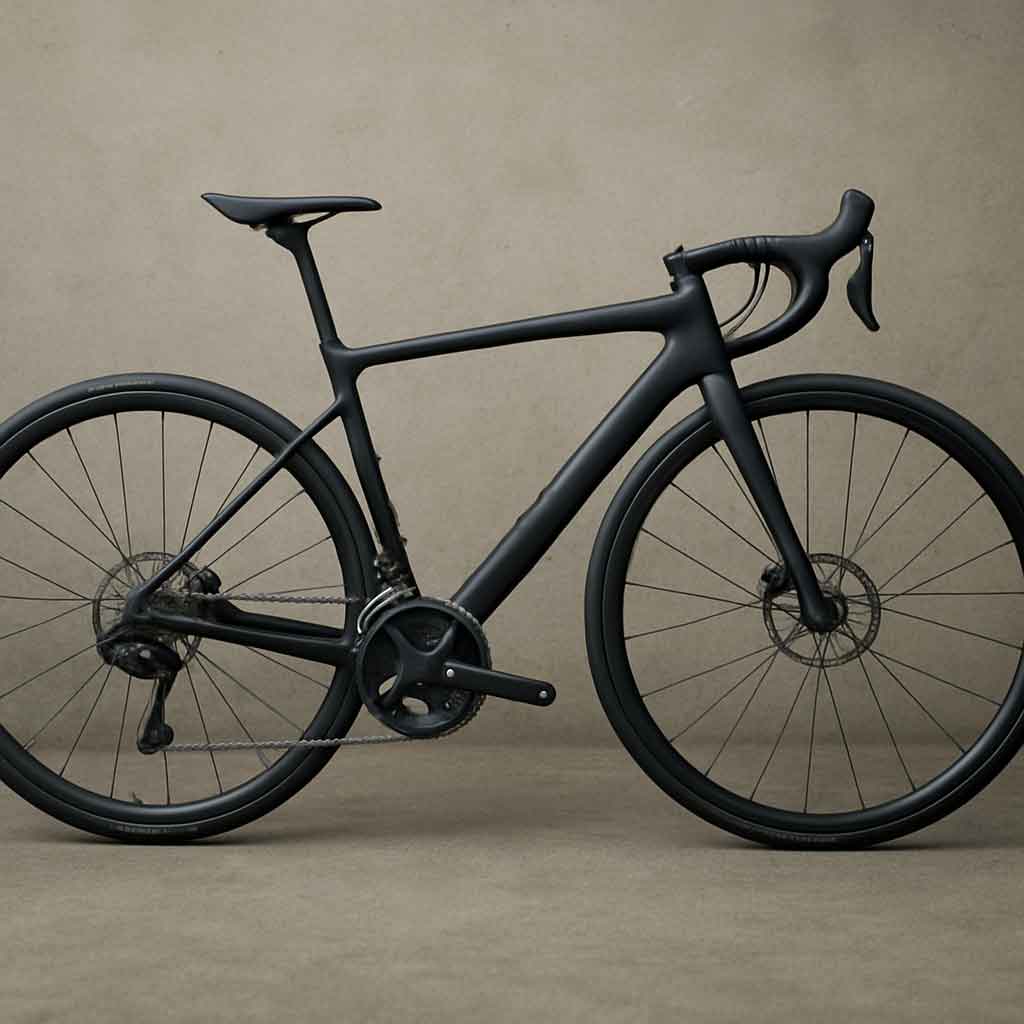
One of the most significant advantages of carbon hardtails is their lightweight design. Carbon fiber is much lighter than traditional materials like steel or aluminum. This translates to easier handling and more efficient energy use. Riders often find they can climb hills faster and with less effort on a carbon hardtail, making it a preferred choice for competitive racing and long-distance rides.
Enhanced Stiffness and Power Transfer
When you pedal a bike, you want as much of your energy as possible to be transferred into forward motion. Carbon hardtails excel in this area thanks to their enhanced stiffness. The rigid frame does not flex as much as other materials, ensuring that more power from your pedaling goes directly into the ground, propelling you forward with greater efficiency. This makes carbon hardtails particularly advantageous for sprinting and climbing.
Superior Ride Quality
Carbon fiber's ability to absorb shock and vibrations results in a smoother ride, even on rough terrain. While hardtails might not have rear suspension to cushion big bumps, the natural damping properties of carbon fiber help to minimize trail chatter and vibrations that can lead to fatigue over time. This improved ride quality is a major reason why many riders prefer carbon hardtails for cross-country and trail riding.
Durability and Longevity
Despite their lightweight nature, carbon hardtails are incredibly durable. Carbon fiber frames are resistant to corrosion and can withstand the rigors of off-road biking without compromising performance. With proper care and maintenance, a carbon hardtail can last for many years, providing a long-term investment in your cycling adventures.
Comparing Carbon Hardtails to Other Bikes
Carbon Hardtail vs. Full-Suspension
While full-suspension bikes offer additional comfort and control on rough terrain, they are typically heavier and can require more maintenance. Carbon hardtails, on the other hand, are lighter and often more affordable. For riders who prioritize speed and efficiency over the added comfort of a full-suspension setup, carbon hardtails are the preferred choice.
Carbon Hardtail vs. Aluminum Hardtail
Aluminum hardtails are a popular alternative to carbon models. They are generally less expensive and still offer a good balance of weight and durability. However, carbon hardtails tend to provide better performance due to their lighter weight and superior stiffness. The choice between the two often comes down to budget and personal preference.
Choosing the Right Carbon Hardtail

by Francisco Fuentes (https://unsplash.com/@thefrankfuentes)
When selecting a carbon hardtail, consider factors like frame geometry, wheel size, and component quality. Different models are designed for specific types of riding, so it's important to choose a bike that suits your riding style. Test rides can be incredibly helpful in finding the perfect fit.
Frame Geometry
The geometry of the frame affects how the bike handles on various terrains. A more aggressive geometry with a steeper head tube angle is often preferred for racing and fast trail rides, while a more relaxed geometry can offer better stability for casual rides.
Wheel Size
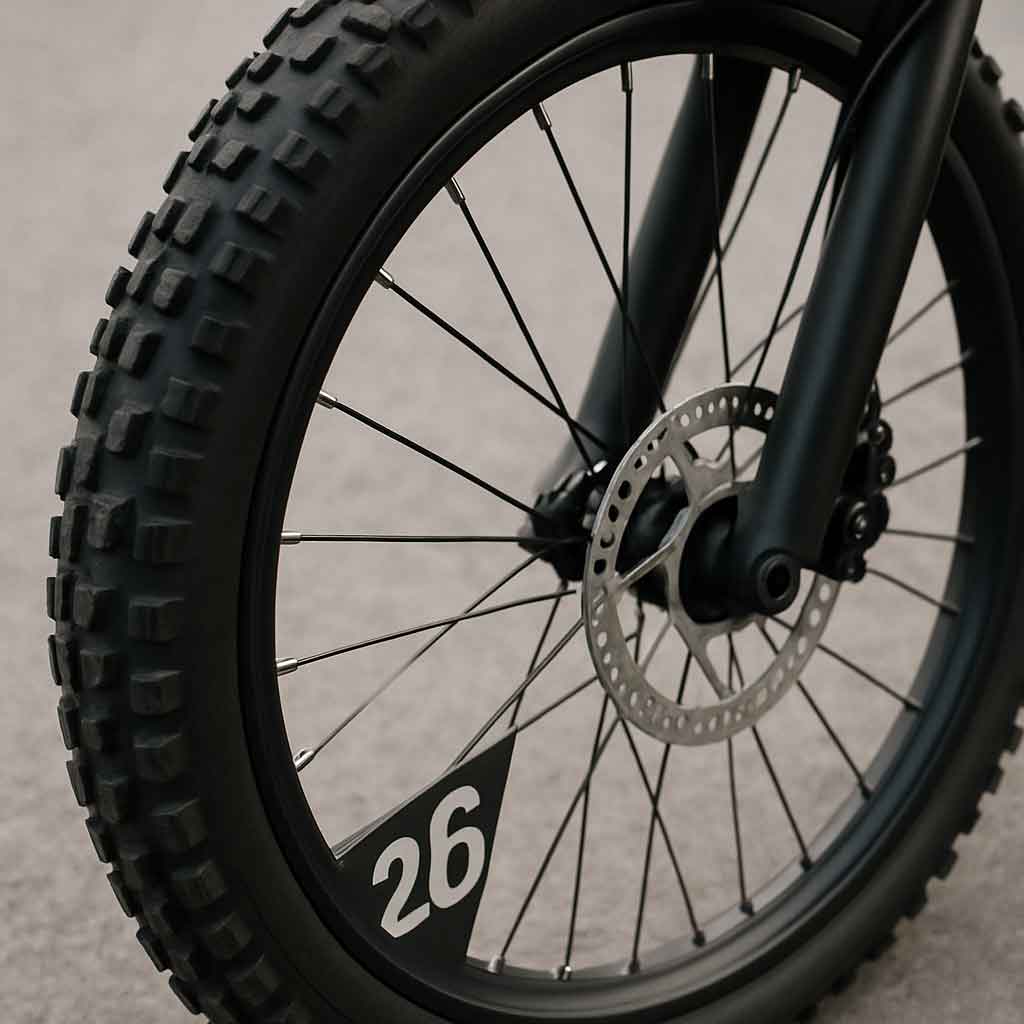
Carbon hardtails come with different wheel sizes, typically 27.5 inches or 29 inches. Larger wheels can roll over obstacles more easily and maintain speed better, while smaller wheels offer more agility and quicker acceleration.
Components and Build
The quality of the components, such as brakes, gears, and suspension fork, can impact the bike's performance and price. Higher-end components usually provide better performance and durability but come at a higher cost.
Conclusion
Carbon hardtails offer a unique blend of lightweight efficiency, power transfer, and ride quality, making them an attractive option for mountain bikers. Whether you're a competitive racer or a weekend warrior, the benefits of a carbon hardtail can enhance your cycling experience. By understanding the advantages and carefully selecting a bike that fits your needs, you can enjoy countless adventures on the trails with a carbon hardtail by your side.






 Jack Ding

