Welcome to Mondince Bike - A well-known factory specialized in produce carbon bike frame and other parts since 2007.


Exploring the Benefits of Carbon Hardtail Bikes
When it comes to mountain biking, the type of bike you choose can significantly impact your riding experience. Among the different options, carbon hardtail mountain bikes have gained popularity for their unique blend of performance and comfort. In this article, we will explore the benefits of carbon hardtail bikes, why they are a great investment for mountain biking enthusiasts, and how they can enhance your overall biking experience.
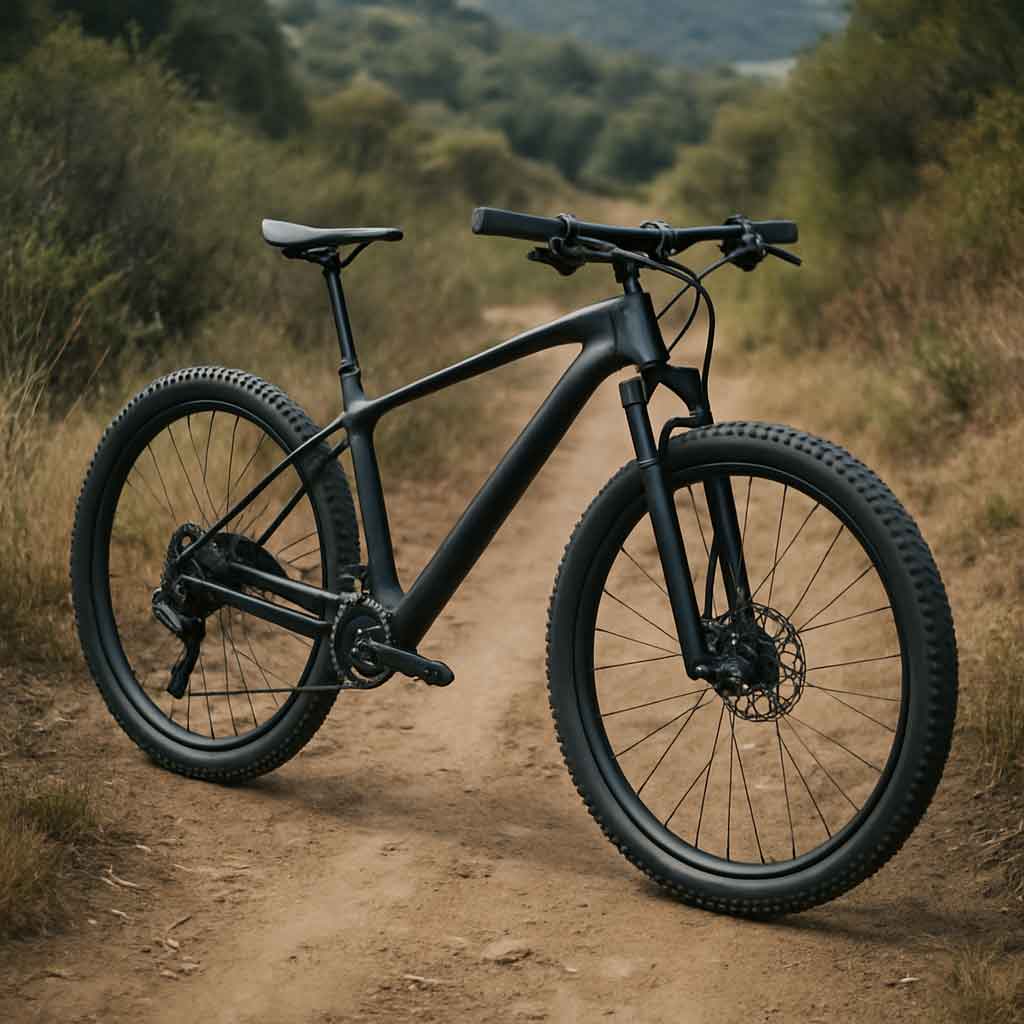
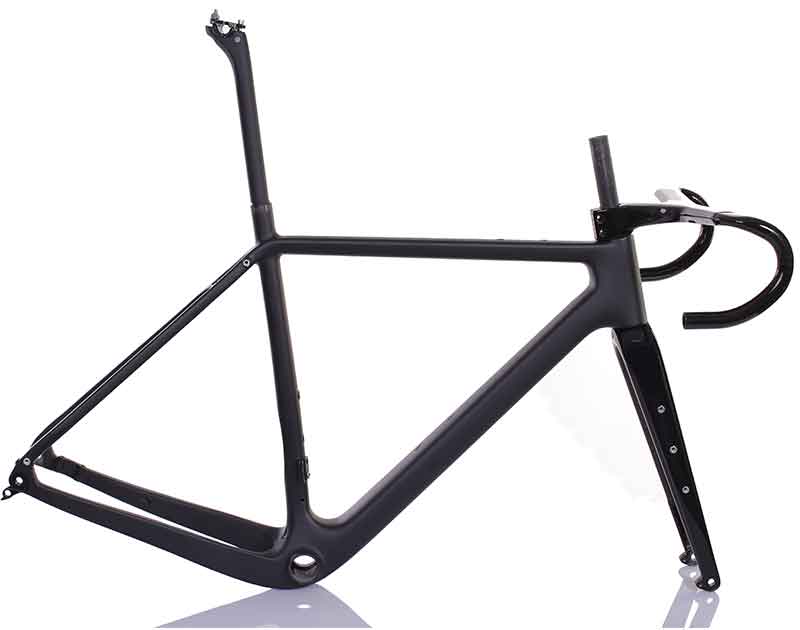
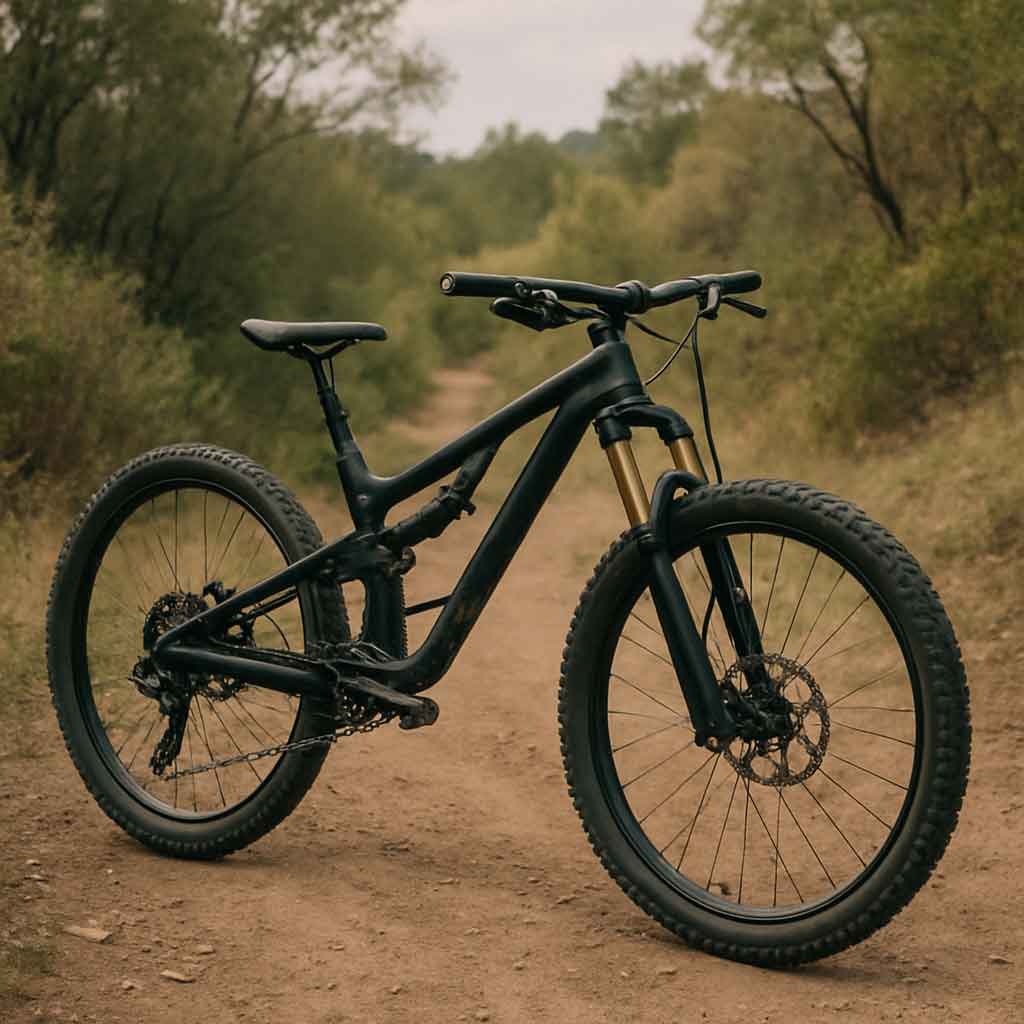
A carbon hardtail mountain bike is a type of bicycle that combines a rigid frame made from carbon fiber with a suspension fork in the front. Unlike full-suspension bikes, hardtails do not have rear suspension. The absence of rear suspension makes them lighter and more efficient on certain trails, especially when climbing or riding on less technical terrains.
The Role of Carbon Fiber in Mountain Biking
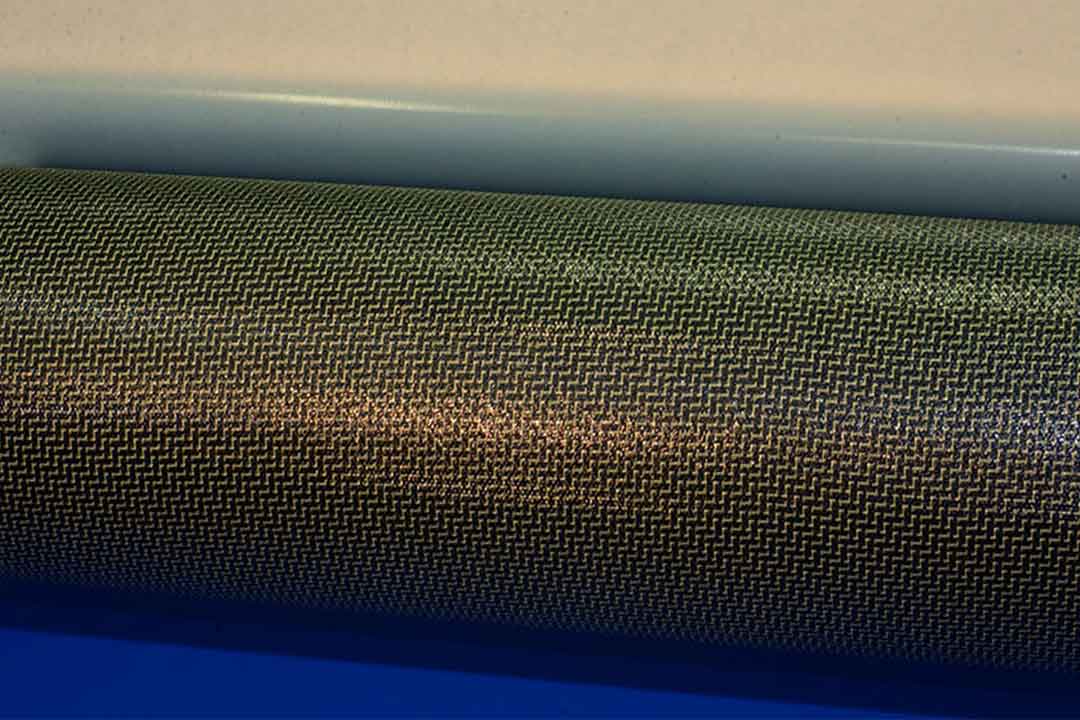
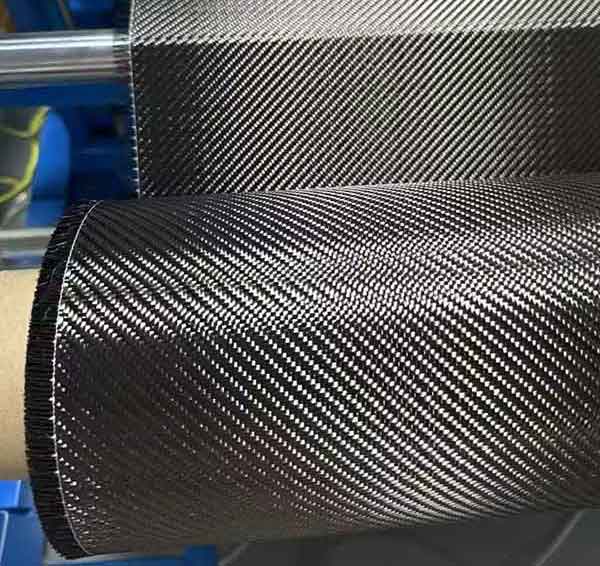
Carbon fiber is a high-strength, lightweight material made from thin strands of carbon. In the cycling world, it is celebrated for its strength-to-weight ratio, which allows for the creation of lightweight yet durable bike frames. This material is particularly beneficial for hardtail mountain bikes as it enhances performance without compromising on durability.
Strength-to-Weight Ratio
One of the most significant advantages of carbon fiber is its superior strength-to-weight ratio compared to other materials like aluminum or steel. This means that you can have a much lighter bike without sacrificing strength, making climbing and acceleration significantly easier. A lighter bike is not only easier to handle but also requires less energy output from the rider, which can be crucial during long rides or competitive events.
Vibration Dampening
Another benefit of carbon fiber is its ability to absorb vibrations from the trail, providing a smoother ride. This is particularly advantageous on bumpy or rocky terrains where constant vibrations can lead to fatigue and discomfort. By reducing these vibrations, carbon hardtail bikes allow riders to maintain better control and comfort over longer distances.
Durability and Flexibility
Despite being lightweight, carbon fiber is highly durable and resistant to many of the stresses that mountain biking can inflict. It can flex slightly under pressure without breaking, which helps in absorbing shocks from rough trails. This durability ensures that carbon hardtail bikes can withstand the rigors of aggressive riding without compromising their structural integrity.
Benefits of Carbon Hardtail Bikes
Lightweight and Efficient
One of the primary benefits of carbon hardtail bikes is their lightweight nature. This makes them easier to handle and maneuver, especially on steep climbs and long trails. The reduced weight means you can ride faster and with less effort, which is ideal for both competitive racing and leisurely rides.
Handling and Agility
The lightweight design of carbon hardtail bikes enhances their handling and agility. Riders can easily navigate sharp turns and technical sections of a trail, making these bikes particularly appealing for riders who enjoy a fast-paced and challenging ride. This agility also translates to quicker response times, which can be crucial in navigating unexpected obstacles on the trail.
Speed and Endurance
With a lighter bike, riders can maintain higher speeds with less effort, which is particularly beneficial in competitive racing scenarios. The efficiency of carbon hardtail bikes allows riders to conserve energy over long distances, improving endurance and reducing fatigue. This makes them a preferred choice for cross-country races where speed and stamina are crucial.
Climbing Efficiency
The lightweight nature of carbon hardtail bikes significantly enhances climbing efficiency. With less weight to carry uphill, riders can tackle steep ascents with greater ease and speed. This climbing prowess is a significant advantage in hilly terrains, allowing riders to maintain momentum and conserve energy.
Improved Power Transfer
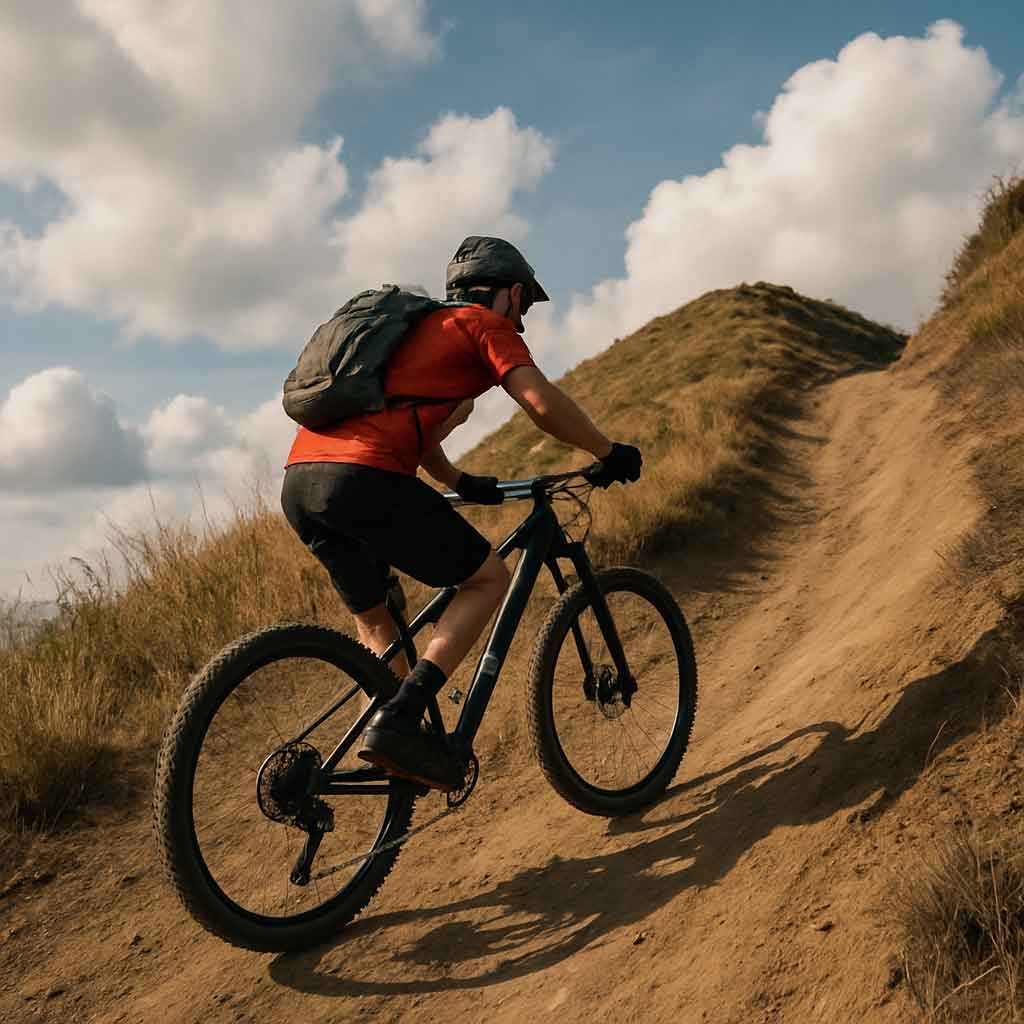
In cycling, power transfer refers to how effectively your pedaling energy is converted into forward motion. Carbon hardtail bikes excel in this area because their rigid frames do not absorb as much energy as full-suspension bikes. This means more of your pedaling force goes directly into moving the bike forward, providing a more efficient ride.
Direct Energy Utilization
The rigidity of carbon hardtail frames ensures that the energy exerted by the rider is used directly for propulsion rather than being absorbed by the bike's suspension system. This direct energy utilization allows for a more efficient ride, where each pedal stroke translates into greater forward movement. This efficiency is particularly noticeable during sprints and fast-paced rides.
Competitive Edge
For competitive cyclists, the enhanced power transfer of carbon hardtail bikes offers a distinct advantage. Riders can achieve faster speeds with the same amount of effort, giving them a competitive edge in races. The ability to accelerate quickly and maintain high speeds over long distances can be the difference between winning and losing a race.
Consistent Performance
The consistent performance offered by carbon hardtail bikes means that riders can expect predictable handling and responsiveness across various terrains. This reliability is crucial for maintaining speed and control during both long rides and short sprints. It also helps in building rider confidence, knowing that the bike will perform consistently under different conditions.
Enhanced Climbing Ability
Thanks to their lightweight design and efficient power transfer, carbon hardtail bikes are excellent for climbing. They allow riders to ascend hills and mountains with greater ease compared to heavier, full-suspension bikes. If you frequently ride on hilly terrain, a carbon hardtail could significantly enhance your climbing performance.
Hill Climbing Techniques
The design of carbon hardtail bikes supports various climbing techniques, making them versatile on different types of ascents. Whether you prefer a seated climb to conserve energy or an aggressive standing climb for more speed, these bikes provide the stability and efficiency needed for both. This adaptability can significantly improve climbing performance and rider confidence.
Energy Conservation
The efficient power transfer and lightweight design of carbon hardtail bikes mean that riders expend less energy on climbs, allowing for longer rides without fatigue. This energy conservation is vital for endurance rides and races, where maintaining a steady pace is crucial. The ability to conserve energy while climbing enables riders to tackle more challenging routes with ease.
Improved Traction
Carbon hardtail bikes offer improved traction on climbs due to their design and weight distribution. The absence of rear suspension means that more of the rider's weight is directed towards the rear wheel, enhancing grip on loose or slippery surfaces. This improved traction is essential for maintaining momentum on challenging ascents.
Responsiveness and Control
Carbon hardtail mountain bikes offer exceptional responsiveness and control, which is crucial when navigating technical trails. The stiffness of the carbon frame allows for precise handling, giving you confidence when tackling tight corners and challenging descents.
Precision Handling
The stiffness of carbon frames ensures that riders experience precise handling, which is essential for navigating technical trails. This precision allows riders to make quick adjustments and maintain control in challenging conditions, enhancing overall ride quality. The ability to navigate tight corners and complex terrain with ease is a significant advantage for mountain bikers.
Enhanced Stability
In addition to precision handling, carbon hardtail bikes provide enhanced stability, which is crucial when riding at high speeds or on uneven terrain. This stability allows riders to maintain confidence and control, even when encountering unexpected obstacles. The balance and stability of these bikes contribute to a smoother and more enjoyable ride.
Confidence on Technical Trails
The combination of precision handling and enhanced stability gives riders the confidence to tackle technical trails with ease. This confidence is essential for enjoying more challenging rides and pushing personal limits. With a carbon hardtail bike, riders can explore new trails and push their skills further without compromising safety or control.
Comparing Carbon Hardtail Bikes to Other Mountain Bikes
Carbon Hardtail vs. Full-Suspension Bikes
While full-suspension bikes provide additional comfort on rough terrains due to their rear suspension, they are generally heavier and can be less efficient on smoother trails. Carbon hardtail bikes, on the other hand, offer a more direct feel and are more efficient in transferring power, making them a preferred choice for many cross-country riders.
Weight and Efficiency
One of the main differences between carbon hardtail and full-suspension bikes is weight. Full-suspension bikes tend to be heavier due to the additional components required for rear suspension. This extra weight can be a disadvantage on smoother trails where efficiency and speed are prioritized. Carbon hardtails, being lighter, are more efficient in these scenarios, allowing riders to maintain higher speeds with less effort.
Comfort vs. Performance
Full-suspension bikes offer increased comfort on rough terrains by absorbing shocks and vibrations, making them ideal for downhill and trail riding. However, this comfort comes at the cost of performance on smoother trails, where the energy absorbed by the suspension can result in slower speeds. Carbon hardtail bikes prioritize performance and efficiency, making them more suitable for riders who value speed and agility over comfort.
Versatility and Specialization
While full-suspension bikes are versatile and can handle a variety of terrains, carbon hardtails are more specialized for cross-country and smoother trails. Riders who prioritize versatility and comfort may prefer full-suspension bikes, while those focused on speed and efficiency may opt for carbon hardtails. Understanding these differences helps riders choose the right bike for their specific needs and preferences.
Carbon Hardtail vs. Aluminum Hardtail
by Team Evelo (https://unsplash.com/@eveloelectricbikes)
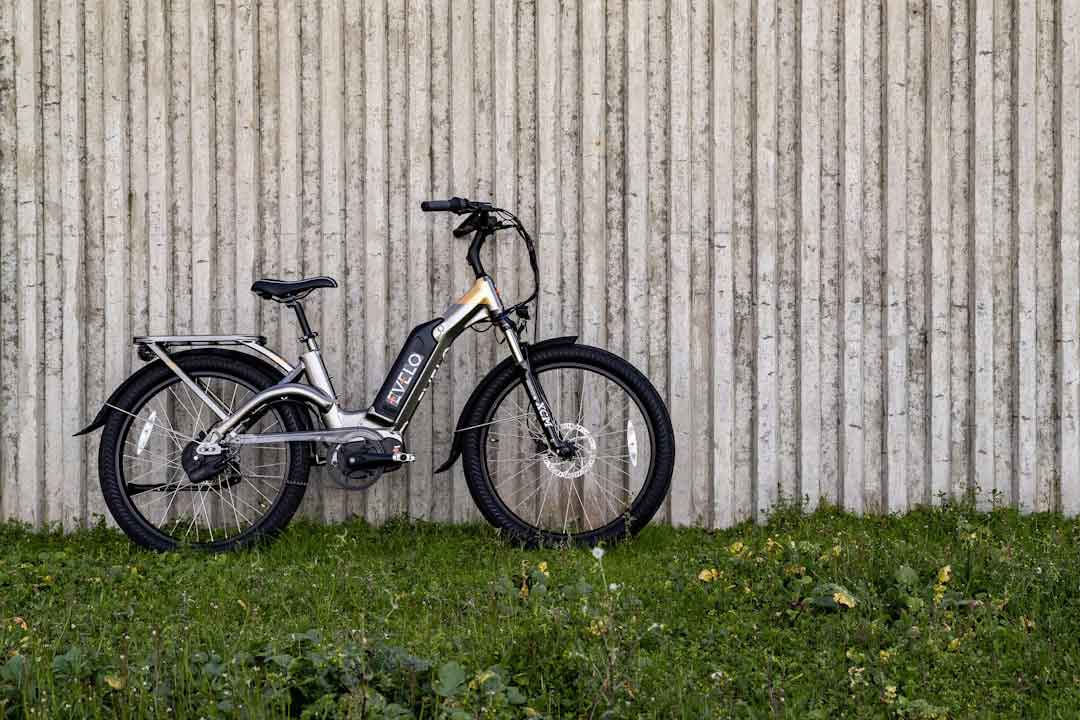
When comparing carbon hardtail bikes to their aluminum counterparts, the main differences lie in weight and ride quality. Carbon fiber frames are generally lighter and offer a smoother ride due to their ability to dampen vibrations. Aluminum frames, while more affordable, tend to be heavier and may not provide the same level of comfort on long rides.
Material Characteristics
The primary difference between carbon and aluminum frames is the material characteristics. Carbon fiber is known for its lightweight and vibration-dampening properties, providing a smoother and more comfortable ride. Aluminum, while durable and cost-effective, lacks the same level of vibration dampening, which can lead to a harsher ride experience on rough terrains.
Cost vs. Performance
Aluminum frames are typically more affordable than carbon fiber frames, making them an attractive option for budget-conscious riders. However, this cost-saving often comes with a trade-off in terms of performance. Carbon hardtail bikes offer superior performance due to their lightweight and efficient design, making them a worthwhile investment for serious riders seeking a high-performance bike.
Longevity and Maintenance
Carbon fiber and aluminum frames require different maintenance approaches. While carbon frames are highly durable, they need regular inspections for any signs of damage due to their susceptibility to cracks. Aluminum frames, on the other hand, are less prone to cracks but can suffer from dents and corrosion over time. Understanding the maintenance needs of each material is crucial for prolonging the life of your bike.
Choosing the Right Carbon Hardtail Bike
Consider Your Riding Style
When selecting a carbon hardtail bike, consider your primary riding style. If you enjoy cross-country riding or racing, a lightweight carbon hardtail will be beneficial. For those who prefer more technical trails with lots of obstacles, a full-suspension bike might be more suitable.
Cross-Country and Racing
Riders who focus on cross-country and racing will benefit from the lightweight and efficient design of carbon hardtail bikes. These bikes are optimized for speed and agility, making them ideal for competitive events where every second counts. The efficiency and responsiveness of carbon hardtails give riders a competitive edge in races.
Trail and Technical Riding
For riders who enjoy trail and technical riding, a full-suspension bike may offer more comfort and control. However, carbon hardtail bikes can still perform well on less technical trails and are ideal for riders who want a balance of performance and versatility. Understanding your preferred riding style helps in choosing the right bike that meets your needs.
Versatility and Adaptability
Carbon hardtail bikes offer versatility and adaptability, making them suitable for various riding styles. While they excel in cross-country and smoother trails, they can also handle light trail riding with ease. Riders who value adaptability and performance will find carbon hardtails to be a suitable choice for a range of terrains.
Budget Considerations
Carbon hardtail bikes come in a range of prices, so it's important to set a budget before making a purchase. While these bikes can be a significant investment, the benefits they offer in terms of performance and durability are often worth the cost.
Balancing Cost and Quality
When setting a budget for a carbon hardtail bike, it's essential to balance cost and quality. While cheaper models may be tempting, they often lack the advanced features and materials found in higher-end bikes. Investing in a quality carbon hardtail ensures better performance, durability, and a more enjoyable riding experience.
Long-Term Investment
Purchasing a carbon hardtail bike is a long-term investment in your cycling experience. The durability and performance of these bikes mean that they can last for many years with proper maintenance. While the initial cost may be higher, the long-term benefits and satisfaction they provide make them a worthwhile investment.
Financing Options
For those concerned about the upfront cost, many retailers offer financing options to make purchasing a carbon hardtail bike more manageable. These options allow riders to spread the cost over time, making it easier to invest in a high-quality bike without financial strain. Exploring financing options can help riders purchase the bike that best fits their needs and budget.
Test Before You Buy
Whenever possible, test ride a few different models to get a feel for what suits you best. Pay attention to how the bike handles, its weight, and how comfortable you feel riding it. This will help ensure you choose a bike that meets your needs and enhances your biking experience.
Experience Different Models
Test riding different models allows you to experience the unique characteristics of each bike. This hands-on experience is invaluable in understanding how different designs and materials affect performance and comfort. By trying various models, you can make an informed decision about which bike suits your riding style and preferences.
Evaluate Fit and Comfort
During a test ride, pay close attention to the fit and comfort of the bike. A bike that fits well will enhance your riding experience and reduce the risk of discomfort or injury. Ensure that the bike's size, geometry, and components align with your body and riding style for optimal comfort and performance.
Assess Performance Features
Testing different models also allows you to assess the performance features of each bike. Evaluate the bike's handling, responsiveness, and overall performance to determine if it meets your expectations. This assessment ensures that you choose a bike that delivers the performance and experience you're seeking.
Maintenance Tips for Carbon Hardtail Bikes
Regular Cleaning and Inspection
Keep your bike in top condition by cleaning it regularly and inspecting it for any signs of damage. Pay special attention to the frame and components, as carbon fiber can be susceptible to cracks if not properly maintained.
Thorough Cleaning Routine
Establishing a thorough cleaning routine is essential for maintaining the condition of your carbon hardtail bike. Regular cleaning removes dirt, mud, and debris that can accumulate and cause wear over time. Use gentle cleaning solutions and soft brushes to avoid damaging the carbon frame and components.
Detailed Frame Inspection
During cleaning, conduct a detailed inspection of the bike's frame and components. Look for any signs of cracks, chips, or other damage that could compromise the bike's integrity. Catching these issues early allows for timely repairs, preventing more significant problems in the future.
Component Maintenance
In addition to the frame, ensure that all components, such as the drivetrain, brakes, and suspension, are in good working order. Regular lubrication and adjustments help maintain optimal performance and extend the life of these components. Keeping your bike well-maintained ensures a smooth and enjoyable riding experience.
Proper Storage
Store your carbon hardtail bike in a cool, dry place to prevent any damage from extreme temperatures or humidity. Using a bike cover can also help protect it from dust and dirt.
Ideal Storage Conditions
Proper storage conditions are crucial for preserving the longevity of your carbon hardtail bike. Avoid areas with extreme temperatures or high humidity, as these can cause damage over time. A cool, dry environment helps prevent rust, corrosion, and frame degradation.
Use of Protective Covers
Consider using protective covers to shield your bike from dust, dirt, and potential scratches. Bike covers provide an additional layer of protection, especially if your bike is stored in a shared or open space. Investing in a quality cover ensures that your bike remains in pristine condition.
Space-Saving Solutions
For those with limited storage space, explore space-saving solutions such as wall mounts or ceiling hooks. These options help maximize storage efficiency while keeping your bike safe and secure. Proper storage solutions also prevent unnecessary clutter and make it easier to access your bike when needed.
Professional Servicing
Consider taking your bike to a professional mechanic for regular servicing. They can help ensure all components are working correctly and address any issues before they become major problems.
Importance of Professional Check-Ups
Regular professional check-ups are essential for maintaining the performance and safety of your carbon hardtail bike. Mechanics have the expertise to identify potential issues that may not be visible to the untrained eye. Regular servicing helps prevent minor issues from escalating into significant problems.
Comprehensive Component Inspection
During professional servicing, mechanics conduct a comprehensive inspection of all bike components, including the drivetrain, brakes, and suspension. This thorough examination ensures that each component is functioning correctly and efficiently. Addressing any issues promptly ensures optimal bike performance and rider safety.
Expert Repairs and Adjustments
Professional mechanics can perform expert repairs and adjustments to keep your bike in top condition. From tuning the drivetrain to adjusting the suspension, these professionals ensure that your bike is perfectly tuned to your riding preferences. Regular servicing enhances the longevity and performance of your carbon hardtail bike.
Conclusion
Carbon hardtail mountain bikes offer a unique combination of lightweight performance, efficient power transfer, and enhanced control, making them a great choice for many mountain bikers. Whether you're a seasoned rider or just starting out, investing in a carbon hardtail can significantly enhance your riding experience. By understanding the benefits and considering your specific needs, you can choose the perfect bike to tackle any trail with confidence and ease.
Embrace the Adventure
Embracing the adventure of mountain biking with a carbon hardtail bike opens up a world of possibilities. The performance and efficiency of these bikes allow riders to explore new trails, push their limits, and enjoy the thrill of the ride. Investing in a carbon hardtail bike is an investment in your passion for biking and the adventures that await.
Tailored to Your Journey
Choosing the right carbon hardtail bike is about finding the perfect match for your journey. By considering factors such as riding style, budget, and preferences, you can select a bike that enhances your biking experience. A well-chosen carbon hardtail bike becomes an extension of yourself, allowing you to navigate any trail with confidence and enjoyment.
Future-Proof Your Ride
Investing in a carbon hardtail bike is about future-proofing your ride. The durability and performance of these bikes ensure that they remain a reliable companion for years to come. By maintaining and caring for your bike, you can continue to enjoy the benefits and adventures it brings, making every ride an unforgettable experience.





 Jack Ding

