Welcome to Mondince Bike - A well-known factory specialized in produce carbon bike frame and other parts since 2007.


Exploring the Future of Carbon Roads
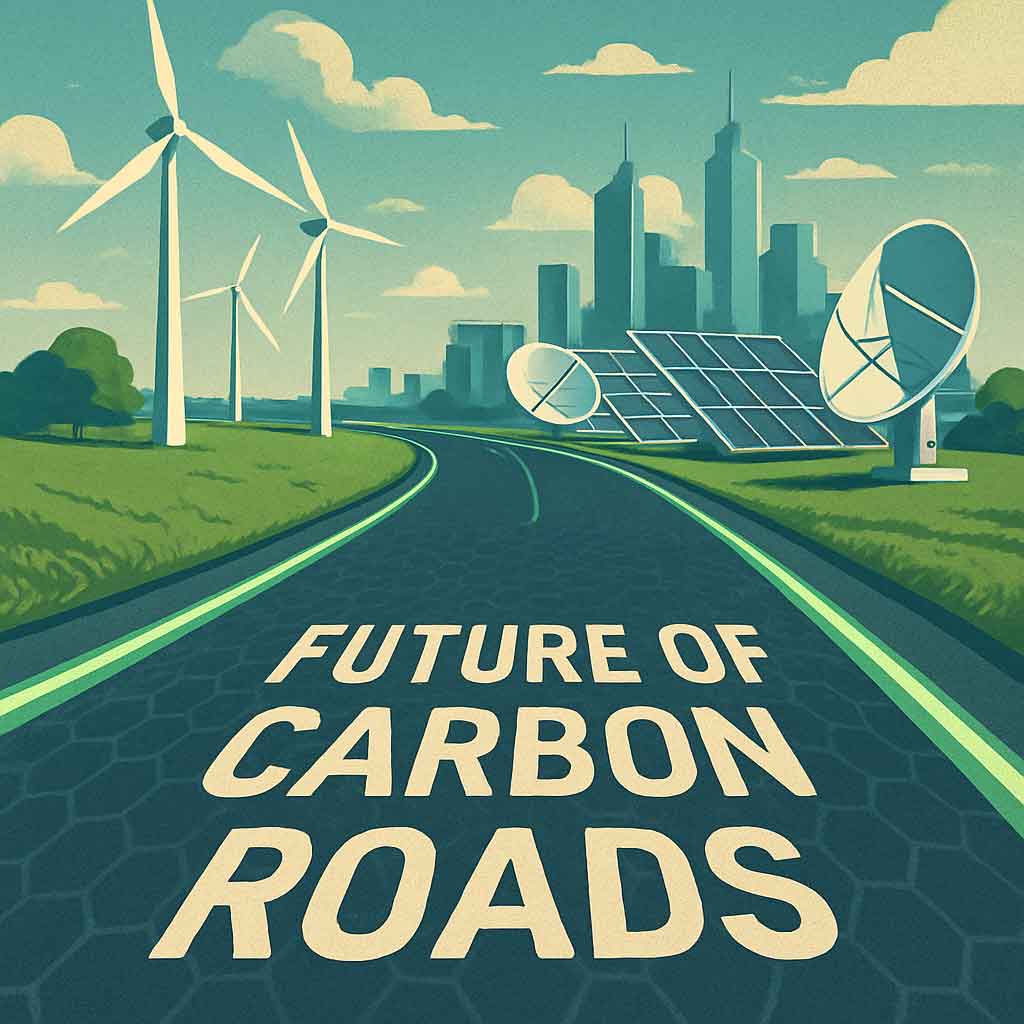
In the quest for sustainable transportation and a reduced carbon footprint, the concept of carbon roads is gaining traction. These innovative roads are designed to help combat climate change by incorporating materials that absorb carbon dioxide, offering a promising solution for the future of our infrastructure. Let's dive into the potential of carbon roads and their role in sustainable transportation.
What Are Carbon Roads?
Carbon roads, also known as carbon-absorbing roads, are a groundbreaking development in road construction technology. These roads are crafted using materials infused with carbon-capturing properties. The aim is to reduce the overall carbon footprint by absorbing CO2 emissions from vehicles and the atmosphere. This innovative approach not only contributes to reducing greenhouse gases but also enhances the durability and longevity of the road surface.
Benefits of Carbon Roads
Reduction in Carbon Footprint
One of the primary benefits of carbon roads is their ability to actively reduce the carbon footprint associated with transportation. By incorporating carbon-absorbing materials, these roads can help mitigate the impact of vehicle emissions, thus contributing to a cleaner and healthier environment.
Enhanced Durability
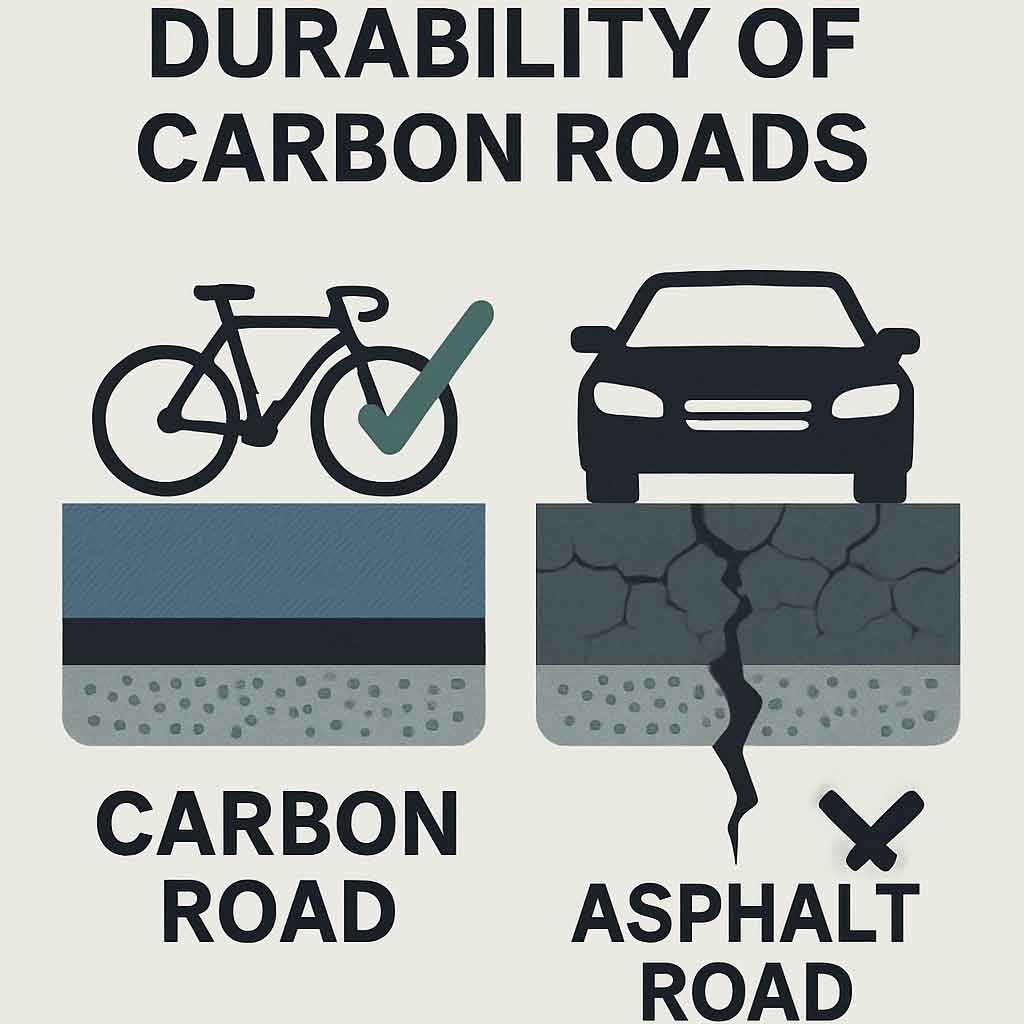
Carbon roads are not only environmentally friendly but also more durable than traditional road surfaces. The materials used in their construction are designed to withstand extreme weather conditions, reducing the need for frequent repairs and maintenance. This not only saves costs in the long run but also minimizes the disruption caused by roadworks.
The Role of Sustainable Transportation
Sustainable transportation is a crucial component in the fight against climate change. As cities grow and the demand for efficient transportation increases, finding ways to make our roads more sustainable becomes essential. Carbon roads align perfectly with this goal by providing an infrastructure solution that actively works to reduce emissions.
Integration with Other Technologies
The future of carbon roads is promising, especially when integrated with other sustainable technologies. For instance, combining carbon roads with electric vehicle charging stations and solar-powered streetlights can create a comprehensive and eco-friendly transportation network. Such integration not only maximizes the environmental benefits but also enhances the overall efficiency of urban mobility.
Challenges and Future Prospects
While the concept of carbon roads is innovative and promising, there are challenges to overcome. The initial cost of implementing these roads is higher compared to traditional roads, and there is still a need for extensive research and development to optimize the materials used. However, as technology advances and the demand for sustainable solutions grows, the prospects for carbon roads are bright.
In conclusion, carbon roads represent a significant step forward in sustainable transportation. By reducing carbon footprints and enhancing road durability, these roads offer a practical solution to the challenges posed by climate change. As we look to the future, the integration of carbon roads with other sustainable technologies will be key in creating greener and more efficient transportation systems.












 Jack Ding

