Welcome to Mondince Bike - A well-known factory specialized in produce carbon bike frame and other parts since 2007.


Unleashing Performance: The Best Gravel Bike Frame Materials Explained
Introduction
The heart of any gravel bike is its frame. It's the foundational element that determines how the bike feels, reacts, and endures the diverse challenges of gravel riding—from smooth dirt paths to rugged, unpaved adventures. Unlike road or mountain bikes, a gravel bike frame must strike a unique balance: offering stability for long distances, compliance for rough terrain, and versatility for mixed-surface exploration. At the core of this balance lies the choice of material. The frame material is the single most significant factor influencing a bike's ride quality, weight, durability, and price. Understanding the nuances of steel, aluminum, carbon fiber, and titanium is the first step to unlocking the perfect gravel experience tailored to your riding style and goals.
Steel Frame Gravel Bikes

Renowned for its classic feel and enduring strength, steel is a timeless choice for gravel bike frames. Modern "chromoly" steel alloys offer a fantastic blend of durability and ride quality.
-
Durability and Comfort: Steel's natural flex provides a smooth, damped ride quality that soaks up gravel chatter exceptionally well. It's also famously repairable, even in remote locations, and offers incredible longevity and fatigue resistance.
-
Weight Considerations: Traditional steel frames are heavier than their aluminum or carbon counterparts. However, high-end, butted steel tubing can produce remarkably light frames, though often at a premium price.
-
Key Models to Consider: Brands like Surly (Straggler, Midnight Special), All-City (Space Horse, Cosmic Stallion), and Ritchey offer iconic steel gravel frames. Thomson's titanium and steel line also showcases high-end, durable options.
Aluminum Gravel Bike Frames
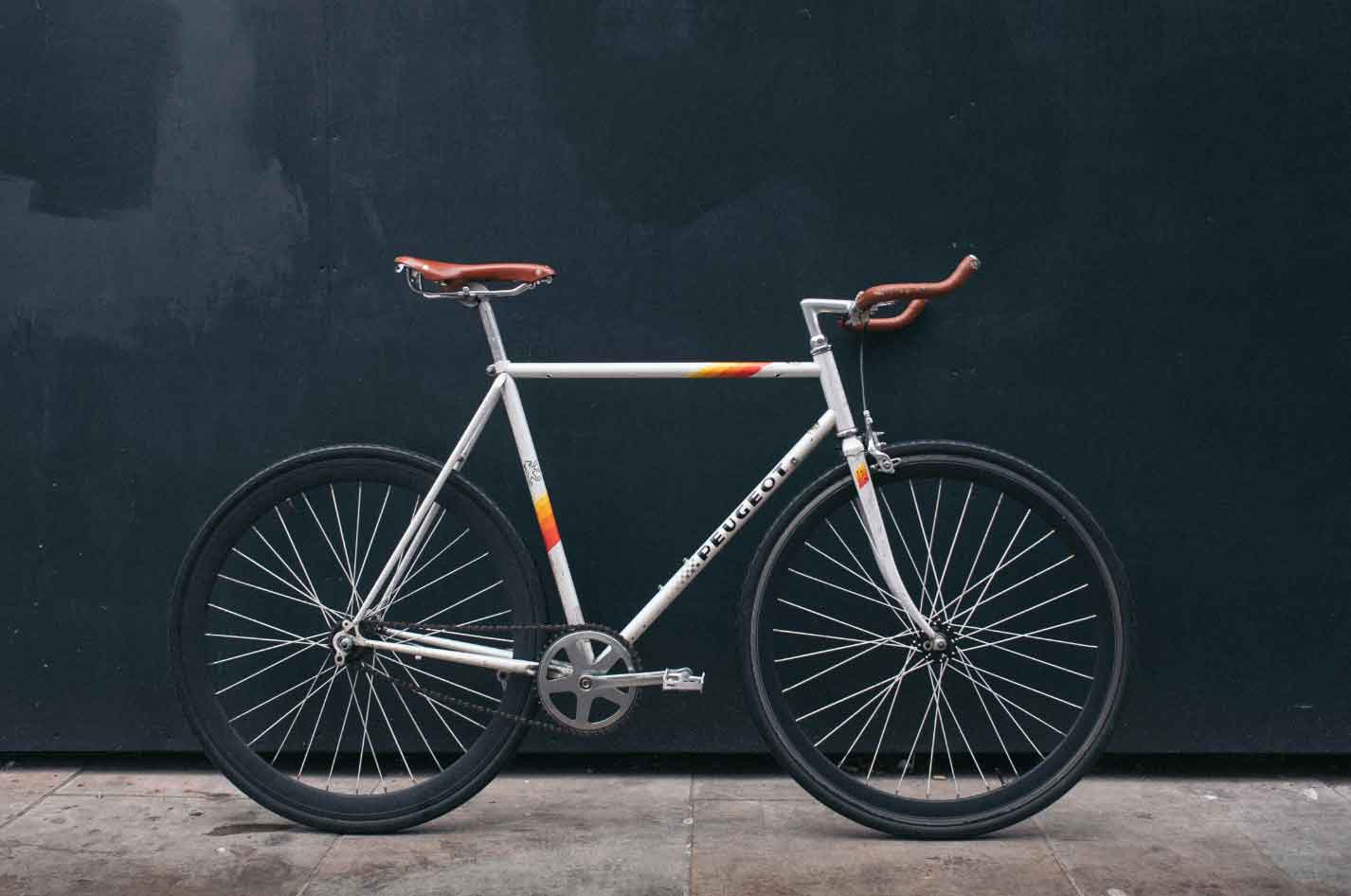
Aluminum is the workhorse of the cycling industry, offering a compelling performance-to-price ratio that makes quality gravel bikes accessible.
-
Lightweight and Cost-Effective: Aluminum alloys allow manufacturers to create very lightweight and stiff frames at a lower cost than carbon or titanium. This makes it easier to build an affordable, performance-oriented complete bike.
-
Performance vs. Price: The stiffness of aluminum translates to efficient power transfer. However, this stiffness can sometimes result in a harsher ride than steel or carbon. Advanced engineering, such as shaped tubing and compliant rear triangles, is often used to improve comfort.
-
Best Aluminum Options: Many major brands offer excellent aluminum gravel frames as entry-point or high-value models. The Specialized Diverge E5 series is a prime example, as are aluminum models from Cannondale (Topstone) and Giant (Revolt).
Carbon Fiber Gravel Bike Frames
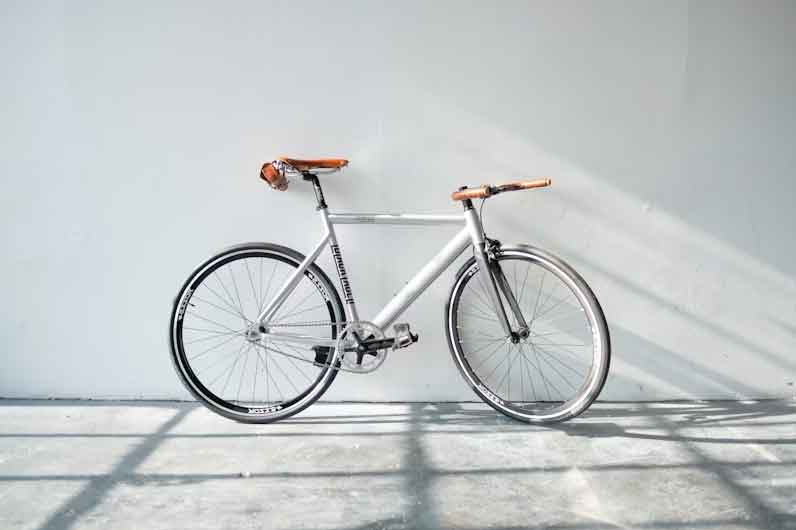
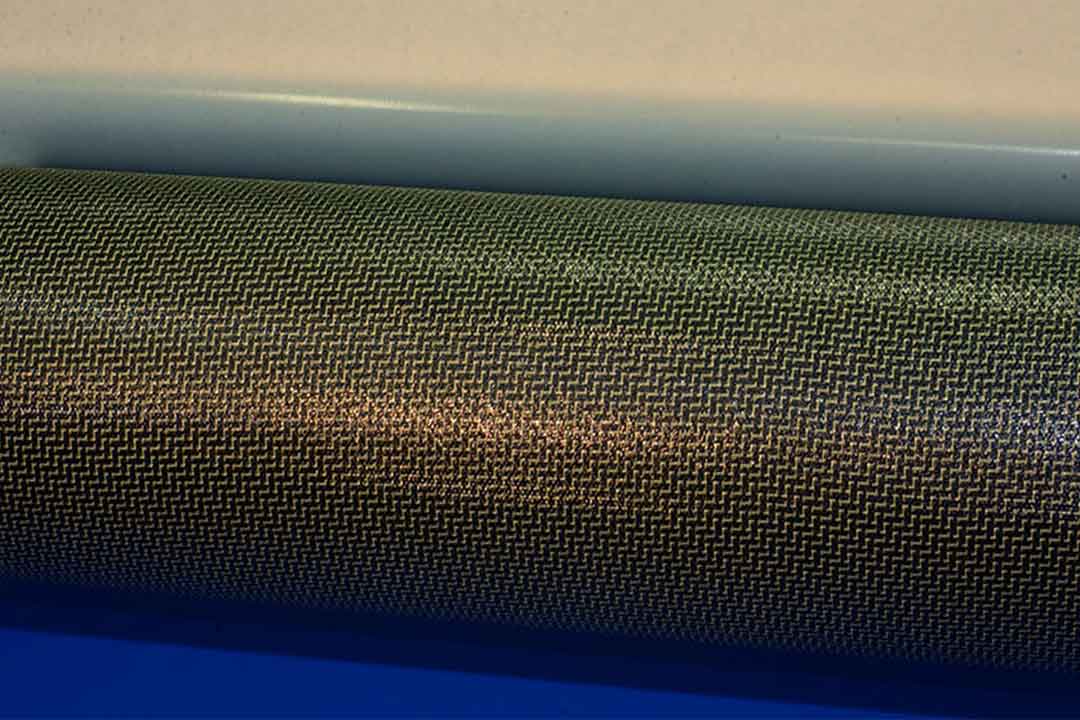
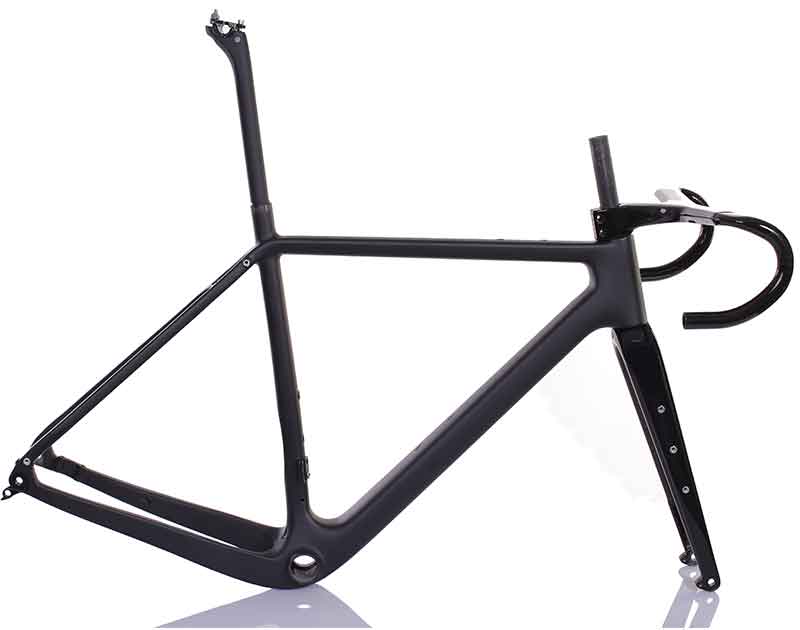
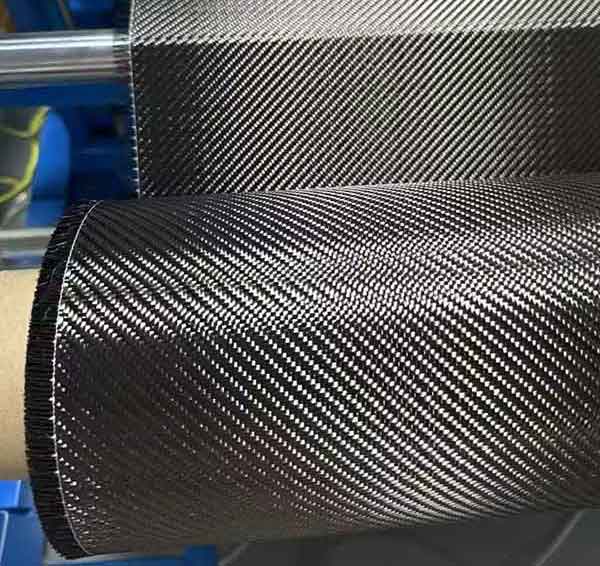
Carbon fiber represents the pinnacle of performance-oriented gravel bike frame engineering, offering unmatched design flexibility.
-
High Performance and Stiffness: Carbon allows engineers to precisely tune stiffness in specific directions (like the bottom bracket for pedaling efficiency) while building in compliance in others (like the seat stays for comfort). This results in a bike that is both incredibly responsive and surprisingly smooth.
-
Price Point and Durability: This performance comes at the highest cost. Durability is excellent for impact fatigue, but carbon can be susceptible to sharp, direct impacts. Repairs are possible but specialized.
-
Leading Brands and Models: Specialized (S-Works Diverge), State Bicycle Co. (Carbon All-Road series), and Cervelo (Áspero) are leaders in carbon gravel technology. These brands leverage carbon's properties to create lightweight, stiff, and feature-rich frames.
Titanium Gravel Bike Frames
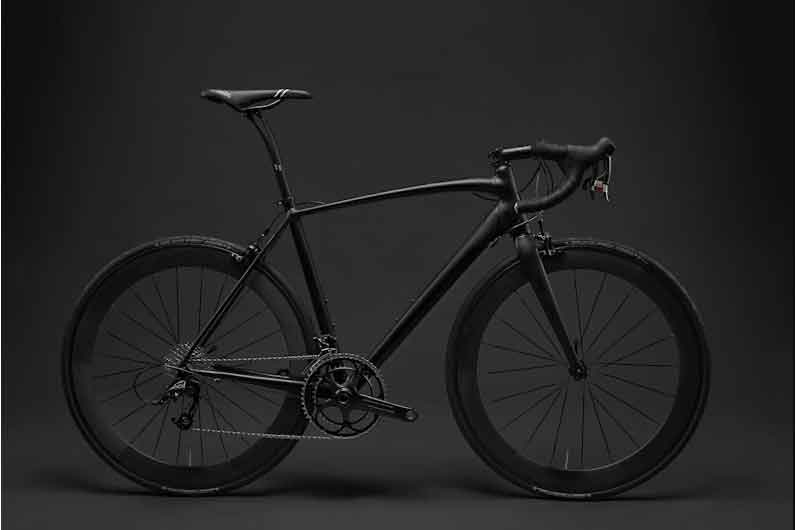
Titanium (or "ti") is the dream material for many, combining the best attributes of other materials into one luxurious, long-lasting package.
-
Unique Characteristics and Benefits: Titanium offers a ride quality similar to steel—resilient and comfortable—but is significantly lighter and completely corrosion-resistant. It has a unique "lively" or "springy" feel that many riders cherish.
-
Weight vs. Strength: It boasts an exceptional strength-to-weight ratio, rivaling high-end steel and aluminum. The material itself is incredibly durable and will last a lifetime.
-
Top Titanium Choices: Brands like Moots, Lynskey, and Why are renowned for their titanium craftsmanship. As seen in the SERP, Thomson also offers premium titanium gravel frames and bikes, known for their minimalist design and superb ride quality.
Comparison of Gravel Bike Frame Materials
| Material | Pros | Cons | Best For |
|---|---|---|---|
| Steel | Smoothest ride, highly durable, easily repairable, classic aesthetics. | Heaviest (generally), can rust if not cared for. | Adventure tourists, long-distance riders, and those who value ride feel over minimal weight. |
| Aluminum | Lightweight, very stiff/efficient, most affordable, low maintenance. | Can transmit more road vibration; less compliant than steel, carbon, or ti. | Budget-conscious riders and performance seekers wanting the lightest bike for their money. |
| Carbon Fiber | Lightest, stiffest, most tunable ride characteristics, modern features. | Most expensive, potential for impact damage, specialized repairs. | Competitive gravel racers and riders seeking the highest performance and technological edge. |
| Titanium | Lively ride quality, corrosion-proof, exceptional durability, lifetime frame. | Very high cost, limited model availability. | Discerning riders looking for a "forever bike" that blends comfort, lightness, and longevity. |
Choosing the Right Frame for Your Riding Style: Consider your priorities. Is it budget (Aluminum), comfort and adventure (Steel), all-out performance (Carbon), or a lifetime investment with a sublime feel (Titanium)? Test riding different materials is the best way to understand these differences firsthand.
Conclusion
Selecting your gravel bike frame is a deeply personal decision that hinges on the intersection of your budget, riding ambitions, and desired ride feel. Steel offers timeless comfort and durability. Aluminum delivers proven performance at an accessible price. Carbon fiber provides the cutting-edge in lightweight, tunable performance. Titanium presents a premium, lifelong blend of resilience and lively character.
There is no single "best" material—only the best material for you. By weighing the pros and cons of each against your personal gravel goals, you can confidently choose a frame that will truly unleash your performance on every road, path, and trail you explore.






 Jack Ding

