Welcome to Mondince Bike - A well-known factory specialized in produce carbon bike frame and other parts since 2007.


Exploring the Benefits of Light Carbon Gravel Frames
The biggest advantage of a high-tech carbon fiber bike isn't just that it's lightweight. It's a hidden quality that makes the difference between finishing a ride feeling energized versus feeling completely beaten up, especially when you leave the perfect pavement behind. This all comes down to choosing the right tool for the job.
For a long time, common knowledge suggested you only had two choices. Think of it like footwear: a road bike is like a stiff dress shoe, built for speed on smooth surfaces, while a mountain bike is a heavy hiking boot, designed for rugged, technical terrain. Trying to use one for the other’s purpose feels awkward and inefficient. A gravel bike, however, creates a new category.
- Road Bike: For speed on pavement.
- Mountain Bike: For rough, technical trails.
- Gravel Bike: For a mix of everything in between.
This is where the magic of a modern gravel bike comes in. It’s the versatile trail runner of the cycling world. Its unique shape and advanced frame material—often carbon fiber—are engineered to be fast on the road but comfortable and capable when you turn onto a dirt path or bumpy lane. How this balance is achieved is key to choosing a frameset material that gives you the freedom to explore, not just commute.
Why the Frame is Your Bike's Skeleton (And Its Soul)
Think of a bike's frame as its skeleton. It’s the core structure that holds everything together, from the wheels to the handlebars. But it does much more than that; it defines the bike's entire personality—its soul. How a bike feels on a bumpy road, how quickly it springs into action when you pedal, and how confident you feel on a winding path are all dictated by the frame. This single component is the foundation for your entire riding experience.
For decades, that foundation was built from either steel or aluminum. Steel is the classic choice, prized for comfort but often heavy. Aluminum struck a balance, offering a lighter, more affordable option for the masses. The real revolution, however, came with carbon fiber. This is the material behind today’s ultralight gravel bike frameset designs, a component that completely changes the equation for performance and has a surprisingly low carbon fiber gravel frame weight.
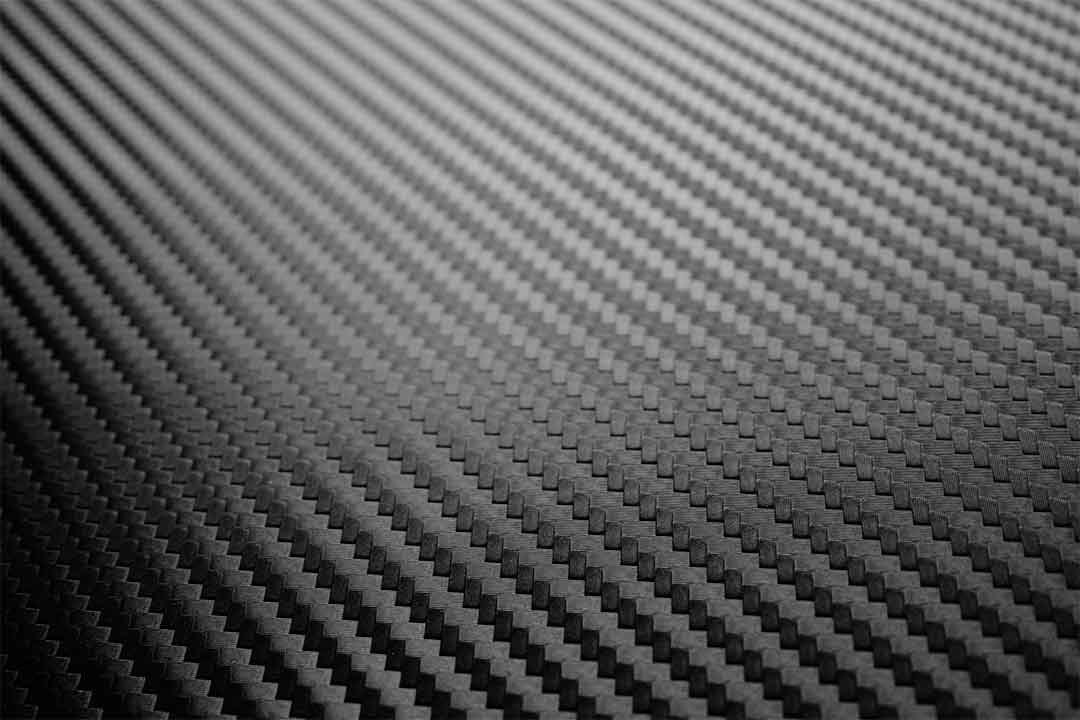
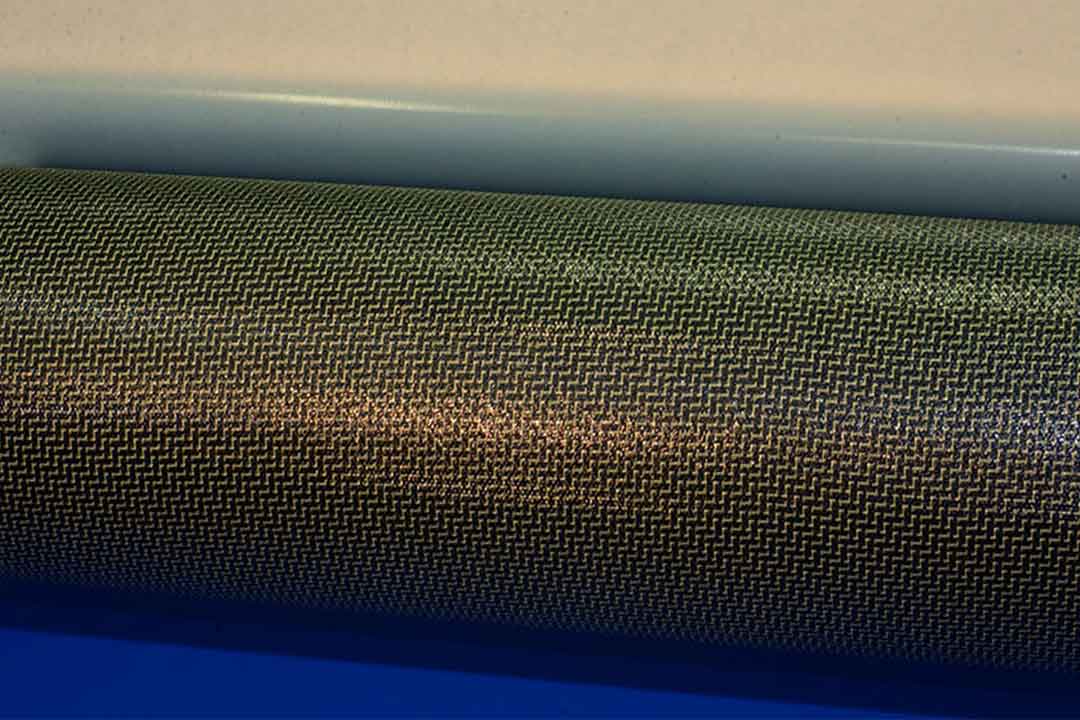
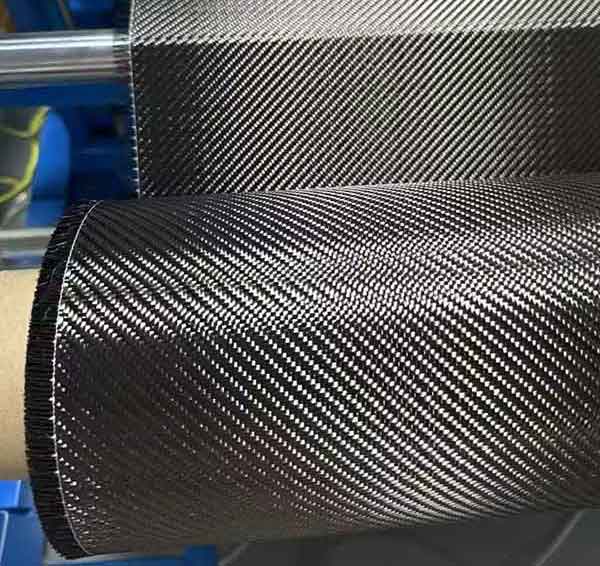
So, what exactly is carbon fiber? It’s not just a fancy plastic. Imagine it like reinforced concrete: strong steel bars (rebar) are set inside the concrete to give it incredible strength. Carbon fiber works the same way, using incredibly strong, woven carbon threads suspended in a hardened polymer resin. This composite structure is what allows engineers to fine-tune a frame's properties—making it both fantastically strong and incredibly light. Of all its benefits, the most immediate one you’ll feel is its lack of weight.
The First Big Win: Why a Lighter Frame Makes Your Ride Easier
That dramatic drop in weight is the first thing you'll notice about a modern carbon frame, and its benefits are immediate. Think about carrying a heavy backpack all day versus a light one; the less weight you haul, the more energy you have. It’s exactly the same on a bike. Every time you push the pedals, you're moving the combined mass of you and your bike. A lighter bike simply requires less effort to get up to speed and keep it there.
This advantage becomes crystal clear the moment the road points uphill. A lower carbon fiber gravel frame weight fundamentally changes the feeling of climbing. Instead of grinding against gravity, you feel more buoyant, as if the bike wants to climb with you. Each pedal stroke feels more effective, conserving precious energy that you can use to ride farther or simply enjoy the view from the top without being completely exhausted.
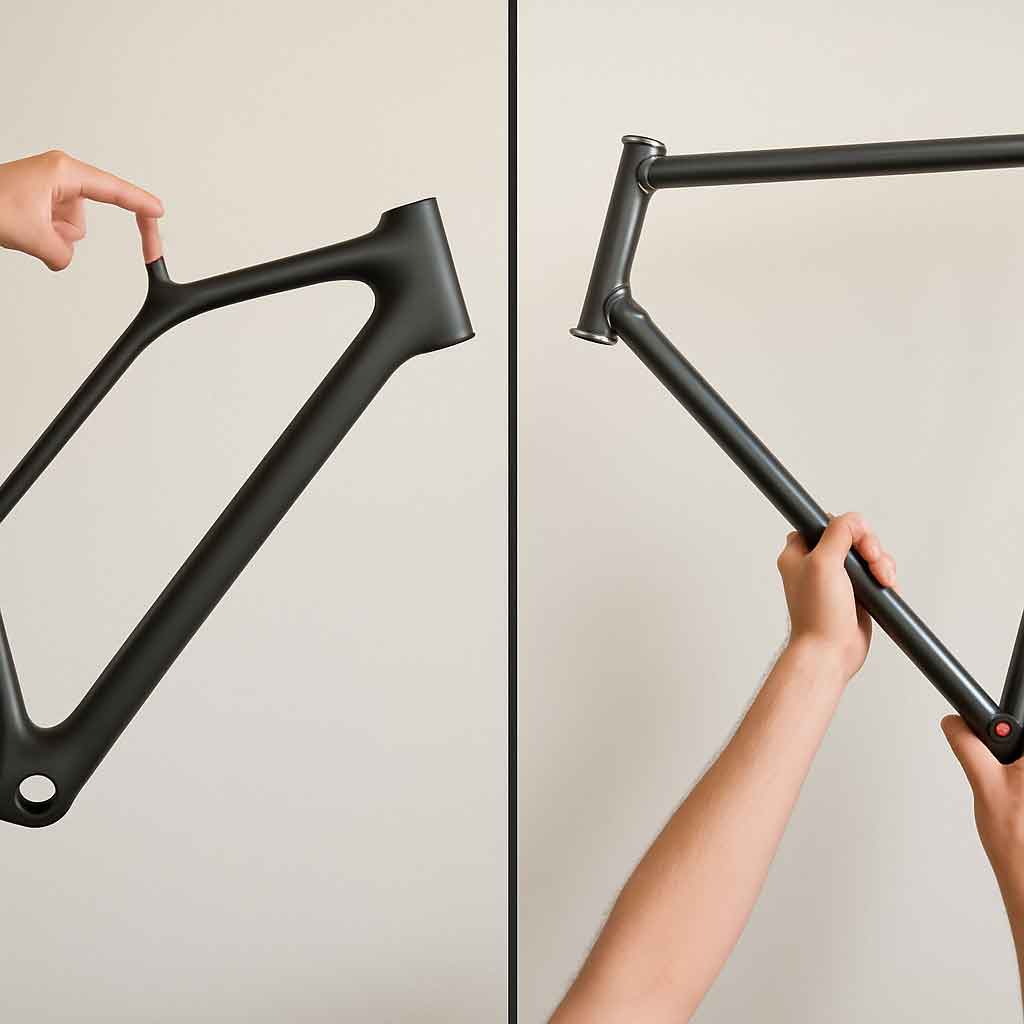
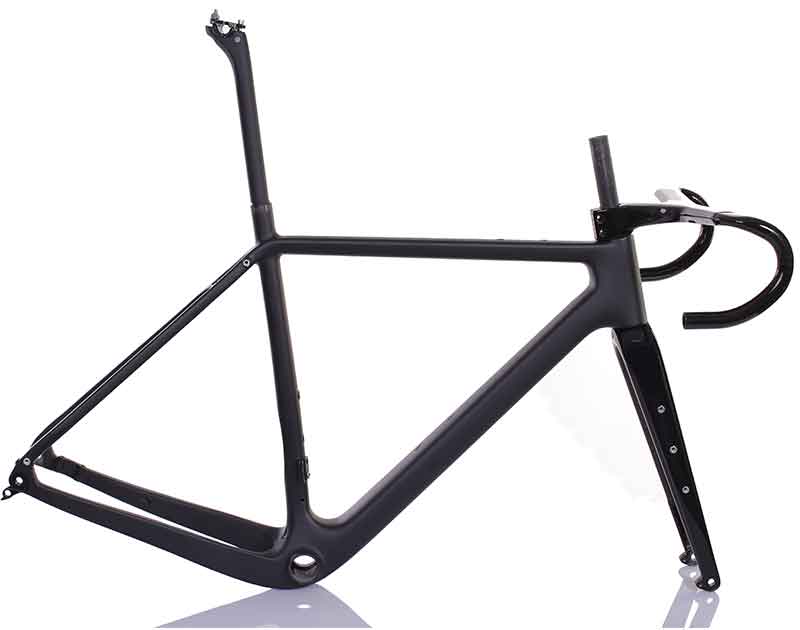
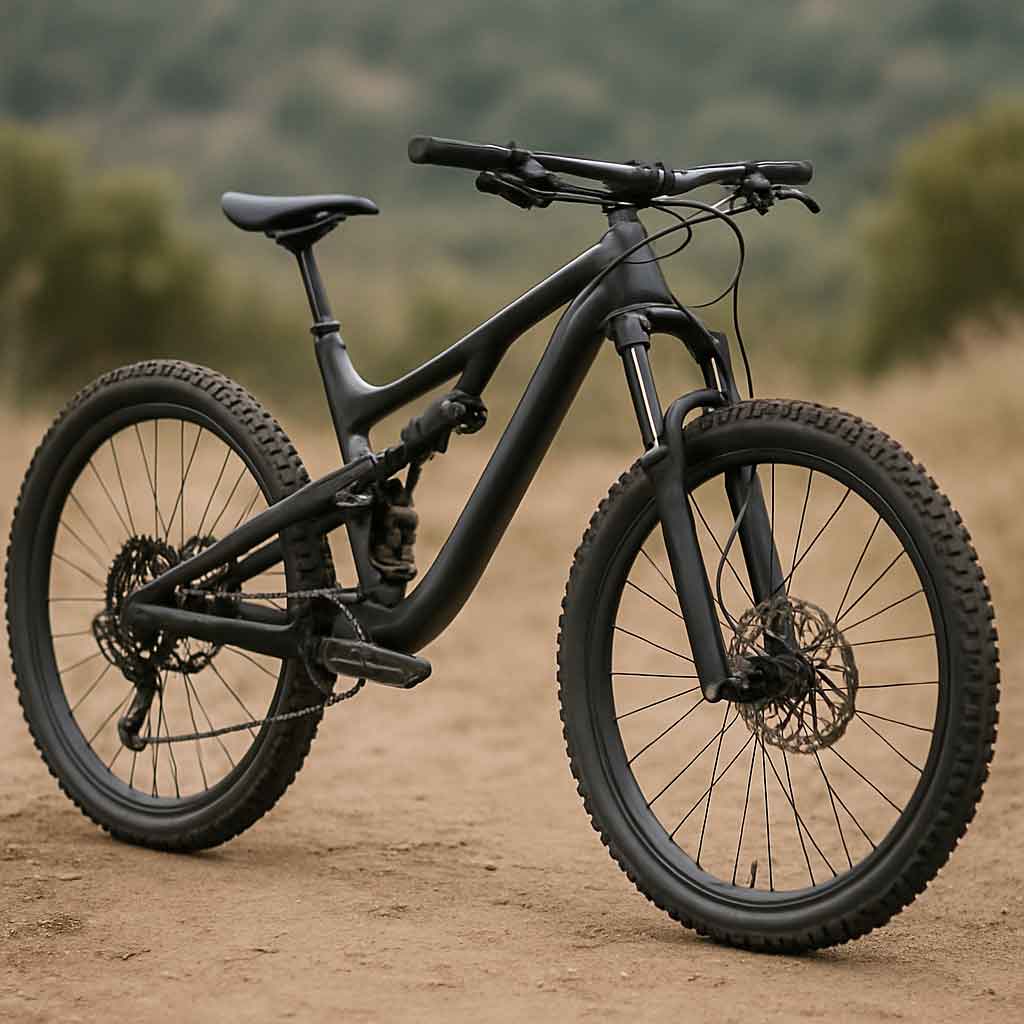
The benefits of an ultralight gravel bike frameset aren't just for when you're pedaling, either. A lighter bike is simply less awkward to live with. It’s easier to lift onto a car rack, carry up a flight of stairs to your apartment, or maneuver through a tight space in the garage. As the image shows, the difference can be dramatic, making the bike feel less like a hefty piece of machinery and more like a nimble tool for adventure.
While the weight savings—often equivalent to a couple of full water bottles compared to older materials—is a fantastic and easily understood perk, it's only the most obvious advantage. The true genius of a light carbon gravel frame isn't just about what's missing, but what engineers have skillfully built into its very fibers. This is where the hidden magic of carbon begins to reveal itself.
The Hidden Magic of Carbon: Engineering a "Smooth" Ride
While being light is great, carbon’s real superpower is its dual personality. Unlike a simple metal pipe that's uniformly stiff, a carbon frame can be engineered to be two things at once. It’s like having a material that knows where to be rigid and where to be forgiving. This engineered feel is what transforms the ride from simply "lighter" to fundamentally "better," especially when the pavement ends.
Think about the area where your pedals attach to the frame. You want that part to be incredibly rigid so that every ounce of your effort goes directly into moving the bike forward. Engineers achieve this by arranging carbon fiber sheets in specific directions, creating a rock-solid platform. It’s the difference between jumping on solid ground versus jumping on a trampoline—one transfers all your energy, while the other absorbs it. For pedaling, you want the solid ground.
But on a bumpy gravel road, a frame that feels like solid ground would be painfully harsh. This is where carbon’s other personality shines. Away from the pedaling zones, the frame can be designed to flex vertically in a controlled way, soaking up the constant chatter and buzz from the trail. These carbon frame vibration damping benefits work like the suspension in a car, smoothing out the ride so your body doesn't have to absorb every little impact. This tunable comfort is a major point of discussion in any carbon vs titanium gravel frame comparison, as carbon offers a unique level of engineered forgiveness.
So, what does this all mean for you on a long ride? It’s simple: you stay fresher, longer. That constant, high-frequency vibration from gravel and rough pavement quietly drains your energy and leads to fatigue in your hands, back, and shoulders. By filtering out that harshness, a well-made carbon frame saves your energy, reduces soreness, and keeps you comfortable enough to enjoy the adventure for hours. This unique combination of efficiency and comfort is the core reason so many riders feel a quality carbon frame is an investment in better rides. But that raises the big question: is a carbon gravel frame worth it for you?
Is a Carbon Gravel Frame Worth the Extra Cost?
That's the million-dollar question, isn't it? After hearing about carbon’s dual benefits, it's natural to wonder if the price tag is justified. The answer really depends on what you value in a ride. To decide if a carbon gravel frame is worth it, it helps to see where it fits among the other common materials. Think of it as a simple "good, better, best" scale where the primary trade-off is between cost and ride refinement.
Your baseline is typically aluminum. It’s the trusty workhorse of the bike world—strong, light enough for most, and much easier on the wallet. An aluminum frame gets the job done reliably, but its one-note stiffness means you tend to feel more of the road's chatter. It's perfectly capable, but that buzz from a long gravel road can add up, leaving you feeling more tired.
The extra money for carbon buys you out of that fatigue. While the question of how much does a carbon gravel frame cost varies, you're paying for that engineered comfort we talked about. It's the ability to have a bike that’s both an efficient sprinter and a smooth cruiser. As technology improves, the best affordable carbon gravel frame options are getting closer in price to high-end aluminum, making the decision more about ride quality than pure budget.
So, who is it for? If your adventures are mostly shorter rides on smoother paths, an aluminum bike is a fantastic and sensible choice. But if you dream of riding all day, want to explore rougher roads without feeling beaten up, or simply want the most comfortable and efficient experience possible, the investment in carbon starts to pay for itself in the form of more energy and bigger adventures.
Beyond the Material: Two Simple Features to Look For
While the carbon material itself does the heavy lifting for comfort and weight, the smartest frame designs include other clever features that elevate your ride. A great frame isn’t just about what it’s made of; it’s about how thoughtfully it’s designed. When you’re looking at a modern carbon gravel bike, there are two simple but significant details that reveal a lot about its purpose: tire clearance and internal cable routing. These features are easy to spot and tell a story of comfort and quality.
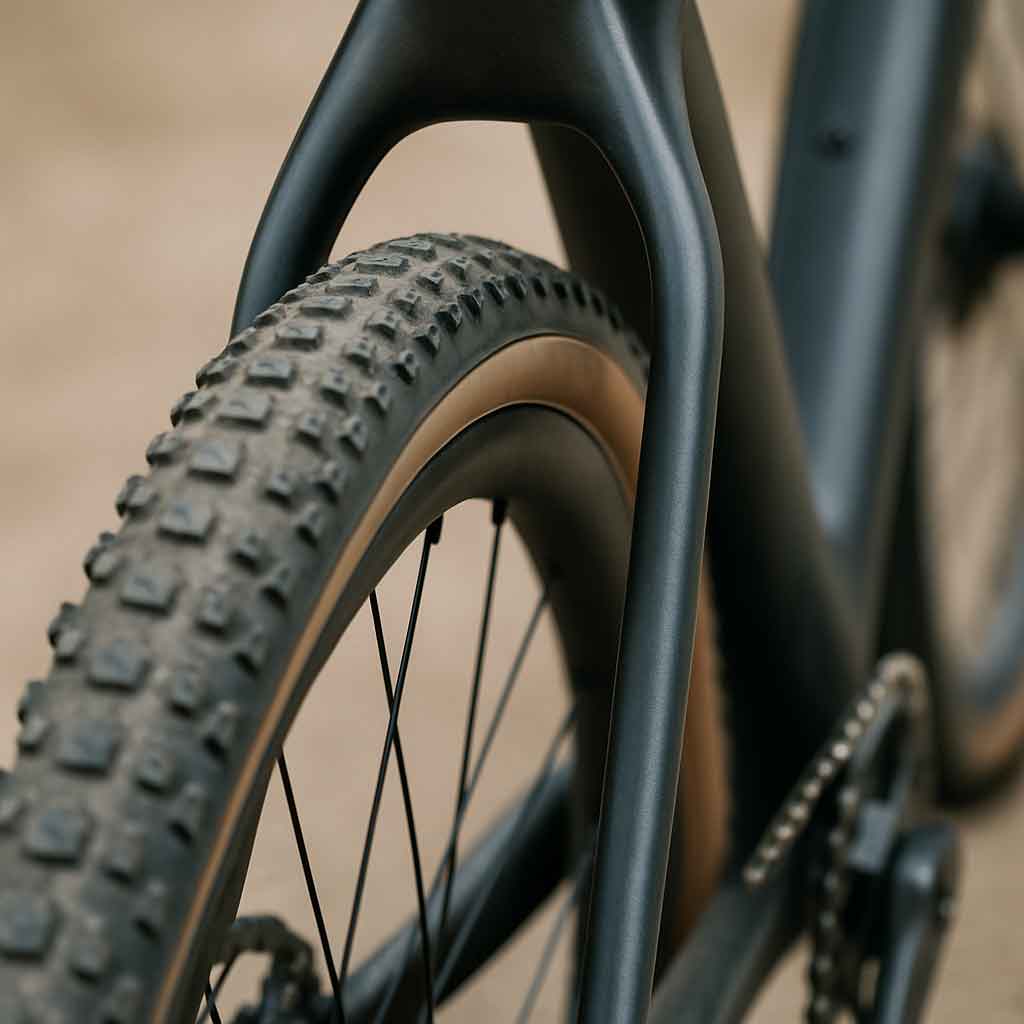
The first, tire clearance, is simply the amount of open space the frame has around the wheels. Think of it like choosing running shoes: you wouldn't wear thin-soled racing flats on a rocky trail. Generous tire clearance allows you to fit wider, more voluminous tires. These fatter tires act like built-in shock absorbers, using the air inside them to cushion you from bumps and vibrations. A simple gravel frame tire clearance guide is that more space equals more potential for a plush, comfortable ride on rough surfaces.
The other detail to notice is how the bike’s cables are managed. A gravel frame with internal cable routing tucks the brake and gear lines inside the frame itself. The immediate benefit is a sleek, uncluttered look—like the difference between wireless headphones and a tangle of cords. But it’s also practical. This design protects the cables from mud, grit, and snags, which means they work more smoothly for longer. Paying attention to these elements is a key part of what to look for in a carbon gravel frameset, as they signal a focus on both performance and user experience.
Your Ride, Your Freedom: What a Carbon Frame Unlocks for You
What was once just a metal triangle is now a story in design. A frame isn't just holding the wheels on; it's the bike's very skeleton, engineered to be both a powerful engine for your effort and a smooth filter for the road ahead.
This combination of low weight and engineered comfort is what makes exploring the benefits of light carbon gravel frames so exciting. It’s what gives you the energy to go farther and the confidence to turn down an unknown path. This technology isn't just for elite racers; it’s the key to making a custom build gravel bike carbon feel less intimidating and more inviting, unlocking new possibilities from short explorations to finding the best lightweight frame for bikepacking adventures.
So the next time you see a bicycle, you won't just see a machine; you'll see a tool designed for a specific feeling—the feeling of effortless exploration. To truly understand it, you don't need to read another article. Next time you're near a bike shop, just do one thing: ask to pick up a carbon bike. That surprising lack of weight is the first step in feeling for yourself just how far modern technology can take you.







 Jack Ding

