Welcome to Mondince Bike - A well-known factory specialized in produce carbon bike frame and other parts since 2007.


Tips for Selecting Mountain Bike Sizes
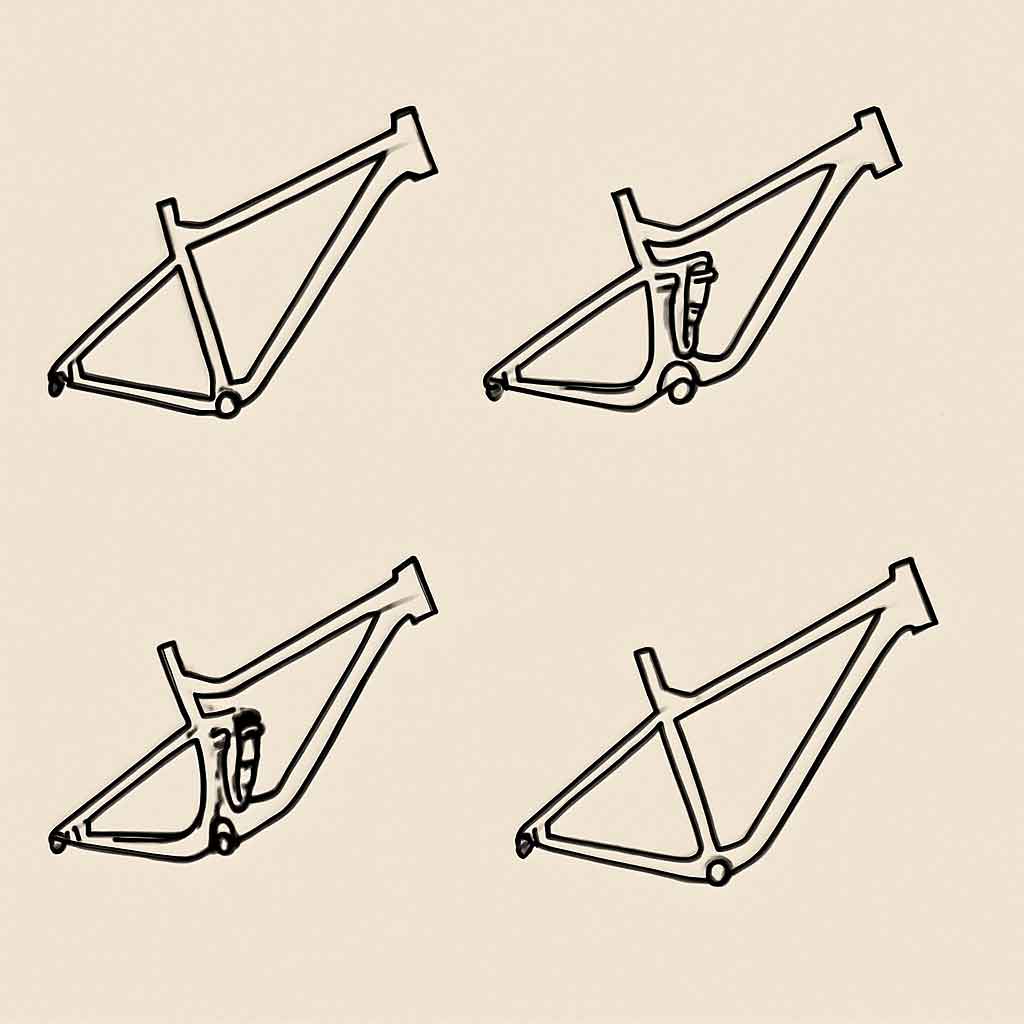
The frame size is the cornerstone of mountain bike sizing. It determines how the bike fits your body and affects your overall riding experience. Frame sizes are typically measured in inches or centimeters, indicating the length of the seat tube. This measurement is crucial because it directly impacts your seating position and pedaling efficiency. However, it's important to note that frame size alone doesn't determine the perfect fit; other factors like wheel size and your body proportions also play significant roles. A well-sized frame ensures that you can maneuver the bike effectively and maintain a comfortable posture during long rides.
Common Frame Sizes
- 13-15 inches: Generally suitable for riders under 5'5". These sizes often cater to younger riders or adults with smaller stature, providing a compact and manageable ride.
- 16-17 inches: Ideal for riders between 5'5" and 5'9". This range offers a versatile fit for a wide array of riders, balancing agility and stability.
- 18-19 inches: Fits riders from 5'9" to 6'0". Known for providing a comfortable ride for taller riders while still maintaining a responsive feel.
- 20-21 inches: Best for riders between 6'0" and 6'3". These sizes are designed for those who need a longer reach and more room to maneuver.
- 22-23 inches: Suitable for riders taller than 6'3". These frames provide the necessary support and dimensions for the tallest of riders, ensuring stability and control.
How to Measure Your Frame Size
To measure the right frame size, stand with your feet flat on the ground and measure the distance from the ground to your crotch. This measurement, known as your inseam, helps determine the appropriate frame size. It's a straightforward process that ensures you're starting with the right base measurement. You can also consult a mountain bike sizing chart to match your height and inseam to the correct frame size. This chart acts as a helpful guide, but remember, personal comfort should always be the deciding factor. Additionally, when measuring, make sure to wear the shoes you plan to ride in, as they can affect your inseam measurement slightly.
Wheel Sizes and Their Impact
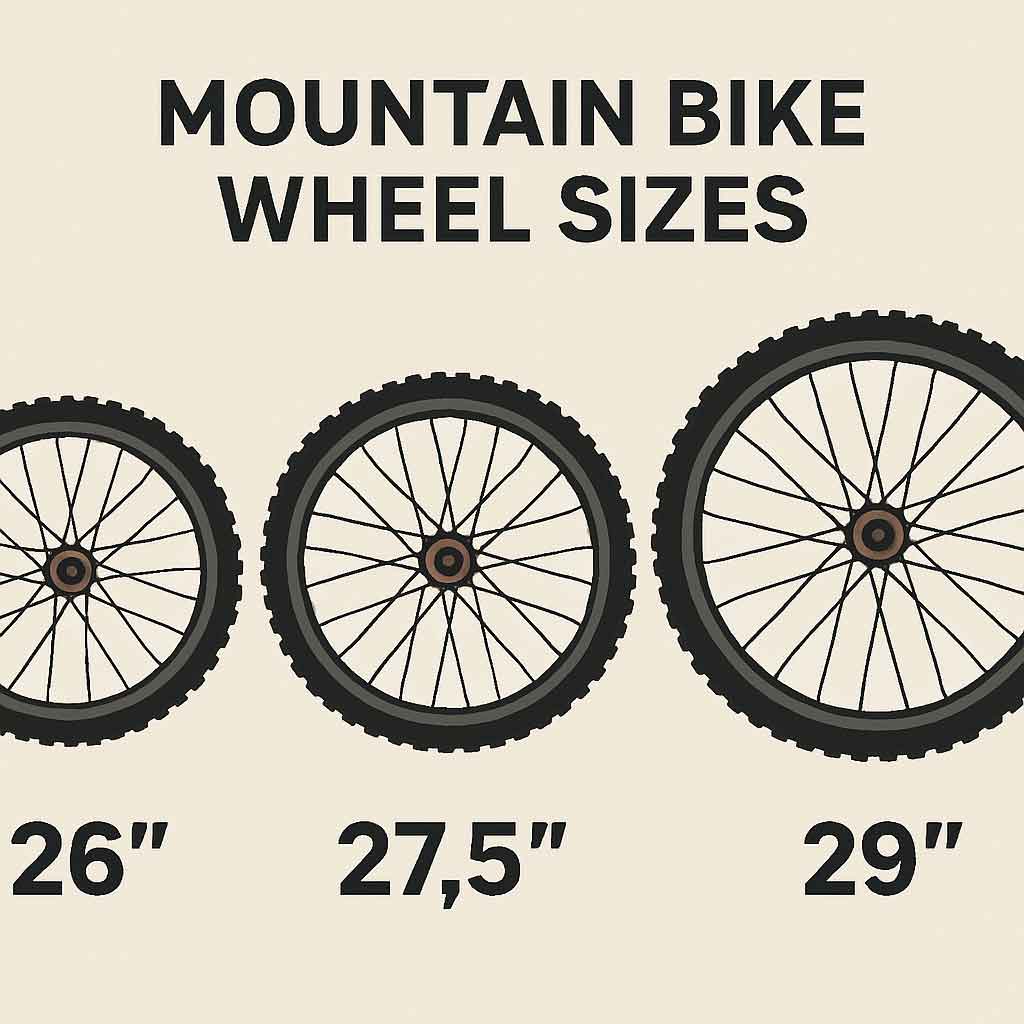
Wheel size is another critical factor in mountain bike sizing. It influences how the bike handles different terrains and affects your riding style. The right wheel size can enhance your ability to navigate trails, climb efficiently, and descend with confidence. Choosing the wrong wheel size might hinder your performance and make certain trails feel more challenging than they should be. Understanding the strengths and limitations of each wheel size will help you tailor your bike to your specific needs and the types of trails you enjoy.
Common Wheel Sizes
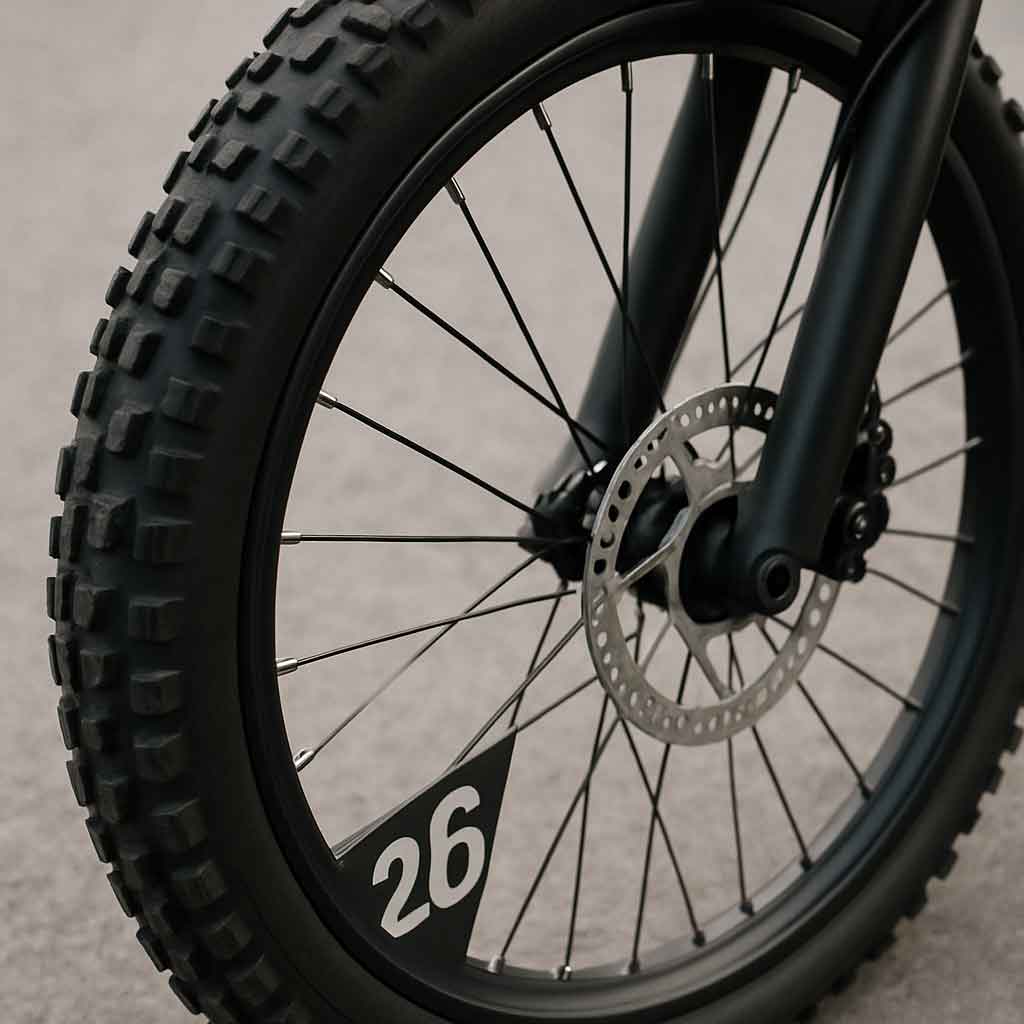
- 26-inch wheels: These are traditional mountain bike wheels, offering agility and responsiveness, suitable for technical trails. Known for their quick handling and ability to navigate tight turns, they are favored by riders who prioritize nimble movements.
- 27.5-inch wheels (650B): A popular choice for balanced performance, providing a mix of agility and roll-over capability. They offer a compromise between the nimble feel of 26-inch wheels and the momentum of 29ers.
- 29-inch wheels: Ideal for riders seeking speed and efficiency, these wheels offer better roll-over on obstacles and maintain momentum. They are perfect for cross-country riders who value speed and the ability to tackle rough terrain with ease.
When selecting a mountain bike, consider your riding style and the terrain you'll be tackling to choose the appropriate wheel size. For instance, if you prefer fast descents and technical trails, a 27.5-inch wheel might be your best bet. Conversely, if long-distance rides on varied terrains are your preference, a 29-inch wheel could be more suitable. The choice of wheel size can also affect your bike's overall weight and how it handles, so take these factors into account when making your decision.
The Role of Geometry in Mountain Bike Sizing
Mountain bike geometry refers to the angles and lengths of various components of the bike, which collectively influence its handling and feel. Geometry can affect everything from your posture on the bike to how it responds to steering inputs. Understanding the nuances of geometry can help you select a bike that aligns with your riding style and personal preferences. It's an often overlooked aspect of bike selection, but it can dramatically affect your comfort and performance on the trail.
Key Geometry Terms
- Top Tube Length: Affects the reach and riding position. Longer top tubes provide a stretched-out feel, while shorter ones offer a more upright position. This measurement is crucial for ensuring you have enough space to maneuver without feeling cramped.
- Head Tube Angle: Influences steering responsiveness. Slacker angles provide stability at high speeds, while steeper angles enhance maneuverability. This can affect how your bike handles on different types of terrain and at varying speeds.
- Seat Tube Angle: Impacts pedaling efficiency. Steeper angles position the rider over the pedals for better power transfer. A good balance here ensures that you can pedal efficiently whether climbing or sprinting.
Understanding these terms can help you make informed decisions when comparing different mountain bikes. Each brand may have slight variations in geometry, so it's crucial to test ride a few models to find one that matches your preferences. The geometry of a bike can make it feel completely different from another bike with the same frame size, so take the time to understand how these measurements impact your ride.
Hybrid and MTB Sizing Charts
While mountain bikes have their unique sizing considerations, hybrid bikes also offer versatility for riders who enjoy both on-road and off-road cycling. Hybrid bikes blend elements of road and mountain bikes, offering a comfortable ride across various terrains. Hybrid frame size charts typically align closely with mountain bike sizing, but it's always wise to consult specific charts for precise measurements. This ensures that whether you're commuting through the city or exploring trails, you're doing so on a bike that fits well.
Hybrid bikes often have a more upright geometry compared to mountain bikes, which can make them more comfortable for casual riding. This upright position can reduce strain on your back and shoulders, making long rides more enjoyable. When choosing a hybrid bike, consider where you'll be riding most often and select a size that accommodates that style of riding. Many bike shops offer test rides, which can be invaluable in finding the right fit and feel.
Tips for Choosing the Right Mountain Bike Size

by Clayton Cardinalli (https://unsplash.com/@clayton_cardinalli)
Choosing the right mountain bike size involves a combination of personal measurements, riding style, and terrain preferences. Here are some tips to guide your decision:
- Use a Sizing Chart: Start with a reliable mountain biking size chart to narrow down your options based on your height and inseam. These charts provide a great starting point and can help eliminate sizes that are clearly too big or small.
- Consider Your Riding Style: If you prefer aggressive downhill rides, opt for a longer frame for stability. For technical trails, a smaller frame might offer better control. Your riding style can dramatically influence the size that feels most comfortable and responsive.
- Test Ride Different Sizes: Whenever possible, visit a local bike shop and test ride different sizes. This firsthand experience can help you determine the best fit. Feeling the difference in size and geometry can clarify what works best for your body and riding style.
- Adjust for Comfort: Remember that minor adjustments to the seat height, handlebar position, and stem length can fine-tune your fit for optimal comfort. Even a well-sized bike can benefit from these tweaks to ensure maximum comfort and efficiency.
- Consult Experts: If you're unsure, seek advice from bike shop professionals or experienced riders. They can provide valuable insights based on your specific needs. Their expertise can guide you to a bike that not only fits but enhances your riding experience.
Frequently Asked Questions
What Size Mountain Bike Should I Get?
The ideal size depends on your height, inseam, and riding style. Use a sizing chart as a starting point and test ride different sizes to find the best fit. Consider how each size feels in terms of control and comfort, as these elements are crucial for an enjoyable ride.
How Do You Measure the Size of a Mountain Bike?
Measure from the center of the bottom bracket to the top of the seat tube. This measurement corresponds to the frame size. It's a straightforward process that gives you a solid starting point for finding a bike that suits your stature.
How Long Is a Bike with 29-Inch Wheels?
The length of a 29-inch wheel bike varies depending on the frame size and geometry. Generally, these bikes are slightly longer than those with smaller wheels. This additional length can provide more stability and a smoother ride over rough terrain.
What Is the Difference Between a 16 and 21-Inch Frame?
A 16-inch frame is smaller and typically suited for shorter riders, while a 21-inch frame is larger and accommodates taller individuals. The differences impact riding comfort and control. A properly sized frame ensures you can ride efficiently and comfortably, reducing the risk of fatigue or injury.
Conclusion
Choosing the right mountain bike size is essential for an enjoyable and safe riding experience. By understanding frame sizes, wheel sizes, and bike geometry, you can make informed decisions and select a mountain bike that suits your needs. Remember, comfort and performance should go hand in hand, so take your time to find the perfect fit. With the right size, you'll be ready to conquer any trail that comes your way. Investing the effort into finding the perfect size will pay off in the long run, offering you a more enjoyable and rewarding biking experience every time you hit the trails.






 Jack Ding

