Welcome to Mondince Bike - A well-known factory specialized in produce carbon bike frame and other parts since 2007.


Applications of Carbon Fiber Sheets Explained
Carbon fiber sheets have surged in popularity across various industries, thanks to their exceptional properties. Renowned for their unparalleled strength, lightweight nature, and adaptability, carbon fiber sheets offer significant advantages over traditional materials such as steel and aluminum. This article delves into the myriad applications of carbon fiber sheets and the reasons they are favored across different sectors.

What is Carbon Fiber?
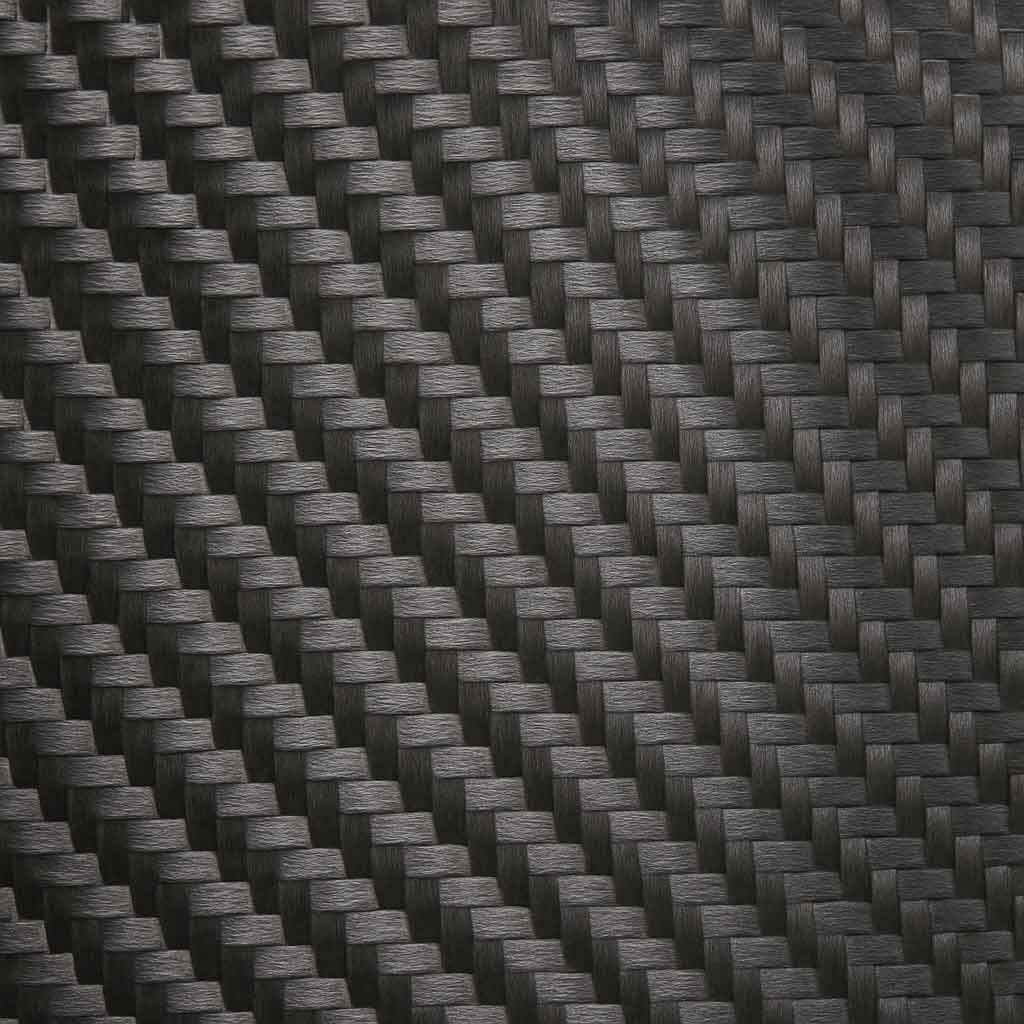
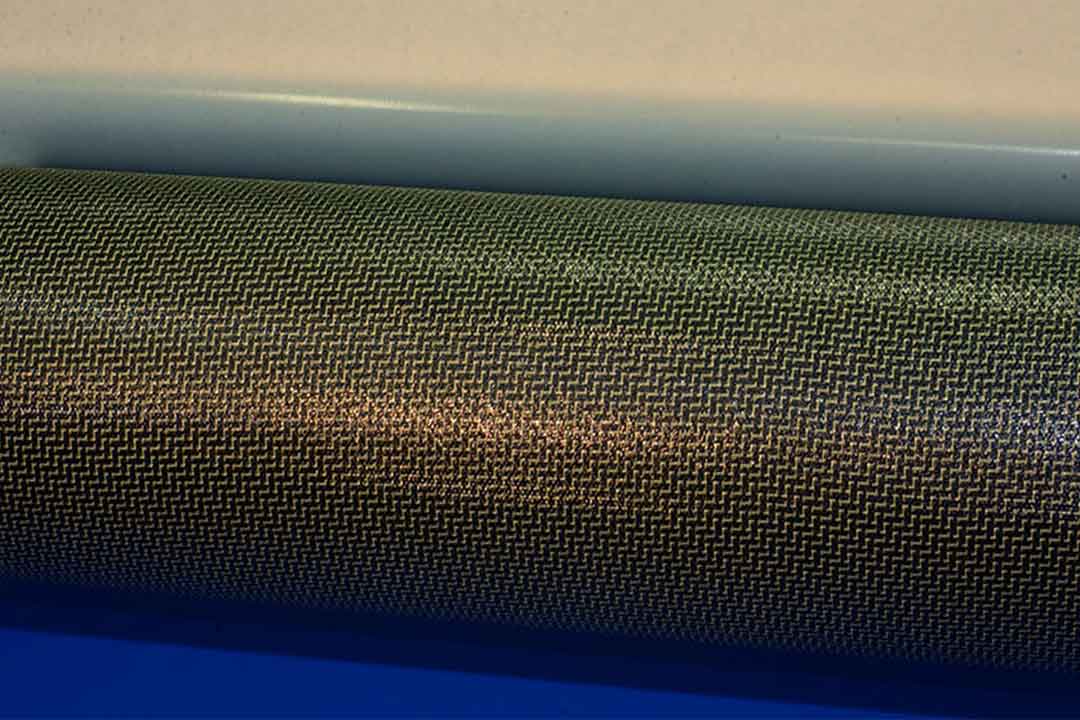
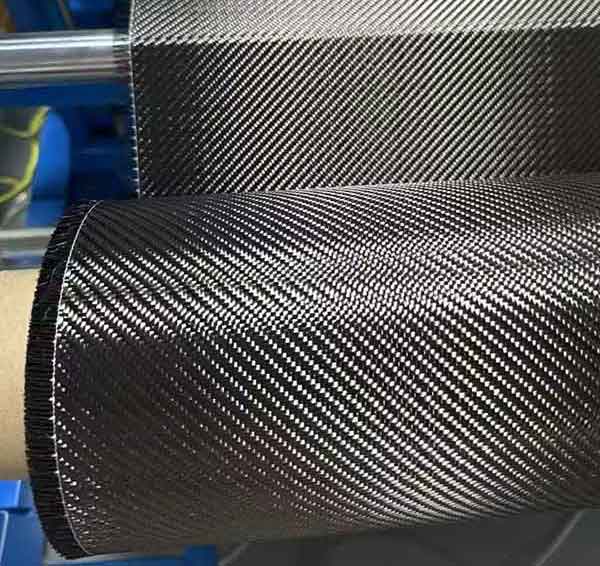
Carbon fiber is a revolutionary material made from fine strands of carbon intricately woven together to create a fabric, often referred to as carbon cloth or carbon fabric. This fabric is then infused with a resin, resulting in a composite material known as carbon fiber sheets. These sheets stand out due to their lightweight nature combined with incredible strength, making them suitable for a diverse array of applications.
Origins and Manufacturing Process
Carbon fiber's origins can be traced back to the late 1950s and early 1960s when its potential for high-strength applications became evident. The manufacturing process begins with the carbonization of a precursor material, such as polyacrylonitrile (PAN) or pitch, under high temperature. This process removes non-carbon atoms, leaving behind tightly bonded carbon molecules. The resulting fibers are then woven into fabrics and combined with resins to form sheets.
Properties of Carbon Fiber
Carbon fiber boasts a unique set of properties that distinguish it from conventional materials:
- Strength: Carbon fiber is renowned for its strength, being five times stronger than steel. This makes it particularly beneficial for applications requiring exceptional durability and resistance to wear and tear.
- Lightweight: A standout feature of carbon fiber is its weight, approximately two-thirds less than steel. This property is crucial for industries where weight reduction translates to improved efficiency and performance.
- Corrosion Resistance: Unlike metals, carbon fiber is impervious to rust and corrosion. This resistance extends its lifespan and makes it ideal for use in outdoor and harsh environments.
- Thermal Stability: Carbon fiber can withstand high temperatures without compromising its structural integrity, making it suitable for applications subjected to extreme heat.
- Flexibility and Design Versatility: Carbon fiber can be molded into a variety of shapes, offering unparalleled design flexibility. This allows for customization in applications ranging from automotive parts to architectural elements.
Environmental Impact and Sustainability
While carbon fiber's production process is energy-intensive, its environmental benefits during use are substantial. The reduced weight of carbon fiber components leads to lower fuel consumption in vehicles and aircraft, contributing to decreased greenhouse gas emissions. Additionally, advancements in recycling technologies are beginning to address end-of-life concerns, paving the way for more sustainable practices in carbon fiber production and disposal.
Applications of Carbon Fiber Sheets
Carbon fiber sheets find application across a diverse range of industries, including automotive, aerospace, sports, construction, and more. Let's explore these applications in greater detail.
Automotive Industry
The automotive industry has embraced carbon fiber sheets for manufacturing lightweight yet strong components such as body panels, dashboards, and interior trims. The integration of carbon fiber into vehicle design enhances fuel efficiency and performance by significantly reducing the vehicle's overall weight.
- High-Performance Vehicles: In high-performance cars, including sports cars and luxury vehicles, carbon fiber components are used to enhance speed and handling. The reduced weight not only contributes to faster acceleration but also improves braking efficiency and cornering stability.
- Electric Vehicles: As the automotive industry shifts towards electric vehicles (EVs), carbon fiber plays a crucial role in compensating for the added weight of batteries. Lighter vehicles improve energy efficiency, extending the range of EVs and making them more competitive in the market.
- Safety and Aesthetics: Beyond performance, carbon fiber's aesthetic appeal is leveraged in custom designs and finishes. Its inherent strength also contributes to improved safety, as it can absorb energy during collisions, protecting occupants.
Aerospace Industry
In the aerospace sector, carbon fiber sheets are extensively used due to their lightweight and high-strength properties. They form critical components in aircraft, such as wings, fuselages, and other structural elements.
- Weight Reduction and Fuel Efficiency: The primary advantage of using carbon fiber in aerospace is the significant reduction in weight, leading to improved fuel efficiency and greater payload capacity. This is especially crucial for long-haul flights and cargo transport.
- Durability in Harsh Conditions: The aerospace environment demands materials that can withstand extreme conditions. Carbon fiber's resistance to corrosion and high temperatures makes it ideal for the challenges of flight, including exposure to varying atmospheric conditions.
- Innovative Design Capabilities: Carbon fiber allows for innovative design solutions in aircraft manufacturing. Its flexibility enables the creation of complex shapes and components that enhance aerodynamics and reduce drag.
Sports Equipment
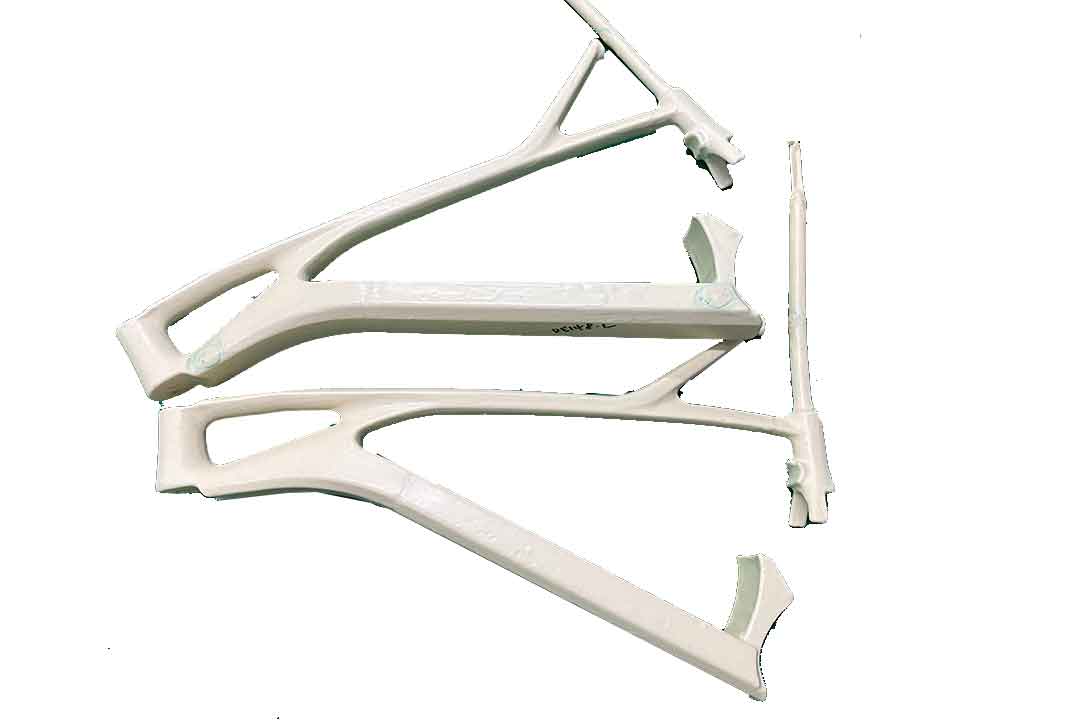
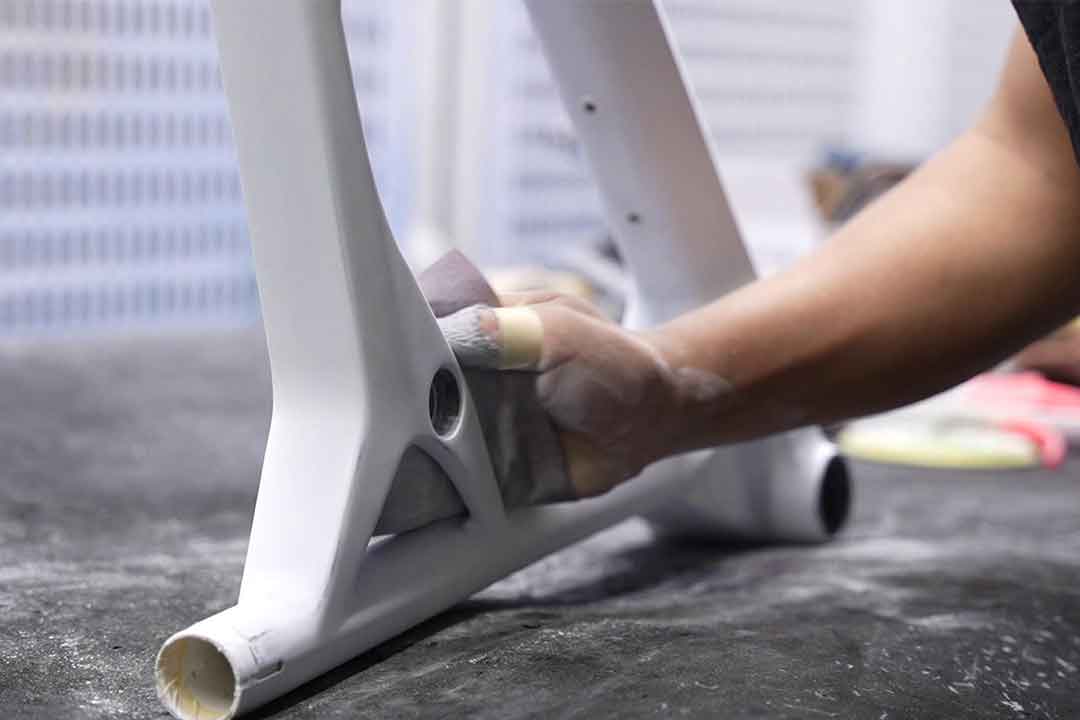
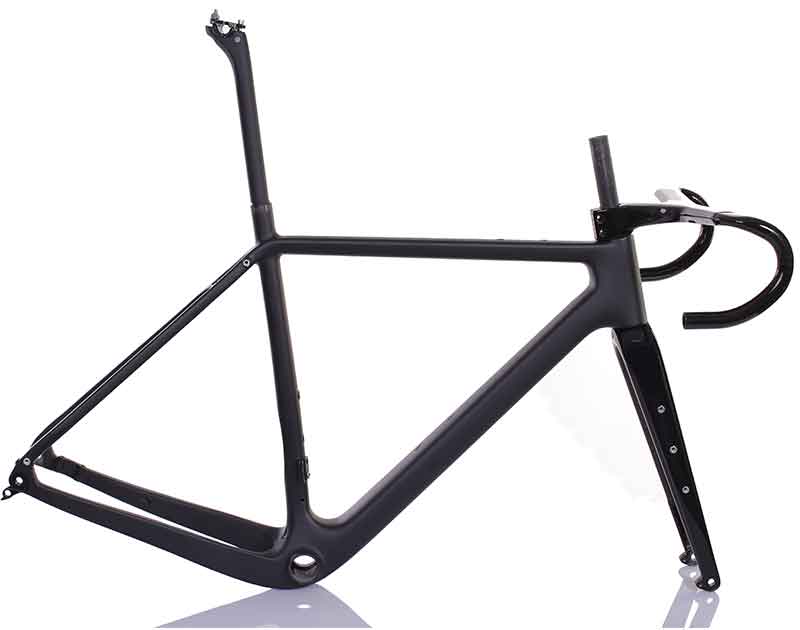
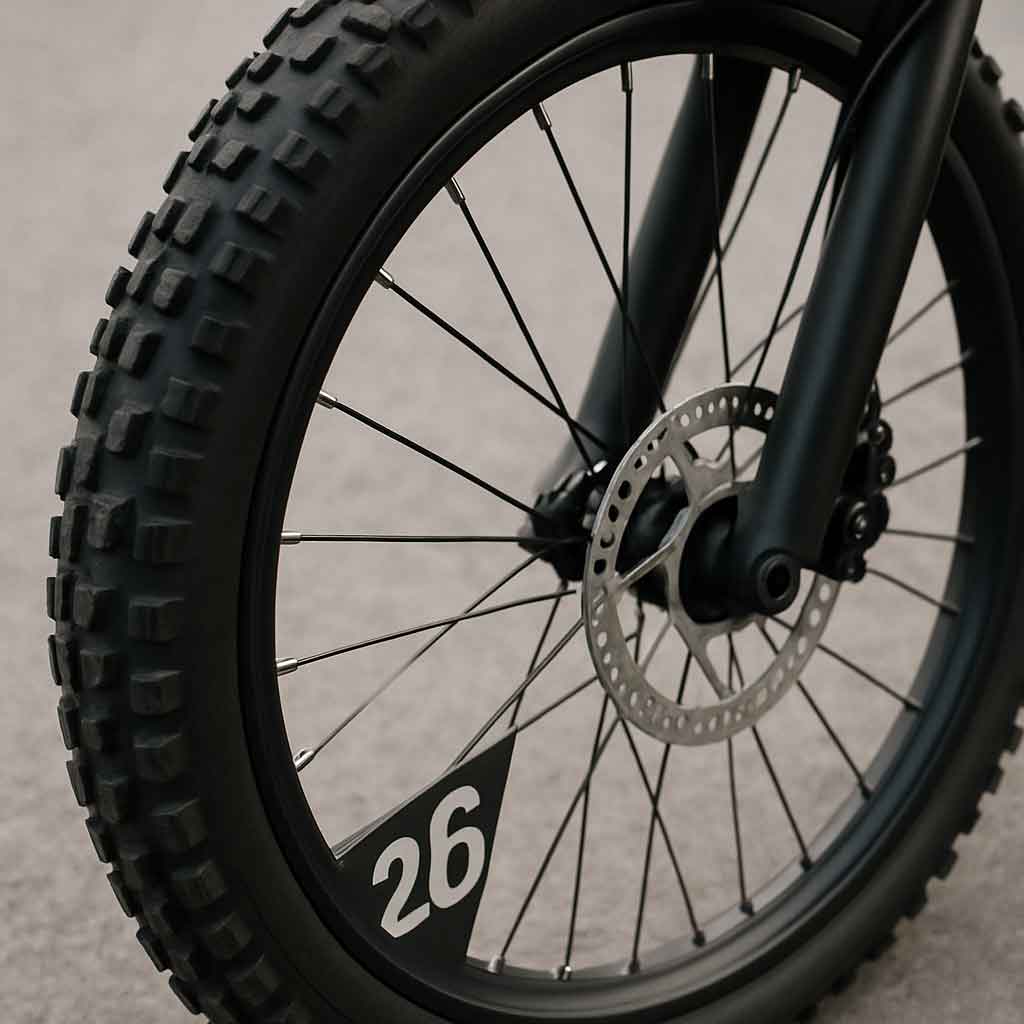
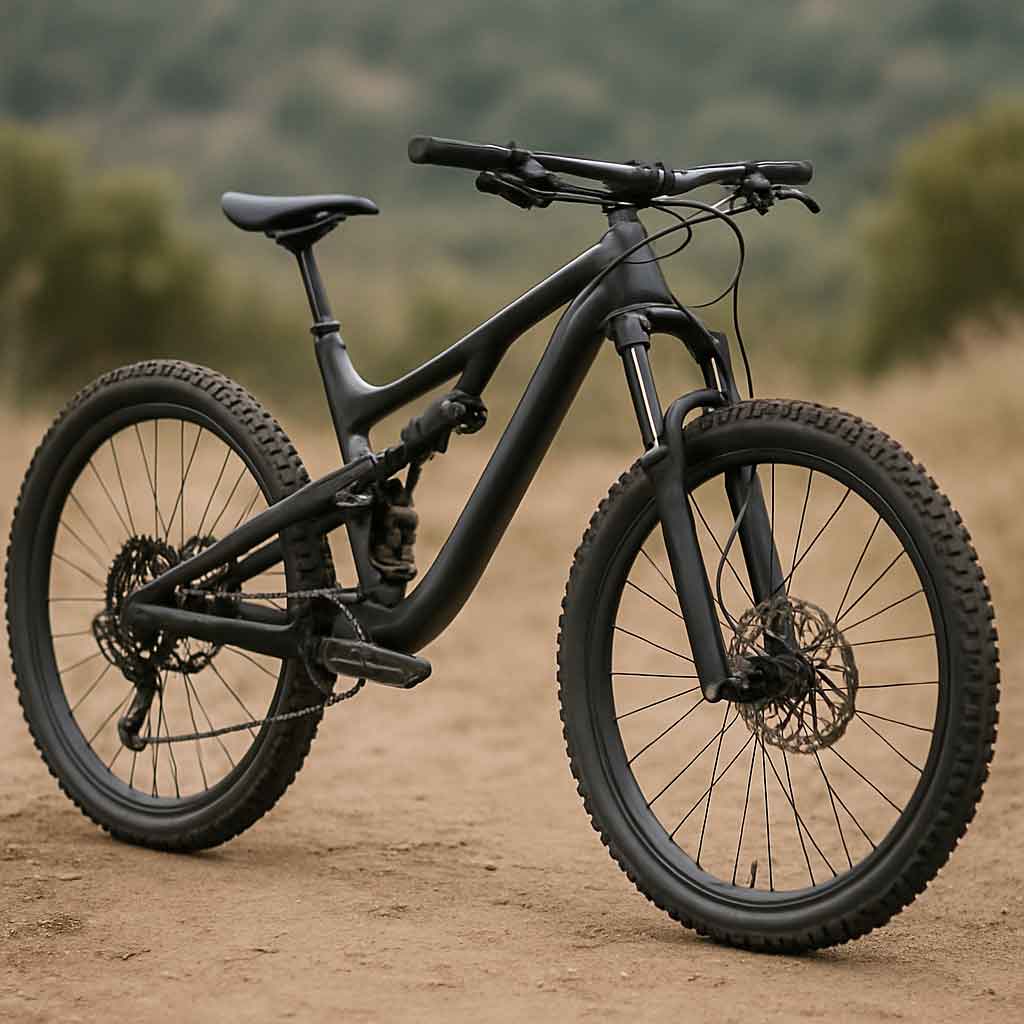
The sports industry has harnessed the benefits of carbon fiber sheets to produce lightweight and durable gear. This includes equipment such as tennis rackets, golf clubs, bicycles, and helmets.
- Enhanced Athletic Performance: The lightweight nature of carbon fiber gear allows athletes to perform at their best. Tennis players benefit from increased swing speed, while cyclists enjoy improved acceleration and reduced fatigue.
- Durability and Impact Resistance: Carbon fiber's ability to absorb impact without breaking makes it ideal for protective sports gear. Helmets and protective pads made from carbon fiber offer superior protection without compromising on comfort.
- Customization and Ergonomics: The design flexibility of carbon fiber enables manufacturers to create customized equipment tailored to individual athlete needs. This includes ergonomic designs that improve comfort and reduce the risk of injury.
Construction Industry
In construction, carbon fiber sheets are increasingly used for strengthening and reinforcing structures. They are employed to retrofit buildings, bridges, and other infrastructure, enhancing their load-bearing capacity.
- Structural Reinforcement: Carbon fiber sheets are used to reinforce concrete structures, improving their strength and extending their lifespan. This is particularly beneficial for aging infrastructure that requires retrofitting to meet modern safety standards.
- Ease of Application: The lightweight nature of carbon fiber makes it easier to handle and apply compared to traditional materials like steel. This reduces labor costs and minimizes disruption during construction or renovation projects.
- Architectural Innovation: Architects leverage carbon fiber for its design versatility, allowing for the creation of unique and aesthetically pleasing structures. Its use in facades and interior elements adds a modern touch to building designs.
by Rick Rothenberg (https://unsplash.com/@rick_rothenberg)
Marine Applications
The marine industry benefits from carbon fiber sheets for constructing lightweight and robust boats, yachts, and other watercraft. The material's resistance to corrosion and UV radiation makes it an ideal choice for marine environments.
- Enhanced Speed and Efficiency: The reduced weight of carbon fiber components contributes to faster and more fuel-efficient watercraft. This is especially important for competitive sailing and high-performance boats.
- Longevity in Marine Conditions: Carbon fiber's resistance to saltwater corrosion and UV radiation ensures that marine vessels maintain their structural integrity over time, reducing maintenance costs and extending their service life.
- Customization for Performance: Boat builders use carbon fiber to customize hull shapes and designs, optimizing performance for specific water conditions. This level of customization is crucial for racing yachts and specialized marine applications.
Where to Buy Carbon Fiber Sheets
For those interested in purchasing carbon fiber sheets, there are numerous options available. Suppliers offer various carbon fiber materials, including carbon cloth fabric, carbon fiber cloth rolls, and carbon fiber mats. Prices can vary depending on the quality, weave, and thickness of the material. It is essential to consider your specific needs when purchasing carbon fiber sheets.
Factors Affecting Carbon Fiber Price
The cost of carbon fiber can vary based on several factors:
- Quality and Grade: Higher quality carbon fiber, often used in aerospace and high-performance applications, commands a higher price due to its superior properties and rigorous testing standards.
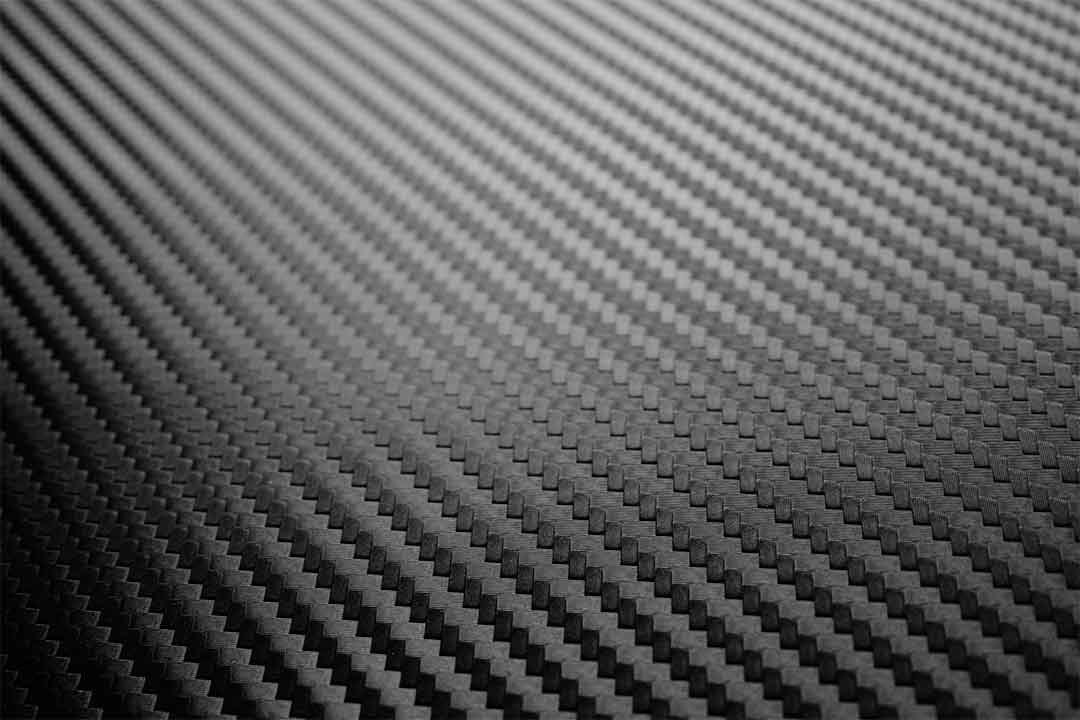
- Weave Patterns and Aesthetics: Different weave patterns offer distinct properties and visual aesthetics. The choice of weave can impact not only the performance characteristics but also the cost of the carbon fiber sheet.
- Thickness and Size: Thicker sheets generally cost more due to the increased amount of material. Additionally, larger sheets or custom sizes may incur additional costs, depending on the supplier.
- Supplier Variability: Prices can vary significantly between suppliers. It is advisable to shop around and request quotes from multiple vendors to find the best deal for your specific application.
Considerations for Choosing a Supplier
When selecting a supplier for carbon fiber sheets, consider factors such as reputation, customer reviews, and the range of products offered. Look for suppliers that provide detailed product specifications and offer technical support or customization options to meet your unique requirements.
Conclusion
Carbon fiber sheets are a versatile and high-performing material utilized across a wide range of industries. Their unique properties, such as strength, lightweight nature, and resistance to corrosion, make them an attractive option for various applications. Whether you're in the automotive, aerospace, sports, or construction industry, carbon fiber sheets provide numerous benefits over traditional materials.
When purchasing carbon fiber, it is crucial to assess your specific needs and consider the factors that affect pricing to ensure you make the best choice for your application. Understanding the applications and benefits of carbon fiber sheets empowers you to make informed decisions about incorporating this advanced material into your projects. Whether you're looking for carbon fiber cloth rolls, carbon fiber mats, or other carbon fiber supplies, there are plenty of options available to suit your needs. By leveraging the advantages of carbon fiber, you can enhance performance, efficiency, and innovation in your industry.







 Jack Ding

