Welcome to Mondince Bike - A well-known factory specialized in produce carbon bike frame and other parts since 2007.


Choosing the Best Gravel Bike Frame
Gravel biking has exploded in popularity, offering a versatile riding experience across various terrains. Whether you're tackling dirt paths, forest trails, or smooth roads, having the right gravel bike frame is crucial. In this guide, we'll dive into what makes a gravel bike frame the best choice for your needs, covering important aspects like geometry, sizing, materials, and more.
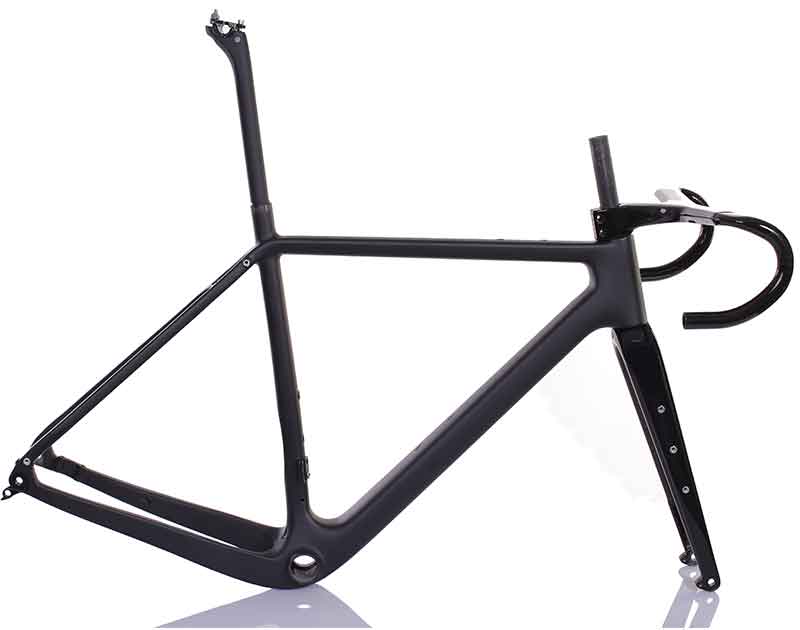
A gravel bike frame forms the backbone of your ride, dictating not only the bike's overall feel but also how it handles different terrains. Unlike road bikes or mountain bikes, gravel bikes are designed to be adaptable, providing comfort and stability on both paved and unpaved surfaces.
Gravel bikes are engineered to be the ultimate all-rounders. This versatility comes from their ability to comfortably handle a range of surfaces—from smooth asphalt to challenging off-road trails. This adaptability makes them a top choice for cyclists who want one bike that can do it all, without the need to switch between different types of bikes for different rides.
While road bikes are built for speed on smooth surfaces and mountain bikes are designed for rugged off-road terrains, gravel bikes strike a balance between the two. They feature design elements from both types, like the drop bars of a road bike combined with the robust frame and wider tires of a mountain bike. This hybrid nature allows gravel bikes to perform well on various terrains, making them perfect for mixed-surface adventures.
The design of a gravel bike frame influences its performance and comfort. A well-designed frame will offer stability on rough surfaces while still being efficient on the road. Key design features include frame geometry, material choice, and additional features like mounts for accessories. Understanding these aspects helps in selecting a frame that meets your specific riding needs.
Gravel bike geometry plays a pivotal role in how the bike performs. Generally, gravel bikes feature a relaxed geometry compared to road bikes, with a slacker head tube angle and longer wheelbase. This design offers better stability and comfort over long distances and rough surfaces. When choosing a gravel bike frame, consider how its geometry aligns with your riding style and intended use.
The head tube angle affects how the bike steers and handles. A slacker head tube angle enhances stability, especially on rough or loose surfaces, making it easier to control the bike at higher speeds. This is particularly beneficial for riders who frequently encounter unpredictable terrains, as it provides a more forgiving ride.
A longer wheelbase contributes to a bike's overall stability, especially when navigating uneven terrain. It helps in smoothing out the ride and provides a more comfortable experience over longer distances. This design aspect is essential for those who plan to undertake long-distance rides or bikepacking trips, where comfort and control are paramount.
The bottom bracket height influences the bike's center of gravity and pedal clearance. A lower bottom bracket provides a stable ride by lowering the center of gravity, which is advantageous on rough trails. However, it must be balanced with adequate clearance to avoid pedal strikes. This balance is crucial for maintaining both comfort and efficiency across varied terrains.
The material of a gravel bike frame significantly impacts its performance, weight, and feel. The most common materials are aluminum, carbon fiber, steel, and titanium, each offering unique benefits.
Aluminum frames are popular for their affordability and durability. They are lightweight and provide a stiff ride, making them an excellent choice for riders who want performance without breaking the bank. However, they may not offer the same comfort as steel or carbon fiber on rough trails.
Aluminum frames offer a cost-effective way to enjoy high-performance cycling. They are often favored by those new to gravel biking or those who want a reliable, entry-level option. Despite their lower price, aluminum frames deliver impressive performance, making them a smart choice for budget-conscious cyclists.
Aluminum is resistant to rust and corrosion, which enhances its longevity and reduces maintenance needs. This durability is ideal for riders who frequently encounter wet or muddy conditions. The ease of maintenance and long-lasting nature of aluminum frames make them a practical choice for many cyclists.
While aluminum frames provide excellent performance, they can be less forgiving on rough surfaces compared to other materials. To mitigate this, riders often pair aluminum frames with wider tires or suspension components to enhance comfort. Understanding the trade-offs between performance and comfort is key when selecting an aluminum frame.
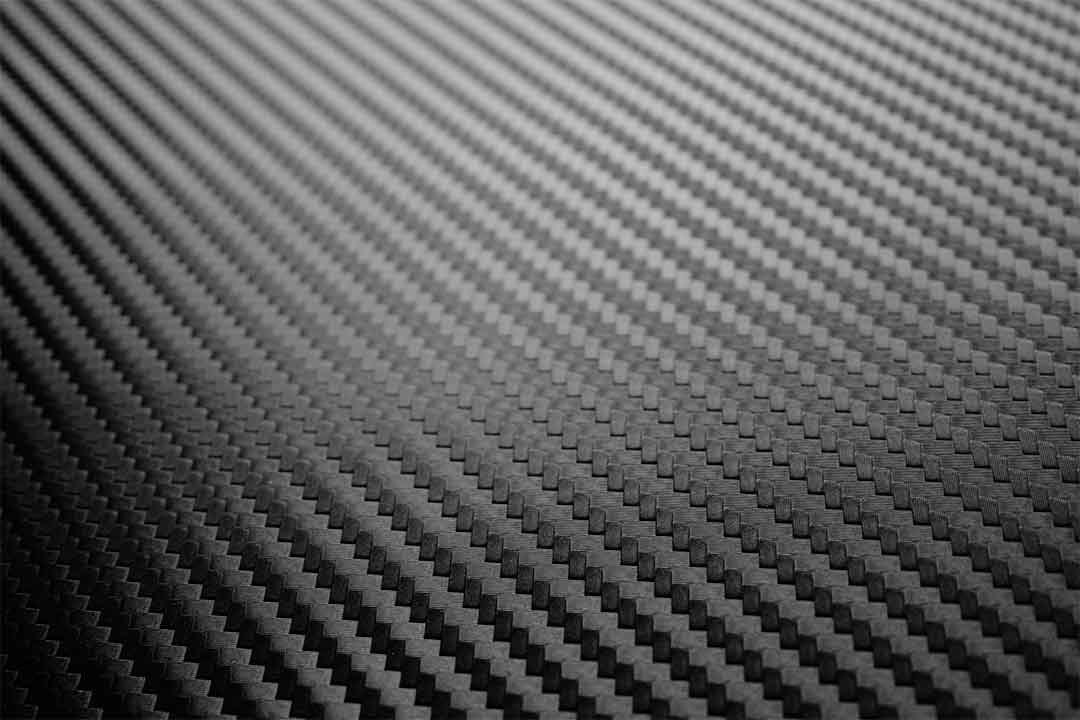
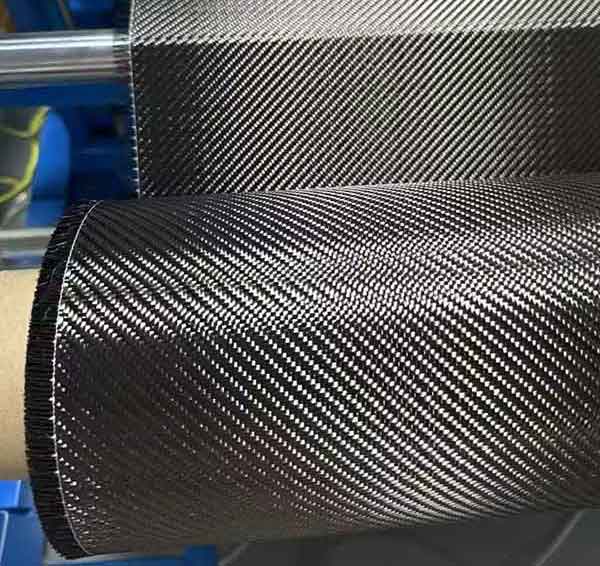
Carbon fiber frames are known for being incredibly lightweight and providing a smooth ride. They absorb vibrations well, which is ideal for longer rides on uneven terrain. While they are more expensive, their performance benefits often justify the cost for serious riders.
One of the standout features of carbon fiber is its ability to dampen vibrations. This characteristic makes it an excellent choice for riders who prioritize comfort on long rides. The smoothness provided by carbon fiber frames enhances the overall riding experience, reducing fatigue on rough trails.
Carbon fiber is renowned for its weight-to-strength ratio, providing exceptional performance with minimal weight. This advantage is crucial for competitive cyclists or those who want to maximize their speed and efficiency. The lightweight nature of carbon fiber frames allows for faster acceleration and easier handling.
While carbon fiber frames come with a higher price tag, they represent an investment in quality and performance. Serious riders often find that the benefits of reduced weight and increased comfort justify the cost. For those committed to gravel biking, a carbon fiber frame can be a worthwhile long-term investment.
Steel frames are celebrated for their durability and comfort. They offer a smooth, compliant ride, absorbing road vibrations more effectively than aluminum. Though heavier, the longevity and comfort make steel a beloved choice for many gravel enthusiasts.
Steel is known for its strength and resilience, making it one of the most durable frame materials available. This durability ensures that steel frames can withstand the rigors of gravel biking over many years. For those who value longevity and reliability, steel is an excellent choice.
The ride quality of steel frames is often described as smooth and comfortable. The inherent flexibility of steel allows it to absorb vibrations, providing a more pleasant experience on rough terrain. This comfort makes steel frames a popular choice for long-distance touring and bikepacking.
Steel frames often have a classic aesthetic that appeals to many cyclists. The traditional look and feel of steel, combined with modern frame designs, offer a unique blend of nostalgia and performance. Riders who appreciate the craftsmanship and style of steel frames often choose them for their aesthetic value as much as their performance.
Titanium frames offer a perfect balance of lightweight performance and durability. They are resistant to corrosion and provide a comfortable ride. Though they come with a higher price tag, their longevity and performance make them a worthwhile investment for avid riders.
Titanium provides a strength-to-weight ratio similar to carbon fiber, making it an excellent choice for those who want performance without sacrificing durability. This combination of strength and lightness allows for agile handling and efficient climbing, appealing to performance-oriented riders.
One of the most significant advantages of titanium is its resistance to corrosion. This characteristic makes titanium frames ideal for riders who frequently encounter harsh weather conditions. The longevity of titanium frames ensures that they remain a reliable option for many years, offering excellent value over time.
Titanium frames offer a ride quality that is both comfortable and responsive. The natural flex of titanium smooths out rough surfaces, while its stiffness provides efficient power transfer. This balance makes titanium frames suitable for a wide range of riding styles, from casual touring to competitive racing.
Gravel bike sizing is crucial for comfort and performance. A well-sized frame ensures that you can ride efficiently and comfortably over long distances. When sizing a gravel bike, consider factors such as standover height, reach, and stack.
Standover height is the distance between the top tube and the ground. A proper standover height ensures you can comfortably straddle the bike when stationary, providing a sense of security and control. This measurement is crucial for safety, allowing for quick dismounts if necessary.
Reach is the horizontal distance from the saddle to the handlebars. It plays a significant role in determining your riding posture and comfort. A longer reach can lead to a more aerodynamic position, while a shorter reach offers a more upright and relaxed posture. Finding the right balance is essential for long-term comfort and efficiency.
Stack is the vertical distance from the bottom bracket to the top of the head tube. It influences how upright or aggressive your riding position will be. A higher stack offers a more relaxed and comfortable ride, while a lower stack provides a more performance-oriented posture. Consider your riding style and preferences when choosing the stack height.
Consulting a sizing chart from the bike manufacturer can help you find the right frame size based on your height and body proportions. Additionally, professional bike fitting services can provide personalized recommendations to ensure optimal comfort and performance. Investing time in proper sizing ensures a more enjoyable and efficient riding experience.
When choosing the best gravel bike frame, consider additional features that can enhance your riding experience.
Having extra mounts for water bottles, racks, and fenders can be invaluable for long-distance rides or bikepacking adventures. These mounts allow you to carry essential gear and supplies, enhancing your bike's versatility. Ensure your chosen frame has the necessary eyelets to accommodate your gear needs.
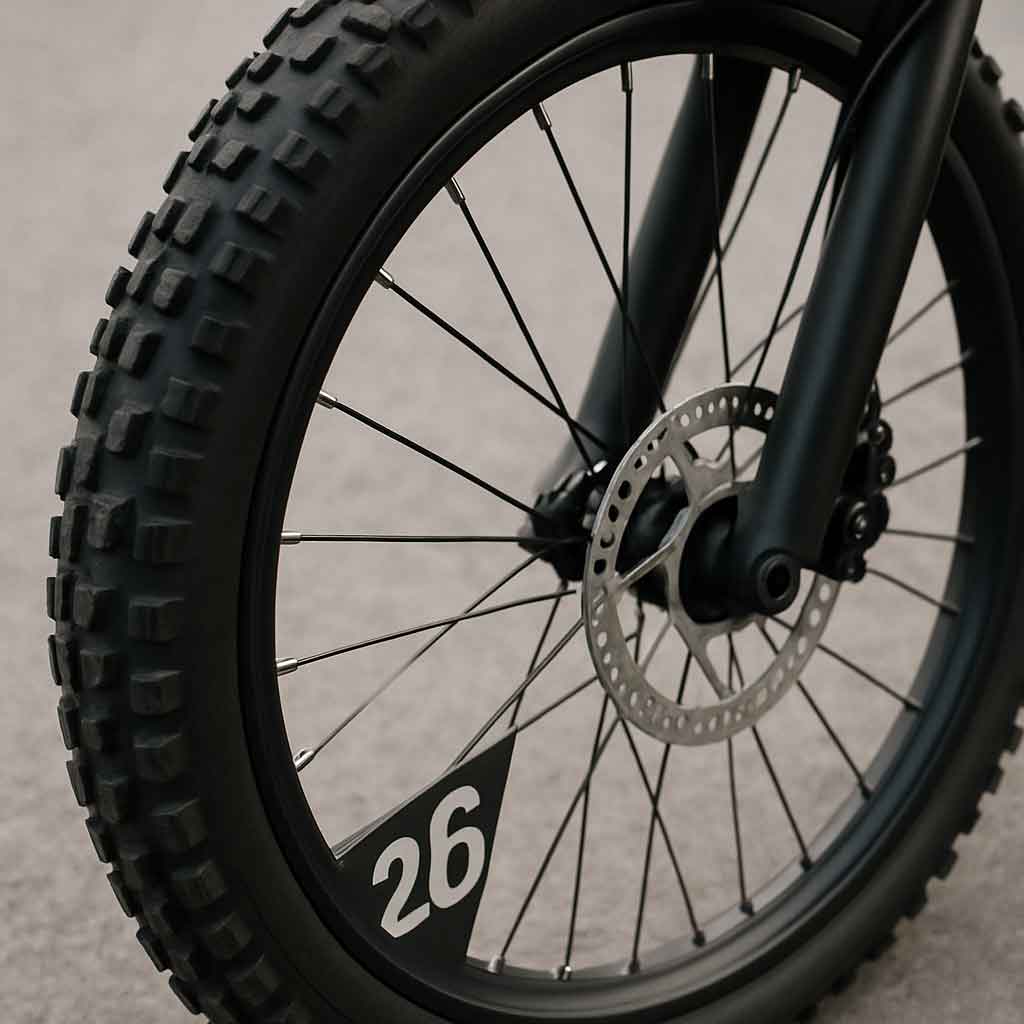
Gravel bikes typically allow for wider tires than road bikes, offering better traction and comfort on rough surfaces. Wider tires can provide more grip and a smoother ride, especially on loose or uneven terrain. Check the maximum tire clearance of the frame to ensure it fits your preferred tire width and accommodates future upgrades.
Frames with internal cable routing offer a cleaner look and protect cables from dirt and debris. This feature not only enhances the aesthetic appeal of your bike but also reduces maintenance needs. Internal routing is especially beneficial on muddy trails, where exposed cables can quickly become clogged with dirt.
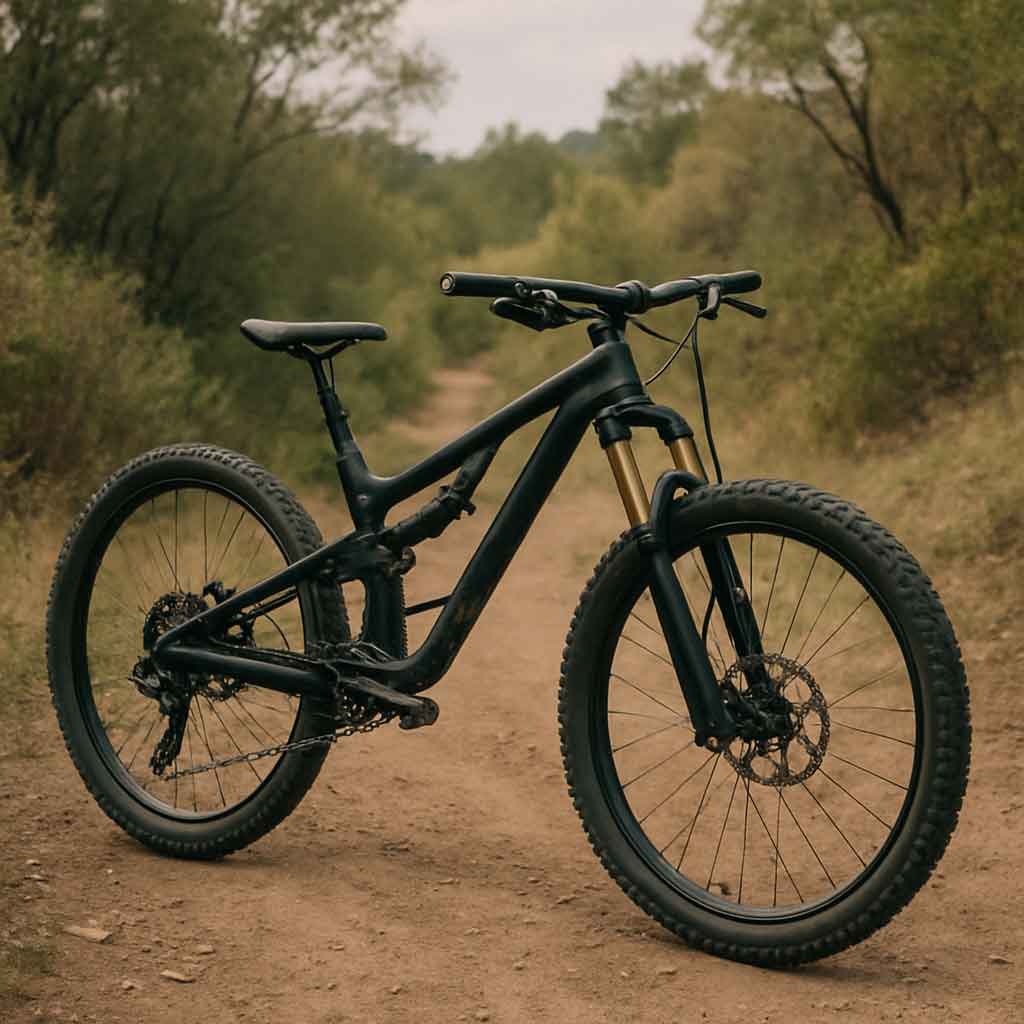
Some gravel frames come with suspension options, such as front forks or seat post suspension. These features can significantly enhance comfort on rough terrain, absorbing shocks and vibrations. Consider whether suspension components align with your riding style and terrain preferences.
Reading gravel bike reviews can provide insight into how different frames perform in real-world conditions. Look for reviews that discuss the bike's handling, comfort, and durability over various terrains.
- Cannondale Topstone: Known for its versatility and comfort, the Cannondale Topstone offers a balanced ride with innovative features like Kingpin suspension. This frame is praised for its adaptability across different terrains, making it a popular choice for adventure seekers.
- Specialized Diverge: Offers a smooth ride with innovative features like Future Shock suspension, which enhances comfort on rough surfaces. The Specialized Diverge is celebrated for its performance and ability to tackle diverse terrains, appealing to both casual and competitive riders.
- Trek Checkpoint: Balances performance and practicality, featuring multiple mounts and wide tire clearance. The Trek Checkpoint is favored for its robust design and versatility, making it ideal for long-distance touring and bikepacking adventures.
When reading user reviews, pay attention to feedback on the bike's geometry, material quality, and additional features. Reviews can provide valuable insights into the frame's real-world performance and help you make informed decisions. Consider the experiences of riders with similar needs and preferences to guide your selection.
Expert reviews and comparisons offer a deeper analysis of gravel bike frames, often highlighting subtle differences in design and performance. These reviews can provide a more comprehensive understanding of how different frames stack up against each other. Consulting expert opinions can help you identify the best frame for your specific requirements.
Choosing the best gravel bike frame requires considering several factors, including geometry, material, sizing, and additional features. By understanding these elements and how they influence your ride, you can select a frame that enhances your gravel biking adventures.
When in doubt, consulting with a local bike shop or reading detailed gravel bike reviews can provide valuable guidance. With the right frame, you're well on your way to enjoying the freedom and excitement that gravel biking offers. Embrace the journey and explore new terrains with confidence, knowing that your bike is equipped to handle whatever lies ahead.






 Jack Ding

