Welcome to Mondince Bike - A well-known factory specialized in produce carbon bike frame and other parts since 2007.


Top Gravel Bike Frame Materials Explained
Gravel biking has taken the cycling world by storm, offering a perfect blend of adventure and endurance. This thrilling activity combines the best of road cycling and mountain biking, allowing cyclists to explore diverse terrains. Choosing the right bike frame is crucial for anyone looking to dive into this exciting sport. With various materials available, understanding their pros and cons can help you make an informed decision. In this comprehensive guide, we will explore the top gravel bike frame materials and analyze their strengths and weaknesses.
Aluminum has long been a favorite among cyclists for its versatility and performance. This section delves deeper into why aluminum is a popular choice for gravel bike frames.
Aluminum is one of the most popular materials used in gravel bike frames. Known for its lightweight properties and affordability, aluminum provides a great balance between performance and cost.
- Lightweight: Aluminum frames are generally lighter than steel, making them easier to handle and faster on climbs. This lightness translates to improved speed and agility, which is particularly beneficial when tackling steep inclines or rapidly changing terrains.
- Cost-Effective: Compared to carbon fiber and titanium, aluminum is more budget-friendly, making it an excellent choice for entry-level gravel bikes. For beginners or those not ready to invest heavily, aluminum offers a quality experience without breaking the bank.
- Stiffness: Offers good power transfer, which is ideal for riders looking for speed and efficiency. The stiffness of aluminum frames ensures that the energy you put into pedaling translates directly into forward motion, enhancing performance on competitive rides.
While aluminum has its perks, there are a few downsides to consider that might affect your decision.
- Ride Comfort: Aluminum frames can be less forgiving on rough terrain due to their stiffness, which might lead to a harsher ride experience. The rigidity can make longer rides on bumpy paths less enjoyable, as the vibrations are not absorbed effectively.
- Durability: While durable, aluminum is more prone to fatigue and may not last as long as steel or titanium frames with heavy use. Over time, the constant stress and strain can lead to micro-cracks, reducing the lifespan of the frame.
- Aesthetic Limitations: Aluminum frames often come in simpler designs due to the material's limitations in molding and shaping. This might limit customization options for those looking for unique frame shapes and designs.
Steel frames have a long-standing reputation in the cycling community for their reliability and resilience. Let's take a closer look at why steel remains a beloved choice for many gravel bikers.
Steel has been a favorite for bike frames for decades, and it's not without reason. Its properties make it a solid choice for gravel biking.
- Durability: Steel is incredibly strong and can withstand a lot of abuse, making it ideal for off-road adventures. Its robustness ensures that the frame can handle the rough and tumble of gravel paths without sustaining major damage.
- Comfort: Known for its ability to absorb vibrations, steel offers a smoother ride on rough terrain. The inherent flexibility of steel acts as a natural shock absorber, enhancing comfort on lengthy rides over uneven surfaces.
- Repairable: Steel frames can often be repaired if damaged, extending their lifespan. The ability to easily weld or fix steel makes it a sustainable choice, as it can be maintained and used for many years.
Steel frames do come with a few trade-offs that might influence your decision.
- Weight: Steel frames are typically heavier than those made of aluminum or carbon fiber, which can be a drawback for competitive riders. The added weight may slow you down on climbs or longer rides, where every gram counts.
- Corrosion: Without proper care, steel can rust, especially if exposed to wet conditions frequently. Regular maintenance is required to prevent rust and ensure the longevity of the frame, which might not be ideal for all riders.
- Price Variability: While generally affordable, high-end steel frames can be costly, which might not suit every budget. The price can vary significantly based on the type of steel used and the craftsmanship involved.
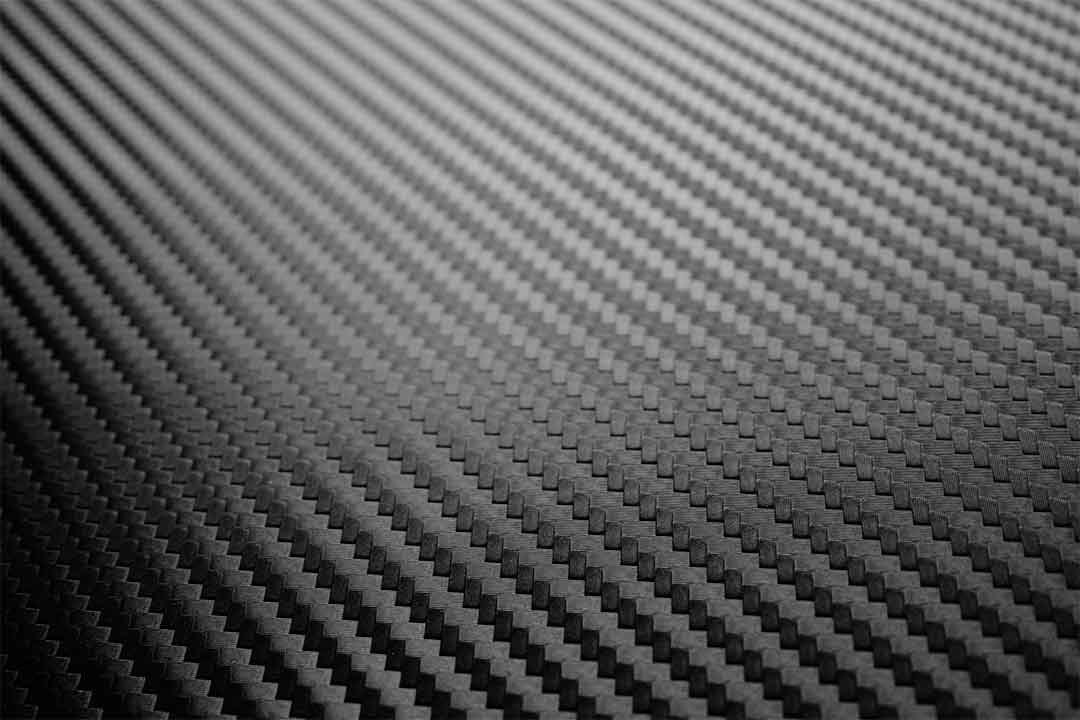
Carbon fiber is synonymous with high performance and cutting-edge technology in the cycling world. In this section, we explore the attributes that make carbon fiber a top choice for many gravel bikers.
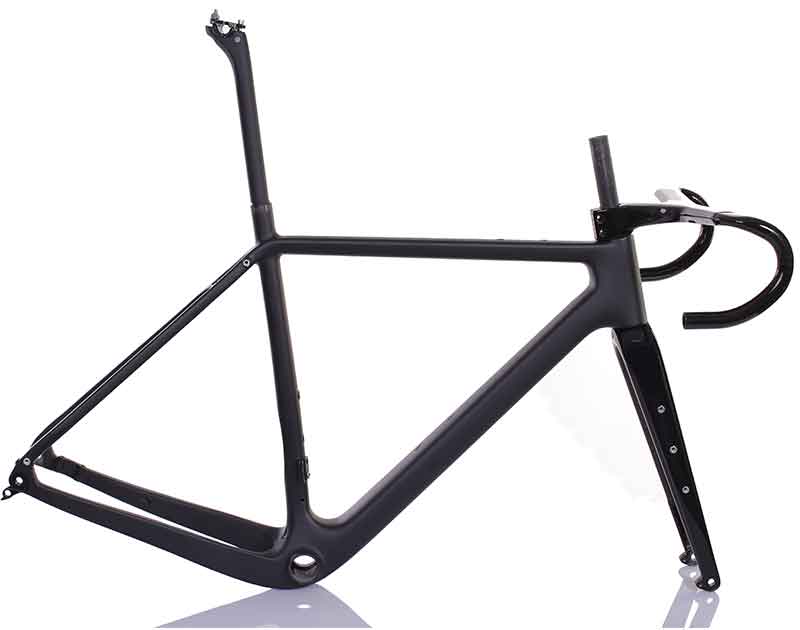
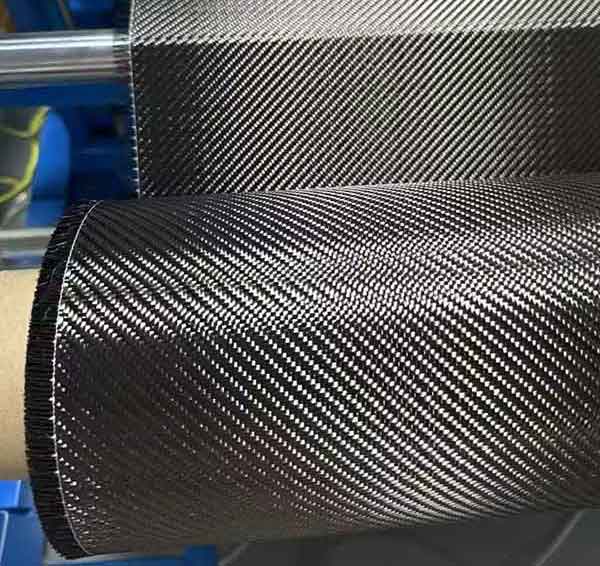
Carbon fiber is the material of choice for high-performance gravel bikes, offering several advantages.
- Weight: Carbon fiber is incredibly light, making it perfect for those looking to maximize speed and agility. The reduced weight is a critical factor for racers or those who prioritize speed over everything else.
- Customizability: Manufacturers can tweak carbon fiber to create frames that are stiff in certain areas and flexible in others, optimizing performance and comfort. This level of customization allows for tailored rides that suit specific cycling styles and preferences.
- Vibration Damping: Provides a smooth ride, efficiently absorbing bumps and vibrations. The composite nature of carbon fiber means it can be engineered to reduce road buzz, enhancing comfort on long rides.
Despite its benefits, carbon fiber isn't without its drawbacks, which are important to consider.
- Cost: Carbon fiber frames are typically the most expensive, which might not be feasible for budget-conscious riders. The high cost is due to both the material and the labor-intensive manufacturing process required to create these frames.
- Durability: While strong, carbon fiber is more susceptible to damage from sharp impacts compared to metal frames. A crash or a significant impact can cause cracks or fractures that may not always be visible, potentially compromising the frame's integrity.
- Complex Repairs: Repairing a carbon fiber frame is not as straightforward as fixing metal frames, often requiring specialized services that can be expensive and time-consuming.
Titanium frames are renowned for their exceptional qualities, often considered the ultimate choice for serious cyclists. Here, we delve into why titanium stands out among other frame materials.
Titanium frames are often seen as the pinnacle of bike frame materials due to their excellent properties.
- Strength and Durability: Titanium is incredibly strong and resistant to corrosion, offering a long lifespan. This strength ensures that the frame can withstand rigorous use without degrading over time.
- Weight: Lighter than steel and almost as light as aluminum, titanium provides an excellent weight-to-strength ratio. This balance makes it a superb choice for those who want durability without the weight penalty.
- Comfort: Offers a ride quality similar to steel, with great vibration damping. The natural flex of titanium smoothens out the ride, making it comfortable for long-distance or all-day adventures.
However, titanium frames come with a few considerations that might impact your choice.
- Cost: Titanium is one of the most expensive materials for bike frames, which might be a deterrent for some. The high cost is reflective of both the material's rarity and the intricate manufacturing process.
- Complex Manufacturing: The process of working with titanium is more complex, often leading to higher production costs. This complexity can limit the availability of titanium frames, making them a more exclusive option.
- Limited Customization: While strong and durable, titanium frames often come in fewer styles and shapes due to manufacturing constraints, which can limit aesthetic customization.
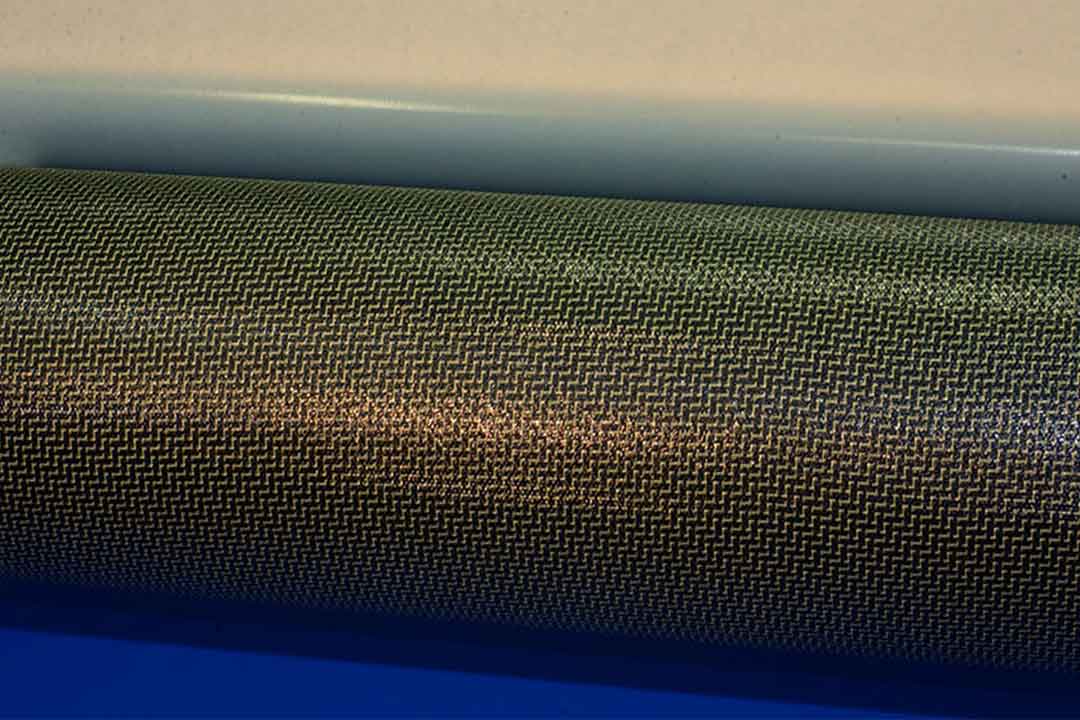
The use of composite materials in bike frames represents an exciting frontier in cycling technology. This section examines the potential and challenges associated with composites.
Some gravel bikes use composite materials, combining various fibers to achieve specific performance characteristics.
- Customization: These frames can be tailored to offer precise performance attributes, such as specific stiffness or flexibility. The ability to blend different materials allows for highly specialized frames that can meet unique cycling needs.
- Innovation: Constant advancements in material science mean new composites can offer unique benefits. This continuous innovation pushes the boundaries of what's possible in terms of performance, weight, and comfort.
- Eco-Friendliness: Some composites are designed with sustainability in mind, utilizing renewable or recyclable materials to reduce environmental impact.
With new technology comes certain challenges that need careful consideration.
- Unproven Longevity: New composites might not have the track record of more established materials. The long-term durability and performance of these materials can be uncertain, posing a risk for early adopters.
- Cost: Developing new materials can be costly, potentially leading to higher prices for consumers. The investment in research and development is reflected in the price, which might limit accessibility.
- Repair Complexity: Similar to carbon fiber, repairing composite frames can be challenging, often requiring specialized skills and tools that are not widely available.
Choosing the right frame material for your gravel bike depends on your priorities and budget. Here's a quick summary to help you decide:
- Aluminum: Best for budget-conscious riders who want a lightweight frame with good performance. Ideal for those new to gravel biking or on a tight budget who still want a quality ride.
- Steel: Ideal for those who prioritize durability and ride comfort over weight. A great choice for long-distance riders who value comfort and resilience.
- Carbon Fiber: Perfect for high-performance seekers willing to invest in speed and ride quality. Suited for competitive cyclists or those who demand the highest performance from their bike.
- Titanium: Suited for riders looking for a long-lasting, premium frame with excellent ride characteristics. An excellent option for serious enthusiasts who want a top-tier frame that can handle any adventure.
- Composite: Great for those interested in cutting-edge technology and customization. Perfect for tech-savvy cyclists eager to explore the latest in cycling innovation.
Ultimately, the best frame material for your gravel bike is one that aligns with your specific riding style and goals. Consider where and how often you plan to ride, as well as your budget, to make the most informed decision.
Whether you're a seasoned gravel grinder or just starting out, understanding the pros and cons of each frame material will help you find the perfect bike to accompany you on your adventures. Happy riding!







 Jack Ding

