Welcome to Mondince Bike - A well-known factory specialized in produce carbon bike frame and other parts since 2007.


Upgrading Your Gravel Bike Frame: Tips
Upgrading a gravel bike frame can be a thrilling prospect for cycling enthusiasts. Whether you're looking to enhance your bike's performance or simply want a fresh aesthetic, choosing the right upgrades can make all the difference. This guide will walk you through essential tips and considerations for upgrading your gravel bike frame.
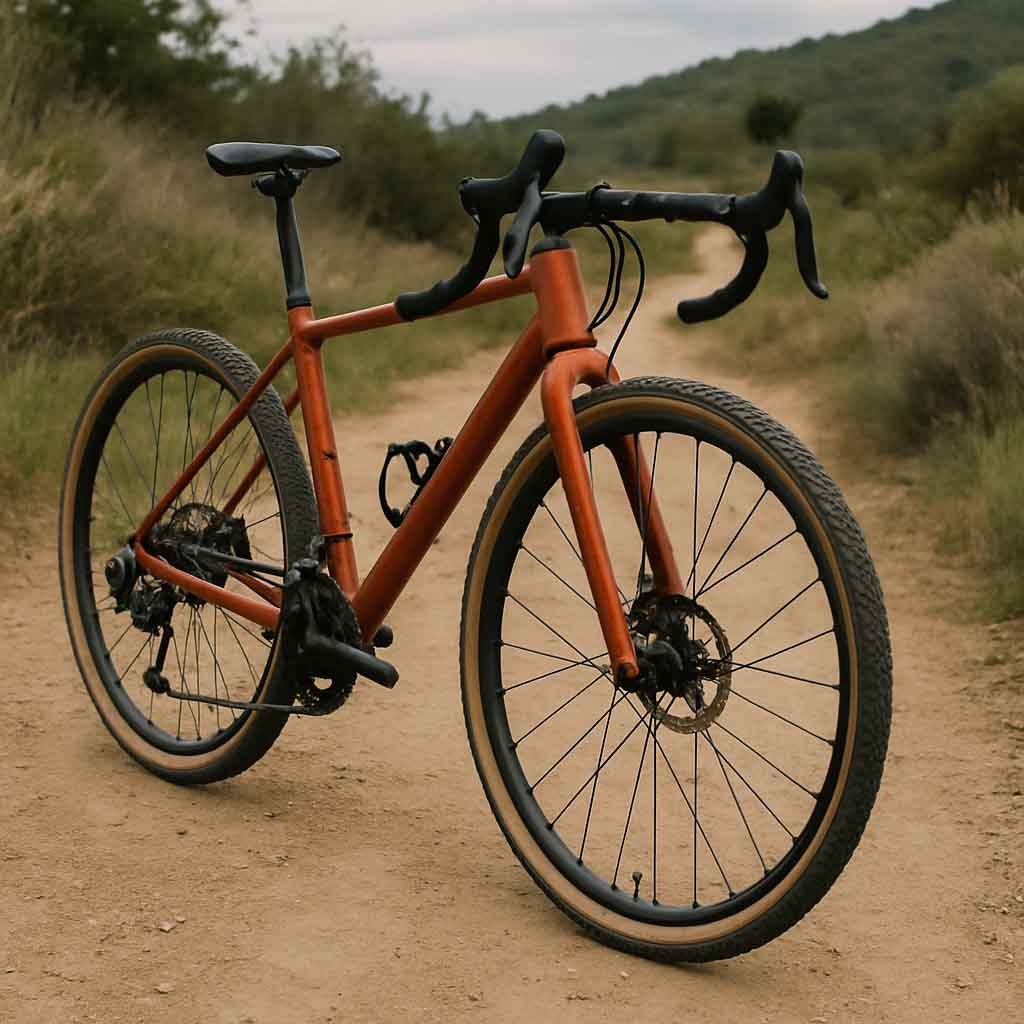
Gravel bikes are designed to handle a variety of terrains, offering the versatility to ride on both paved and unpaved surfaces. They combine the speed of a road bike with the rugged durability of a mountain bike. This makes them ideal for cyclists who enjoy long rides through diverse landscapes.
Key Features of Gravel Bikes
Gravel bikes are distinguished by several key features that make them versatile. They typically have wider tires than road bikes, which provides better grip and stability on loose surfaces. The frame geometry is often more relaxed than that of a road bike, allowing for a more comfortable ride over long distances. Additionally, gravel bikes are equipped with multiple mounting points for racks and bags, making them suitable for touring and bikepacking.
The Evolution of Gravel Bikes
The gravel bike market has evolved rapidly over the past decade. Initially, cyclists used modified cyclocross bikes for gravel riding, but manufacturers soon recognized the demand for dedicated gravel bikes. This led to innovations in frame design, tire clearance, and suspension options tailored specifically for gravel riding. The evolution continues with new materials and technologies being integrated into gravel bike frames.
Popular Gravel Bike Brands
Several brands have become synonymous with high-quality gravel bikes. Companies like Salsa, Specialized, and Cannondale have developed comprehensive gravel bike lineups that cater to different styles and budgets. Each brand brings its unique approach to frame design, materials, and geometry, offering cyclists a broad range of options to choose from.
Why Upgrade Your Gravel Bike Frame?
Upgrading your gravel bike frame can significantly improve your riding experience. Here are some reasons why you might consider an upgrade:
Performance Enhancement
A lighter, stronger frame can enhance speed and agility. A high-performance frame can drastically improve your biking efficiency by reducing the weight you have to move, which is particularly beneficial during long rides or races. New frame technology often incorporates aerodynamics and stiffness in strategic areas, allowing for better power transfer when you pedal. This can help you maintain higher speeds with less effort, making your rides not only faster but also more enjoyable.
Comfort Improvement
A new frame can provide better shock absorption and stability. Many modern frames are designed with comfort in mind, integrating features like vibration-damping materials or suspension systems. These enhancements can reduce the fatigue you feel on rough terrain, allowing you to ride longer and recover quicker. An improved frame geometry can also contribute to better posture, reducing strain on your back and shoulders during extended rides.
Aesthetic Appeal
A fresh look can renew your passion for cycling. Upgrading to a new frame often means choosing from the latest designs and color schemes that can make your bike stand out. Personalizing your bike with a frame that reflects your style can increase your satisfaction and pride in your ride. This aesthetic upgrade can also serve as a motivational boost, encouraging you to ride more frequently and explore new trails.
Personalization
Tailor your bike to fit your specific riding style and needs. Upgrading your frame allows you to select features and specifications that match your preferred type of cycling, whether it's long-distance touring, competitive racing, or casual weekend rides. Customizing your frame can also involve choosing the right geometry and materials that suit your body type and riding posture, enhancing both comfort and performance.
Choosing the Right Frame Material
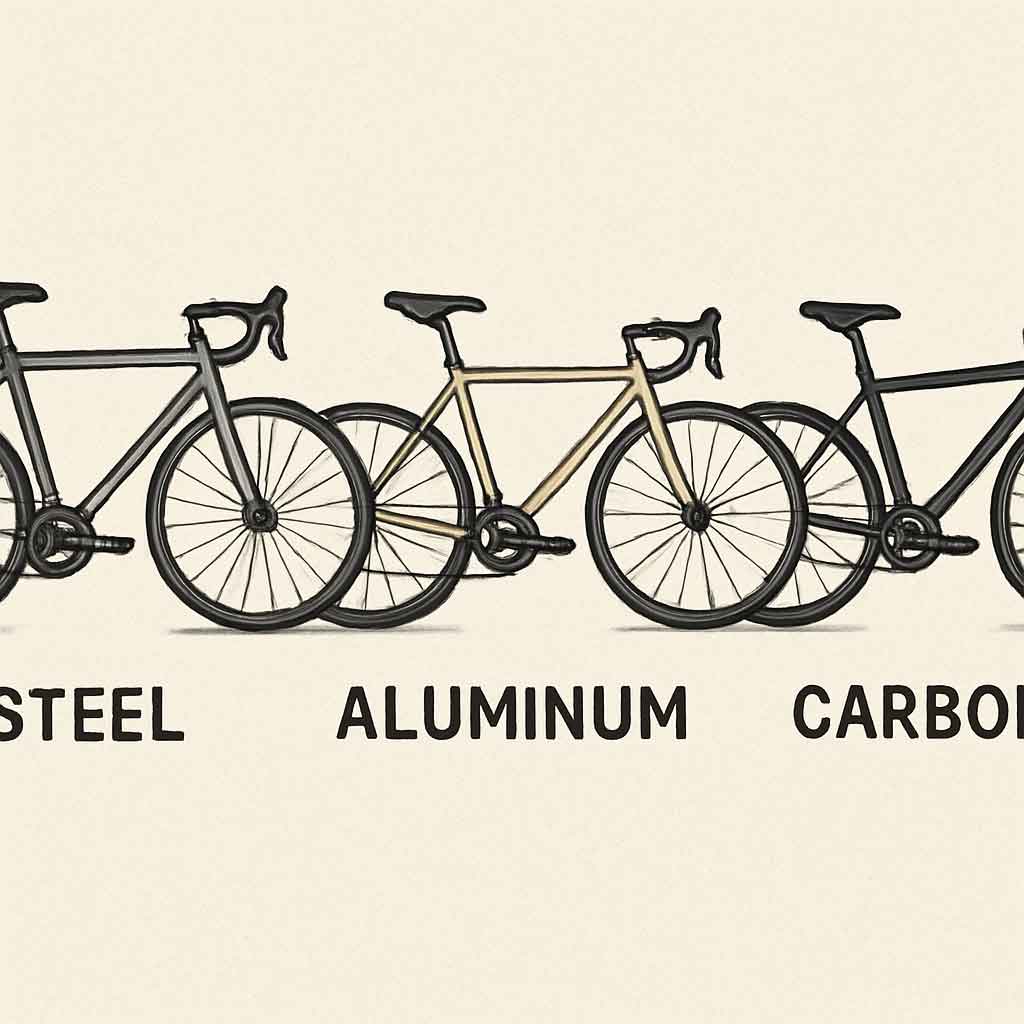
One of the most crucial decisions when upgrading your gravel bike frame is choosing the right material. Here are the most common materials used in gravel bike frames:
Aluminum
Aluminum frames are popular due to their affordability and lightweight nature. They offer a good balance between performance and cost, making them an excellent choice for beginners and budget-conscious cyclists.
Pros of Aluminum Frames
Aluminum frames are highly valued for their lightweight construction, which makes them easier to handle and maneuver, especially in competitive settings. Their affordability allows cyclists to invest in a quality frame without breaking the bank. Additionally, aluminum is naturally resistant to corrosion, making it a durable option for those who frequently ride in wet or humid conditions.
Cons of Aluminum Frames
Despite their many advantages, aluminum frames can be less comfortable on rough terrains due to their inherent stiffness. This can lead to increased vibration and fatigue on longer rides. Moreover, aluminum is not as strong as some other materials, which means it may not be the best choice for heavier riders or those who frequently tackle extreme terrain.
Ideal Use Cases for Aluminum
Aluminum frames are ideal for riders who prioritize weight and cost-effectiveness over comfort. They are particularly suitable for smooth gravel paths and roads where vibration damping is less of a concern. Aluminum is also a great choice for riders who are just starting out and want a reliable bike without a significant financial commitment.
Carbon Fiber
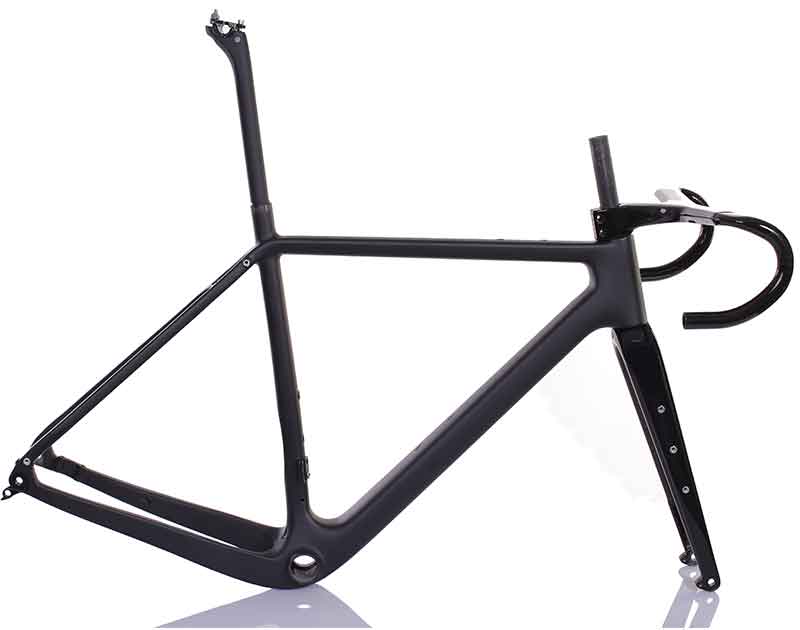
Carbon fiber frames are known for their lightweight and strong build. They are ideal for competitive cyclists seeking high performance.
Pros of Carbon Fiber Frames
Carbon fiber is incredibly lightweight, allowing for faster acceleration and easier climbing. It offers excellent vibration dampening, providing a smoother ride even on bumpy surfaces. The strength of carbon fiber allows for innovative frame designs that can enhance aerodynamics and aesthetic appeal. This material's versatility makes it a top choice for those seeking the best in performance.
Cons of Carbon Fiber Frames
The primary drawback of carbon fiber is its cost; it is one of the most expensive materials available. Additionally, while carbon fiber is strong, it can be susceptible to damage from direct impacts, such as crashes or falls. Repairing a carbon fiber frame can be challenging and costly, requiring specialized skills and materials.
Ideal Use Cases for Carbon Fiber
Carbon fiber frames are perfect for competitive cyclists and enthusiasts who demand high performance and are willing to invest in top-quality equipment. They excel in racing and long-distance rides where weight and comfort are critical. Riders who frequently encounter varied terrain will also benefit from the vibration-damping properties of carbon fiber.
Steel
Steel frames offer a smooth and comfortable ride. They are known for their durability and classic aesthetic.
Pros of Steel Frames
Steel is renowned for its durability and ability to absorb shocks, providing a comfortable ride over rough terrain. Its strength makes it a reliable choice for heavy riders and those carrying additional gear. Steel frames are relatively easy to repair, often requiring simple welding techniques. The classic look of steel has a timeless appeal that many cyclists appreciate.
Cons of Steel Frames
One of the main disadvantages of steel is its weight; steel frames are heavier than those made from aluminum or carbon fiber. This can make them less ideal for competitive situations where every gram matters. Additionally, steel can rust if not properly maintained, especially in damp climates, though modern treatments have minimized this issue.
Ideal Use Cases for Steel
Steel frames are suitable for touring and bikepacking, where comfort and durability are more important than weight. They are also a great choice for cyclists who appreciate the aesthetics and ride quality of a classic bike. Steel is an excellent option for those who want a reliable bike that can withstand years of use and potential repairs.
Titanium
Titanium frames are the premium choice for many cyclists, offering a mix of strength, weight, and comfort.
Pros of Titanium Frames
Titanium is highly valued for its strength-to-weight ratio, providing a lightweight frame that doesn't sacrifice durability. It is naturally corrosion-resistant, making it ideal for all-weather riding. Titanium frames offer a comfortable ride, with excellent vibration absorption similar to steel. The material's strength allows for a long-lasting frame that can endure years of use without fatigue.
Cons of Titanium Frames
The most significant downside of titanium is its cost; it is one of the most expensive materials for bike frames. Titanium frames can also be harder to find, as not all manufacturers produce them, limiting availability. Despite these drawbacks, the benefits often outweigh the costs for those who can afford it.
Ideal Use Cases for Titanium
Titanium frames are perfect for riders seeking a high-performance bike that can handle various conditions. They are an excellent choice for long-distance touring, where comfort and durability are paramount. Cyclists who ride in diverse weather conditions will appreciate titanium's corrosion resistance, and those looking for a premium ride experience will find titanium to be a worthy investment.
Frame Geometry and Sizing
Choosing the right frame geometry and size is essential for comfort and performance.
Geometry
The geometry of your gravel bike frame affects how it handles. Consider the following:
Head Tube Angle
A steeper head tube angle allows for quicker steering, making it ideal for technical terrain and responsive handling. It enhances agility, enabling sharp turns and quick maneuvering. Conversely, a slacker head tube angle improves stability on rough terrains, providing a more controlled ride. This is beneficial for long descents or when riding over uneven surfaces where maintaining control is crucial.
Chainstay Length
Shorter chainstays improve agility, allowing for snappier handling and quicker acceleration. This makes them suitable for riders who enjoy tackling technical trails or require fast handling. Longer chainstays provide better stability, especially when carrying loads or riding over rough terrain. They offer a smoother ride by distributing weight more evenly, which can be advantageous for touring or bikepacking.
Bottom Bracket Height
A lower bottom bracket offers better stability, lowering the rider's center of gravity for a more balanced ride. This is particularly useful for navigating technical trails where balance is key. A higher bottom bracket improves pedal clearance on rough trails, reducing the risk of striking obstacles. This is beneficial for aggressive riders who frequently encounter rocky or uneven surfaces.
Sizing
Getting the correct frame size is crucial for comfort and efficiency. Factors to consider include:
Standover Height
Ensure you can comfortably straddle the bike with both feet flat on the ground. This is important for safety and confidence when stopping or starting. The correct standover height ensures that you have enough clearance to dismount quickly in case of an emergency, reducing the risk of injury.
Reach and Stack
Reach and stack measurements affect your posture and comfort during rides. Reach refers to the horizontal distance from the saddle to the handlebars, influencing how stretched out you are while riding. Stack is the vertical distance from the bottom bracket to the top of the head tube, affecting how upright or aggressive your riding position is. Proper reach and stack measurements ensure that you maintain a comfortable and efficient riding posture.
Test Ride
Always test a bike frame before purchasing to ensure it feels right. A test ride allows you to experience the bike's handling, comfort, and fit firsthand. Pay attention to how the frame geometry affects your riding style and whether any adjustments are needed. Testing multiple frames can also provide insight into which configurations best suit your needs.
Additional Considerations
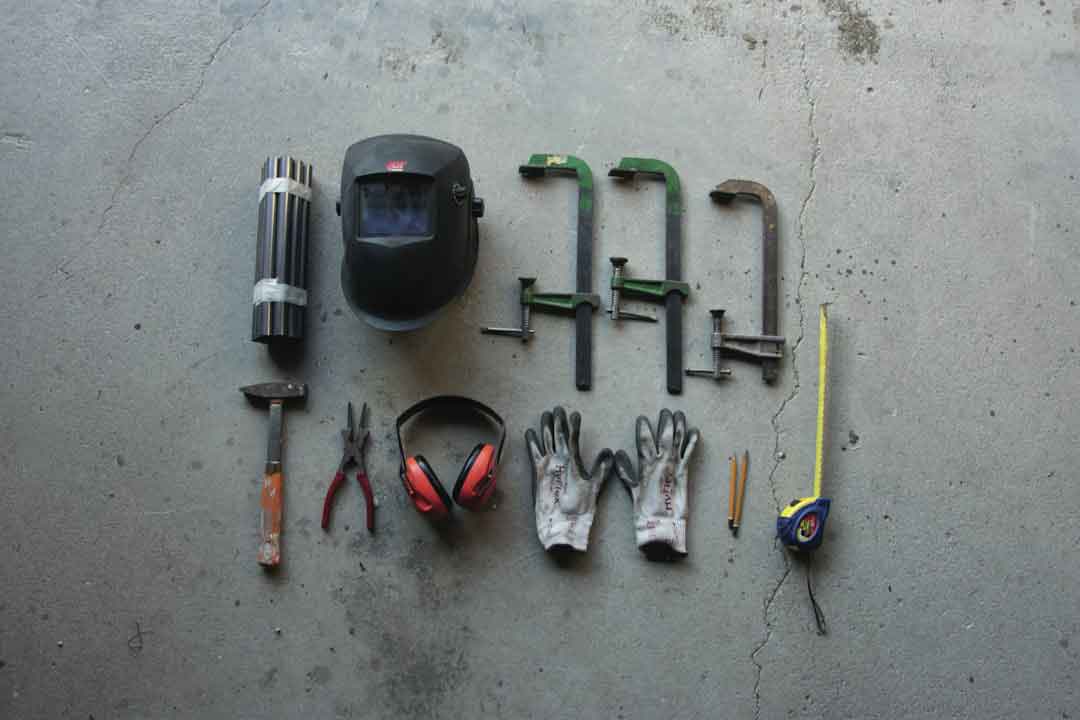
by Elena Rouame (https://unsplash.com/@roum)
When upgrading your gravel bike frame, there are additional factors to consider:
Compatibility
Ensure that your new frame is compatible with your existing bike components, such as the drivetrain, brakes, and wheels. Compatibility issues can lead to additional costs and complications. Check the specifications of your current components and compare them with the new frame's requirements. This will help you avoid potential mismatches that could affect performance or require further upgrades.
Budget
Upgrading a bike frame can be expensive. Set a budget and prioritize features that are most important to you. Consider both the cost of the frame and any additional components that may need upgrading. Planning your budget helps you make informed decisions and avoid overspending. Keep in mind that investing in quality components can enhance your cycling experience and save money in the long run.
Professional Assembly
While some cyclists prefer to assemble their bikes, professional assembly can ensure that your new frame is installed correctly and safely. This is especially important if you're unfamiliar with bike mechanics. Professional mechanics have the expertise and tools to assemble your bike properly, reducing the risk of errors that could affect performance. Consider the cost of assembly when budgeting for your upgrade, as it can be a worthwhile investment in your bike's longevity and safety.
Test and Adjust
After upgrading your frame, take your bike for a test ride to ensure everything is functioning correctly. Adjust the components as needed to achieve optimal performance and comfort. Pay attention to how the bike feels and make any necessary tweaks to the fit or settings. Regular maintenance and adjustments can prolong the life of your components and ensure a smooth riding experience.
Conclusion
Upgrading your gravel bike frame can breathe new life into your cycling experience. By carefully considering the material, geometry, sizing, and other factors, you can make an informed decision that enhances your rides. Whether you're seeking improved performance, comfort, or style, the right frame upgrade can make all the difference. Remember that the journey is as important as the destination, and investing in your bike can enrich your cycling adventures. Happy cycling!







 Jack Ding

