Welcome to Mondince Bike - A well-known factory specialized in produce carbon bike frame and other parts since 2007.


Gravel Bike Frame Geometry: What Matters?
Choosing the right gravel bike can be a daunting task, especially with the myriad of options available. One crucial aspect that often gets overlooked is the frame geometry. While many focus on the bike's components or aesthetics, understanding the geometry can significantly impact your riding experience. In this article, we'll break down why gravel bike frame geometry matters and how it influences your ride.
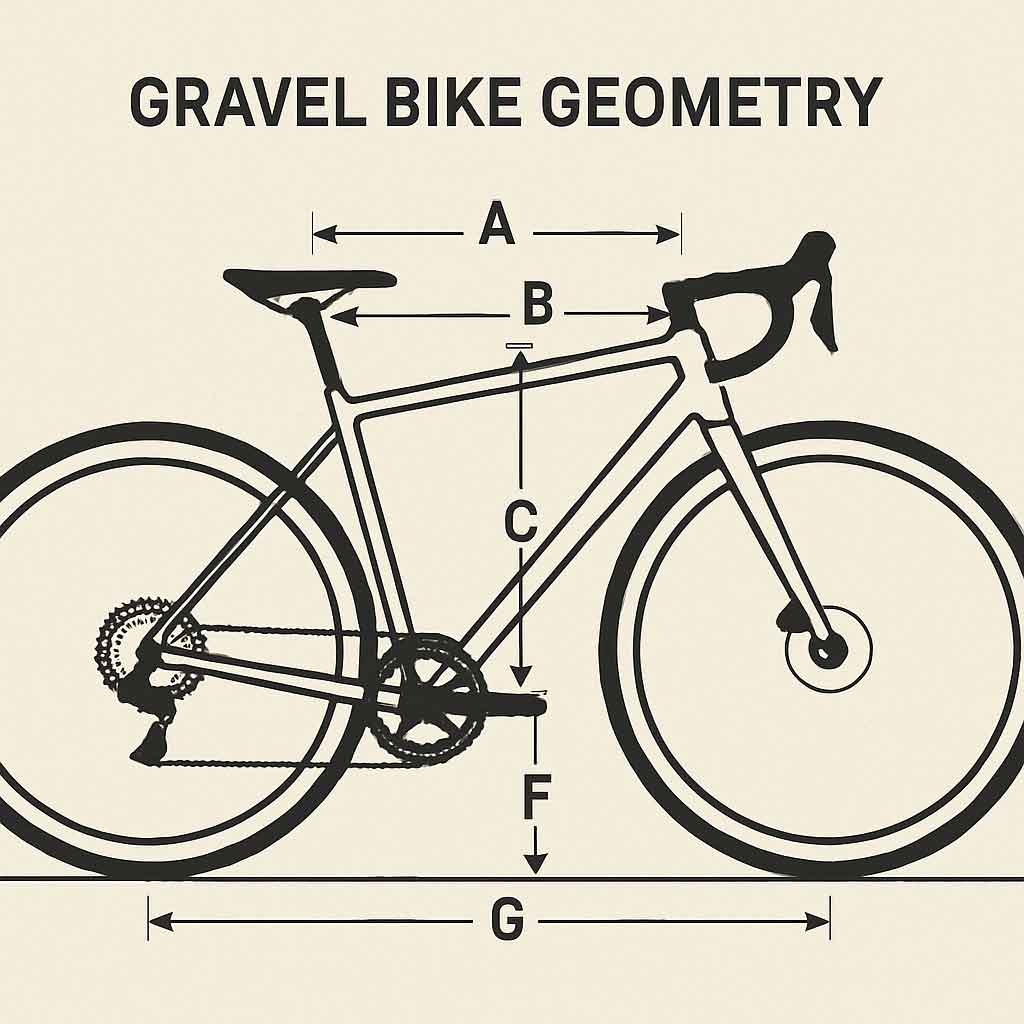
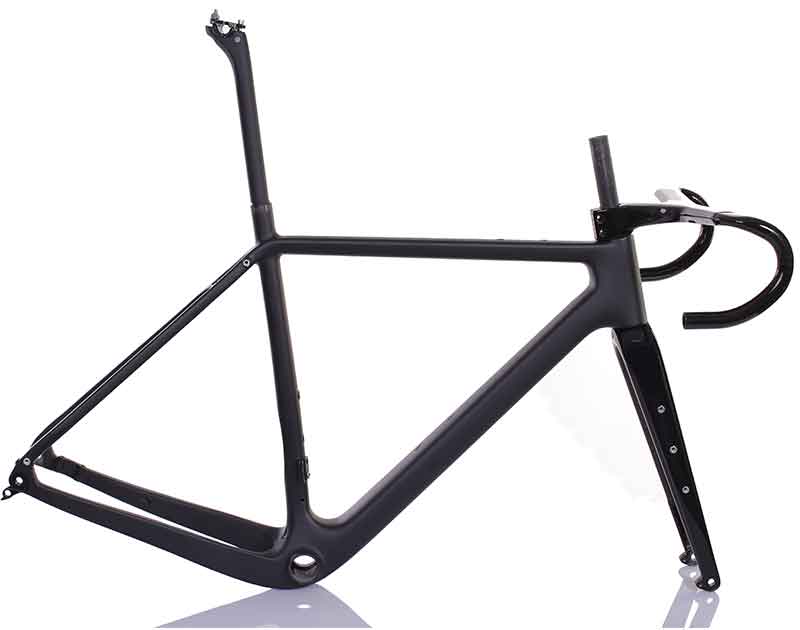
Bike geometry refers to the various angles and lengths of a bike's frame. These measurements determine how a bike feels and handles. Key elements of geometry include the head tube angle, seat tube angle, top tube length, and wheelbase. Each of these plays a role in the bike's performance and comfort.
Key Elements of Bike Geometry
Understanding the key elements of bike geometry is essential to grasp how they influence ride quality. The head tube angle, for instance, dictates steering characteristics. A steeper angle typically means quicker, more responsive handling, ideal for navigating twisty trails. Meanwhile, the seat tube angle affects the rider's position over the pedals, influencing both comfort and power transfer. The top tube length and wheelbase further contribute to the bike's stability and rider's reach, ensuring a balanced posture and efficient energy use during rides.
Head Tube Angle: Quick vs. Stable Steering
The head tube angle is the angle of the head tube relative to the ground. This angle affects how the bike steers. A steeper angle typically results in quicker handling, which is great for navigating tight trails or city streets. Conversely, a slacker angle provides stability at higher speeds, which is ideal for long-distance gravel rides. This distinction is crucial for riders who need to maneuver through challenging terrains or maintain stability on long, straight paths. Understanding how head tube angle influences steering can guide you in selecting a bike that matches your handling preferences.
Seat Tube Angle and Rider Position
The seat tube angle impacts your riding position and pedaling efficiency. A steeper seat tube angle positions you more over the pedals, which can enhance power transfer during climbs. A more relaxed angle can offer greater comfort for long rides by providing a more natural seating position. This aspect of geometry can significantly affect how comfortable you feel during different types of rides. Whether climbing steep hills or embarking on extended tours, the seat tube angle plays a pivotal role in ensuring you stay efficient and comfortable.
Top Tube Length and Wheelbase: Balance and Efficiency
The top tube length and wheelbase are critical in determining a bike's overall fit and ride quality. A longer top tube can provide a stretched-out position, enhancing speed and power efficiency. Conversely, a shorter top tube allows for a more compact, upright posture, which can be more comfortable for some riders. The wheelbase, or the distance between the front and rear axles, affects stability. A longer wheelbase increases stability, crucial for high-speed descents and rough terrains. These elements work together to create a bike that feels balanced and responsive, aligning with your riding style and terrain preferences.
Why Gravel Bike Geometry Matters
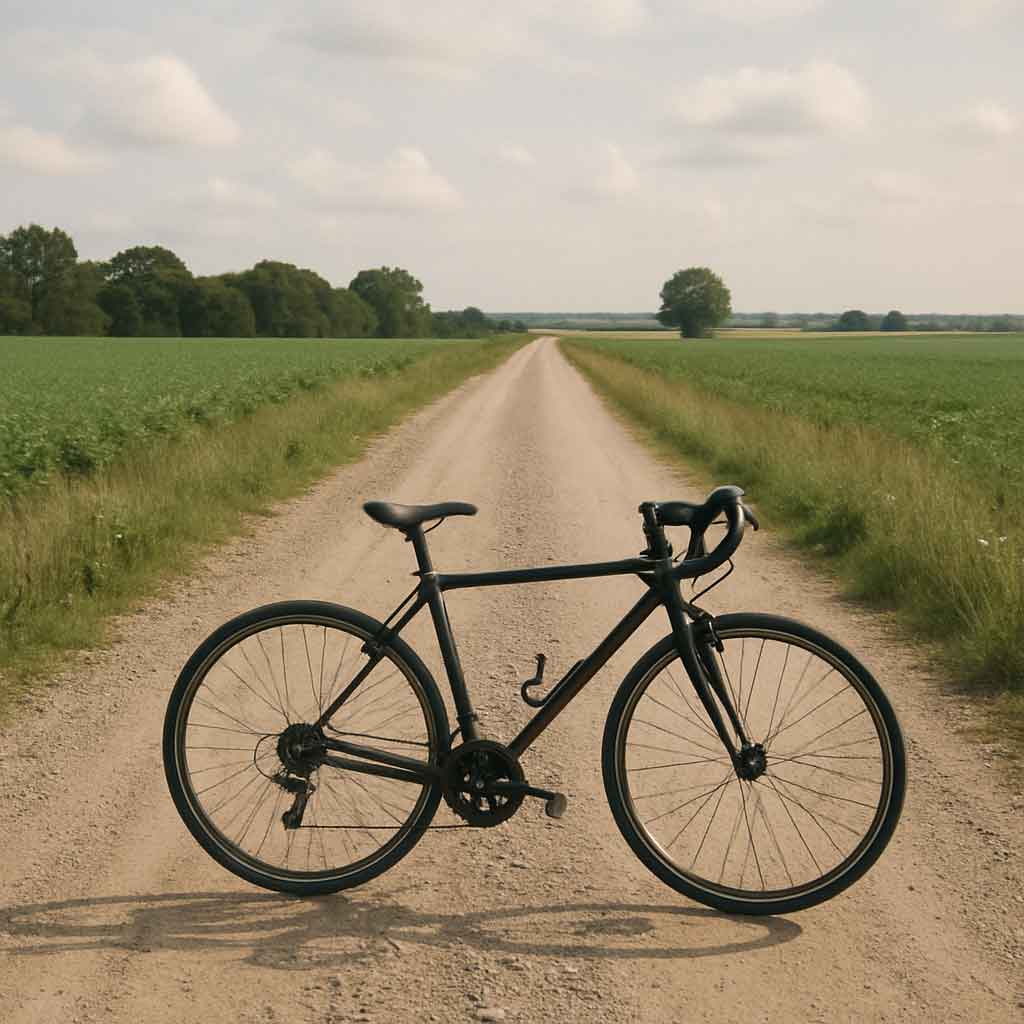
Gravel bikes are designed to handle a variety of terrains, from smooth pavement to rugged trails. Therefore, the geometry must accommodate diverse riding conditions. Here's why geometry is crucial:
Comfort and Stability on Varied Terrains
Gravel biking often involves long hours in the saddle. A bike with the right geometry can provide a comfortable ride, reducing fatigue. The geometry affects how the bike absorbs shocks and vibrations from rough terrain. A well-designed frame will allow you to ride longer without discomfort. For instance, a bike with a relaxed geometry can help cushion the impact from gravel roads, making it easier to handle prolonged rides over uneven surfaces. This is particularly important for endurance riders who need to maintain comfort over extended periods.
Handling and Control: Confidence on Every Ride
On gravel roads, handling and control are paramount. The geometry influences how the bike responds to steering inputs and how stable it feels. A bike with a balanced geometry will give you confidence to tackle sharp turns and descents, ensuring a safer ride. Whether you're navigating tight corners or descending steep hills, the right geometry can enhance your control and responsiveness. This is essential for riders who frequently encounter technical sections or variable terrain, where precise handling can make the difference between a smooth ride and a struggle.
Versatility: Adapting to Different Terrains
Gravel bikes are prized for their versatility. A bike with adaptable geometry can handle different types of terrain with ease. Whether you're racing on gravel or bikepacking across varied landscapes, the right geometry will enhance your bike's performance across all conditions. This versatility is a key reason why many cyclists choose gravel bikes, as they offer the ability to transition seamlessly from one type of terrain to another. A well-designed geometry ensures that you can enjoy a wide range of riding experiences without compromising on performance or comfort.
Impact on Riding Efficiency and Energy Use
The geometry of a gravel bike can also influence your riding efficiency and how effectively you use your energy. A geometry that aligns with your riding style and body position can optimize power transfer, allowing you to pedal more efficiently. This is particularly important for long rides where conserving energy is crucial. By choosing a bike with a geometry that suits your style, you can enhance your overall riding experience, ensuring that every pedal stroke is as effective as possible.
Exploring Gravel Bike Frame Shapes
Gravel bike frames come in various shapes and sizes, each designed to cater to different riding styles and body types. Here's what to consider:
Compact Frame: Agility and Maneuverability
A compact frame often features a sloping top tube, which lowers the bike's standover height. This design offers greater clearance and can make the bike more manageable, especially in technical sections. Riders who prefer a more agile and responsive bike often choose this geometry. The compact frame allows for quick handling and maneuverability, making it ideal for navigating challenging trails or urban environments. This frame shape can enhance your ability to react swiftly to obstacles, ensuring a more dynamic riding experience.
Traditional Frame: Stability and Gear Attachment
Traditional frames have a horizontal top tube, providing a classic look and feel. This design can offer more stability, making it a popular choice for riders who prioritize comfort over nimbleness. It's also beneficial for carrying gear, as the geometry can accommodate more attachment points for racks and bags. This makes traditional frames ideal for bikepacking adventures or long-distance touring, where stability and gear capacity are essential. The ability to carry extra equipment without affecting ride stability is a significant advantage for many cyclists.
Endurance Frame: Comfort for Long Journeys
Endurance frames focus on comfort for long rides. They typically have a relaxed geometry with a higher stack and shorter reach, putting the rider in a more upright position. This reduces strain on the back and neck, allowing for extended hours in the saddle without discomfort. Endurance frames are perfect for riders who embark on long-distance journeys, as they prioritize comfort while maintaining efficiency. The relaxed posture can help prevent fatigue, ensuring that you can enjoy your ride without unnecessary physical strain.
Aero Frame: Speed and Aerodynamics
While not as common in gravel bikes as in road cycling, aero frames are designed to reduce wind resistance and enhance speed. These frames often feature sleek, aerodynamic tubing and a more aggressive riding position. For gravel racers or those who prioritize speed on flatter, smoother gravel roads, an aero frame can provide a noticeable performance boost. However, it's essential to balance aerodynamics with comfort, as a more aggressive position may not suit all riders or terrains.
How to Choose the Right Geometry for You
.jpg)
by Eric Kraft (https://unsplash.com/@eric_kraft)
Selecting the right gravel bike geometry depends on your riding style, the terrain you frequent, and personal comfort preferences. Here are some steps to guide you:
Assess Your Riding Style and Terrain
Consider where you'll be riding most often. If you're tackling rough, technical trails, a bike with a compact or more aggressive geometry might suit you best. For long, leisurely rides on mixed terrain, an endurance frame could provide the comfort you need. Understanding your primary riding style and the type of terrain you encounter most often is crucial in selecting a bike that meets your needs. This assessment will help ensure that your bike's geometry complements your riding goals and enhances your experience.
Test Ride Different Geometries: Feel the Difference
Whenever possible, test ride bikes with different geometries. Pay attention to how each bike feels in terms of handling, comfort, and responsiveness. This firsthand experience can be invaluable in making your decision. Experiencing the differences in geometry can help you understand what works best for your body and riding style. Testing various bikes allows you to compare the subtle nuances in handling and comfort, ensuring that you choose a bike that feels right for you.
Consult with a Professional: Expert Guidance
If you're unsure about what geometry suits you, consult with a bike fitting specialist. They can help assess your body measurements and riding style to recommend a geometry that will optimize your performance and comfort. Professional bike fitters can offer insights that you might not consider, such as adjustments for specific body mechanics or riding preferences. Their expertise can guide you toward a bike that not only fits well but also enhances your overall cycling experience.
Consider Future Riding Goals
Think about your future riding aspirations when choosing a bike geometry. If you plan to participate in gravel races or embark on long bikepacking trips, your geometry needs might differ. Consider how your cycling goals might evolve and choose a geometry that can adapt to these changes. This forward-thinking approach ensures that your bike remains suitable as your skills and interests develop, providing ongoing satisfaction and performance.
Conclusion
Gravel bike frame geometry is more than just numbers; it's a critical factor that influences your riding experience. From comfort and handling to versatility and performance, the right geometry can make a significant difference. By understanding the basics and considering your personal needs, you can choose a gravel bike that enhances every ride, whether you're racing, exploring, or simply enjoying the journey.
Remember, the best bike is one that fits well and feels right for you. Take the time to understand geometry, and you'll find a gravel bike that meets your needs and elevates your adventures on two wheels. Investing in the right geometry ensures that every pedal stroke is efficient and every ride is enjoyable, unlocking the full potential of your gravel biking adventures.






 Jack Ding

