Welcome to Mondince Bike - A well-known factory specialized in produce carbon bike frame and other parts since 2007.


Choosing the Right Gravel Fork for You
Choosing the right gravel fork for your bike can significantly enhance your riding experience, providing the right blend of comfort, control, and performance. Whether you're a seasoned cyclist or a weekend warrior, understanding the different types of forks available can help you make an informed decision. In this article, we'll break down everything you need to know about gravel forks, from the basics to the specifics of selecting the best one for your needs.
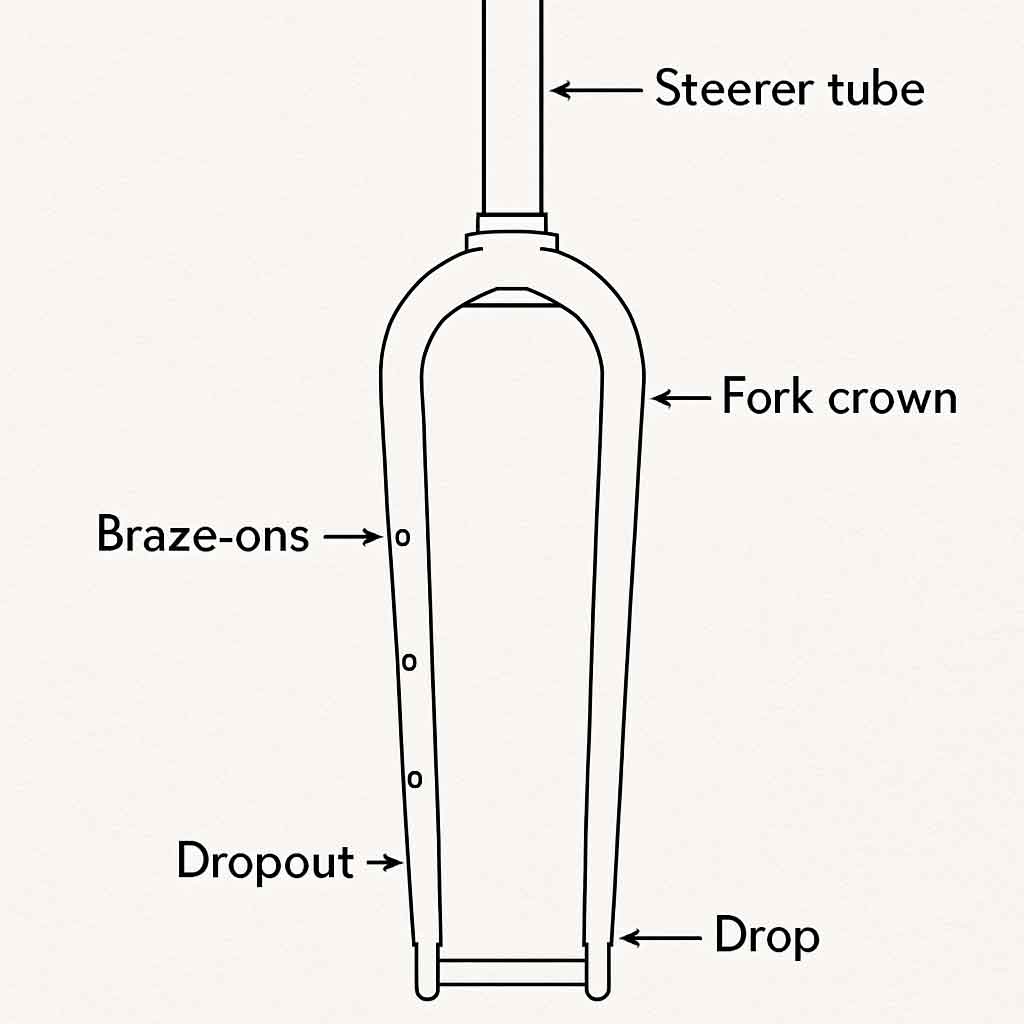
Gravel forks are designed to handle the diverse terrains and conditions that gravel biking involves. Unlike traditional road bike forks, gravel forks are built to absorb more shock and provide better stability on uneven surfaces. They come in various materials and designs, each offering distinct advantages.
Types of Gravel Forks
Gravel forks can be broadly categorized into rigid forks and suspension forks. Each type has its pros and cons, depending on your riding style and the terrain you usually encounter.
Rigid Gravel Forks
Rigid forks are simpler in design and typically lighter than suspension forks. They are ideal for riders who prioritize speed and efficiency over comfort. If you frequently ride on well-maintained gravel paths, a rigid gravel fork might be the best choice for you.
Suspension Gravel Forks
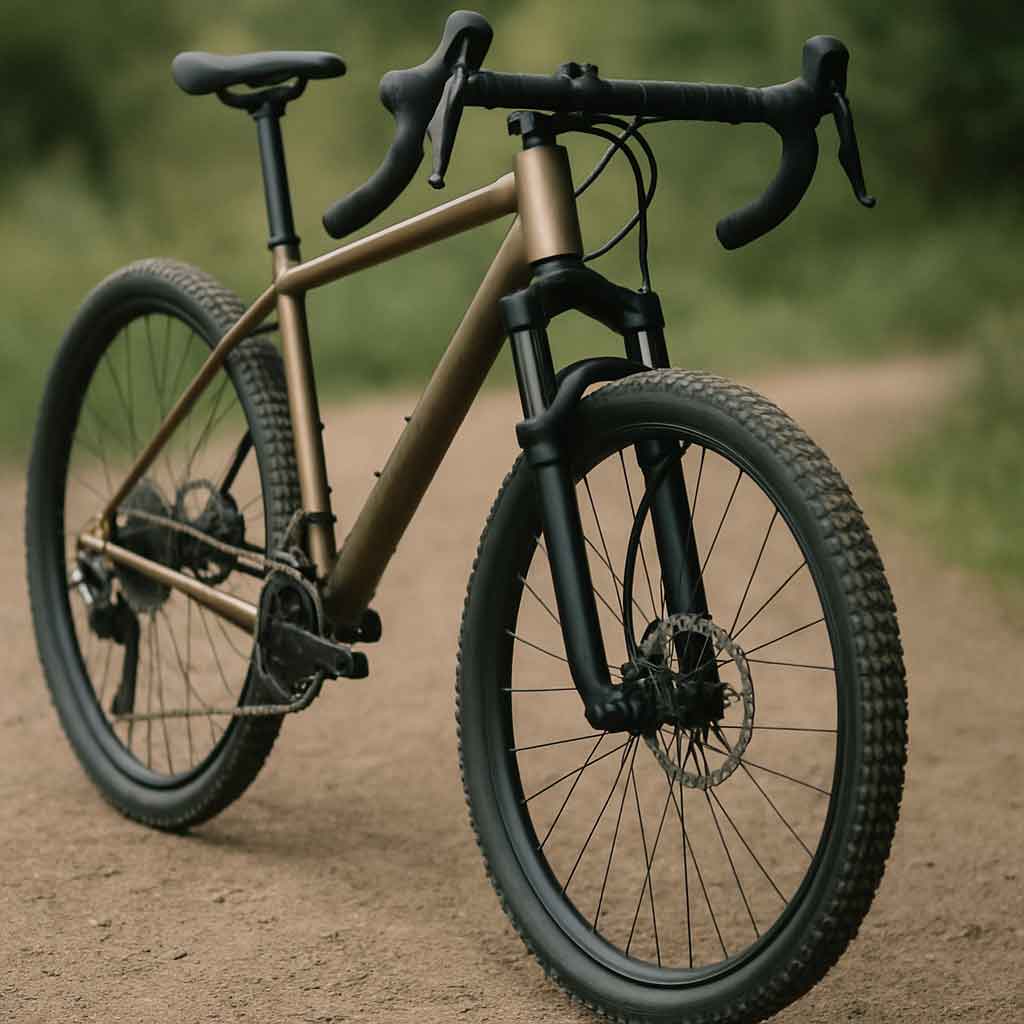
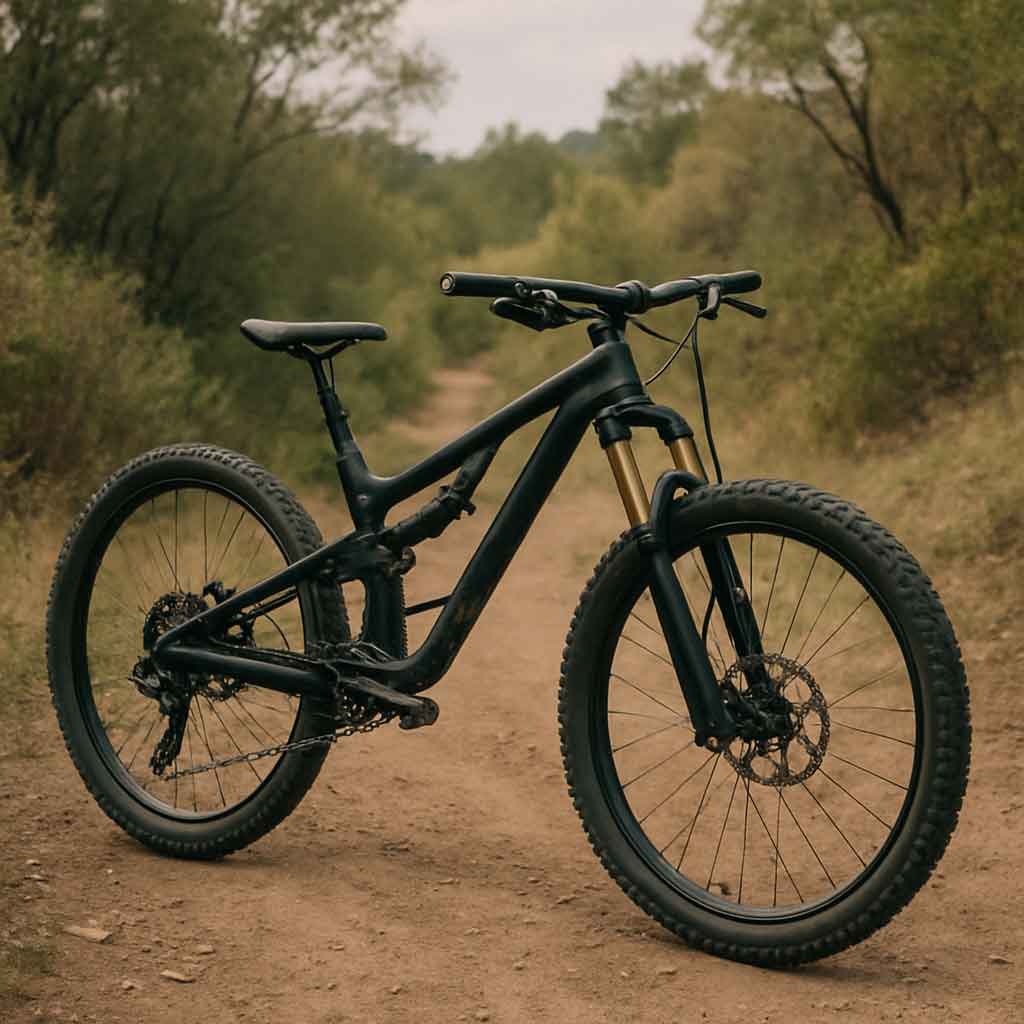
Suspension forks offer additional comfort and control by absorbing shocks from rough terrain. This makes them a popular choice for riders who tackle challenging trails with lots of bumps and obstacles. While they are slightly heavier and more expensive than rigid forks, the added comfort can be worth it, especially for long rides.
Materials Matter
The material of your gravel fork can greatly impact its performance and durability. Here are the most common materials used in gravel forks:
Carbon Fiber
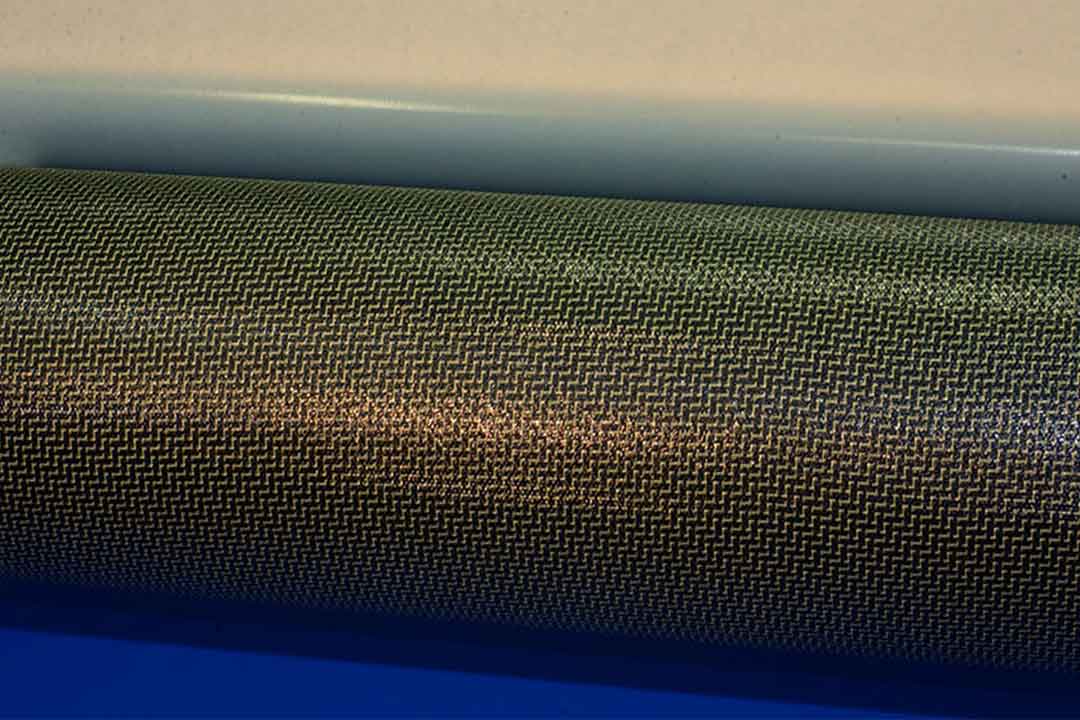
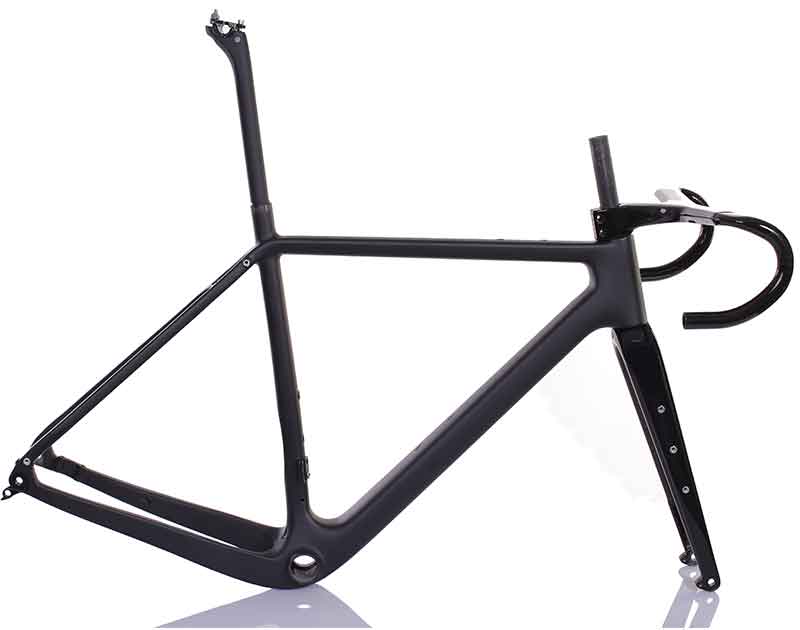
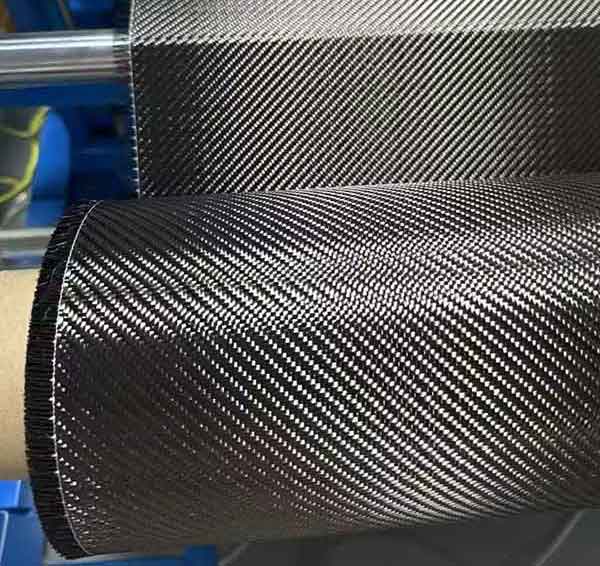
Carbon fiber forks are known for being lightweight and strong, providing excellent performance on rough surfaces. They offer a good balance of stiffness and comfort, making them a popular choice among serious gravel riders. However, they can be more expensive than other options.
Steel
Steel gravel forks are renowned for their durability and comfort. They can absorb a lot of road vibrations, which is a significant advantage on bumpy trails. While they may be heavier than carbon fiber forks, their robustness and comfort often make them a preferred choice for touring and long-distance cycling.
Aluminum
Aluminum forks are a middle-ground option, offering a balance between weight, durability, and cost. They are lighter than steel forks and more affordable than carbon fiber options, making them a versatile choice for many riders.
Key Features to Consider
When choosing a gravel fork, consider the following features to ensure it meets your specific needs:
Tire Clearance
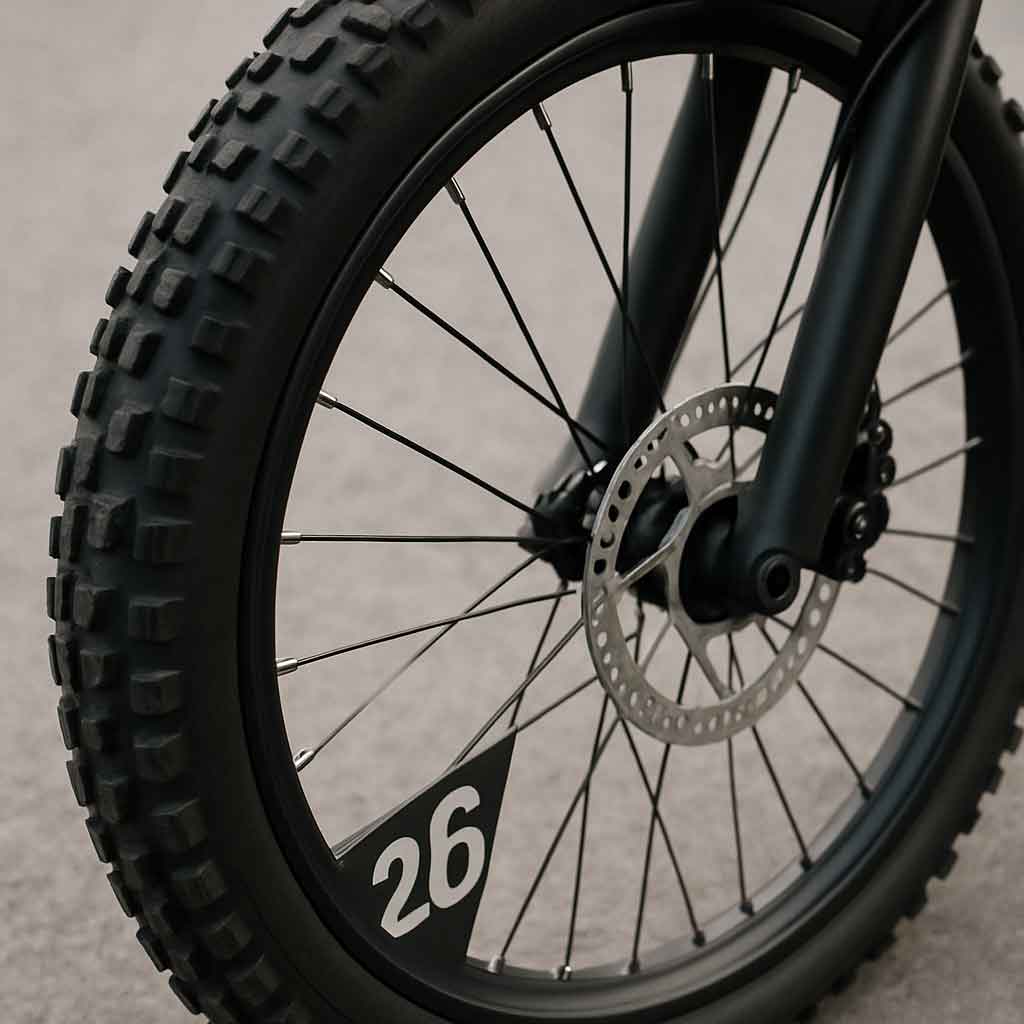
Make sure the fork you choose has enough clearance for the tire size you plan to use. Wider tires offer better stability and comfort on rough terrain, so your fork should accommodate them without issues.
Fork Travel
Fork travel refers to the amount of movement the fork allows when absorbing shocks. More travel can provide additional comfort but may also affect the bike's handling. Consider how much travel you need based on the terrain you ride most often.
Mounting Options
Some forks come with mounts for accessories like racks or fenders. If you plan to use your gravel bike for bikepacking or commuting, look for a fork with appropriate mounting options.
Choosing the Best Gravel Fork for You

by Yuri Krupenin (https://unsplash.com/@cubeofwood)
Selecting the right gravel fork depends on various factors, including your riding style, terrain, and personal preferences. Here are some steps to help you make the right choice:
Assess Your Riding Conditions
Consider the types of trails you ride most frequently. Are they smooth and well-maintained, or rugged and challenging? Your typical riding conditions will greatly influence whether you should opt for a rigid or suspension fork.
Set a Budget
Gravel forks come in a wide range of prices. Determine your budget early on to narrow down your options. Remember, while more expensive forks often offer better performance and materials, there are many affordable options that provide excellent value.
Test Ride Different Forks
If possible, test ride bikes equipped with different types of forks. This hands-on experience can give you a better feel for the differences in handling and comfort, helping you make a more informed decision.
Conclusion
Choosing the right gravel fork can enhance your riding experience, providing the comfort and control needed for enjoyable rides on varied terrains. By understanding the different types of forks, materials, and features, you can select the best option for your needs and preferences. Whether you opt for the simplicity of a rigid fork or the cushioning of a suspension fork, the right choice will make your gravel adventures more enjoyable and fulfilling.
Remember, the best gravel fork for you is one that matches your riding style, fits your bike, and suits your personal preferences. Take the time to research and test different options, and you'll be well on your way to finding the perfect fork for your gravel biking adventures.







 Jack Ding

