Welcome to Mondince Bike - A well-known factory specialized in produce carbon bike frame and other parts since 2007.


Top Features to Look for in Gravel Forks
When it comes to choosing the right gravel fork for your bike, the options can feel overwhelming. With so many variations and features available, how do you decide which one will best suit your riding style and terrain needs? In this guide, we'll break down the top features to consider when selecting a gravel fork to ensure you make an informed decision.
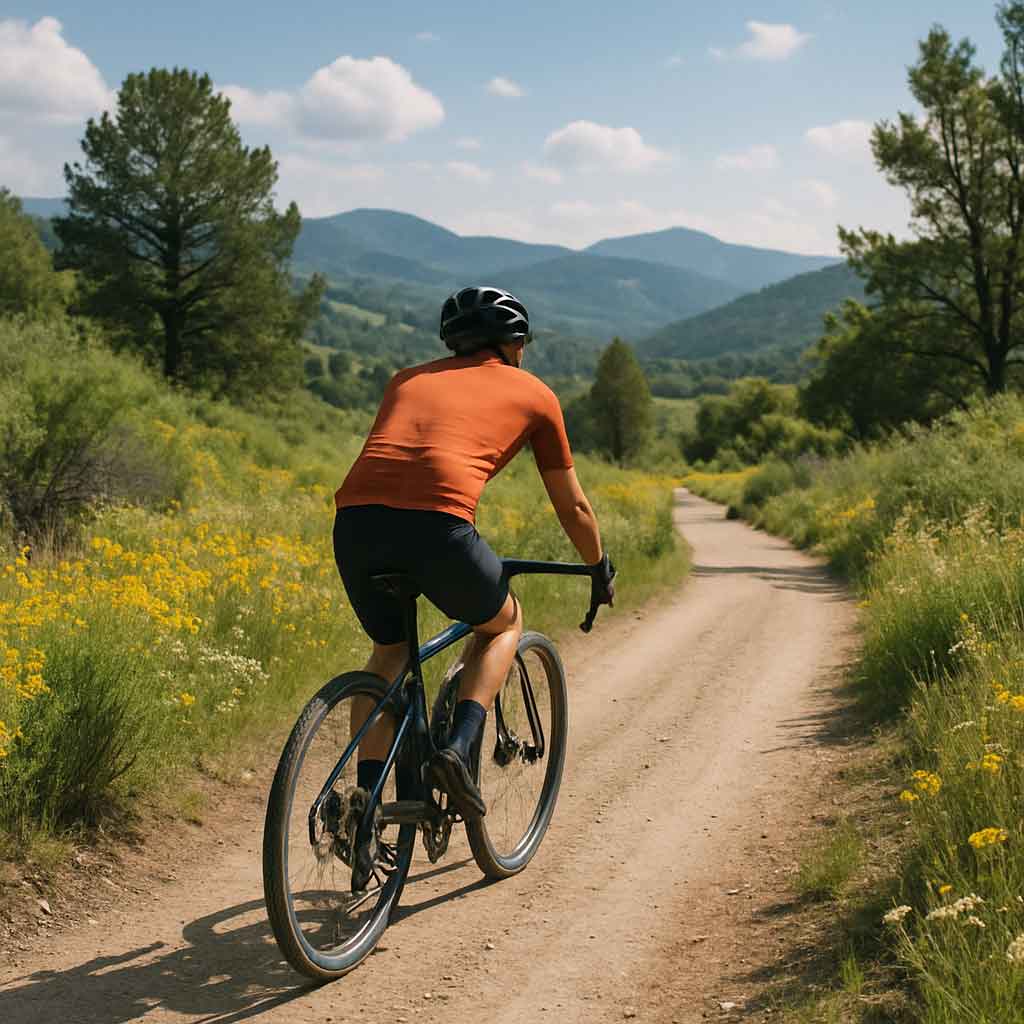
Gravel forks are a critical component of gravel bikes, designed to handle a mix of surfaces from paved roads to rugged trails. They offer the versatility and durability needed for off-road adventures and ensure your ride is smooth and controlled. Understanding the intricacies of gravel forks is essential to make an informed choice that enhances your riding experience.
The Anatomy of a Gravel Fork
The design of a gravel fork is tailored to accommodate the unique demands of gravel riding. Unlike standard road forks, gravel forks are engineered to handle the stresses of rough terrain. Key components include the fork legs, crown, and steerer tube, each playing a vital role in the fork's functionality and performance.
The Role of Suspension
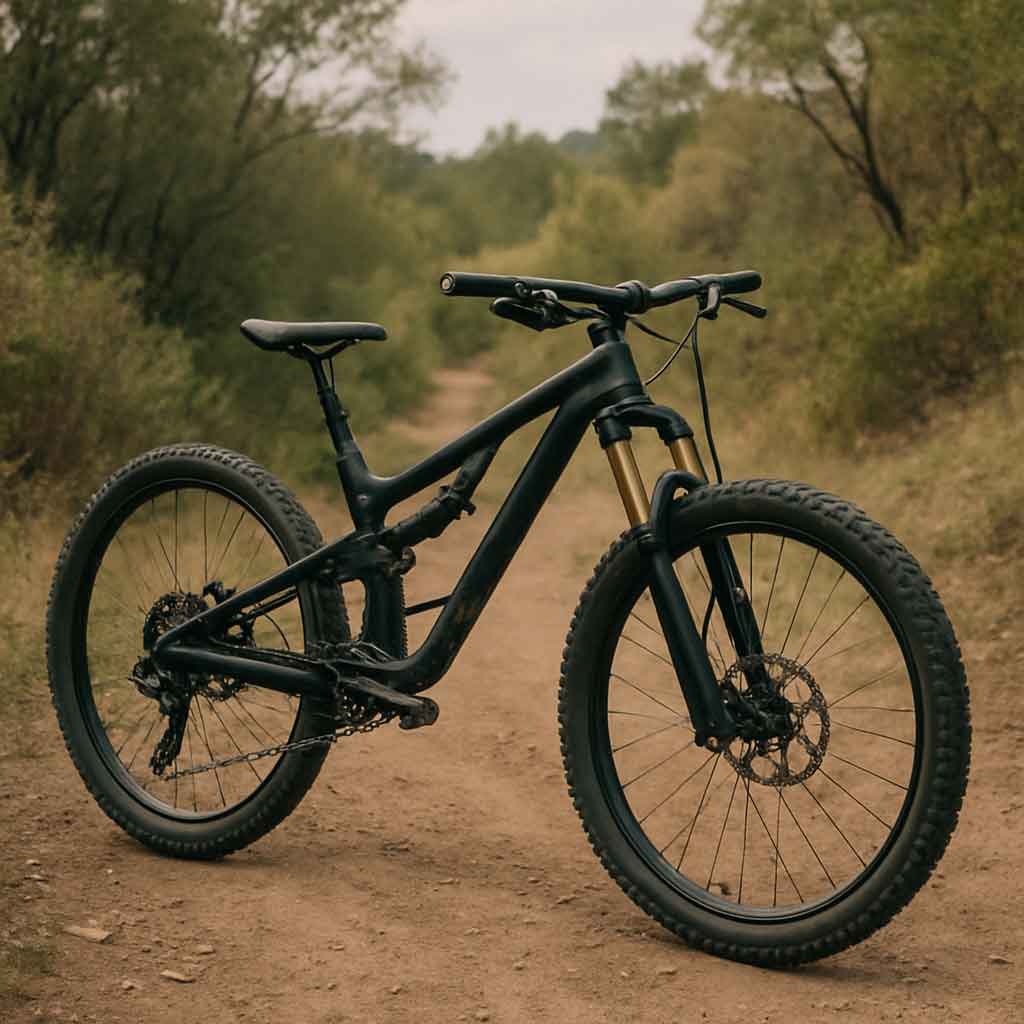
One of the primary considerations when choosing a gravel fork is whether it has suspension. A gravel bike suspension fork is designed to absorb shocks and vibrations from rough terrain, providing a more comfortable ride. This is particularly important if you plan to tackle challenging trails or long-distance rides. Suspension systems vary in complexity, with some offering adjustable settings to fine-tune your ride.
Impact of Fork Geometry
Fork geometry, including rake and trail, significantly affects handling and stability. A fork with the right geometry can enhance your bike's responsiveness and control, especially on technical trails. Understanding these geometric parameters can help you choose a fork that complements your riding style and improves your overall biking experience.
Key Features to Consider
Choosing the right gravel fork involves considering several key features that align with your riding needs and preferences. Each feature plays a crucial role in the fork's performance and suitability for different terrains and riding styles.
Material Matters: Steel vs. Carbon
When it comes to materials, gravel forks are commonly made from steel or carbon. Each has its advantages:
- Steel Gravel Fork: Known for its durability and comfort, a steel gravel fork provides a smooth ride by effectively absorbing road vibrations. It's a great choice for riders who prioritize comfort and longevity. Steel forks are also known for their resilience and ability to withstand harsh conditions, making them ideal for adventure cyclists.
- Carbon Gravel Fork: Lighter and more rigid than steel, carbon forks offer improved performance, especially for competitive riding. They provide excellent vibration damping and can enhance the overall speed and agility of your bike. Carbon forks are favored by those who seek to maximize efficiency and minimize weight for competitive advantage.
Suspension Travel and Adjustability
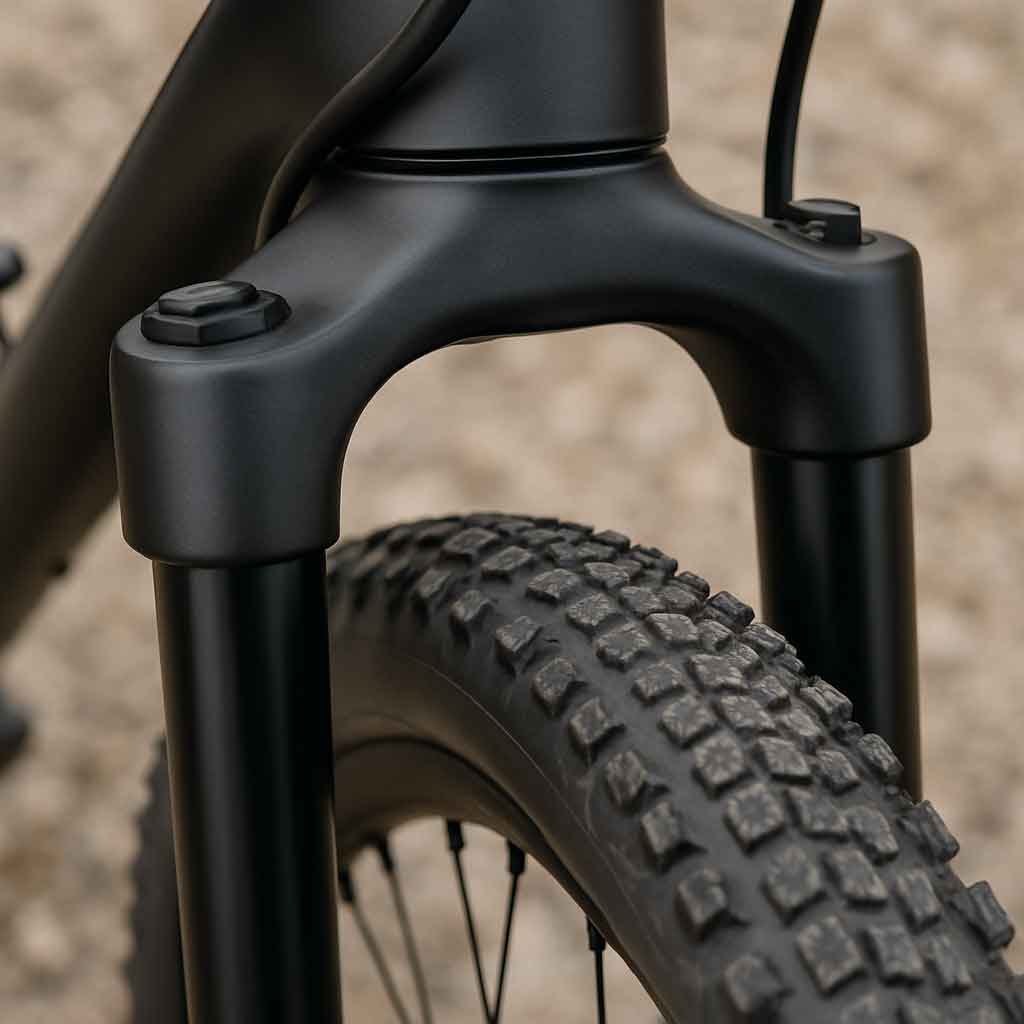
Suspension travel refers to how much the fork can compress to absorb impacts. For gravel bikes, a travel range of 30-50mm is generally sufficient. Additionally, look for forks with adjustable suspension, which allows you to customize the stiffness and responsiveness based on your riding conditions. Adjustable travel is particularly beneficial for riders who encounter varying terrains on a single ride.
Tire Clearance
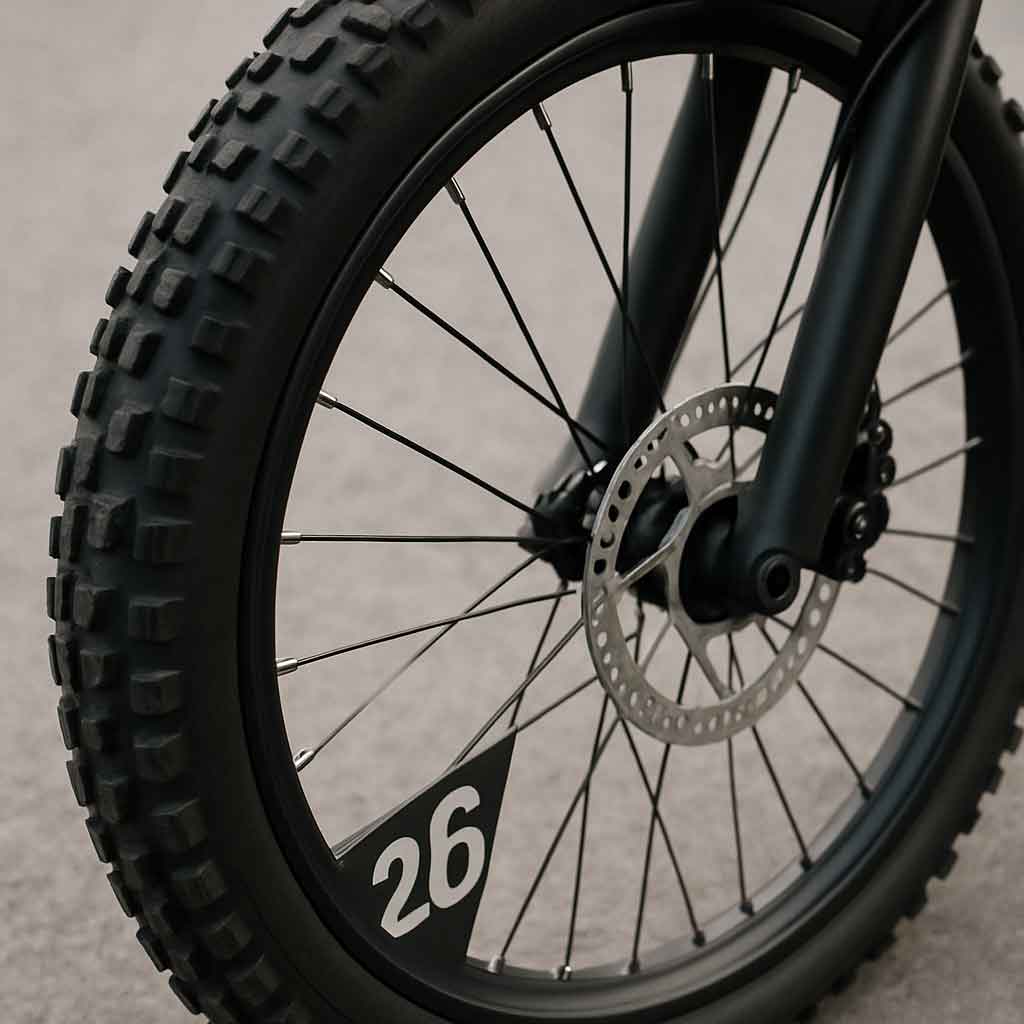
Tire clearance is another crucial factor. Gravel bikes often use wider tires to improve traction and stability on loose surfaces. Ensure that the fork you choose has ample clearance to accommodate the tire width you prefer. This flexibility can make a significant difference in your bike's performance on varied terrains. Wider tires can enhance comfort and control, particularly on loose or uneven surfaces.
Mounting Options
Consider the mounting options available on the fork. Many gravel forks come with eyelets or mounts for attaching racks, fenders, or bikepacking gear. If you plan on using your gravel bike for touring or commuting, having these mounts can be incredibly convenient. Mounts expand the functionality of your bike, allowing you to carry essential gear for extended rides or daily commutes.
Axle Type and Compatibility
The type of axle used in a gravel fork affects its stiffness and compatibility with different wheelsets. Thru-axles are common in modern gravel forks, offering increased rigidity and improved handling. Ensuring compatibility with your bike's frame and wheels is essential to avoid fitment issues and optimize performance.
Performance and Comfort
The performance and comfort of a gravel fork are paramount to an enjoyable riding experience. A well-chosen fork can enhance your bike's handling, reduce fatigue, and improve overall ride quality.
Vibration Damping
Gravel riding can be jarring, so a fork with excellent vibration damping capabilities is essential. Both steel and carbon forks are designed to reduce the impact of vibrations, but carbon forks often offer superior performance in this area due to their advanced materials and construction. Effective vibration damping can significantly reduce rider fatigue and improve comfort on long rides.
Weight Considerations
Weight is a key factor for many cyclists, especially those who participate in races or long-distance rides. Carbon forks are generally lighter than steel, which can make a noticeable difference in the bike's overall weight and performance. However, steel forks provide unmatched durability, which might be more important for some riders. Balancing weight and durability is crucial for optimizing performance and longevity.
Steering Precision
A high-quality gravel fork should enhance steering precision and control. This is particularly important when navigating technical trails or uneven surfaces. Look for forks that offer a balance between stiffness and compliance to ensure you maintain control in all riding conditions. Precise steering can boost confidence and safety, allowing you to tackle challenging terrain with ease.
Comfort and Compliance
The compliance of a gravel fork can greatly affect rider comfort. A fork that effectively absorbs shocks and vibrations reduces strain on the rider, making for a more enjoyable ride. Enhanced compliance is particularly beneficial for long-distance cyclists who spend extended periods on the bike.
Choosing the Best Gravel Fork

by Yura Timoshenko (https://unsplash.com/@yuradesign)
When selecting the best gravel fork for your needs, it's important to consider the type of riding you'll be doing most often. Here are a few tips to help you decide:
- Casual Riders: If you mostly ride on mixed surfaces with occasional off-road adventures, a steel gravel fork with moderate travel and good tire clearance might be the best choice for comfort and versatility. Prioritize features that enhance comfort and durability for varied terrain.
- Competitive Cyclists: For those focused on speed and performance, a carbon gravel fork with minimal weight and adjustable suspension is ideal. Opt for a fork that maximizes efficiency and agility, giving you a competitive edge in races.
- Adventure Cyclists: If bikepacking and long-distance touring are your goals, look for forks with ample mounting options and durability to withstand the rigors of travel. A robust and versatile fork is essential for handling the demands of extended journeys.
- Urban Commuters: For cyclists who primarily use their gravel bikes for commuting, consider a fork with mounting options for fenders and racks. This setup enhances practicality and ensures your bike is well-suited for daily use.
Maintenance and Care
Proper maintenance and care are crucial to prolonging the life of your gravel fork and ensuring it performs optimally. Regular upkeep can prevent issues and enhance your riding experience.
Regular Inspections
Regardless of the type of fork you choose, regular maintenance is essential to keep it performing well. Inspect the fork for any signs of wear or damage before each ride, and address any issues promptly to avoid more significant problems down the road. Regular inspections help catch potential problems early, preventing costly repairs or replacements.
Cleaning and Lubrication
Keep your fork clean by removing dirt and debris after each ride. Lubricate moving parts as needed to ensure smooth operation. If your fork has adjustable suspension, follow the manufacturer's guidelines for maintenance and adjustments. Proper cleaning and lubrication can enhance performance and extend the lifespan of your fork.
Professional Servicing
Periodic professional servicing can ensure your fork remains in top condition. A skilled technician can perform comprehensive inspections, adjustments, and repairs that might be beyond the scope of routine maintenance. Regular professional checks are particularly important for riders who frequently tackle challenging terrain.
Seasonal Adjustments
Adjust your fork settings to match seasonal changes in riding conditions. For instance, you might need to adjust suspension settings or switch tire sizes based on weather and trail conditions. Adapting your fork to seasonal variations can optimize performance and comfort throughout the year.
Conclusion
Selecting the right gravel fork can significantly enhance your biking experience by improving comfort, control, and performance. By considering factors such as material, suspension, tire clearance, and mounting options, you can find a fork that perfectly matches your riding style and needs. Whether you're a casual rider or a competitive cyclist, investing in a quality gravel fork will ensure you enjoy every mile of your adventure.






 Jack Ding

