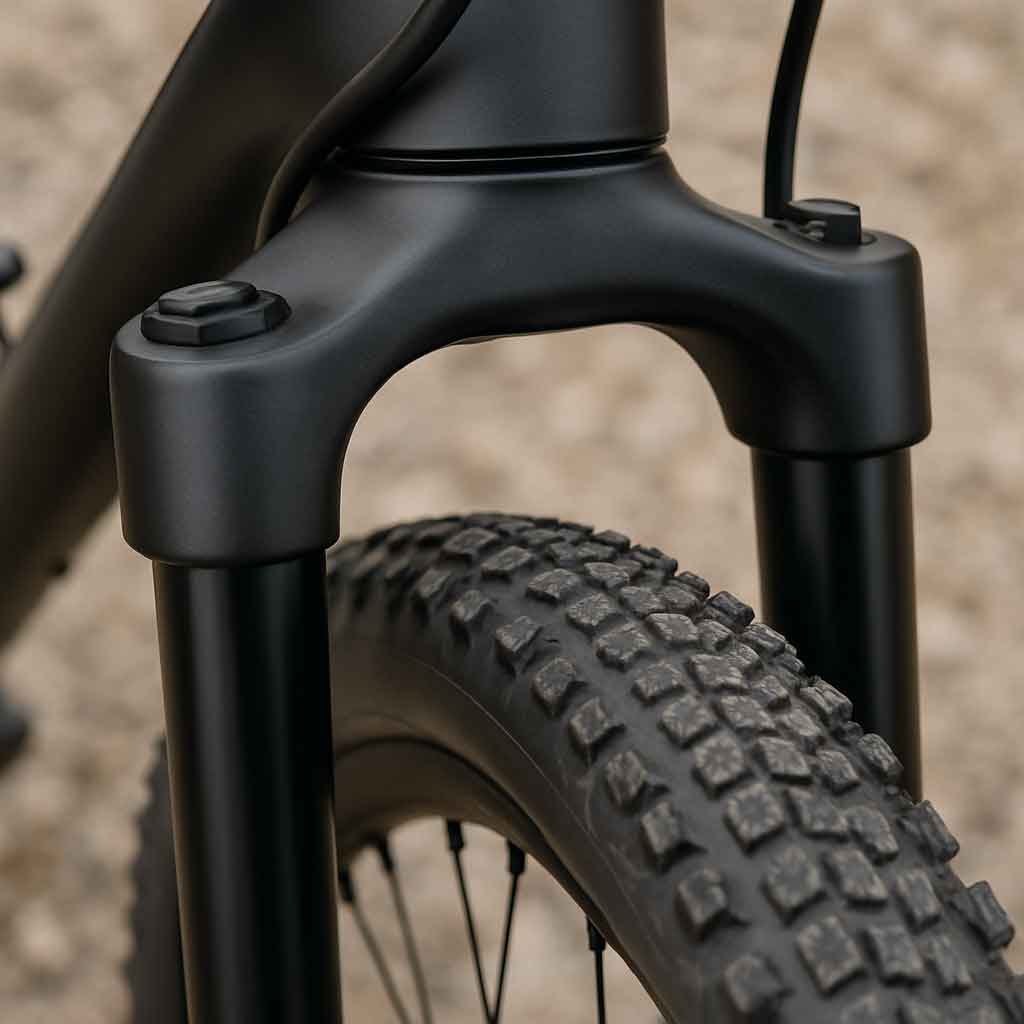

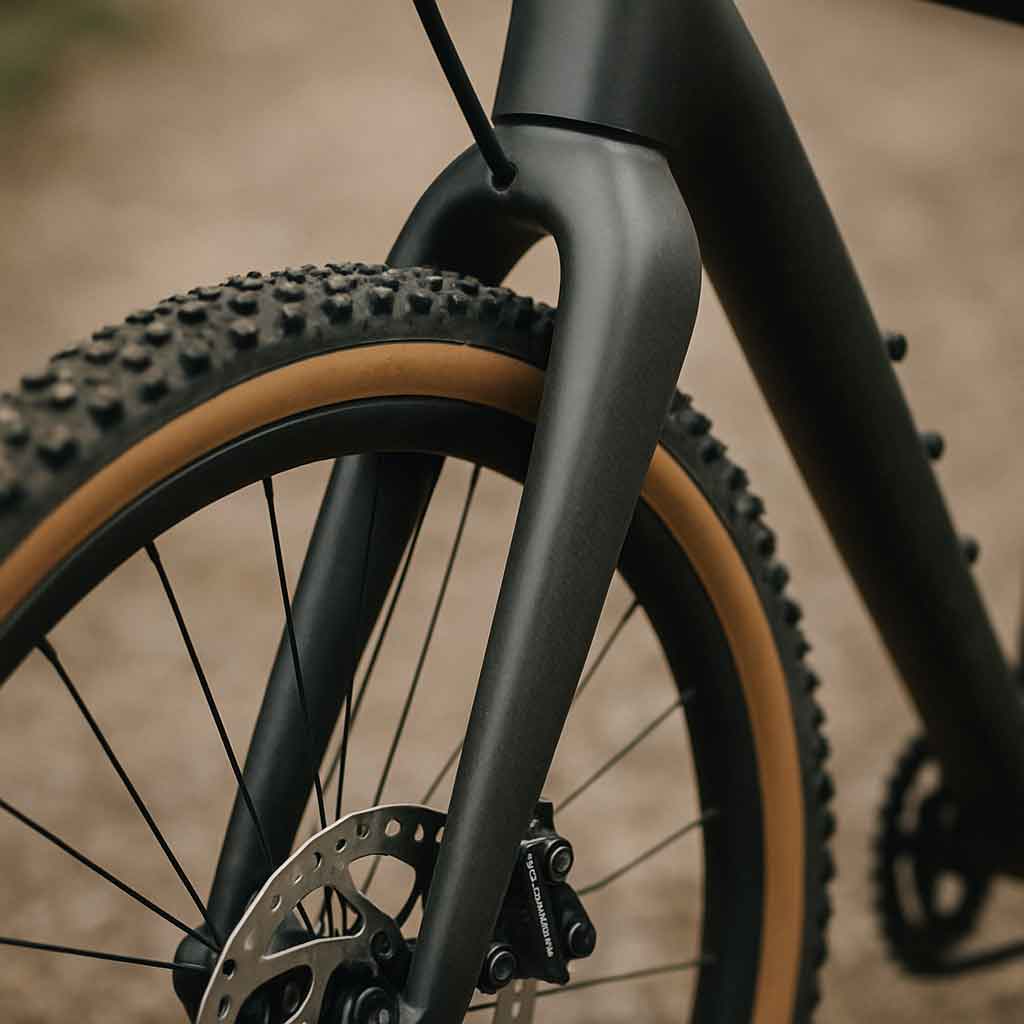
Before diving into maintenance tips, it's crucial to understand the different types of gravel forks available. A gravel bike fork is designed to absorb shock and provide stability on uneven terrain. This understanding helps you tailor your maintenance routine to suit your specific fork type, which can vary significantly in terms of construction and intended use. Here's a quick overview of the common types:
Types of Gravel Forks
- Gravel Suspension Fork: Offers excellent shock absorption, ideal for rough trails. The intricate design of suspension forks often means they require more detailed maintenance to ensure all moving parts function smoothly. Regular checks for air pressure and damping adjustments can optimize your performance.
- Steel Gravel Fork: Known for durability and strength, suitable for heavy-duty use. Steel forks are less prone to damage from minor impacts but can suffer from rust if not properly cared for. Regular cleaning and protective coatings are crucial to maintain their longevity.
- Carbon Gravel Fork: Lightweight and offers a good balance of stiffness and comfort. While carbon forks provide excellent performance, they require careful handling to avoid damage. Inspections for cracks and chips are vital as even minor damages can compromise the fork's integrity.
- Rigid Gravel Fork: Simpler design, often used by those who prefer less maintenance. Rigid forks are generally more straightforward to maintain but still require regular cleaning and inspection to ensure they remain reliable and safe.
Each type has its unique features, and your maintenance routine may vary slightly depending on the fork you use. Understanding these differences will help you apply the correct maintenance techniques and avoid potential issues that could arise from improper care.
Routine Maintenance Steps
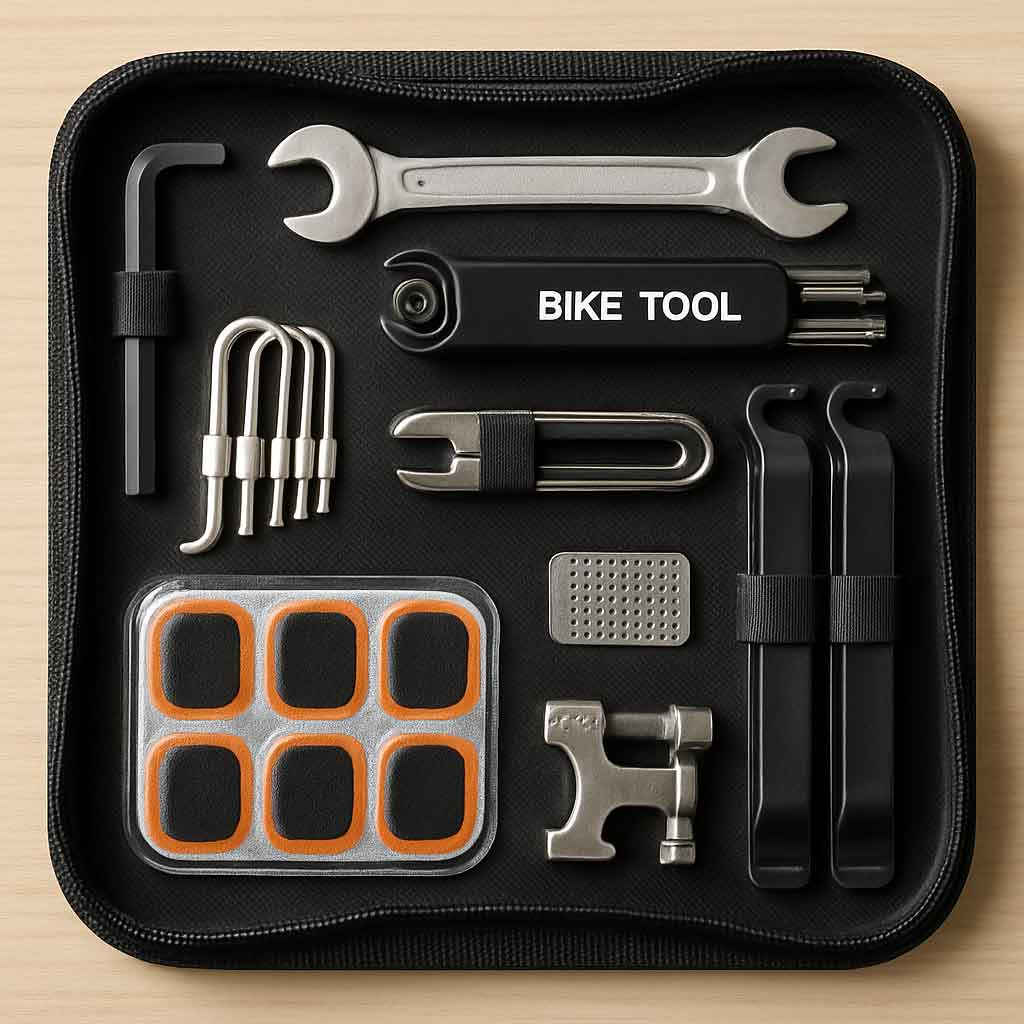
Following these steps can help extend the life of your gravel fork and keep your rides enjoyable. Regular maintenance not only prolongs the lifespan of your fork but also enhances your safety while riding by preventing unexpected failures.
Cleaning Your Fork
Keeping your gravel fork clean is one of the simplest yet most effective maintenance tasks. Dirt and grime can accumulate, leading to wear and corrosion. Regular cleaning prevents these issues and ensures your fork operates smoothly.
- Step 1: Use a soft brush to remove loose dirt and debris. This prevents scratches that can occur when wiping down a dirty surface.
- Step 2: Wipe down the fork with a damp cloth, avoiding high-pressure water jets as they can force dirt into seals. This method protects the seals from premature wear and potential leaks.
- Step 3: Dry the fork thoroughly to prevent rust, especially if you have a steel gravel fork. Ensuring all moisture is removed helps maintain the fork's finish and structural integrity.
Lubrication
Proper lubrication reduces friction and ensures smooth operation. However, excessive lubrication can attract dirt, so moderation is key. The right amount of lubrication can make a significant difference in the performance and longevity of your fork.
- Step 1: Apply a small amount of lubricant to the moving parts of the fork. This helps reduce resistance and wear on the components.
- Step 2: Wipe off any excess lubricant to prevent dirt accumulation. Excess lubricant can attract dust and grime, which can create a grinding paste that wears down components.
- Step 3: Check your bike's manual for specific lubricant recommendations for your fork type. Using the wrong type of lubricant can damage seals or reduce performance.
Inspecting for Damage
Regular inspections can help you identify potential issues before they become serious. Early detection of problems can save you time and money in the long run.
- Step 1: Look for any visible cracks or dents in the fork. These can indicate structural damage that could lead to failure.
- Step 2: Check the seals for any signs of wear or leakage. Damaged seals can allow dirt and moisture to enter, leading to internal damage.
- Step 3: Pay attention to unusual noises or changes in performance during rides, as these can indicate internal issues. Addressing these issues early can prevent more severe damage.
Advanced Maintenance Tips
.jpg)
by Jamie Cooper (https://unsplash.com/@jamiecooper)
For those who want to delve deeper into gravel fork maintenance, here are some advanced tips. These techniques require more skill and understanding but can significantly enhance your fork's performance and lifespan.
Replacing Seals and Bushings
Over time, seals and bushings can wear out and need replacement. This task may require specific tools and expertise, so consider consulting a professional if you're unsure. Proper replacement ensures that your fork continues to function smoothly and efficiently.
- Step 1: Remove the fork from the bike following the manufacturer's instructions. This is a delicate process that requires precision to avoid damage.
- Step 2: Carefully replace worn seals and bushings. Using the correct tools is crucial to avoid damaging the new components.
- Step 3: Reassemble the fork and test its functionality before hitting the trails. This ensures everything is correctly installed and functioning as intended.
Adjusting Suspension Settings
If you have a gravel suspension fork, adjusting the suspension settings can enhance your ride comfort and performance. Proper tuning can tailor your bike's feel to your personal preferences and riding conditions.
- Step 1: Adjust the air pressure according to your weight and riding style. This ensures optimal performance and comfort.
- Step 2: Fine-tune the rebound and compression settings for optimal shock absorption. These settings affect how your fork responds to different types of terrain.
- Step 3: Test different settings on various terrains to find what works best for you. Personalizing these settings can make your rides more enjoyable and efficient.
Seasonal Maintenance Considerations
Weather conditions can affect your gravel fork's performance and longevity, so it's essential to adjust your maintenance routine accordingly. Adapting your maintenance to seasonal changes helps prevent weather-related damage and keeps your bike ready for any ride.
Winter Maintenance
In colder months, salt and moisture can accelerate rust and corrosion, especially on steel gravel forks. Proper winter maintenance ensures your fork remains in good condition despite harsh weather conditions.
- Step 1: Clean and dry your fork more frequently to remove salt residues. Salt can cause rapid corrosion if left unchecked.
- Step 2: Apply a protective coating to metal surfaces to prevent rust. This creates a barrier against moisture and salt.
- Step 3: Store your bike in a dry place to minimize exposure to moisture. Proper storage conditions are crucial for preventing rust and other moisture-related damage.
Summer Maintenance
During the summer, dust and heat can lead to increased wear on your fork. Adjusting your maintenance routine for these conditions can help prevent issues and keep your fork performing well.
- Step 1: Clean your fork regularly to prevent dust buildup. Dust can act like sandpaper, wearing down surfaces over time.
- Step 2: Check for any signs of overheating, such as discoloration. Heat can affect the performance of your fork, especially on long rides.
- Step 3: Ensure proper lubrication to reduce friction and wear. This helps maintain smooth operation even in hotter conditions.
Choosing the Best Gravel Fork for Your Needs
Selecting the right gravel fork can make a significant difference in your riding experience. Consider these factors when choosing a fork. The right fork can enhance your comfort, efficiency, and enjoyment on the trails.
- Riding Style: Determine whether you prioritize speed, comfort, or rugged durability. Different forks are optimized for different styles, so choose one that matches your needs.
- Terrain: Consider the type of trails you frequently ride on. Some forks are better suited for rough terrain, while others excel on smoother paths.
- Budget: Balance your needs with your budget, as higher-end forks may offer advanced features. Investing in a high-quality fork can pay off in terms of performance and durability.
By understanding your specific requirements, you can choose the best gravel fork that aligns with your riding goals. The right fork not only enhances your riding experience but also requires less maintenance and lasts longer.
Conclusion
Maintaining your gravel bike fork is vital for ensuring longevity and performance. By following these maintenance tips and adjusting your routine based on the season and fork type, you can enjoy smooth rides and extend the life of your bike. Whether you prefer a gravel suspension fork for shock absorption or a steel gravel fork for durability, keeping it in top condition will enhance your cycling adventures. With regular maintenance, your fork will continue to perform optimally, providing a safe and enjoyable ride every time.