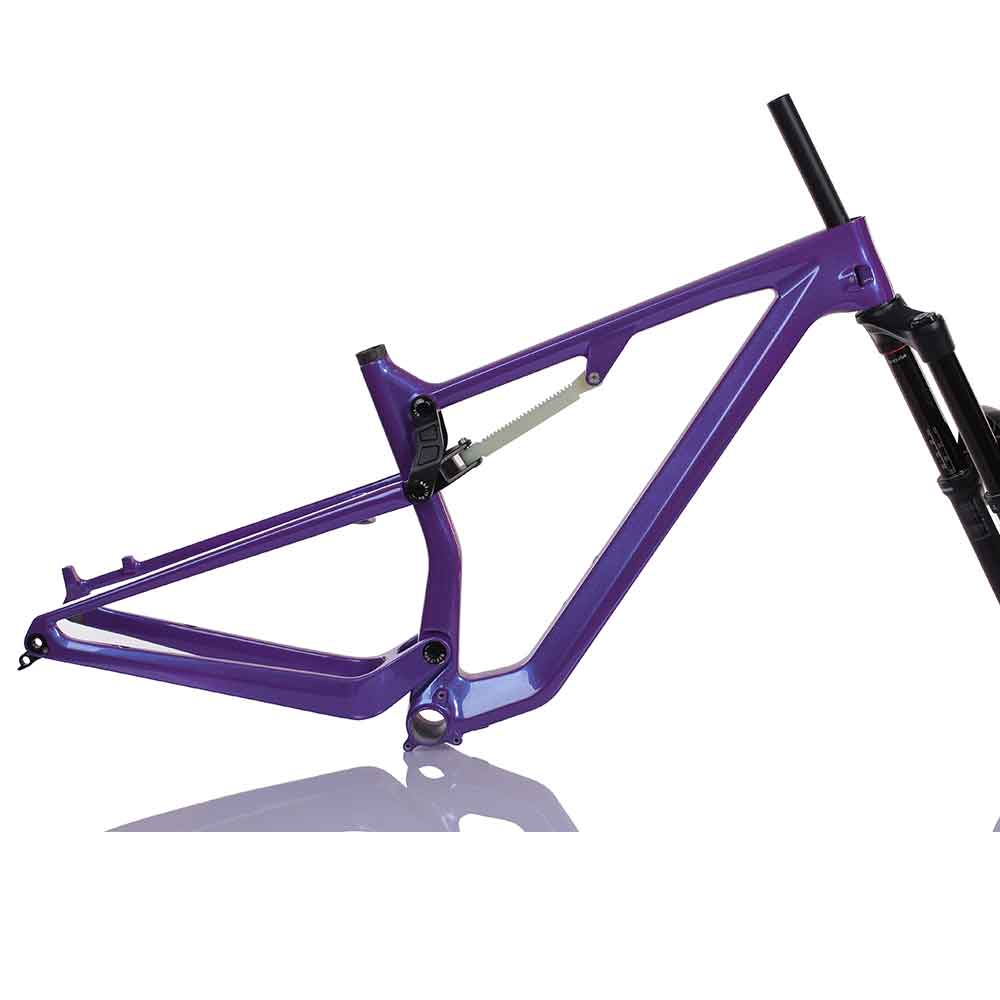

Maintaining your bicycle chain is not just a task; it's a fundamental aspect of ensuring a smooth and efficient ride. A well-maintained chain is the backbone of your bicycle, ensuring optimal performance and prolonging the life of both the chain and the gear system. Whether you're dealing with a loose chain or simply want to keep everything in pristine condition, this comprehensive guide will provide you with all the essential tips for bicycle chain maintenance, ensuring that your rides are safe, enjoyable, and hassle-free.
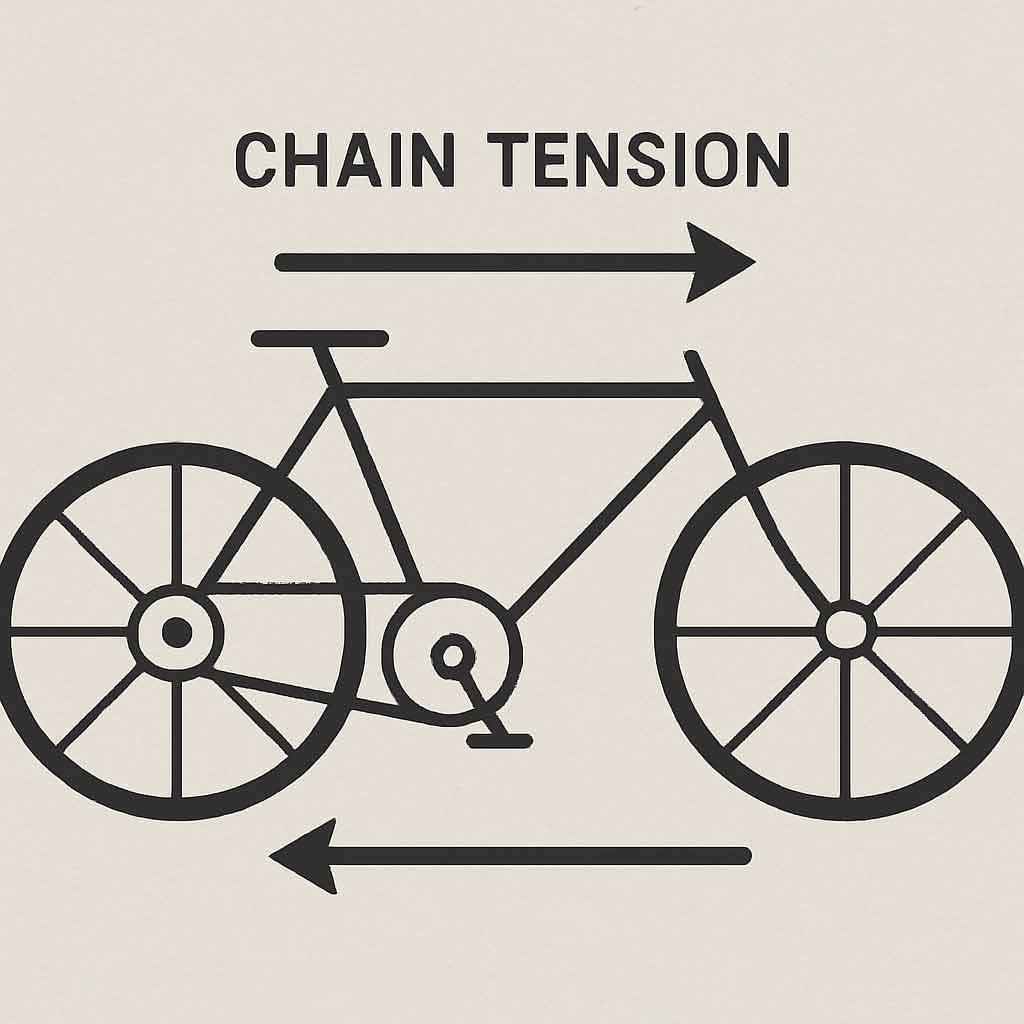
The tension of a bicycle chain is a critical factor in the overall functionality and safety of your bike. Incorrect tension can lead to various problems, from inefficient power transfer to potential accidents. Understanding and maintaining the right tension is crucial for every cyclist, whether you're a casual rider or a professional.
Why Chain Tension Matters
Chain tension is more than just about keeping the chain on the sprockets; it's about efficient energy transfer and safety. When the chain is at the correct tension, energy from pedaling is transmitted efficiently, allowing for a smoother and more enjoyable ride. A chain that's too loose can skip, causing instability and potentially leading to accidents. On the other hand, a chain that's too tight creates unnecessary friction, making pedaling harder and wearing out components faster. Proper chain tension is essential for maximizing your cycling experience, ensuring both safety and efficiency.
The Consequences of Incorrect Chain Tension
Incorrect chain tension can have several negative impacts on your cycling experience. A loose chain can lead to frequent derailing, which is not only frustrating but can also damage the chain and sprockets over time. Furthermore, a chain that constantly slips can disrupt your rhythm, especially during critical moments like climbing or accelerating. Conversely, a tight chain increases the wear and tear on your drivetrain components, leading to more frequent replacements and higher maintenance costs. Understanding these consequences highlights the importance of regularly checking and adjusting chain tension.
Identifying Signs of Incorrect Chain Tension
Recognizing the signs of incorrect chain tension is the first step toward addressing the issue. Common indicators include:
- Chain Slippage: If your chain frequently slips off the gears, it's a clear sign of a loose chain. This can lead to sudden stops and potential falls.
- Difficulty Pedaling: A chain that's too tight will require more effort to pedal, making your ride less enjoyable and more exhausting.
- Unusual Noises: Clicking, grinding, or any unusual noises emanating from the drivetrain can indicate improper chain tension. These sounds are often a precursor to more significant mechanical issues.
How to Adjust Bike Chain Tension
Adjusting the tension of your bike chain might seem daunting, but it's a straightforward process once you understand the basics. The method varies depending on the type of bicycle you own, but with a little practice, anyone can master this essential skill. Let's explore the steps for different bike types to ensure your ride is smooth and trouble-free.
Fixing a Loose Bike Chain on a Single-Speed or Fixie
Single-speed and fixed-gear bikes have a simple drivetrain, making tension adjustments relatively easy. Here's how to ensure your chain is just right:
- Flip the Bike: Start by turning your bike upside down or securing it on a bike stand. This provides stability and easy access to the rear wheel.
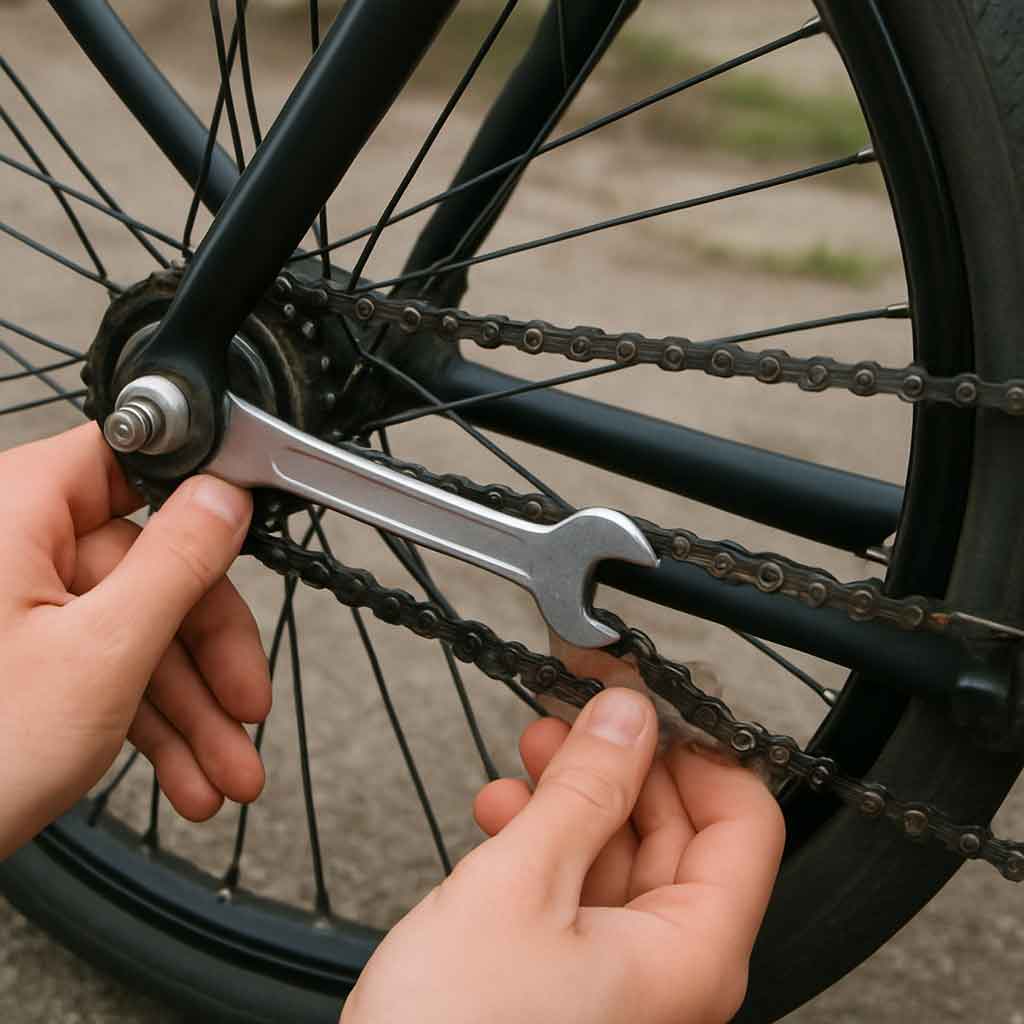
- Loosen the Rear Axle Nuts: Use a wrench to slightly loosen the nuts on the rear axle. This will allow you to adjust the position of the wheel.
- Adjust the Wheel Position: Gently pull the wheel back to increase the chain tension. Make sure the wheel remains centered between the frame to avoid wobbling.
- Check the Tension: The chain should have a slight slack, approximately a half-inch of movement up or down. This ensures optimal tension without being too tight.
- Tighten the Nuts: Once you've achieved the correct tension, tighten the axle nuts securely. Double-check the alignment to ensure a smooth ride.
Adjusting Chain Tension on a Multi-Speed Bicycle
Multi-speed bicycles, with their derailleurs and complex gear systems, require a different approach to tension adjustment. Here's a step-by-step guide:
- Shift to the Smallest Gear: Start by moving the chain to the smallest front and rear sprockets. This minimizes tension and makes adjustments easier.
- Check the Derailleur Adjustment: Inspect the derailleur for proper alignment. If the chain tension is still incorrect, the derailleur might need fine-tuning.
- Adjust the Barrel Adjuster: Use the barrel adjuster on the derailleur to fine-tune the chain tension. Small turns can make significant differences in how the chain sits on the sprockets.
- Test the Shifting: Shift through all the gears, ensuring smooth transitions and consistent tension. Make any final adjustments as needed for optimal performance.
Tools and Tips for Chain Tension Adjustment
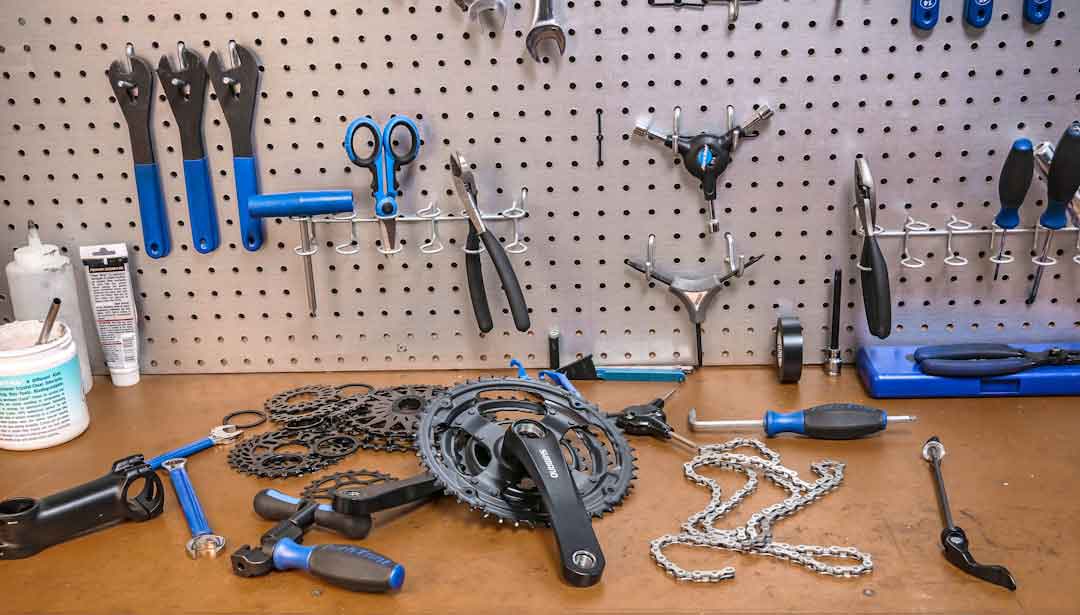
Having the right tools and knowledge can make chain tension adjustments quick and effective. Essential tools include a wrench, a bike stand, and a chain checker. Regularly inspect your chain for signs of wear and ensure all components are in good condition. Familiarize yourself with your bike's specific requirements, as different models may have unique features influencing chain tension.
How to Fix a Loose Bicycle Chain
A loose bicycle chain can be a common issue, often resulting from wear and tear or improper installation. Addressing this problem promptly can prevent further damage and ensure a safer ride. Here's a comprehensive guide on how to fix a loose bicycle chain, restoring your bike's performance and reliability.
Inspect the Chain for Wear
Before making any adjustments, it's crucial to inspect the chain for wear and damage. This helps determine whether a simple adjustment will suffice or if a replacement is necessary.
- Measure Chain Stretch: Use a chain wear tool to check if the chain is stretched beyond its limit. A stretched chain not only affects tension but can also damage the sprockets.
- Look for Damaged Links: Inspect the chain for bent or damaged links, which can cause tension issues and should be replaced to prevent further complications.
- Check for Rust and Corrosion: Rust and corrosion weaken the chain, affecting its flexibility and strength. Regularly clean and lubricate the chain to prevent these issues.
Replacing a Worn-Out Chain
If your chain shows signs of excessive wear, replacing it is the most effective solution. Here's how to do it:
- Remove the Old Chain: Use a chain breaker tool to carefully remove the old chain. Make sure to note its length for the new chain installation.
- Size the New Chain: Compare the new chain to the old one to ensure the correct length. Cut the new chain if necessary, ensuring it fits perfectly.
- Install the New Chain: Use the chain breaker tool to connect the new chain, securing it properly. Ensure the chain runs smoothly over the sprockets and derailleur.
- Check the Tension and Test Ride: After installation, check the chain tension and make any necessary adjustments. Take a test ride to ensure everything functions correctly, making final tweaks as needed.
Preventive Measures for Chain Longevity
Prevention is better than cure when it comes to maintaining your bicycle chain. Regular maintenance can extend the life of your chain, saving you time and money in the long run.
- Regular Cleaning and Lubrication: Keep your chain clean and well-lubricated to prevent wear and corrosion. Use a degreaser to remove dirt and a suitable lubricant for smooth operation.
- Routine Inspections: Regularly inspect your chain and drivetrain components for signs of wear, ensuring everything is in good condition.
- Proper Storage: Store your bike in a dry place, away from moisture and extreme temperatures, to prevent rust and deterioration.
Routine Bicycle Chain Maintenance
by Tom Conway (https://unsplash.com/@tecreate)
Routine maintenance is the key to a long-lasting and efficient bicycle chain. By incorporating regular checks and care into your cycling routine, you can prevent many issues before they arise. Here are some essential tips for keeping your chain in optimal condition, ensuring your rides are always smooth and trouble-free.
Cleaning the Chain
A clean chain is a happy chain. Dirt and grime can accumulate over time, leading to increased wear and reduced efficiency. Here's how to keep your chain spotless:
- Degrease the Chain: Use a chain degreaser to break down and remove built-up dirt and grime. Apply the degreaser evenly, ensuring it penetrates all areas of the chain.
- Scrub with a Brush: Use a stiff brush to scrub the chain, focusing on stubborn dirt. Ensure you clean between the links and around the sprockets for a thorough job.
- Rinse and Dry: Rinse the chain with water to remove all degreaser and dirt. Dry it thoroughly with a clean cloth to prevent rust and prepare it for lubrication.
Lubricating the Chain
Lubrication is crucial for reducing friction and prolonging the life of your chain. Here's how to do it right:
- Choose the Right Lubricant: Select a bike-specific lubricant suitable for your riding conditions. Wet lubricants are ideal for wet conditions, while dry lubricants suit dry, dusty environments.
- Apply the Lubricant: Apply a small amount of lubricant to each link of the chain, ensuring even coverage. Be careful not to over-apply, as excess lubricant can attract dirt.
- Wipe Off Excess: Use a clean cloth to remove any excess lubricant. This prevents dirt accumulation and ensures the chain runs smoothly.
Regular Inspections and Adjustments
Regular inspections and timely adjustments can significantly extend the life of your bicycle chain. Here's what to look for:
- Check for Wear and Stretch: Regularly inspect your chain for signs of wear and stretch. Replace it if necessary to avoid damage to other components.
- Inspect the Drivetrain: Ensure that the gears and derailleurs are in good condition, as worn components can affect chain performance.
- Monitor Chain Tension: Regularly check and adjust chain tension to ensure optimal performance and prevent issues.
Final Thoughts
Proper bicycle chain maintenance is essential for a smooth and efficient ride, enhancing both performance and safety. By regularly checking and adjusting your chain tension, cleaning and lubricating the chain, and replacing it when necessary, you can extend the life of your bicycle and enjoy a safer, more enjoyable cycling experience. Remember, a well-maintained chain not only enhances performance but also reduces the risk of accidents caused by chain failure.
By following these essential tips, you'll be well on your way to mastering bicycle chain maintenance and ensuring that your bike is always ready for the road ahead. Happy cycling! Stay vigilant, keep your tools handy, and make chain maintenance a regular part of your cycling routine. Whether you're commuting, training, or simply enjoying a leisurely ride, a well-maintained chain ensures every journey is a pleasure.