Welcome to Mondince Bike - A well-known factory specialized in produce carbon bike frame and other parts since 2007.


Understanding Bicycle Chain Tension: A Guide
Bicycle chain tension is crucial for a smooth and efficient ride. Whether you're a seasoned cyclist or a casual rider, understanding how to adjust bike chain tension can enhance your biking experience and prevent potential issues. In this comprehensive guide, we'll explore the importance of chain tension, how to recognize when it's off, and the steps you can take to fix it.
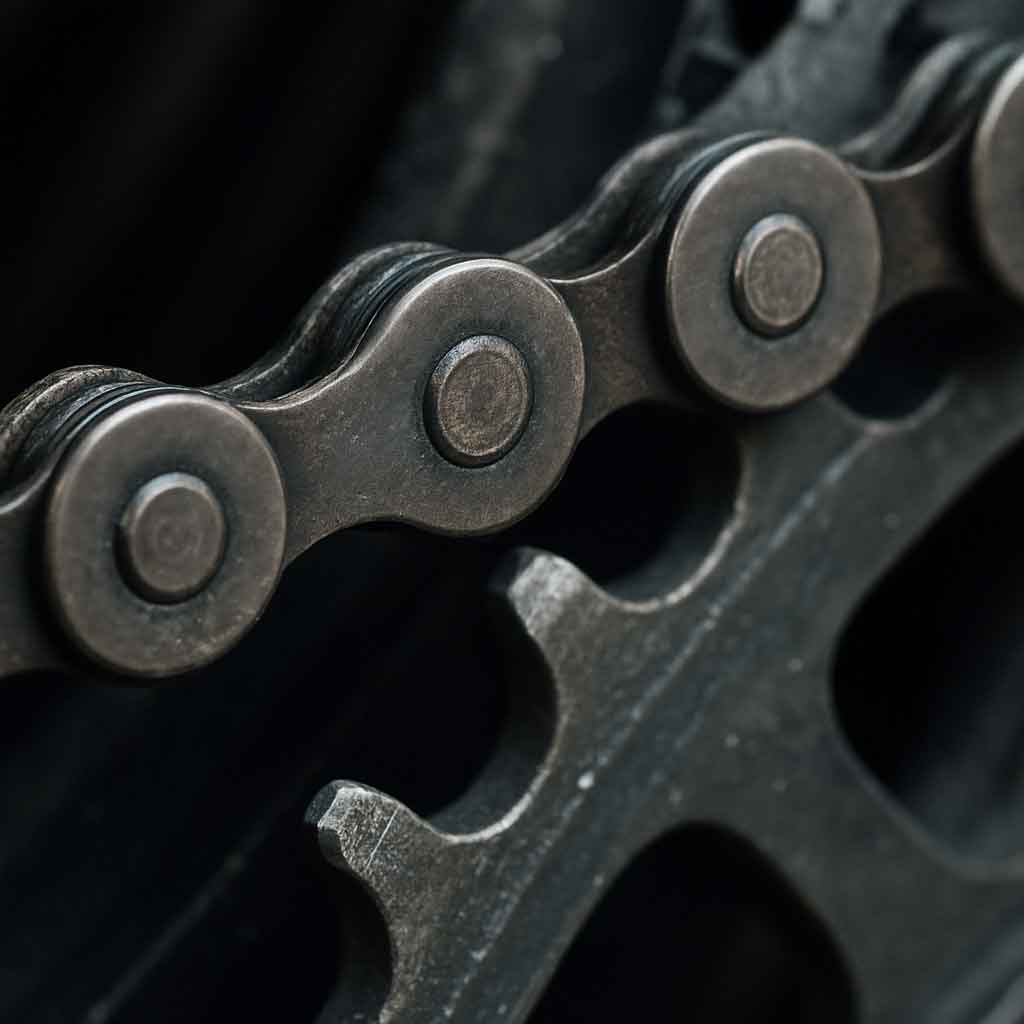
Chain tension affects your bike's performance, safety, and longevity. A chain that's too loose can slip off the gears, leading to inconvenient stops and potential accidents. It can also cause the chain to slap against the frame, which might damage the paint or even the frame itself. On the other hand, a chain that's too tight can cause excessive wear on the drivetrain components and make pedaling difficult. This tension can lead to increased friction and strain on the chain links, potentially leading to premature breakage or failure. Proper tension ensures smooth gear shifting and efficient power transfer from the pedals to the wheels. It helps maintain the integrity of the drivetrain, ensuring that each component works in harmony for an optimal biking experience.
Signs of Incorrect Chain Tension
Recognizing the signs of improper chain tension can save you from bigger problems down the road. Here are some common indicators:
- Slipping Chain: If your bike chain seems loose and frequently slips off the sprockets, it's a clear sign that the tension needs adjustment. This can be particularly dangerous if it happens suddenly while riding at high speeds or during a steep climb.
- Noisy Ride: Excessive noise while pedaling, such as rattling or clunking, can indicate a tension issue. This noise often stems from the chain not engaging properly with the gears, leading to inefficient power transfer and an uncomfortable ride.
- Difficulty Pedaling: A tight chain may make pedaling harder than usual, causing fatigue on longer rides. This difficulty can also strain your knees and other joints, potentially leading to discomfort or injury over time.
- Visual Inspection: A visibly sagging or overly tight chain is a straightforward indicator that adjustment is needed. Regular visual checks can help catch these issues early before they lead to more significant problems.
How to Adjust Bike Chain Tension
Adjusting bike chain tension varies slightly depending on the type of bike you have. Whether you own a fixed gear, single speed, or a geared bike, the process is generally straightforward. Being familiar with your bike’s specific mechanics can save you a lot of hassle and ensure you get the most out of your ride.
Tools You'll Need
Before you start, gather these tools:
- Bike Stand (Optional, but Helpful): A bike stand can help keep your bike steady while you work on it, making the process easier and more precise.
- Wrench or Allen Key (Size Depends on Your Bike's Bolts): These tools are essential for loosening and tightening bolts to adjust the wheel's position.
- Lubricant: Keeping your chain lubricated ensures smooth operation and reduces wear.
- Gloves (Optional, for Keeping Hands Clean): While not necessary, gloves can protect your hands from grease and make the process cleaner.
Adjusting Chain Tension on a Fixed Gear or Single Speed Bike
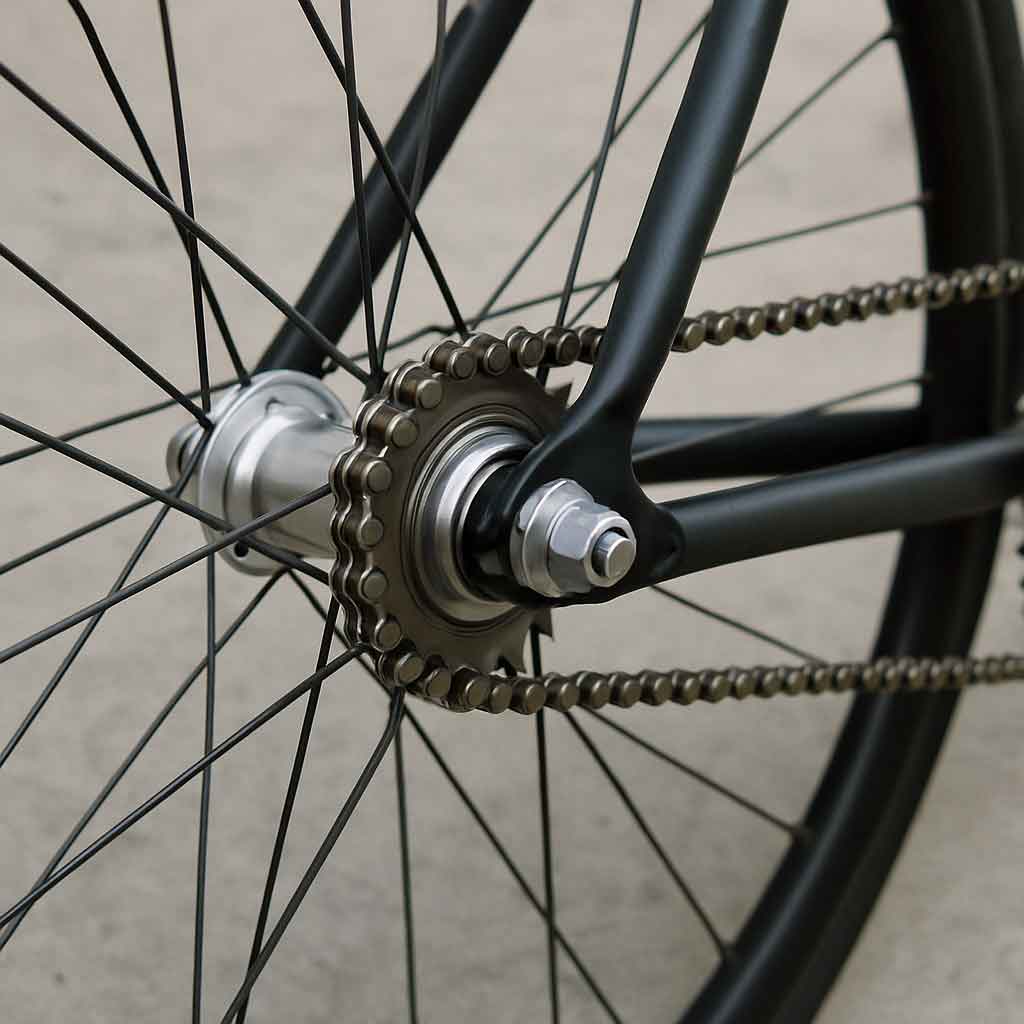
- Loosen the Rear Wheel: Use a wrench to loosen the nuts on the rear axle. This will allow the wheel to move back and forth in the dropouts. Ensure you're loosening them enough to make significant adjustments without completely removing them.
- Adjust the Wheel Position: Pull the wheel back to increase tension or push it forward to decrease tension. Ensure the wheel remains centered between the chainstays. This balance is crucial to prevent the chain from rubbing against the frame.
- Check the Tension: The chain should have about half an inch of vertical movement. Too much slack indicates the chain is too loose, while no movement means it's too tight. A properly tensioned chain should have a slight give, allowing for smooth pedaling.
- Tighten the Axle Nuts: Once the tension is correct, tighten the axle nuts securely. Double-check the wheel alignment to prevent it from rubbing against the frame. Misalignment can lead to unnecessary wear and tear on the tires and frame.
- Test Ride: Take a short ride to ensure the chain doesn't slip and that pedaling feels smooth. Listen for any unusual noises and make additional adjustments if necessary.
Adjusting Chain Tension on a Geared Bike
Geared bikes typically have a derailleur that automatically manages chain tension. However, if you experience issues, here's how to manually adjust the tension:
- Inspect the Derailleur: Make sure the derailleur is functioning correctly. A bent hanger or misaligned derailleur can affect tension. Regular inspection can prevent more severe issues from developing.
- Check the Limit Screws: Adjusting the limit screws can help with alignment issues that affect tension. Refer to your bike's manual for specific instructions. Properly set limit screws ensure the chain doesn't overshift off the gears.
- Chain Length: Ensure the chain is the correct length. If it's too long, removing a link might be necessary. A correctly sized chain ensures optimal tension and prevents derailleur overextension.
How to Tighten a Loose Bike Chain
If your bike's chain is loose, follow these steps:
- Loosen the Rear Axle Nuts: Use a wrench or Allen key to loosen the nuts on the rear axle. This initial step is crucial to allowing the necessary adjustments.
- Adjust the Wheel Position: Pull the wheel back until the desired tension is achieved, ensuring it stays centered. Maintaining centering is essential for even wear and a smooth ride.
- Tighten the Nuts: Securely tighten the axle nuts and verify the chain tension. Double-check alignment to ensure the wheel doesn't rub against the frame.
- Lubricate the Chain: Apply a suitable lubricant to maintain smooth operation. Regular lubrication can significantly extend the life of your chain and improve performance.
Regular Maintenance Tips

by DM David (https://unsplash.com/@dm_david)
Regular maintenance can prevent chain tension issues and extend the life of your bike's drivetrain. Here are some tips:
- Clean and Lubricate: Keep your chain clean and well-lubricated to reduce wear and maintain smooth operation. Regular cleaning prevents dirt buildup, which can lead to increased friction and wear.
- Inspect the Chain: Regularly check for signs of wear, such as rust or stiff links, and replace the chain if necessary. A well-maintained chain ensures efficient power transfer and reduces the risk of unexpected breakage.
- Check the Tension: Periodically inspect your chain tension, especially after long rides or rough terrain. These checks help catch potential issues early before they become significant problems.
Conclusion
Understanding and maintaining proper bicycle chain tension is key to ensuring a safe and enjoyable ride. Whether you're adjusting the chain on a fixed gear bike, tightening a loose chain, or keeping your geared bike in top shape, these tips and techniques will help you achieve the perfect balance. Regular maintenance is not only about fixing existing problems but also about preventing future ones, thereby extending the life of your bike components. Remember to conduct regular maintenance to prevent issues and extend the life of your bike components. Happy cycling!






 Jack Ding

