Welcome to Mondince Bike - A well-known factory specialized in produce carbon bike frame and other parts since 2007.


How to Adjust Your Road Bike PSI
What Is PSI?
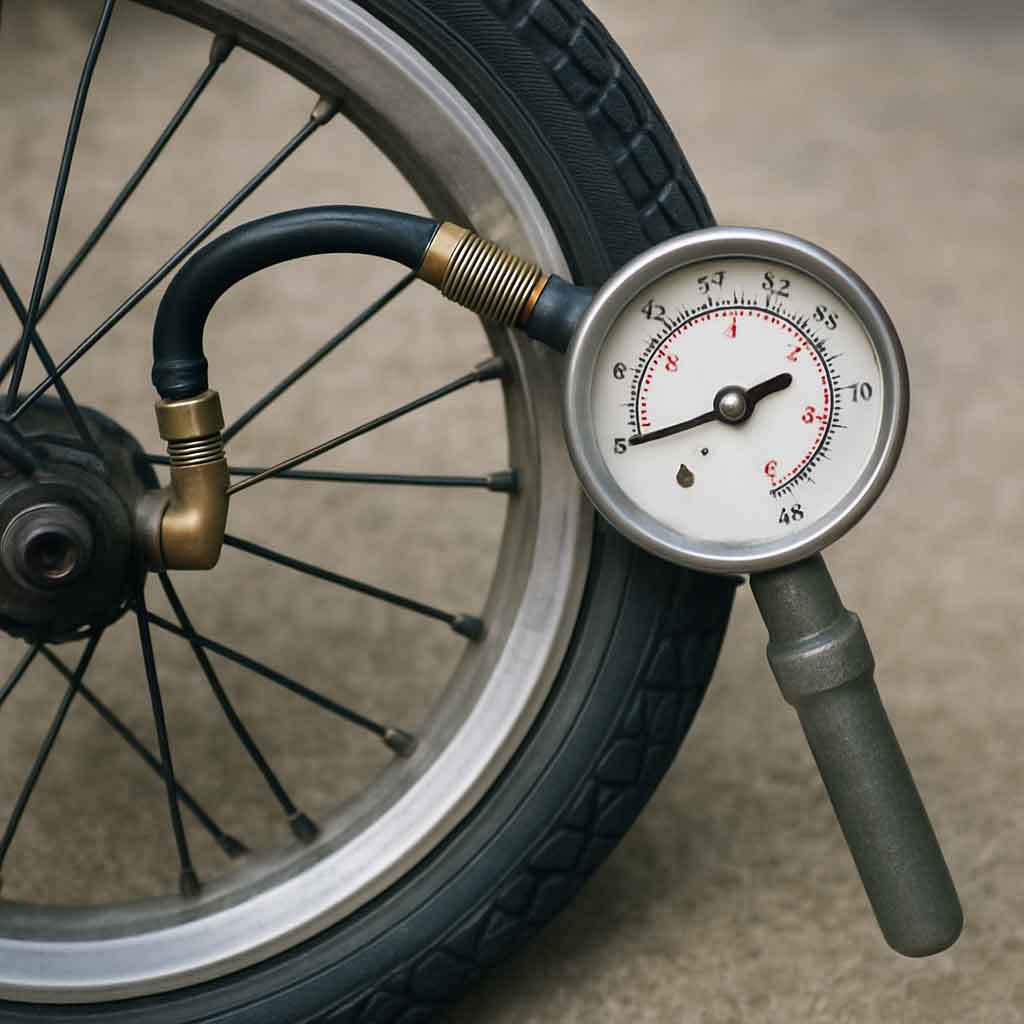
PSI stands for pounds per square inch, a measurement of pressure that indicates how much air is inside your bike tires. This measurement is critical because it helps determine how firm or soft your tires are. A tire that's too hard may result in a bumpy ride, while a tire that's too soft could cause unnecessary drag. The correct PSI ensures a balance that offers comfort, speed, and safety. Having the right pressure not only prolongs the life of your tires but also enhances the overall cycling experience by ensuring that the tires perform optimally under various conditions.
Why Is Tire Pressure Important?
Correct tire pressure impacts your bike's performance in several ways:
- Rolling Resistance: Properly inflated tires reduce rolling resistance, making it easier to pedal and increasing your speed. Rolling resistance refers to the energy lost as the tire rolls, and minimizing this loss can significantly improve efficiency.
- Grip and Control: Adequate PSI provides better traction, especially on wet or uneven surfaces, improving safety and control. This is crucial for maneuvering through turns and navigating slippery or rough terrains.
- Puncture Resistance: Overly soft tires are more prone to punctures, while correct pressure helps prevent flats. Proper inflation keeps the tire's structure intact, reducing the risk of sharp objects penetrating the rubber.
- Comfort: The right PSI absorbs shocks and vibrations from the road, providing a smoother ride. A comfortable ride is essential for long-distance cycling, reducing fatigue and improving endurance.
Consequences of Incorrect PSI
Having the wrong PSI can lead to various issues:
- Overinflation: This can cause the tires to be too rigid, leading to a harsh ride and increased risk of blowouts. Overinflated tires have less contact with the ground, reducing grip and making the bike more difficult to control.
- Underinflation: This results in increased rolling resistance, making pedaling more laborious and slowing you down. Underinflated tires are also more susceptible to damage from potholes and debris.
- Impact on Longevity: Constantly riding with incorrect PSI can wear down your tires prematurely. Maintaining the right pressure helps extend the lifespan of the tires, saving you from frequent replacements.
Factors Affecting Road Bike Tire PSI

Rider Weight
The weight of the rider significantly affects the ideal tire pressure. Heavier riders generally need higher PSI to maintain the same level of performance and comfort as lighter riders. This is because more weight requires more support to prevent the tire from deforming excessively. Adjusting PSI based on weight ensures that the tire's contact patch with the ground is optimal, enhancing both performance and safety. It's crucial to recognize that two riders using the same bike and tires may require different PSI settings due to their weight differences.
Road Conditions
The type of surface you ride on also influences the optimal tire pressure. Smooth, paved roads allow for higher PSI, whereas rough or gravel surfaces might require slightly lower pressure to improve grip and comfort. Riding on varied terrain demands flexibility in PSI adjustments to ensure maximum traction and shock absorption. For instance, a higher PSI might be perfect for a fast city commute, while a lower PSI could be ideal for a gravel trail to prevent skidding and enhance stability. Understanding the nature of your typical routes can help you make informed decisions about tire pressure adjustments.
Tire Width
Wider tires generally require lower PSI than narrower tires. This is because wider tires have a larger contact patch with the ground, distributing the rider's weight over a larger area. The increased surface area means that less pressure is needed to maintain the same level of support and performance. Conversely, narrower tires need higher PSI to prevent them from bottoming out and to ensure they can handle the stresses of riding. It's essential to consider tire width when adjusting PSI, as it directly impacts the ride quality and safety of your cycling experience.
Environmental Conditions
Environmental conditions, such as temperature and humidity, can also affect tire pressure. As temperatures drop, air contracts, which can lead to lower PSI. Conversely, warmer temperatures can cause the air inside the tires to expand, increasing PSI. Humidity levels can also play a minor role, although their impact is generally less significant than temperature changes. Being aware of these environmental factors is important for maintaining optimal tire pressure and ensuring a consistent and safe ride.
How to Determine the Right PSI for Your Road Bike
Check Manufacturer Guidelines
The first step in determining the correct PSI for your road bike tires is to check the manufacturer's recommendations. These are usually printed on the sidewall of the tire and offer a range within which your tire pressure should fall. This range serves as a baseline, providing a safe zone for most riding conditions. Following these guidelines helps ensure that you are within the limits set by the tire's design, optimizing performance and safety. It's important to note that these recommendations are based on average conditions and may need to be adjusted based on specific factors like rider weight and road conditions.
Consider Personal Preferences
While manufacturer guidelines provide a good starting point, personal preferences also play a role. Some riders prefer a softer ride, while others prioritize speed and efficiency. Experiment within the recommended range to find what feels best for you. Personal preferences can be influenced by factors such as previous cycling experiences, the type of terrain you enjoy, and your overall riding style. By testing different PSI settings, you can tailor the ride to your liking, enhancing comfort and satisfaction.
Use a Tire Pressure Chart
Tire pressure charts can be a helpful tool in determining the right PSI based on your weight and tire width. These charts offer a quick reference for adjusting your tire pressure according to different factors. They typically provide a range of PSI values for various rider weights and tire sizes, making it easier to find the optimal pressure for your specific setup. Using a tire pressure chart can simplify the process of finding the right balance, especially for those new to cycling. It's a practical resource that can save time and help prevent common mistakes related to incorrect PSI.
Consult Experienced Riders
If you're unsure about the right PSI for your road bike, consider consulting experienced riders. They can offer valuable insights based on their own experiences and may have tips for specific conditions or terrains you frequently encounter. Engaging with a cycling community, whether online or in person, can provide additional perspectives and recommendations. Experienced riders can also share their personal preferences and explain how they arrived at their ideal PSI settings, offering a practical guide for you to follow.
How to Adjust Road Bike Tire PSI
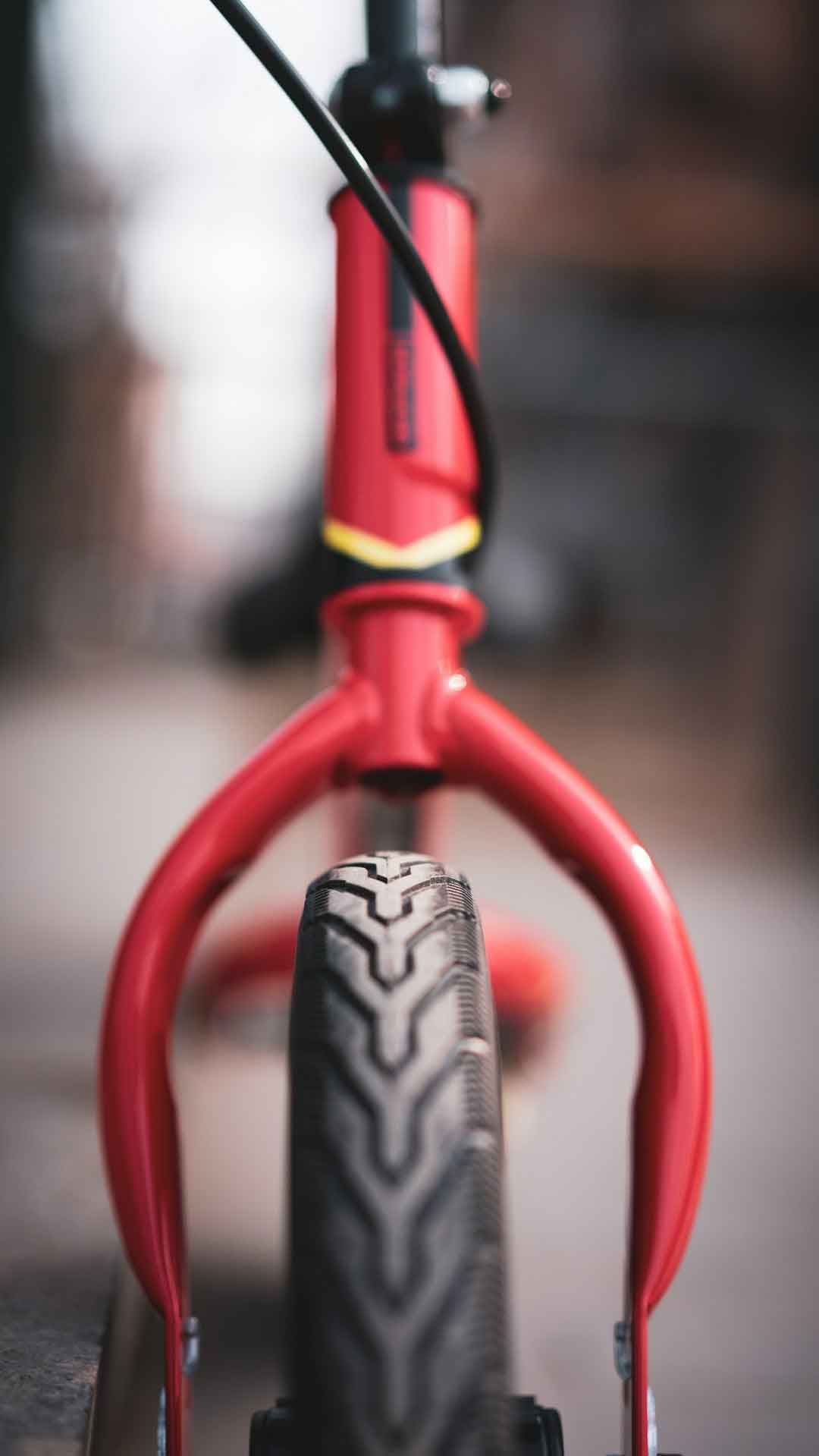
by allen lee (https://unsplash.com/@aervea)
Tools You Need
To adjust your tire PSI, you'll need a few basic tools:
- Floor Pump or Hand Pump: A good-quality pump with a pressure gauge is essential for accurate inflation. Floor pumps are generally more efficient for home use, while hand pumps are convenient for on-the-go adjustments.
- Pressure Gauge: If your pump doesn't have a built-in gauge, a separate pressure gauge is a worthwhile investment. Accurate measurement is crucial for maintaining the correct PSI, and a reliable gauge ensures precision.
- Valve Adapter: Depending on your bike's valve type, you may need an adapter to ensure a proper fit with the pump. Having the right adapter is important for preventing air leaks and ensuring efficient inflation.
- Tire Levers and Patches: While not directly related to PSI, having tire levers and patches on hand is useful for addressing unexpected flat tires during adjustments. These tools can help you quickly fix punctures and get back on the road.
Steps to Adjust PSI
- Check Current Pressure: Use the pressure gauge to measure the current PSI of your tires. This will help you determine how much air to add or release. Knowing the starting point is essential for making accurate adjustments.
- Inflate or Deflate as Needed: Attach the pump to the valve stem and either add air to increase PSI or press the valve to release air and decrease PSI. Make adjustments gradually to avoid overinflation or underinflation.
- Recheck Pressure: After making adjustments, use the gauge again to ensure you've reached the desired PSI. Double-checking helps confirm that the pressure is within the optimal range, ensuring performance and safety.
- Adjust for Conditions: If you're heading out on a particularly rough route, consider lowering the PSI slightly for added comfort and grip. Tailoring PSI to match the riding conditions can enhance the overall cycling experience.
- Regular Checks: Make it a habit to check your tire pressure before every ride to maintain optimal performance. Consistent monitoring helps prevent issues related to incorrect PSI, such as flats and reduced efficiency.
Common Mistakes and Tips
- Avoiding Overinflation and Underinflation: While it might seem logical that harder tires would roll faster, overinflation can lead to a harsh ride, reduced grip, and a higher risk of punctures. Conversely, underinflated tires increase rolling resistance, make pedaling harder, and increase the likelihood of flats. Striking the right balance is crucial for a safe and enjoyable ride.
- Seasonal Adjustments: Temperature changes can affect tire pressure. Cold weather causes air to contract, resulting in lower PSI, while hot weather can increase PSI. Adjust your tire pressure accordingly during seasonal transitions to maintain optimal performance.
- Regular Maintenance: Regularly inspect your tires for wear and damage, and replace them as needed. Worn-out tires can affect pressure retention and overall bike performance. Keeping your tires in good condition ensures that they hold the correct PSI and perform well on the road.
Advanced Tips for PSI Management
- Digital Pressure Gauges: Consider investing in a digital pressure gauge for precise readings. Digital gauges can offer more accurate measurements compared to analog ones, providing a better understanding of your tire's PSI.
- Tubeless Tires: If your bike is equipped with tubeless tires, be aware that they may require different PSI adjustments compared to traditional tube tires. Tubeless systems can offer benefits like lower rolling resistance and reduced puncture risk but may need specific PSI settings to function optimally.
- Experimentation and Logging: Keep a log of different PSI settings and how they affect your ride. Experimentation can lead to discovering the perfect PSI for various conditions, and maintaining a record helps refine your approach over time.
Conclusion
Adjusting your road bike tire PSI is a straightforward yet essential part of bike maintenance. By understanding the factors that affect tire pressure and following the steps outlined in this guide, you can ensure a smooth, efficient, and safe ride. Whether you're a seasoned cyclist or a casual rider, maintaining the correct PSI will enhance your biking experience and help you get the most out of every ride. Happy cycling!
Understanding and managing your road bike PSI is an ongoing process that evolves with experience and changing conditions. As you become more familiar with the nuances of PSI adjustments, you'll gain confidence in your ability to optimize your bike's performance. Remember, a well-maintained bike not only provides a better ride but also contributes to your safety and enjoyment on the road. Keep exploring and adapting, and your cycling adventures will be all the more rewarding.








 Jack Ding

