Welcome to Mondince Bike - A well-known factory specialized in produce carbon bike frame and other parts since 2007.


PSI Guidelines for Different Road Conditions
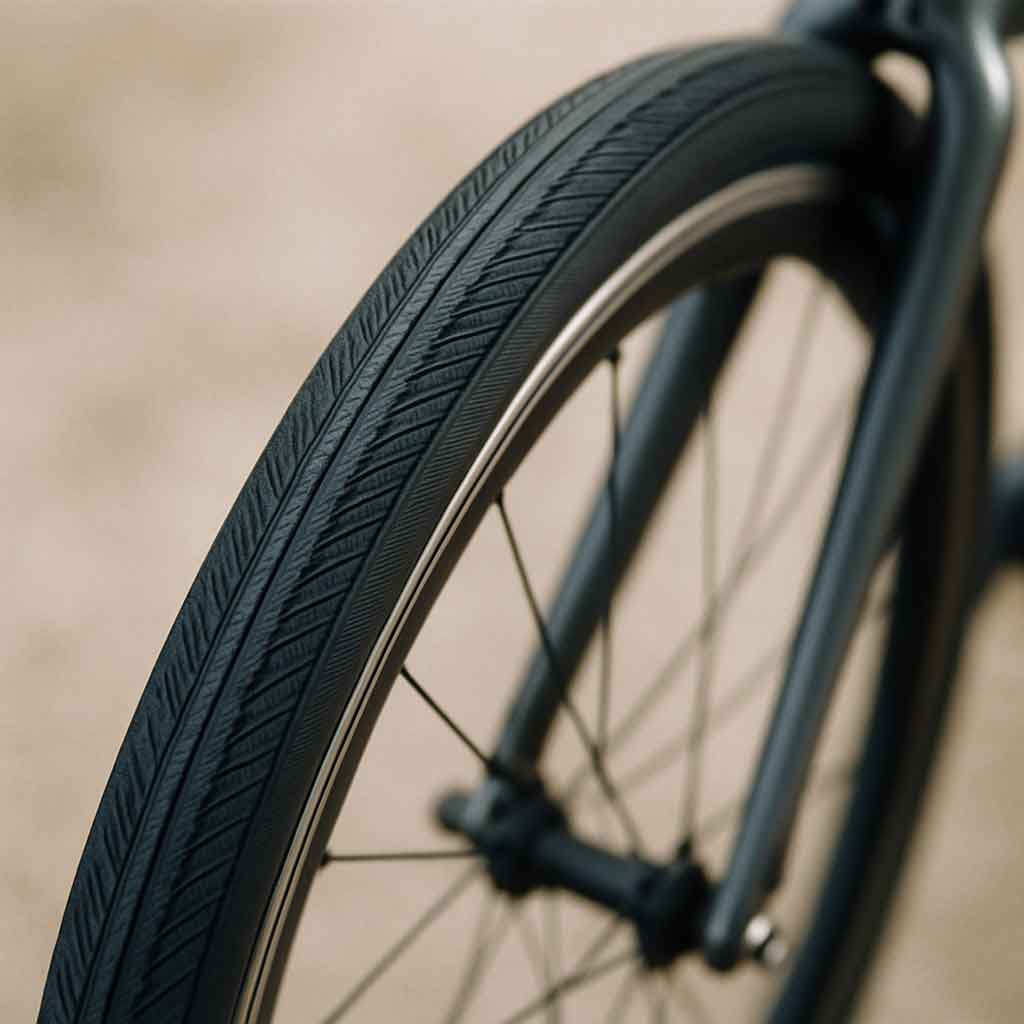
When it comes to cycling, maintaining the correct tire pressure is essential for ensuring a smooth and safe ride. Whether you're a seasoned cyclist or just starting out, understanding the ideal PSI (pounds per square inch) for different road conditions can make a significant difference in your performance and comfort. This guide will explore the nuances of road bicycle tire PSI and provide insights on how to adjust it based on varying terrains.
Understanding PSI for Road Bike Tires
Before we delve into specifics, it's crucial to understand the significance of PSI. PSI, or pounds per square inch, is a measure of the air pressure inside your bicycle tires. The correct PSI can dramatically affect your bike's speed, handling, and the overall comfort of your ride.
Importance of PSI in Cycling
The right tire pressure is pivotal for several reasons. First, it reduces rolling resistance, which makes your ride more efficient by allowing you to glide over surfaces with minimal effort. Second, it improves traction, ensuring better control and handling, which is vital for maneuvering and safety. Third, maintaining proper PSI helps prevent flats by reducing the likelihood of pinch flats, a common occurrence when tires are under-inflated and hit a sharp edge. Lastly, the right PSI enhances comfort by absorbing shocks from rough terrains, which can significantly impact your cycling experience, especially on long rides.
Key Factors Affecting PSI Needs
Several factors influence the ideal PSI for your bicycle tires. Rider weight is a significant consideration; heavier riders generally require higher PSI to prevent excessive tire compression. Tire width also plays a role—narrower tires typically need higher PSI compared to wider ones to maintain performance. Additionally, specific road conditions and personal preferences will dictate the necessary adjustments to your tire pressure. Understanding these factors is essential for optimizing your cycling experience.
General Recommendations for Road Bikes
For most road bikes, the recommended PSI range is typically between 80 and 130 PSI. This range can vary significantly based on individual factors like rider weight, tire width, and specific road conditions encountered. It's important for cyclists to experiment within this range to find the sweet spot that offers the best balance of speed, comfort, and safety.
PSI Guidelines for Smooth Roads
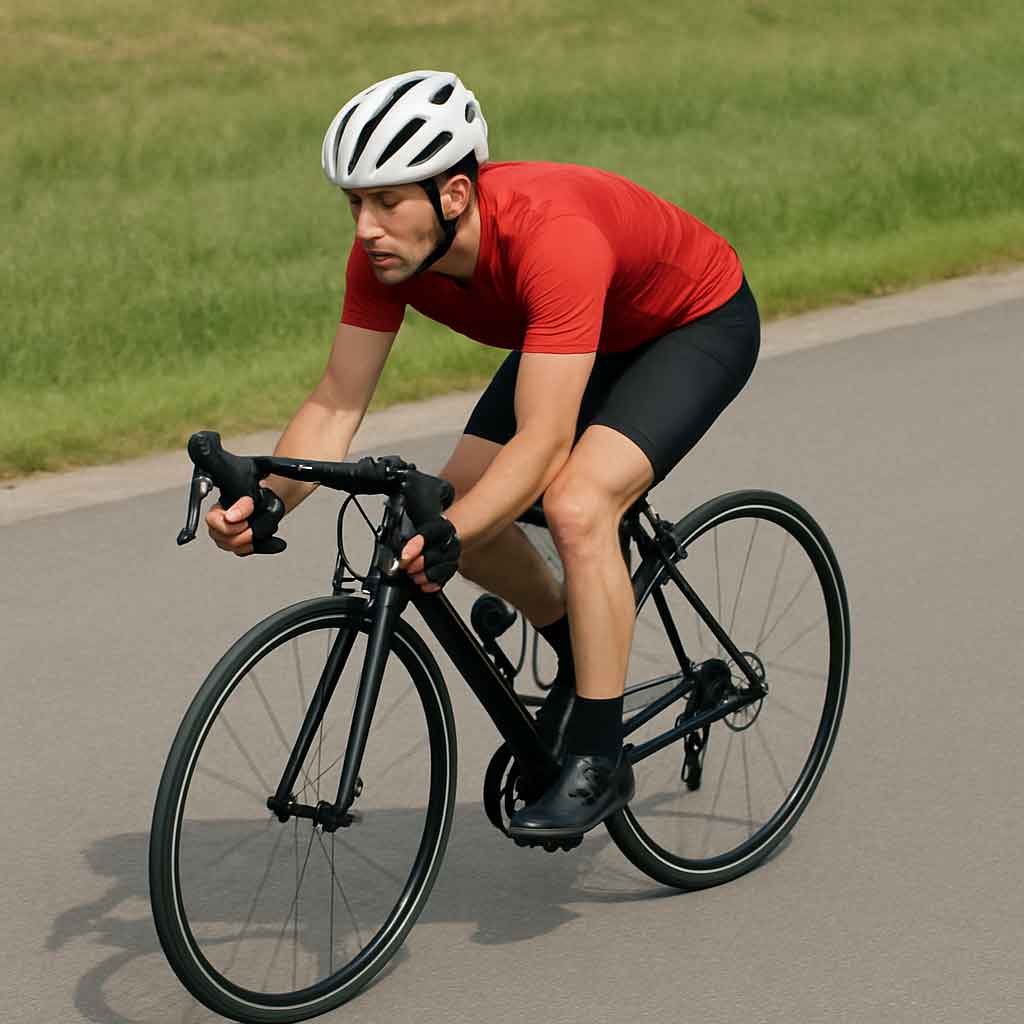
When cycling on smooth, paved roads, tire pressure plays a pivotal role in your speed and overall ride quality. Adjusting PSI appropriately can lead to a more efficient and enjoyable experience.
Achieving Optimal Speed
On smooth, paved roads, a higher PSI level is often preferred. Higher pressure reduces rolling resistance, allowing cyclists to achieve greater speeds with less effort. Typically, the ideal pressure for road bikes in these conditions ranges from 100 to 130 PSI. This high pressure maintains the tire's shape, reduces the surface area in contact with the ground, and minimizes friction, which is essential for speed enthusiasts and competitive cyclists aiming for performance.
Adjusting for Rider Weight
Rider weight is a crucial factor when determining the appropriate PSI. Heavier riders should consider inflating their tires towards the higher end of the recommended range. This prevents the tires from compressing too much, which can lead to increased rolling resistance and the potential for pinch flats. Conversely, lighter riders may find that slightly lower PSI offers a balance of speed and comfort without compromising performance.
Balancing Comfort and Performance
While higher PSI is beneficial for speed, it can result in a harsher ride. Cyclists who prioritize comfort over speed might want to lower their PSI slightly. Reducing pressure can enhance comfort by allowing tires to better absorb road vibrations and shocks. However, it's crucial not to lower PSI too much, as this could increase the risk of flats and decrease control. Finding a balance that maintains safety and comfort is key.
PSI Guidelines for Rough Roads

by kai muro (https://unsplash.com/@turuturu)
Cycling on rough or uneven surfaces presents unique challenges that require careful adjustment of tire pressure. By adapting PSI to these conditions, cyclists can enjoy a more controlled and comfortable ride.
Adapting to Uneven Surfaces
When riding on rough or uneven surfaces, such as cobblestones or gravel roads, a lower PSI range is advisable. Typically, inflating your tires between 80 and 100 PSI can provide a more cushioned ride. This reduced pressure allows the tires to absorb shocks and vibrations, which is crucial for maintaining comfort and control on bumpy terrains. Adjusting your PSI in anticipation of these surfaces can significantly enhance your cycling experience.
Enhancing Traction and Stability
Lower PSI on rough roads enhances the tire's grip on the surface, offering better traction and control. This is especially important when navigating through unpredictable terrains where stability is crucial. By increasing the contact patch with the ground, lower pressure improves grip, which is vital for maintaining control and confidence in challenging conditions. Cyclists should consider these adjustments when planning routes that include rough surfaces.
Preventing Flats and Ensuring Safety
While lower pressure helps with comfort and traction, it's important not to reduce PSI excessively. Overly soft tires can increase the likelihood of pinch flats, where the inner tube gets pinched between the tire and rim, leading to punctures. Cyclists should aim to find a balance that maximizes comfort and control without compromising the structural integrity of the tires. Regular checks and adjustments can help maintain this balance and ensure a safe ride.
PSI Guidelines for Wet Conditions

by Patrick Hendry (https://unsplash.com/@worldsbetweenlines)
Riding in wet conditions requires careful attention to tire pressure to maintain safety and control. Adjusting PSI appropriately can enhance traction and stability on slippery surfaces.
Ensuring Safety in the Rain
Wet conditions necessitate a slight adjustment in tire pressure to enhance safety. Lowering the PSI within the range of 5 to 10 PSI below your normal dry weather setting can improve traction on slippery surfaces. This adjustment increases the tire's contact patch with the road, providing better grip and reducing the risk of slips and falls. Cyclists should be proactive in making these adjustments when rain is anticipated.
Enhancing Grip and Control
A slightly softer tire in wet conditions will have a larger contact patch with the road, increasing grip and helping prevent slips. However, the pressure should still be high enough to avoid excessive rolling resistance and potential flats. Finding the right balance between grip and efficiency is essential for maintaining control and confidence while riding in the rain. Cyclists should consider these adjustments as part of their wet weather strategy.
Maintaining Stability and Confidence
In wet conditions, maintaining control is vital for safety. Ensuring your tires have adequate grip by adjusting the PSI will give you more confidence and stability while riding in the rain. This increased confidence can lead to a more enjoyable and less stressful cycling experience. Regularly checking and adjusting tire pressure in response to changing weather conditions is a good practice for all cyclists.
Factors Influencing Tire Pressure
Several factors can influence the optimal tire pressure for your bicycle. Understanding these factors can help you make informed decisions about PSI adjustments for different riding conditions.
Tire Width and Its Impact
Tire width is a fundamental factor in determining the appropriate PSI. Generally, wider tires require less pressure than narrower ones to achieve the same level of comfort and efficiency. The wider contact patch of a broader tire naturally provides more grip and stability, which can influence the choice of PSI. Cyclists should consider tire width when adjusting pressure to optimize performance and comfort.
Experience Level and Personal Preferences
Rider experience plays a significant role in determining tire pressure preferences. Experienced cyclists may prefer to adjust their PSI based on personal comfort and performance preferences, tailoring their settings to suit their riding style. Beginners, on the other hand, should stick to standard recommendations until they develop a better understanding of their needs and preferences. As cyclists gain experience, they can experiment with PSI adjustments to find what works best for them.
Environmental and Weather Conditions
Environmental conditions, including temperature, can affect tire pressure. Air expands in the heat, increasing PSI, and contracts in the cold, reducing PSI. It's crucial to check and adjust your tire pressure accordingly, especially when experiencing significant temperature changes. Additionally, factors like humidity and altitude can also influence PSI, requiring cyclists to make adjustments as needed to maintain optimal performance and safety.
How to Check and Adjust Your PSI
Regularly checking and adjusting your tire pressure is essential for maintaining optimal performance and safety. The following tips can help you ensure your tires are always at the right pressure.
Using a Pressure Gauge for Accuracy
To accurately measure your tire pressure, use a reliable pressure gauge. Many modern bike pumps come equipped with built-in gauges for convenience, allowing you to check your PSI quickly and accurately. Investing in a separate digital gauge can provide even more precision, ensuring that your tires are always inflated to the optimal level for your riding conditions.
Recommended Tools for Maintenance
Invest in a good quality pump and pressure gauge to make tire maintenance easier and more efficient. Floor pumps are ideal for home use, offering stability and ease of use, while mini pumps are handy for on-the-go adjustments. Carrying a mini pump during rides can be a lifesaver in case of unexpected flats or pressure losses, allowing you to make quick adjustments without interrupting your ride.
Establishing a Regular Maintenance Routine
Checking your tire pressure should be part of your regular bike maintenance routine. Ideally, you should check it before every ride to ensure optimal performance and safety. Incorporating this simple step into your pre-ride checklist can prevent issues on the road and enhance your overall cycling experience. Regular maintenance not only extends the life of your tires but also ensures a smoother, more enjoyable ride.
Conclusion
Understanding and adjusting your road bike tire PSI based on different road conditions is essential for a safe and enjoyable ride. By considering factors such as road surface, weather conditions, and personal preferences, you can optimize your cycling experience. Keep these guidelines in mind, and remember to regularly check and adjust your tire pressure to keep your rides smooth and efficient. With the right PSI, you can enhance your performance, comfort, and safety, making every ride a pleasure.








 Jack Ding

