Welcome to Mondince Bike - A well-known factory specialized in produce carbon bike frame and other parts since 2007.


Lightweight Carbon Frames for Serious Cyclists
When it comes to cycling, enthusiasts and professionals alike are always on the lookout for ways to enhance their performance. A significant factor that can make a substantial difference is the type of frame used in a bicycle. Lightweight carbon frames have become a game-changer in the world of high-performance cycling. Their advanced construction and material properties offer unique advantages that cater to the needs of speed-seekers and efficiency enthusiasts. In this article, we will delve into why serious cyclists should consider investing in carbon fiber bicycles, highlighting their benefits, features, and what makes them the best choice for those seeking speed and efficiency. By understanding the intricacies of carbon fiber technology, cyclists can make informed decisions that align with their performance goals.
The Advantages of Carbon Fiber
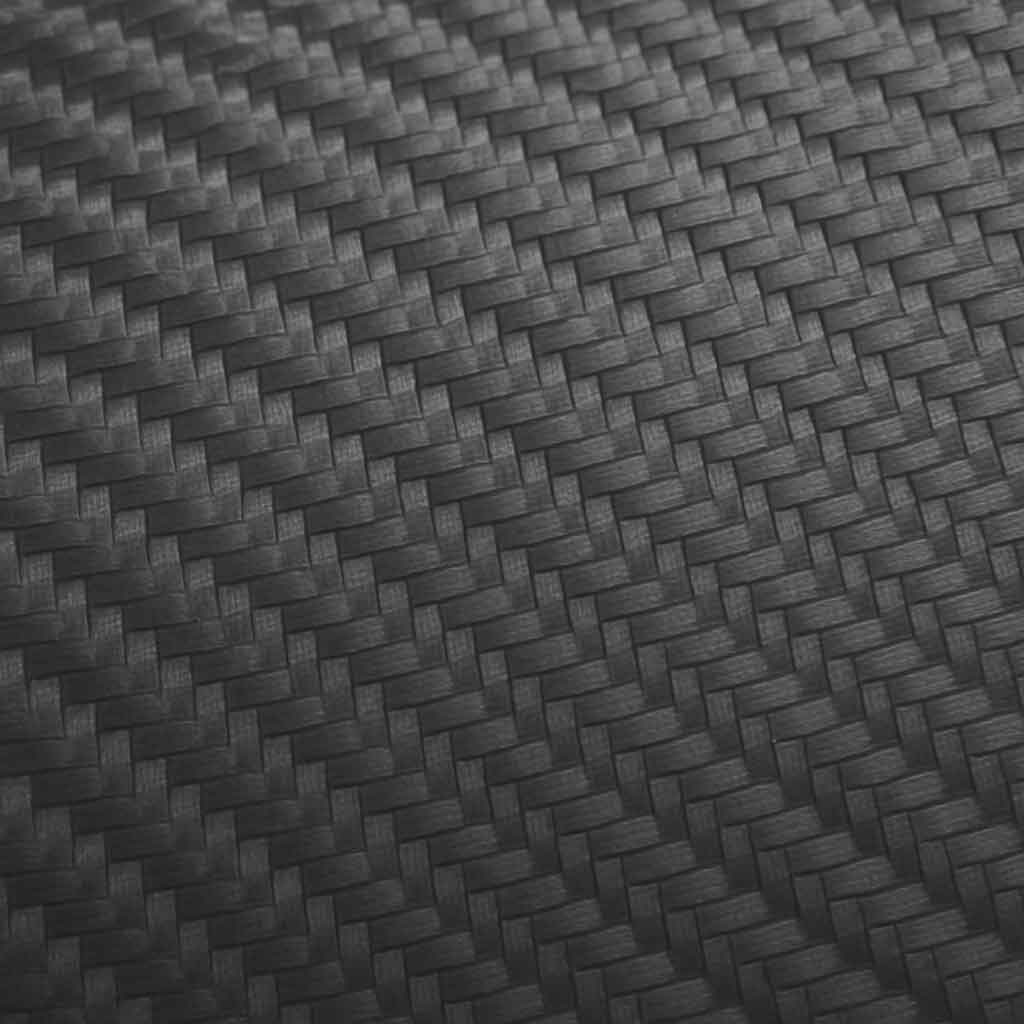
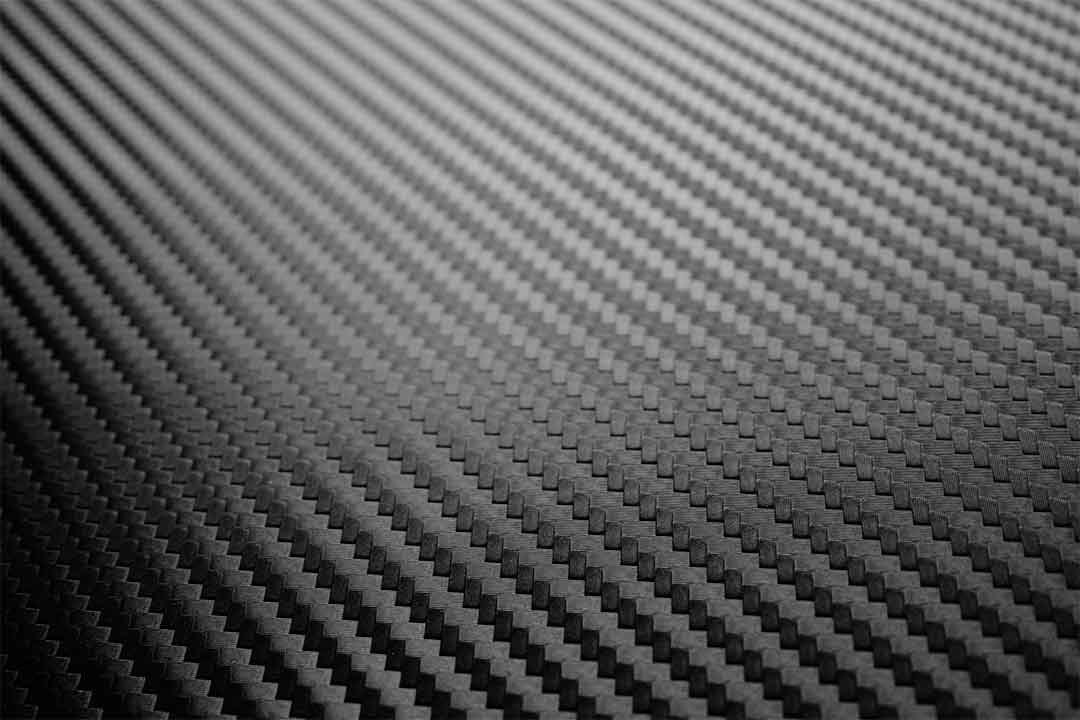
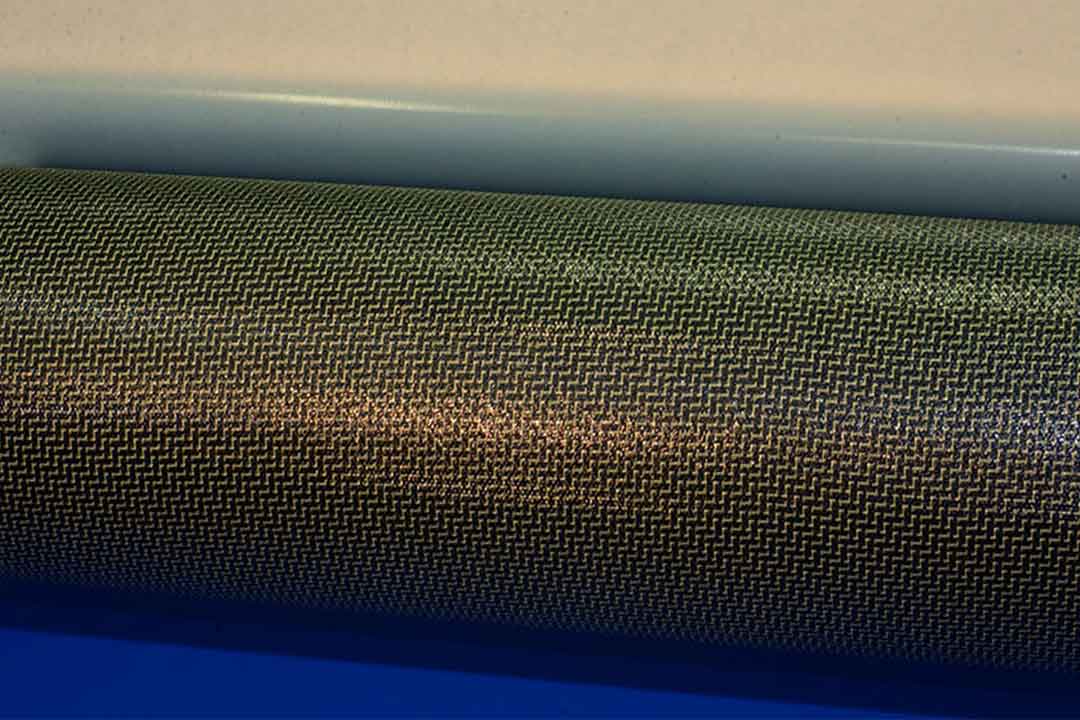
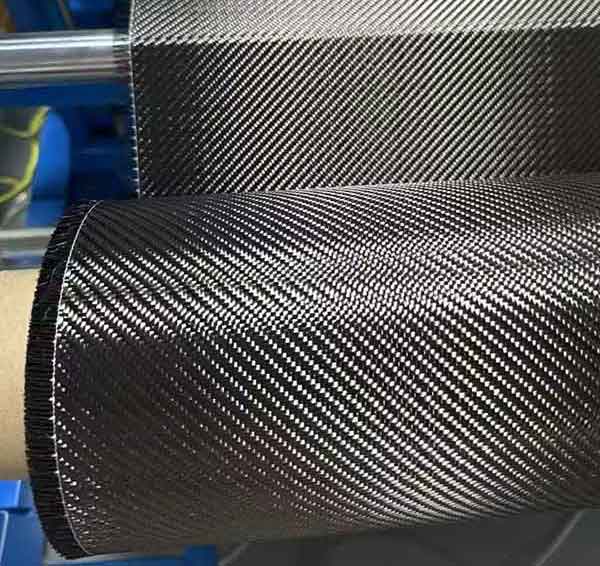
Carbon fiber is a material renowned for its strength and lightweight properties. Unlike traditional materials like steel or aluminum, carbon fiber offers an unparalleled combination of stiffness and weight reduction. This makes it an ideal choice for performance bike frames. Its unique structure, composed of tightly woven strands of carbon, allows it to deliver superior strength-to-weight ratios, which are crucial for competitive cycling. Let's explore some key advantages:
- Weight Reduction: Carbon fiber frames are significantly lighter than their metal counterparts. This weight reduction translates to faster acceleration and easier climbing. Cyclists can benefit from quicker sprints and more efficient hill climbs, allowing them to conserve energy over long distances.
- Strength and Durability: Despite being lightweight, carbon fiber is incredibly strong and durable. It can withstand the rigorous demands of competitive cycling while offering excellent shock absorption. This resilience ensures that frames remain intact even during high-stress situations, providing a longer lifespan and reduced maintenance needs.
- Aerodynamics: The flexibility in molding carbon fiber allows manufacturers to design frames with aerodynamic shapes. This reduces air resistance, making it easier to maintain high speeds. The sleek designs not only enhance performance but also add aesthetic appeal, allowing cyclists to ride with style.
Performance Benefits
Cyclists aiming to enhance their performance will find that carbon fiber frames offer a substantial edge. Here's how:
- Improved Power Transfer: The stiffness of carbon fiber ensures that more of your pedaling effort is converted into forward motion, improving overall efficiency. This efficiency means that cyclists can achieve higher speeds with less effort, giving them a competitive advantage in races.
- Enhanced Comfort: Carbon fiber's natural vibration dampening properties lead to a smoother ride, reducing fatigue on long rides. This comfort factor is vital for endurance cyclists who spend hours on the saddle, as it helps prevent physical strain and enhances overall riding pleasure.
- Customization: Manufacturers can finely tune the properties of carbon frames to match specific riding styles, providing options for sprinters, climbers, and all-rounders. This customization allows cyclists to select a frame that complements their strengths and addresses their weaknesses, optimizing performance for various terrains and conditions.
Features of the Best Carbon Fiber Road Bike Frames
When selecting the best carbon fiber road bike frame, it's essential to consider certain features that contribute to performance and longevity. The right features can significantly enhance the riding experience, offering a balance between speed, comfort, and control.
Frame Geometry
The geometry of the frame impacts the riding position and handling of the bike. Serious cyclists often look for frames with aggressive geometries that facilitate a more aerodynamic posture. These geometries enable riders to cut through air resistance efficiently, maximizing speed. However, comfort is also a crucial factor, especially for long-distance rides. Frames that offer a balance between aerodynamics and ergonomics can provide the best of both worlds, ensuring riders remain comfortable without sacrificing speed.
Tube Shapes and Design
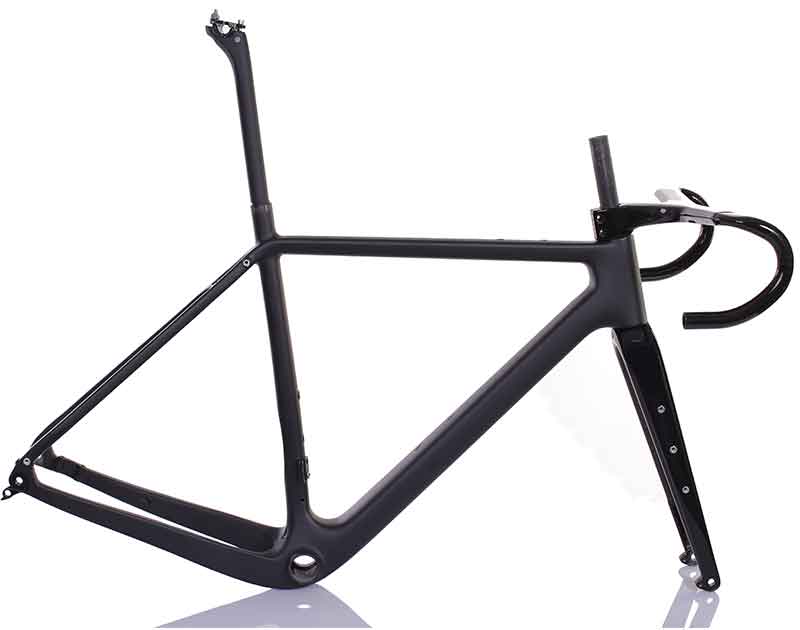
Advancements in carbon fiber technology have allowed for innovative tube shapes that further enhance aerodynamics and strength. Some designs incorporate features like tapered head tubes and integrated seatposts for improved stiffness and control. These design enhancements contribute to a bike's overall responsiveness, allowing for precise handling and stability during high-speed descents and sharp turns. The integration of technology in tube design reflects the ongoing evolution of carbon frames, continuously pushing the boundaries of what’s possible in cycling performance.
Weight Considerations
While all carbon frames are lightweight, there is a range in weights among different models. High-performance frames are often built with an emphasis on minimizing weight without compromising strength. It's worth considering the balance between weight, durability, and cost when selecting a frame. Lighter frames are typically more expensive, but they offer the best performance enhancements. Cyclists must weigh the benefits of reduced weight against their budget constraints and riding needs, ensuring they select a frame that offers value for their investment.
Comparing Carbon Fiber with Other Materials
To truly appreciate the benefits of carbon fiber, it's helpful to compare it with other common materials used in bike frames. Understanding the differences can guide cyclists in making informed decisions based on their specific needs and preferences.
Aluminum Frames
Aluminum frames are known for their affordability and decent strength-to-weight ratio. However, they do not match the lightweight and shock-absorbing capabilities of carbon fiber. Aluminum frames are typically less comfortable on long rides due to their stiffness. This makes them suitable for casual riders or those on a budget, but serious cyclists might find the lack of comfort and performance limiting in competitive scenarios.
Steel Frames
Steel frames offer durability and a comfortable ride but are significantly heavier than carbon fiber. They are often chosen for touring bikes where comfort and carrying capacity are more critical than speed. While steel provides a classic feel and robustness, its weight can hinder performance in competitive racing, where every gram counts towards speed and efficiency.
Titanium Frames
Titanium offers an excellent balance between weight and comfort, similar to carbon fiber. However, titanium frames are generally more expensive and less widely available than carbon frames. While they provide a luxurious ride quality and resilience, their higher cost can be a barrier for many cyclists. Nevertheless, for those who can afford it, titanium presents a worthy alternative to carbon fiber, offering unique aesthetic and performance benefits.
Choosing the Right Carbon Bike Frame
Assess Your Needs
Before choosing a carbon bike frame, consider your cycling goals and the type of riding you plan to do. Whether you're focusing on competitive racing, long-distance touring, or casual rides, there's a carbon frame designed to meet those needs. Assessing your riding style and objectives will help narrow down the options, ensuring you select a frame that complements your cycling ambitions.
Budget Considerations
Carbon fiber frames can vary significantly in price. While high-end models offer cutting-edge technology and the lightest weights, there are also more affordable options that provide great performance for enthusiasts. Establishing a budget beforehand can help guide your search, allowing you to focus on frames that offer the best value within your price range. Remember, while investing in quality is important, there are options available for every budget that still deliver excellent performance.
Brand Reputation and Reviews
Research brands known for producing high-quality carbon frames. Reading reviews and seeking recommendations from fellow cyclists can provide insight into the reliability and performance of different models. A brand with a strong reputation often indicates a commitment to quality and innovation, ensuring that your investment is backed by years of expertise and customer satisfaction.
Maintenance and Care for Carbon Frames
To ensure the longevity of your carbon bike frame, proper maintenance and care are crucial. Regular upkeep not only preserves the frame’s integrity but also ensures optimal performance over time.
Regular Inspections
Regularly inspect your frame for any signs of damage or wear. Pay special attention to areas that experience stress, such as joints and mounting points. Early detection of potential issues can prevent costly repairs and maintain the frame's structural integrity, allowing you to ride with confidence.
Cleaning and Storage
Keep your carbon frame clean to prevent dirt and debris from causing damage. Store your bike in a dry, cool place to protect it from environmental factors that could degrade the material over time. Proper cleaning and storage techniques will preserve the frame's finish and functionality, extending its lifespan and keeping it looking new.
Professional Servicing
Occasionally, have your bike serviced by a professional who understands carbon fiber materials. They can identify potential issues early and help you maintain optimal performance. Professional servicing ensures that your bike remains in peak condition, offering peace of mind and a consistently high-quality riding experience.
Conclusion
Lightweight carbon frames offer serious cyclists numerous advantages that can significantly enhance performance. From weight reduction and improved power transfer to customizable designs and superior aerodynamics, carbon fiber bicycles are the pinnacle of cycling technology. By understanding the features and benefits of carbon frames, cyclists can make informed decisions and choose the best carbon fiber road bike frame for their needs. Whether you're a competitive racer or an enthusiastic hobbyist, investing in a carbon bike frame is a step towards achieving your cycling goals. With the right frame, cyclists can experience the perfect blend of speed, comfort, and durability, transforming every ride into an exhilarating journey.






 Jack Ding

