Welcome to Mondince Bike - A well-known factory specialized in produce carbon bike frame and other parts since 2007.


Comparing Carbon Fiber Frames: What to Know
Choosing the right bike frame can make all the difference in your cycling experience. With various materials available, you might find yourself pondering over carbon fiber frames. But what makes them stand out? Are they the best choice for you? Let's delve into the world of carbon fiber frames and compare them with other options like aluminum to help you make an informed decision.

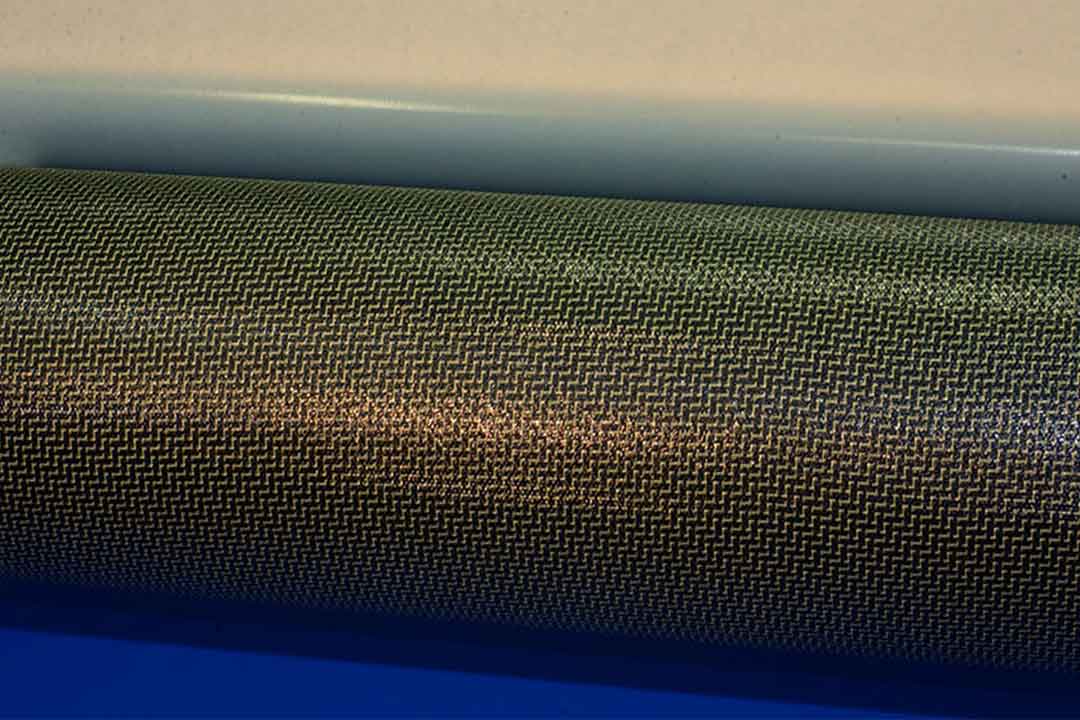
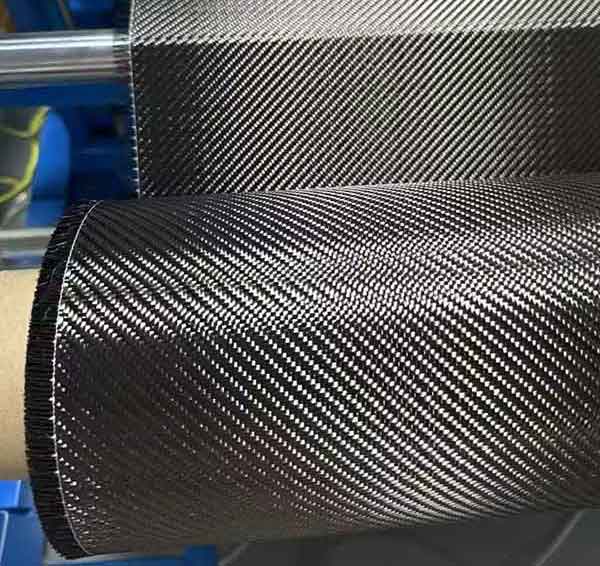
Carbon fiber is a composite material known for its high strength-to-weight ratio. It’s made by weaving together fibers of carbon, which are then bound with a resin. This process allows for the creation of a very light yet incredibly strong bike frame.
Carbon Fiber Pros
One of the biggest advantages of carbon fiber frames is their weight. These frames are significantly lighter than their aluminum counterparts, which can make a noticeable difference in performance, especially in competitive cycling.
Carbon fiber frames also offer a smoother ride. They absorb vibrations better than metal frames, which means less fatigue and more comfort on long rides. Additionally, the flexibility in design allows manufacturers to shape these frames in ways that can improve aerodynamics, further enhancing speed and efficiency.
The Drawbacks of Carbon Fiber
However, carbon fiber isn't without its downsides. Despite their strength, these frames can be more susceptible to damage from direct impacts. A hard knock might cause cracks that are not easily visible but can compromise the frame's integrity.
Another consideration is cost. Carbon fiber frames tend to be more expensive than those made from other materials like aluminum or steel. This might be a factor if you're on a tight budget.
Frame Weight Comparison
When it comes to frame weight comparison, carbon fiber typically takes the lead. A carbon fiber frame can weigh as little as 700 to 900 grams, depending on the design and type of bike. In contrast, an aluminum frame might weigh between 1,200 and 1,800 grams.
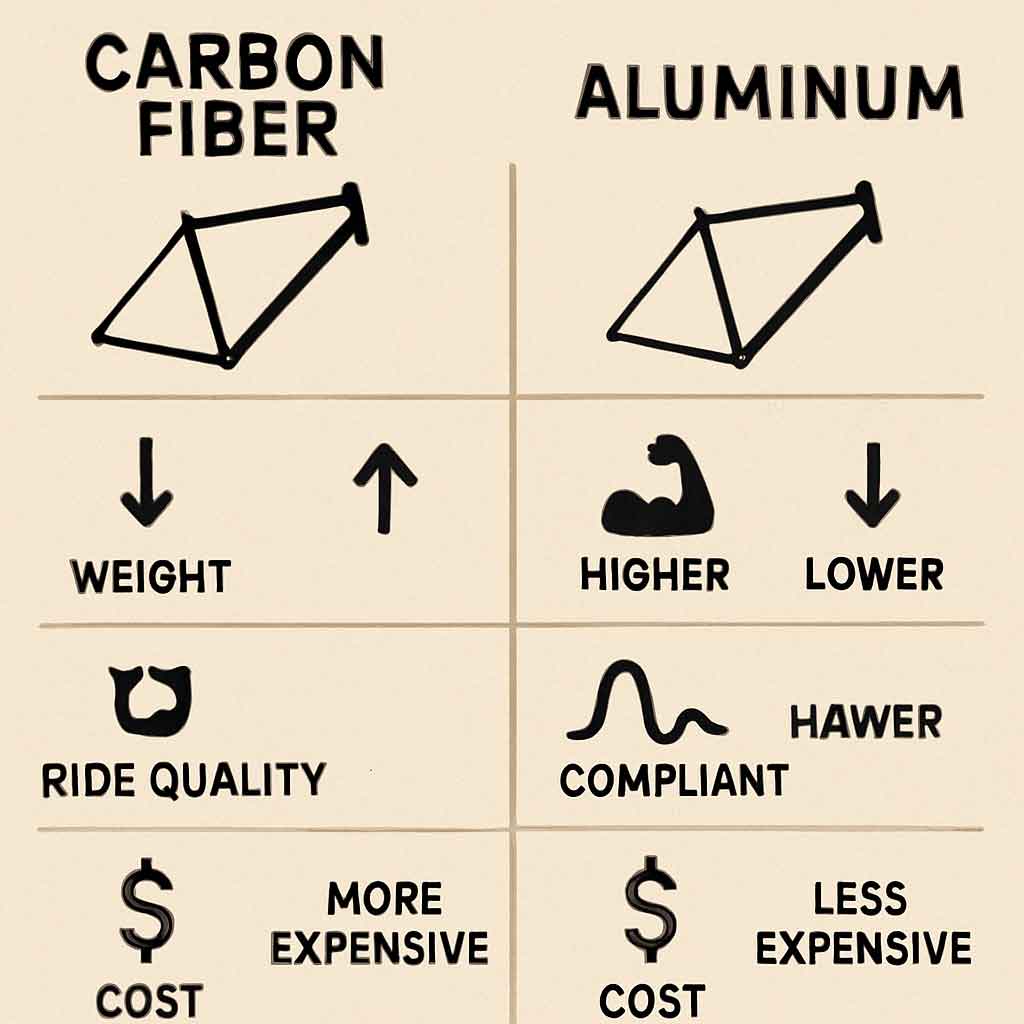
The lighter weight of carbon fiber is particularly beneficial for road cyclists who are keen on speed and efficiency. Every gram saved can translate into better performance, especially over long distances or in races.
Carbon vs. Aluminum: A Closer Look
Aluminum Frames
Aluminum is another popular choice for bike frames. It's known for being more affordable than carbon fiber while still offering decent performance. Aluminum frames are generally stiffer, which can mean more power transfer during pedaling – a plus for those who prioritize speed.
However, the stiffness of aluminum can also mean a rougher ride, as it doesn’t absorb vibrations as well as carbon fiber. This can lead to more fatigue over long distances.
When to Choose Aluminum
If you're a casual rider or someone who prioritizes durability over weight, aluminum might be a suitable choice. It's less costly, and the frames can withstand a fair amount of wear and tear without significant damage.
Best Carbon Fiber Road Bike Frame Features
When shopping for the best carbon fiber road bike frame, consider the following features:
- Weight: Look for frames that offer a balance between weight and strength. Lighter frames can improve speed and agility.
- Aerodynamics: Some carbon frames are designed with aerodynamic features that can reduce drag and enhance performance.
- Comfort: Consider how the frame design impacts comfort. Frames that absorb vibrations can reduce fatigue and improve your overall riding experience.
- Durability: While carbon fiber is strong, it’s essential to check for warranties or guarantees that can provide peace of mind regarding the frame's longevity.
- Cost: Determine your budget and weigh the benefits of a carbon frame against its price. Remember, investing in a high-quality frame can pay off in terms of performance and longevity.
Other Bike Frame Types

by Avinash A (https://unsplash.com/@avinash_1612)
Besides carbon fiber and aluminum, other materials are used for bike frames, each with its advantages and disadvantages:
Steel Frames
Steel is known for its durability and comfort. It provides a smoother ride similar to carbon fiber but at a fraction of the cost. However, steel frames are heavier, which might not suit those looking for speed.
Titanium Frames
Titanium offers a combination of strength, lightness, and resistance to corrosion. It's a high-end option often favored by serious cyclists who want the best of both worlds – performance and longevity. However, titanium frames can be quite expensive.
Making Your Decision
Choosing the right bike frame ultimately depends on your cycling needs, preferences, and budget. If you're a competitive cyclist or someone who values lightweight performance, a carbon fiber frame might be the ideal choice. However, if you’re looking for something more budget-friendly or durable, exploring aluminum or even steel frames could be beneficial.
In conclusion, understanding the pros and cons of each material can help you make an informed decision that enhances your cycling experience. Whether you choose carbon fiber for its lightweight and smooth ride or opt for aluminum for its cost-effectiveness, the right frame can significantly impact your enjoyment and performance on the road.
By carefully considering your needs and preferences, you can select a bike frame that not only meets your expectations but also enhances your journey on two wheels.










 Jack Ding

