Welcome to Mondince Bike - A well-known factory specialized in produce carbon bike frame and other parts since 2007.


Benefits of Lightweight Carbon Framesets in Cycling
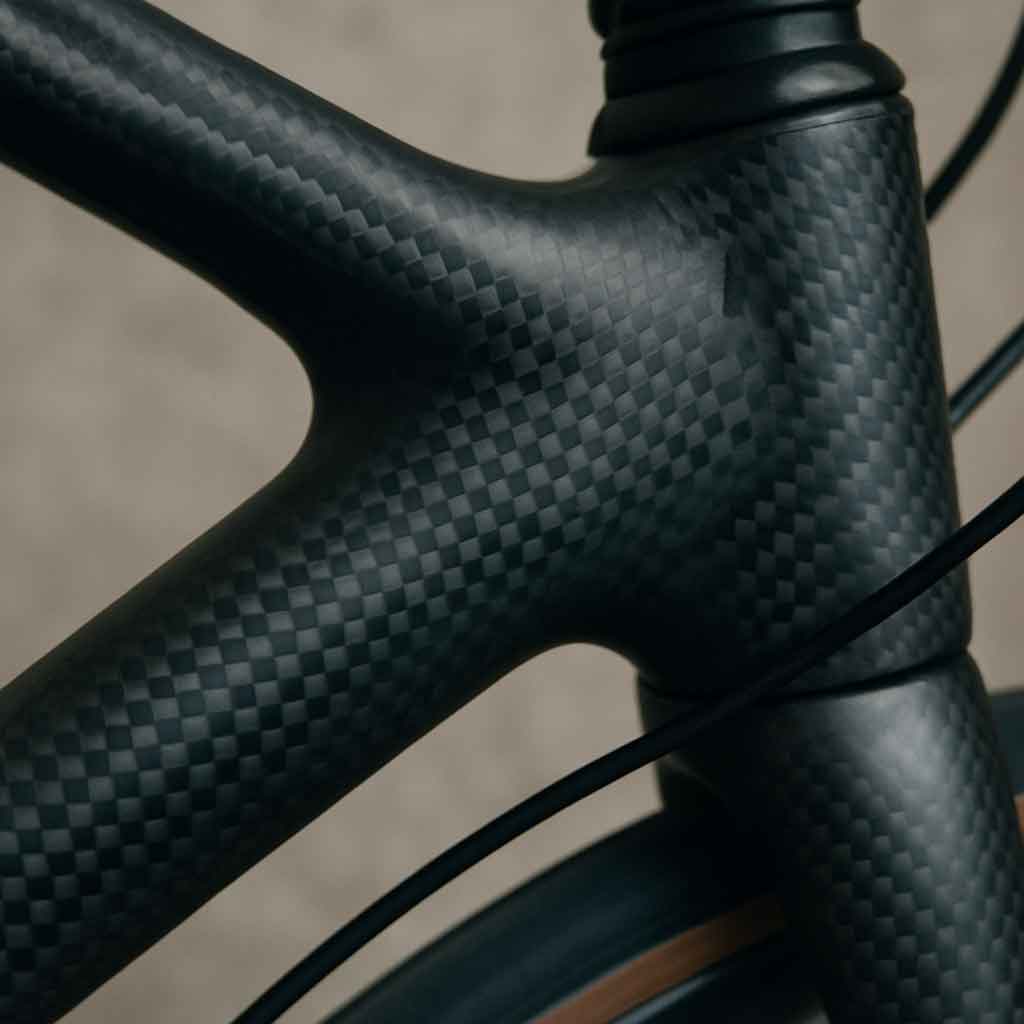
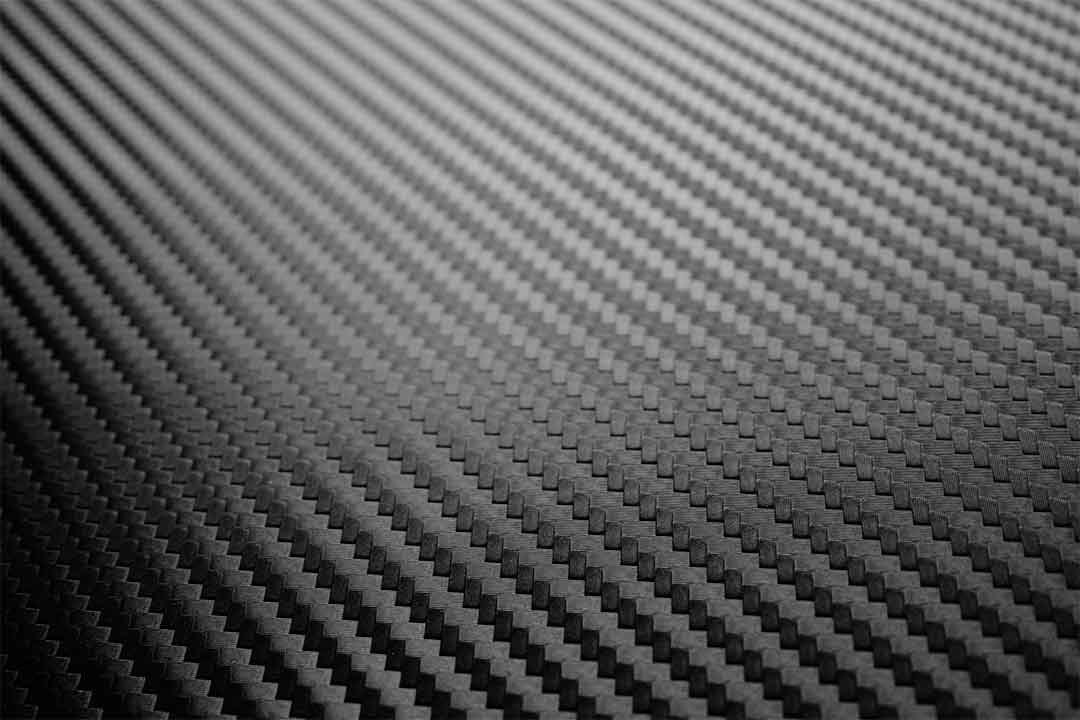
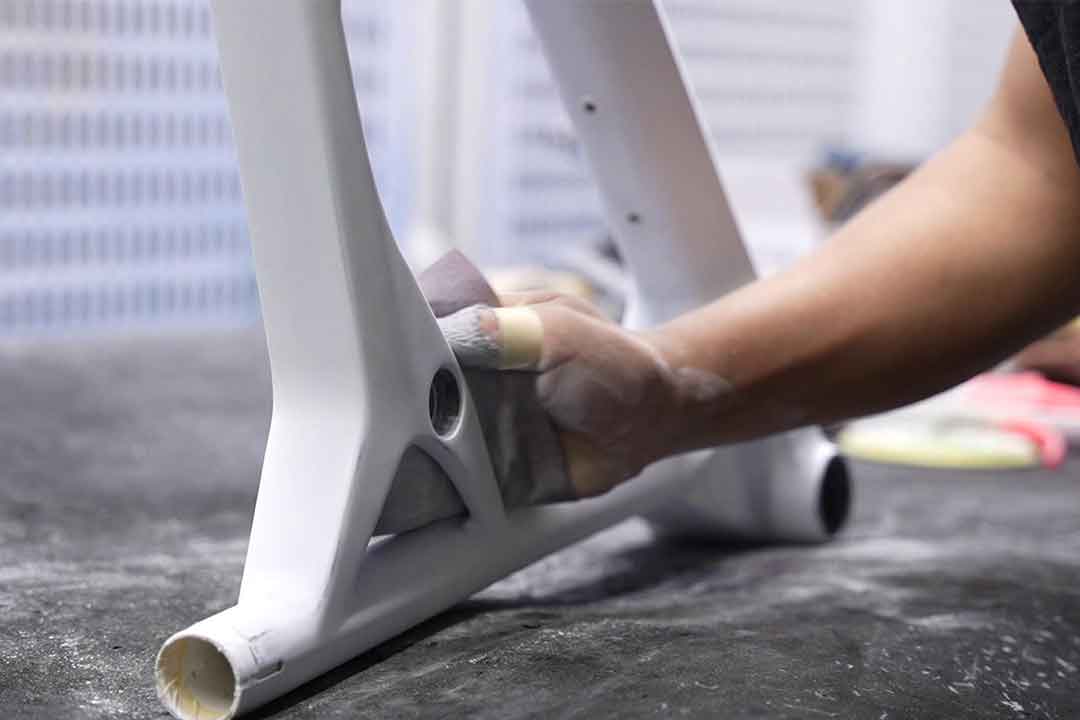
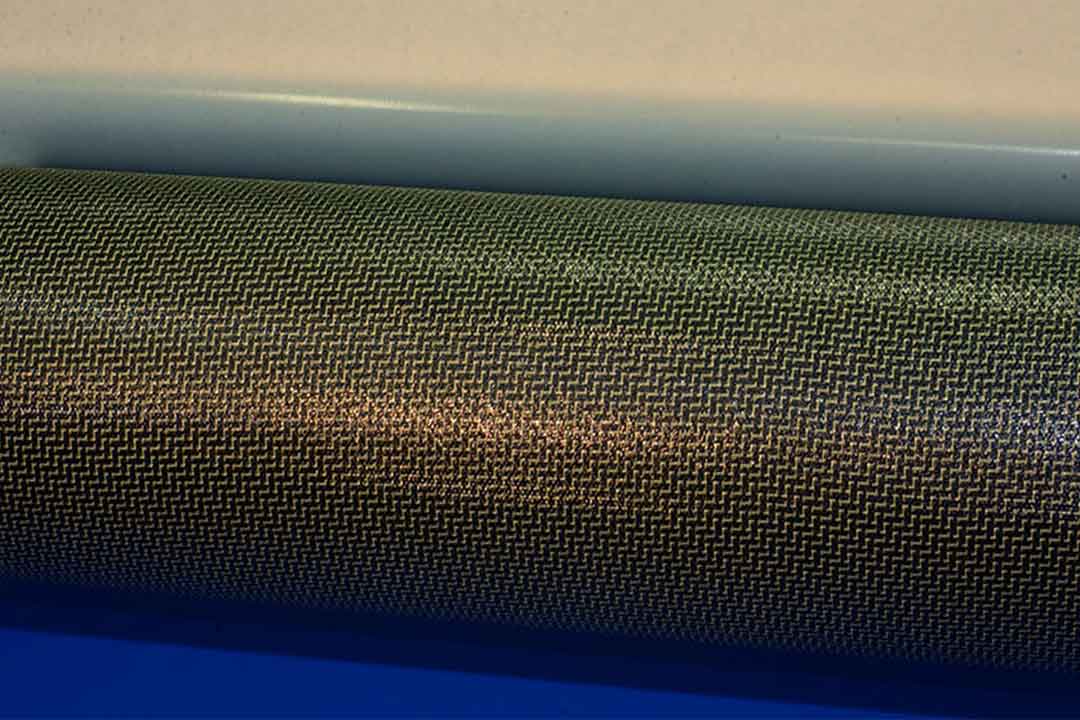
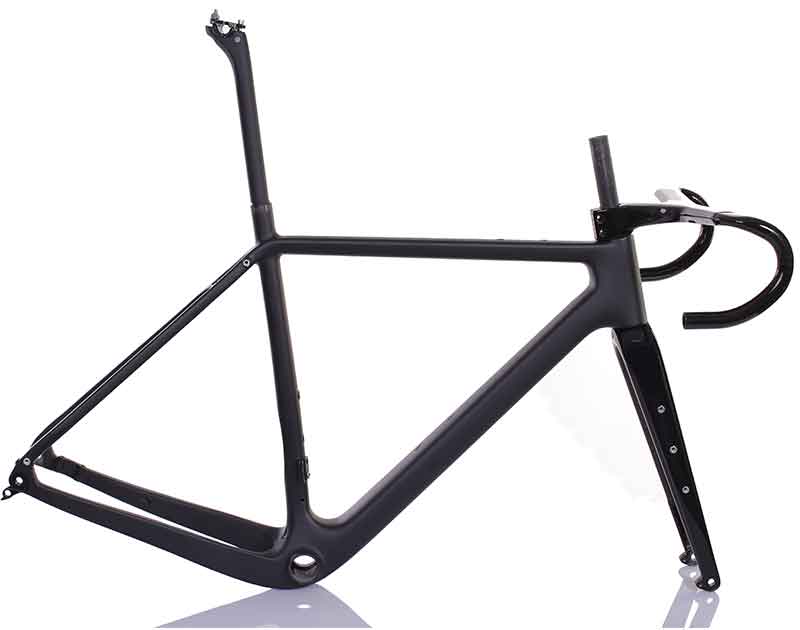
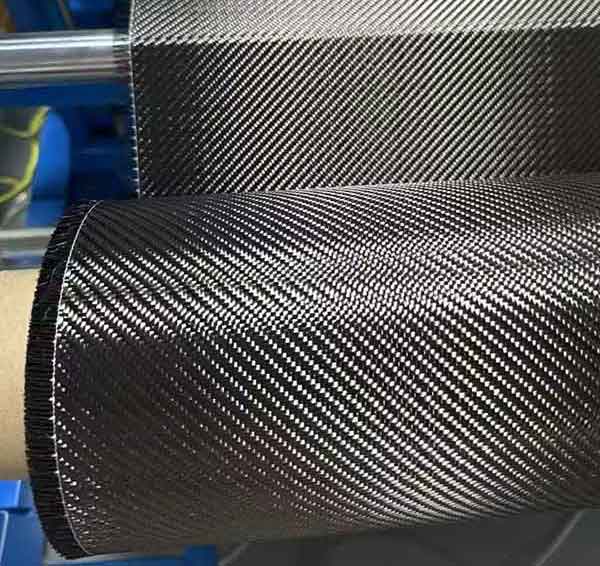
A carbon fiber frame is made from a composite material consisting of carbon fibers and a resin matrix. These frames are crafted by layering sheets of carbon fiber fabric, which are then bonded together with resin. This meticulous process results in a lightweight yet incredibly strong structure. The ability to mold carbon fiber into complex shapes allows for innovative frame designs that are both aerodynamic and aesthetically pleasing. The precision involved in layering and bonding ensures that each frame is tailored for optimal performance, offering cyclists a unique combination of strength and agility.
Beyond the technical aspects, the use of carbon fiber in frame construction opens up a realm of possibilities for customization. Manufacturers can fine-tune the material to achieve specific flex patterns, stiffness, and weight distribution, which can be tailored to suit different riding styles and preferences. This adaptability is what sets carbon frames apart from traditional materials, providing cyclists with a bespoke riding experience that can significantly enhance their performance and enjoyment.
Lightweight Advantages
Improved Speed and Agility
One of the most notable benefits of a lightweight carbon frameset is the significant reduction in weight. This is crucial for cyclists who need to maximize their speed and agility. A lighter frame means less effort is required to accelerate, climb hills, or maintain speed over long distances. In competitive cycling, where every second counts, the weight savings provided by carbon fiber can be the difference between winning and losing. This advantage becomes even more pronounced in disciplines such as climbing or sprinting, where every gram saved translates to measurable performance gains.
Moreover, the lightweight nature of carbon fiber doesn't compromise its strength. Unlike heavier materials that might slow a rider down, carbon fiber provides a perfect balance of lightness and durability, enabling cyclists to push their limits without worrying about the structural integrity of their bikes. This characteristic not only enhances a cyclist's physical performance but also boosts their confidence, knowing that their equipment is designed to support the rigors of high-speed and high-stakes competitions.
Enhanced Maneuverability

Carbon frames are not only light but also offer excellent stiffness and strength. This combination translates to better handling and responsiveness, allowing cyclists to navigate through sharp turns and tricky terrains with ease. The improved maneuverability can be particularly advantageous in races or challenging trails where precision is key. Riders can make quick adjustments and maintain control even at high speeds, giving them a competitive edge in tight or technical sections of a course.
The stiffness provided by carbon fiber ensures that energy transfer from the pedals is maximized, meaning that more power is directed to the wheels rather than being lost through frame flex. This efficiency can be critical during sprints or when tackling steep inclines, where maintaining momentum is essential. Furthermore, the inherent damping properties of carbon fiber reduce road chatter, allowing riders to maintain focus and control in various riding conditions, ultimately enhancing their overall cycling experience.
Durability and Strength
Resistant to Fatigue
Despite being lightweight, carbon bike frames are incredibly strong. They are designed to withstand the stresses of cycling without suffering from fatigue. Unlike metal frames, which can weaken over time, carbon fiber maintains its integrity, providing a reliable ride year after year. This durability makes carbon frames a worthwhile investment for serious cyclists. The longevity of carbon frames means that cyclists can continue to enjoy their performance benefits without the frequent need for replacements or repairs.
The resistance to fatigue in carbon frames is also due to their capacity to distribute stress across the entire structure. This quality minimizes the risk of cracks or fractures, even under extreme conditions. Cyclists can confidently push their limits, whether they're racing or exploring challenging terrains, knowing their carbon frame is built to endure the demands of the sport. This resilience not only contributes to the frame's longevity but also offers peace of mind to riders who depend on their equipment for safety and performance.
Absorption of Vibrations
Another significant advantage of carbon fiber is its ability to absorb road vibrations. This property results in a smoother ride, reducing the strain on a cyclist's body. Long rides can be taxing, but with a carbon frame, the absorption of vibrations can help minimize fatigue and discomfort, allowing cyclists to ride longer and recover faster. This comfort factor is particularly beneficial for endurance cyclists who spend extended periods on their bikes and need to conserve energy for prolonged performance.
The vibration-damping characteristics of carbon fiber also enhance handling and control, as less vibration translates to a more stable ride. This stability allows cyclists to maintain better focus and precision, especially on uneven or rough surfaces. By reducing the impact of road vibrations, carbon frames contribute to a more enjoyable and less fatiguing cycling experience, enabling riders to focus on their technique and performance rather than discomfort.
Customization and Design Flexibility
Tailored to Fit
The nature of carbon fiber allows for highly customizable frame designs. Manufacturers can alter the thickness, shape, and orientation of the carbon layers to create frames that are tailored to specific riding styles or body types. Whether you're a sprinter, climber, or all-around rider, a carbon frameset can be engineered to meet your unique needs. This level of customization ensures that each cyclist can achieve an optimal fit, which is crucial for maximizing comfort and efficiency during rides.
Customization extends beyond just fit; it also includes the ability to fine-tune the ride characteristics of the frame. Cyclists can choose frames with specific attributes, such as increased stiffness for sprinting or enhanced compliance for comfort on rough roads. This tailored approach allows riders to select a frame that not only matches their physical dimensions but also aligns with their performance goals and riding style, leading to a more personalized and fulfilling cycling experience.
Aesthetic Appeal
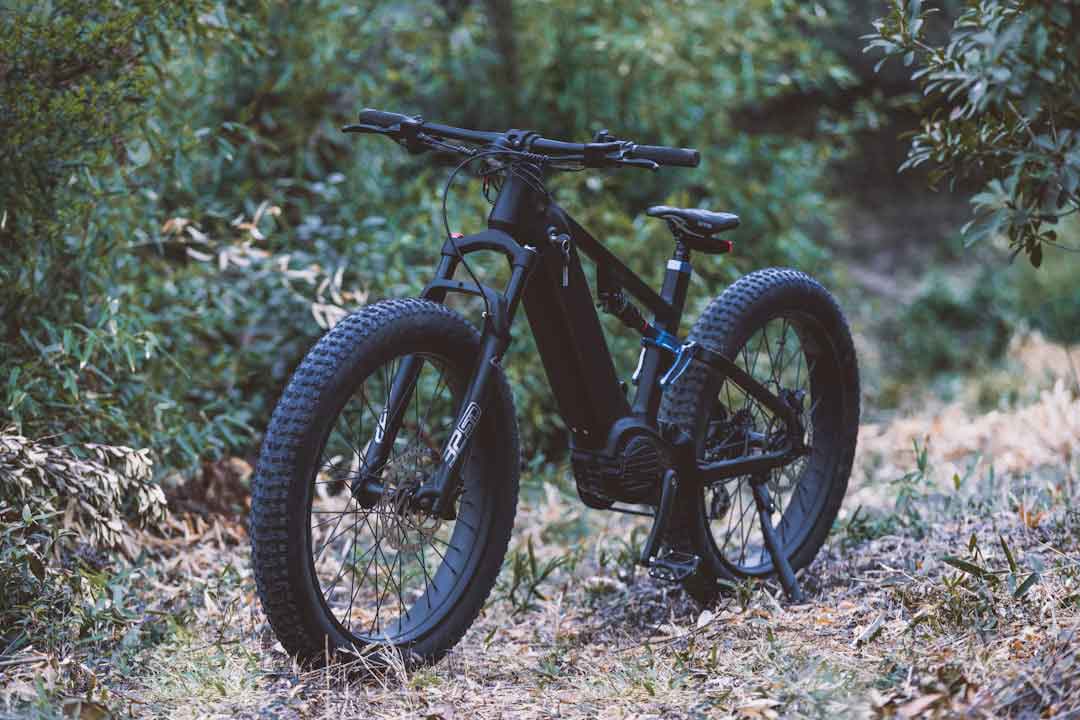
by TruckRun (https://unsplash.com/@truckrun_ebike_systems)
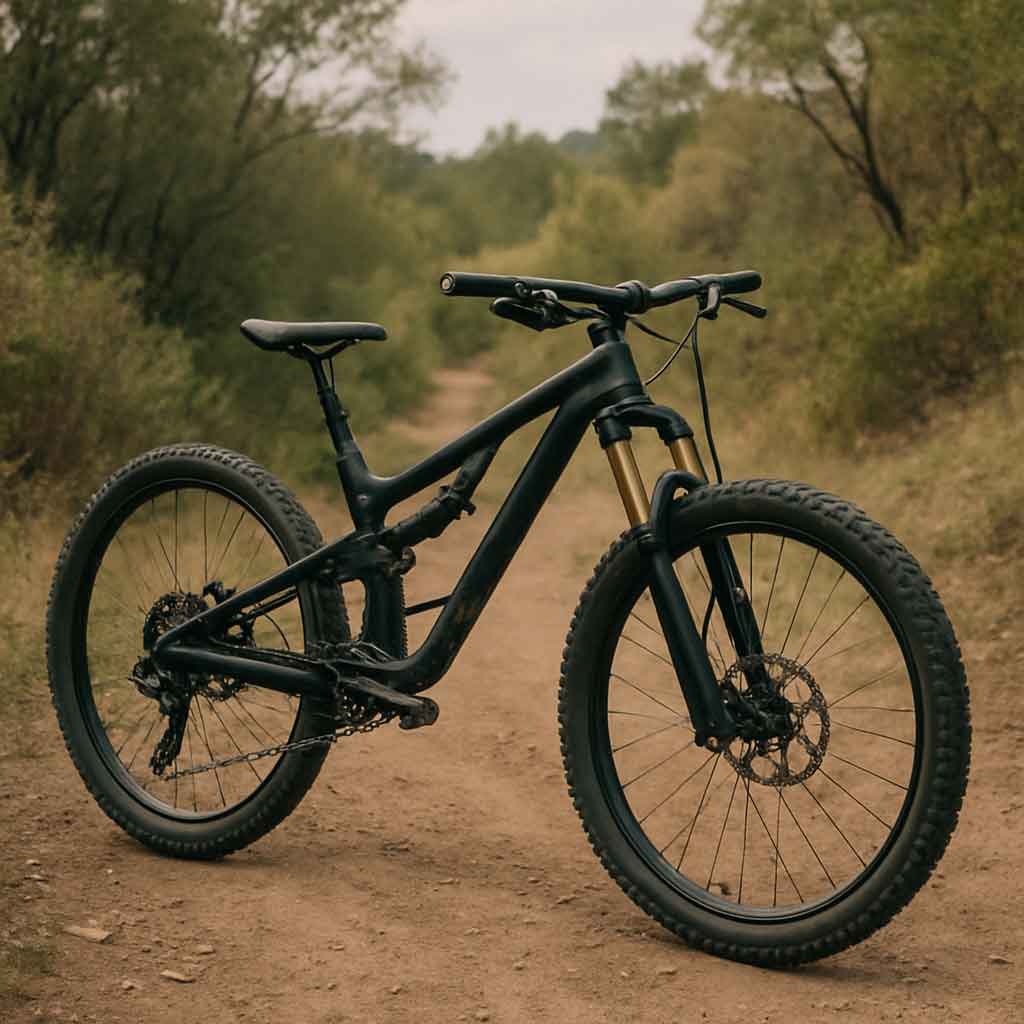
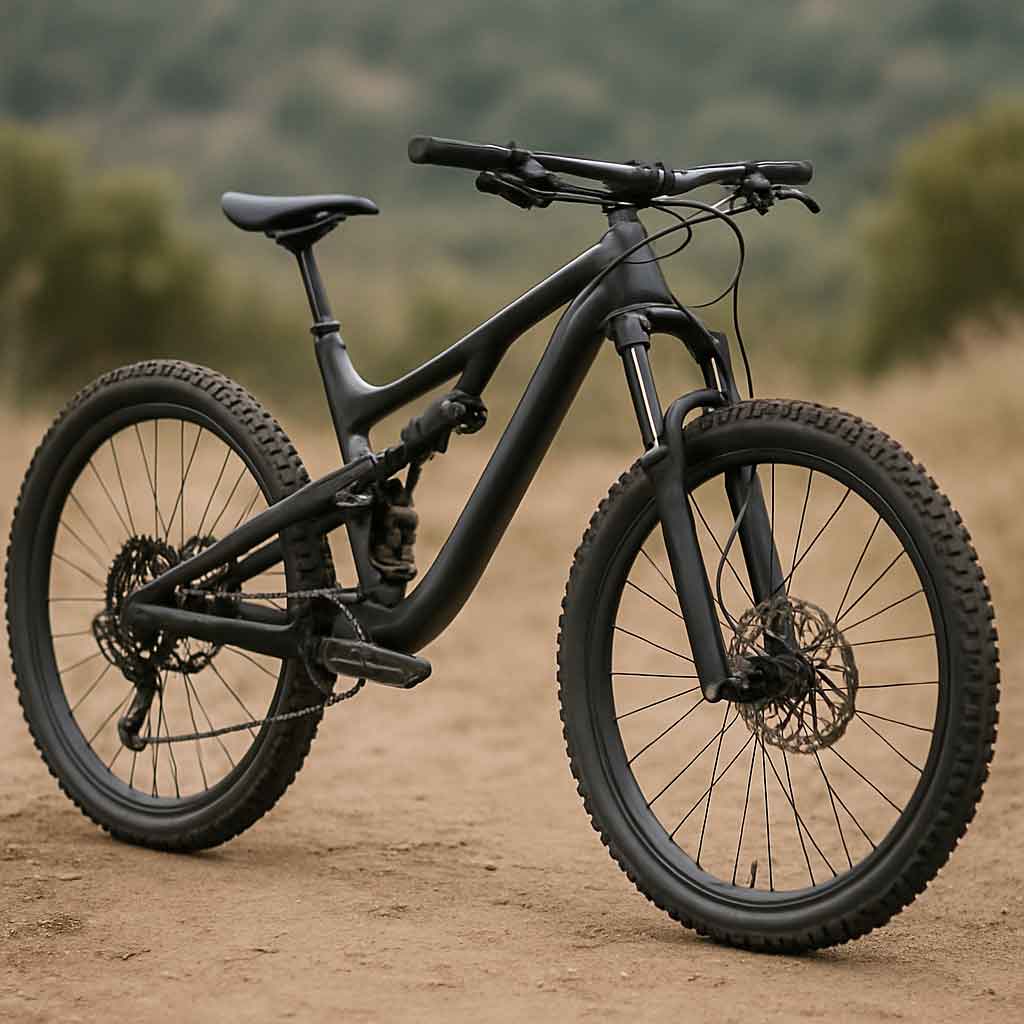
Let's not forget the visual appeal of carbon frames. The sleek, modern look of carbon fiber is unmatched, giving bikes a futuristic and professional appearance. With various finishes and designs available, cyclists can choose a style that reflects their personality and preferences. The aesthetic appeal of carbon frames is often a significant factor for many cyclists, as it allows them to express their individuality while enjoying the benefits of advanced engineering.
In addition to the visual appeal, the surface finish of carbon fiber can also be customized with different colors, patterns, and logos, making each bike truly unique. This ability to personalize the appearance of a bike ensures that cyclists can ride with pride, knowing their equipment is not only high-performing but also a reflection of their personal style. The combination of cutting-edge technology and striking aesthetics makes carbon frames a coveted choice for both amateur and professional cyclists alike.
Environmental Considerations
Sustainable Production
While the production of carbon fiber does involve energy-intensive processes, advancements in technology are making it more sustainable. Many manufacturers are now focusing on reducing waste and increasing the recyclability of carbon fiber materials. As the industry evolves, we can expect even more eco-friendly practices in the production of carbon bike frames. Efforts to minimize the carbon footprint of manufacturing processes are encouraging, as they contribute to a more sustainable cycling industry.
Innovations such as bio-based resins and recycling programs are being developed to further decrease the environmental impact of carbon fiber production. These initiatives are designed to create a more circular economy within the cycling industry, where materials can be reused or repurposed rather than discarded. As consumers become more environmentally conscious, the demand for sustainable practices in the production of carbon frames is likely to grow, driving further advancements in this area.
Longevity and Reduced Waste
The durability of carbon frames also contributes to their environmental benefits. A long-lasting frame means fewer replacements and less waste over time. Cyclists can enjoy years of reliable performance, knowing their investment is both practical and environmentally conscious. By choosing carbon frames, cyclists are participating in a more sustainable approach to cycling, where the focus is on quality and longevity rather than frequent replacements.
Moreover, the extended lifespan of carbon frames reduces the overall demand for raw materials and energy required for production. This reduction in resource consumption is a positive step towards minimizing the environmental impact of the cycling industry. As more cyclists opt for durable and long-lasting frames, the cumulative effect can lead to a significant decrease in waste and a more sustainable future for cycling enthusiasts and manufacturers alike.
Cost Considerations
Initial Investment
It's important to note that carbon frames tend to be more expensive than their aluminum or steel counterparts. However, the initial investment can be justified by the numerous benefits they offer. For serious cyclists, the performance gains and long-term durability make carbon frames a smart choice. The upfront cost is often outweighed by the value derived from enhanced performance and reduced maintenance needs over the frame's lifespan.
When evaluating the cost, it's essential to consider the total cost of ownership, which includes factors such as longevity, maintenance, and performance benefits. While the initial price tag might be higher, the reduced need for repairs and replacements can lead to cost savings over time. Additionally, the competitive advantage gained from using a high-performance carbon frame can be invaluable for cyclists who participate in races or long-distance events.
Value Over Time
When considering the cost of a carbon frameset, it's essential to look at the long-term value. The enhanced performance, comfort, and longevity of a carbon frame can lead to cost savings over time, especially if you're an avid cyclist who frequently participates in races or long-distance rides. The initial investment can be seen as a commitment to quality and performance, with the potential for significant returns in terms of cycling enjoyment and competitive success.
Moreover, the resale value of carbon frames tends to be higher than that of other materials, reflecting their desirability and durability. This aspect can further offset the initial cost, making carbon frames an attractive option for those looking to invest in high-quality cycling equipment. By choosing a carbon frame, cyclists are not only investing in their current riding experience but also securing potential future value should they decide to upgrade or change their equipment.
Conclusion
In conclusion, the benefits of lightweight carbon framesets in cycling are undeniable. From improved speed and agility to enhanced durability and comfort, carbon frames offer a superior riding experience. While the initial cost may be higher, the long-term advantages make them a worthwhile investment for any serious cyclist. As technology continues to advance, we can expect even more innovations in the world of carbon fiber, further cementing its place as the material of choice for high-performance bicycles.
For those considering an upgrade, a carbon fiber frame could be the key to unlocking new levels of cycling performance and enjoyment. Embrace the future of cycling with a lightweight carbon frameset and experience the difference for yourself. Whether you're a competitive racer or a casual rider, the benefits of carbon fiber can transform your cycling journey, providing you with the tools to achieve your goals and enjoy every ride to the fullest.






 Jack Ding

